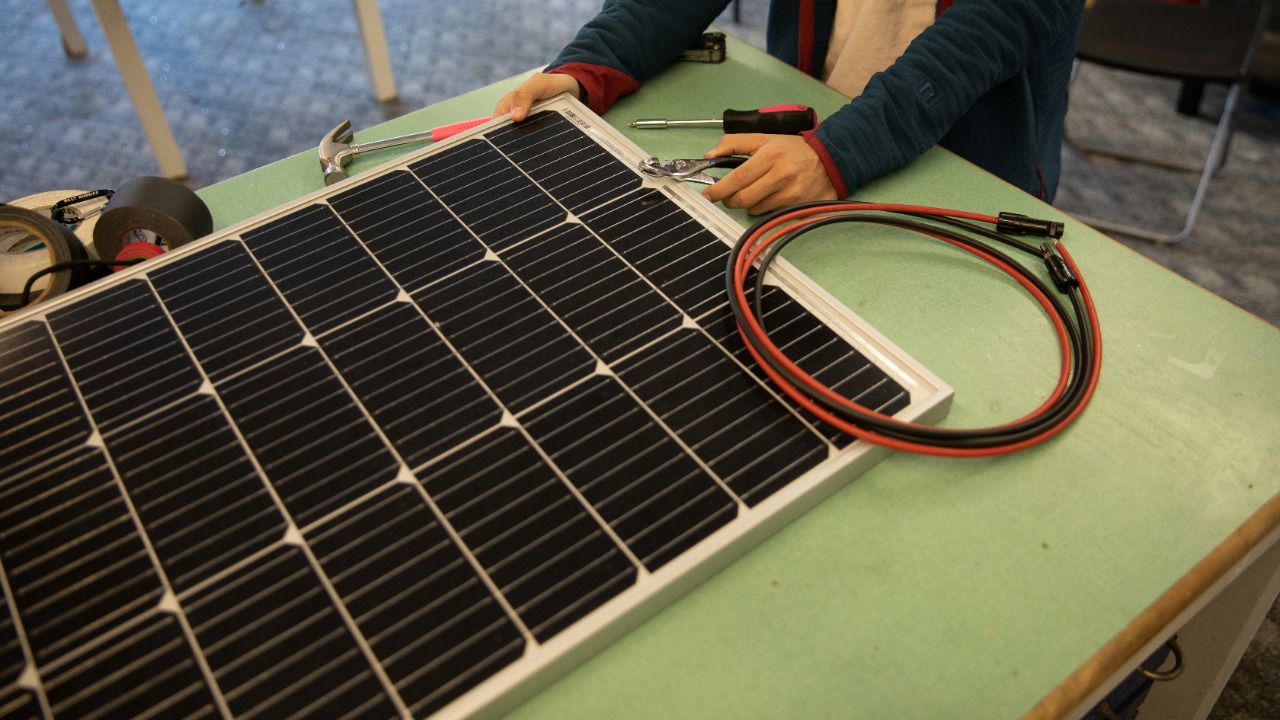

The realm of technology continues to morph and evolve, introducing breakthroughs that redefine our lifestyle and interaction with the world. One such breakthrough is the advent of flexible solar panels in wearable technology, offering a sustainable energy solution for powering our devices.
The Basics of Flexible Solar Panels
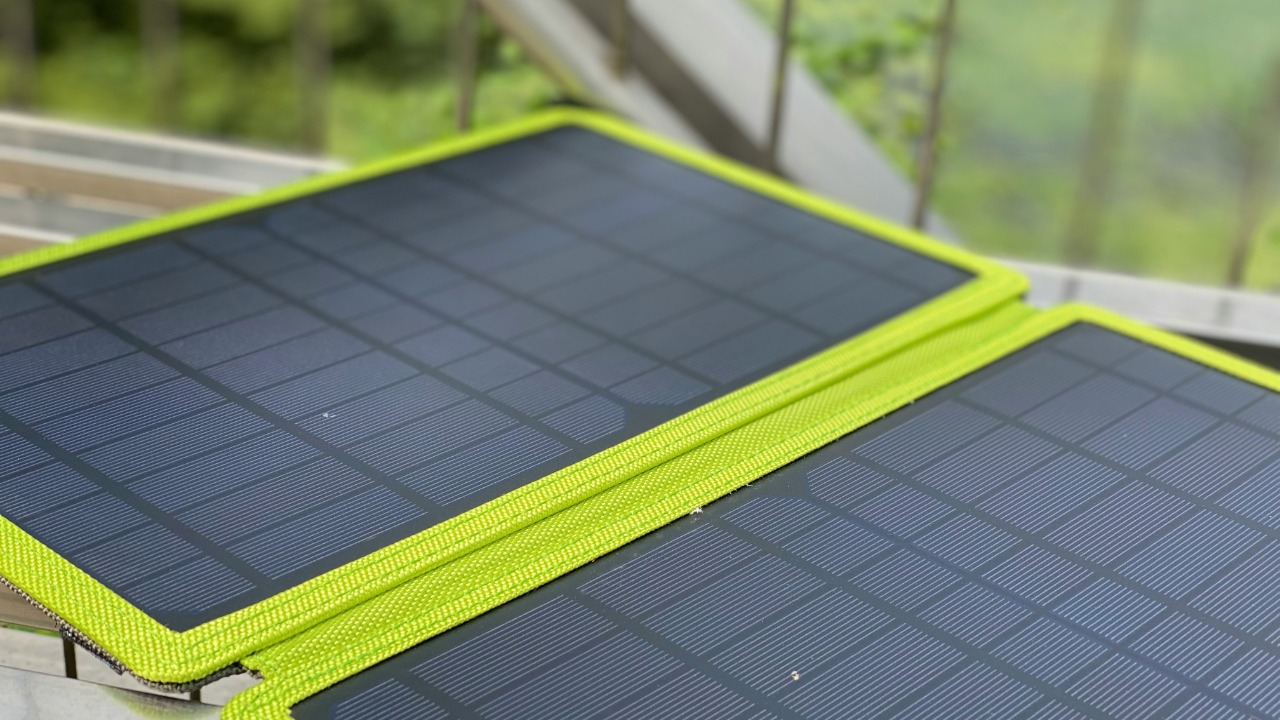
Flexible solar panels, as the name suggests, are pliable versions of traditional solar panels. They are constructed from thin-film solar cells that can be bent without breaking. Unlike their rigid counterparts, they are lightweight and can be adapted to various surfaces. Recent advancements have significantly improved their efficiency and cost-effectiveness, making them an increasingly viable option for renewable energy.
Flexible solar panels have advantages over rigid ones. They are lighter, more portable, and can be integrated into a variety of materials and products, including wearable tech. Over time, improvements in technology have made these flexible panels more efficient and affordable, broadening their potential applications.
The Integration of Solar Panels in Wearable Technology
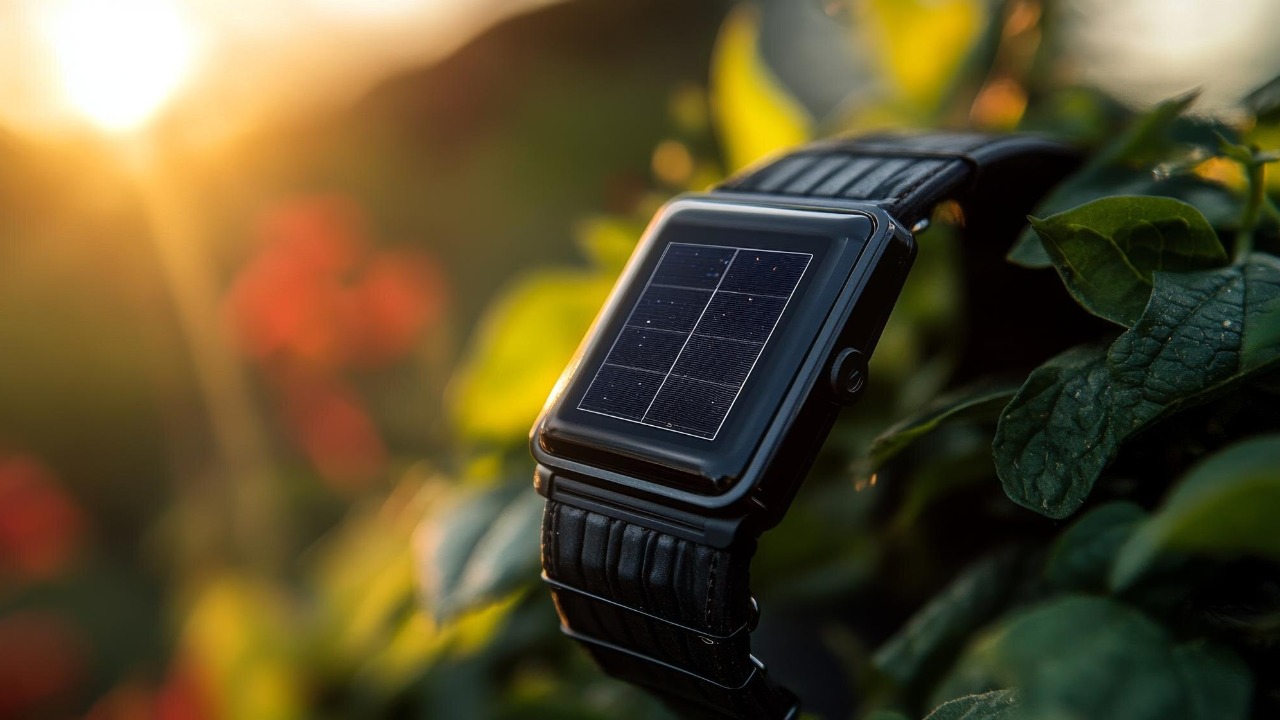
Flexible solar panels can be seamlessly integrated into wearable technology, thanks to their bendability and light weight. For instance, they can be embedded into fabrics or attached to the surfaces of watches and fitness trackers. However, integrating solar power into wearable tech is not without its challenges. The devices must be designed to accommodate the panels and still maintain user comfort and functionality.
There are already products on the market that successfully incorporate flexible solar panels. The Solar Shirt, for example, can charge a smartphone using energy harnessed from the sun. However, there are still hurdles to overcome, such as increasing the power output and improving the durability of the solar cells.
The Impact of Solar-Powered Wearable Tech on Sustainability
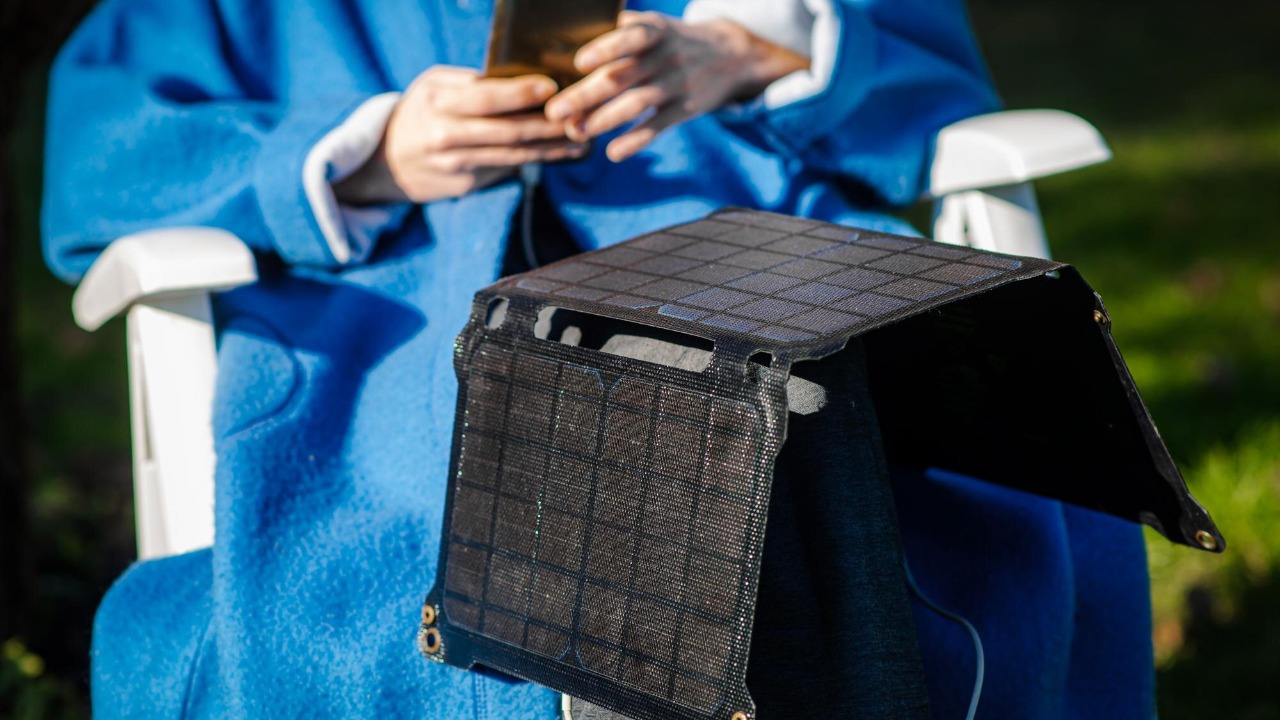
Solar-powered wearable tech not only provides a convenient power source for our devices but also contributes to sustainable energy solutions. By harnessing the energy of the sun, these devices reduce our reliance on non-renewable energy sources, thereby contributing to the mitigation of climate change.
Moreover, as more people adopt solar-powered wearable tech, the cumulative effect on energy consumption could be significant. This shift could help reduce our carbon footprint and promote a more sustainable future.
Future Prospects of Solar-Powered Wearable Tech

Research and development in the field of flexible solar panels continue to advance, promising exciting potential for wearable tech. Improved efficiency, durability, and affordability are some of the expected outcomes of these advancements, which could make solar-powered wearable tech more accessible and popular.
The market potential for solar-powered wearable tech is immense. As consumers become more environmentally conscious, the demand for sustainable products is likely to increase. Solar-powered wearable tech could potentially revolutionize personal energy use, enabling individuals to generate their own renewable energy wherever they go.
Case Studies of Solar-Powered Wearable Technology

There are already successful implementations of solar-powered wearable technology on the market. The aforementioned Solar Shirt is a great example of this. This innovative garment integrates flexible solar panels into the fabric, allowing users to charge their devices on the go.
Another case study is the solar-powered watch that uses flexible solar panels to keep it running. These examples underline the potential of solar-powered wearable tech, despite the challenges that need to be overcome. They also provide valuable insights for future developments in this exciting field.
In conclusion, the integration of flexible solar panels into wearable technology is a promising development in the quest for sustainable energy solutions. With ongoing research and development, we can look forward to more efficient, affordable, and innovative solar-powered wearable tech in the future.