

The recent discovery of a fossilized whale bone, curiously adorned with barnacles, has furnished scientists with a unique window into the migratory patterns of these aquatic giants from a bygone era. Let’s delve into this intriguing find and its implications.
Unearthing the Fossilized Whale Bone
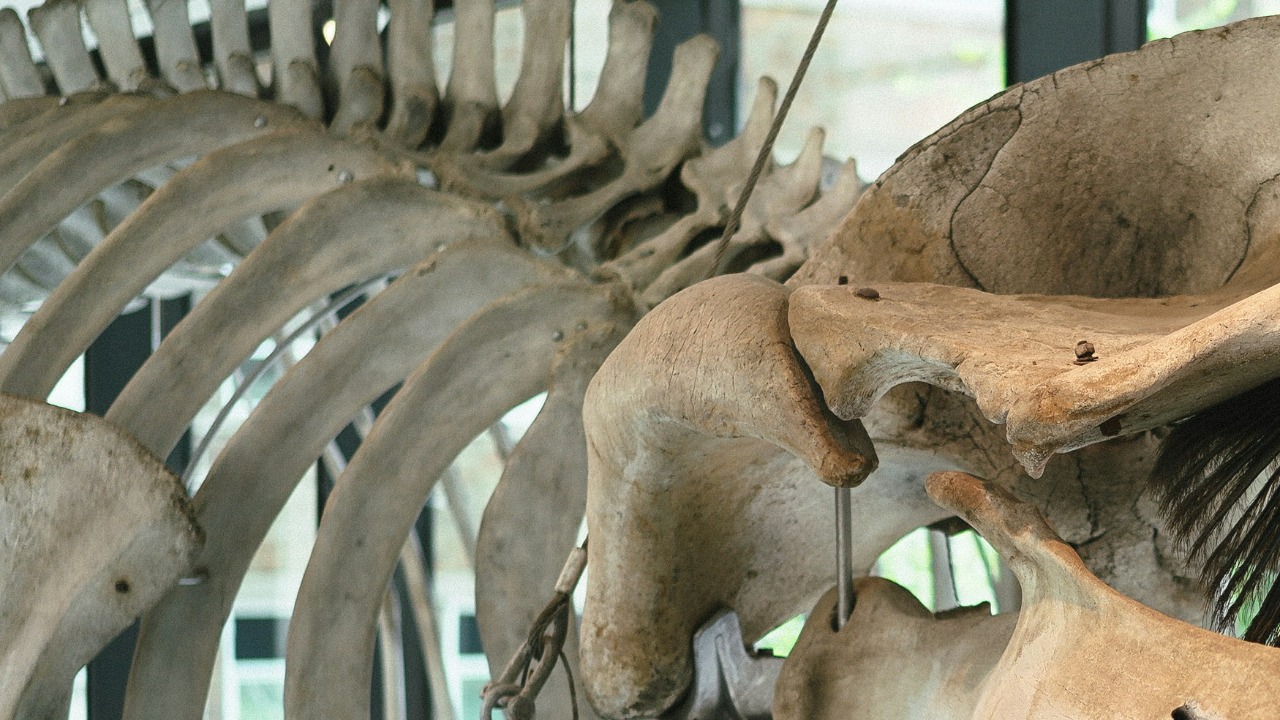
The fossilized whale bone was unearthed during a routine excavation. Upon initial examination, scientists were intrigued by the presence of barnacles embedded in the bone. Barnacles, marine creatures known for hitching a ride on the bodies of sea creatures, provide a wealth of information about marine life and their migratory habits. This is especially true for whales, which often carry barnacles throughout their lifetime.
The bone was discovered in a region known for its rich fossil deposits. The environmental conditions in this locale have allowed for the preservation of the bone and the embedded barnacles, making it an ideal discovery site. This find is a testament to the dynamic nature of our planet and the shifts in marine habitats over millions of years.
The Symbiotic Relationship between Whales and Barnacles
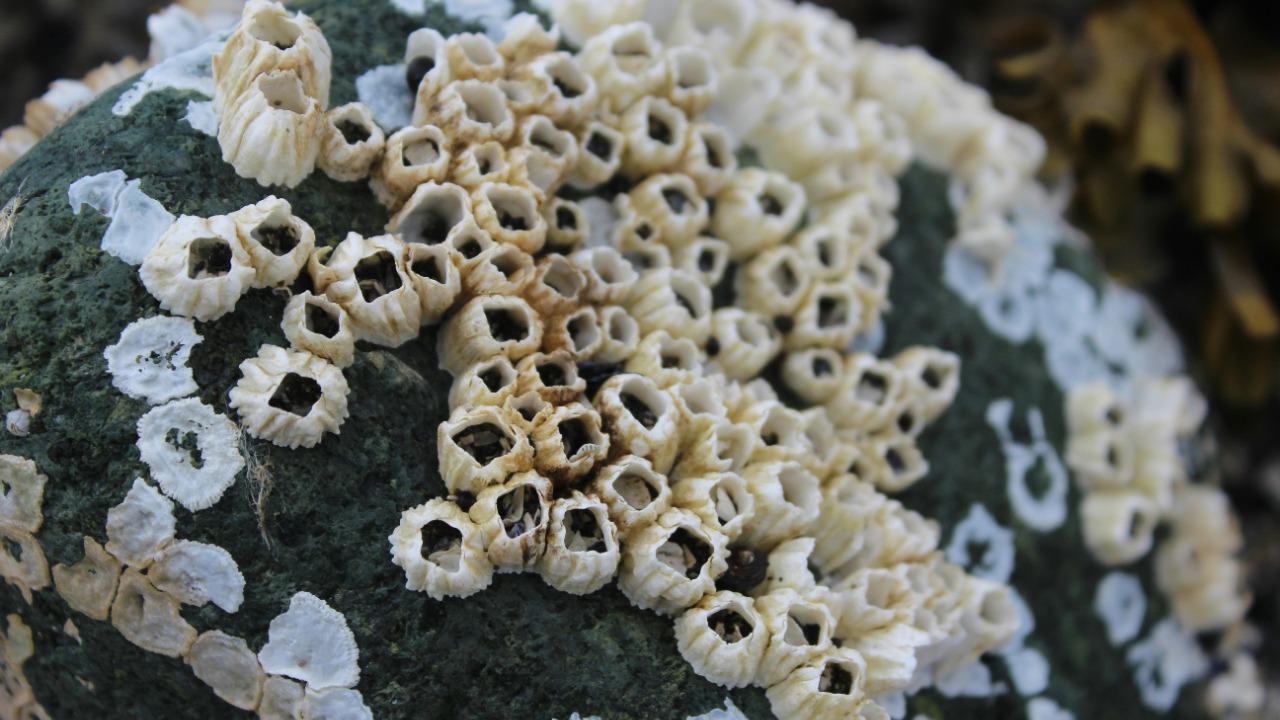
Barnacles and whales share a unique symbiotic relationship. Barnacles attach themselves to whales and travel with them throughout their lives, feeding off the nutrient-rich water that the whale moves through. This allows them to survive in varying conditions and across vast oceanic distances. On the other hand, it’s believed that barnacles may provide some benefits to the whales, such as camouflage or protection from predators.
Research has shown that barnacles can be useful in tracking whale movement. According to a study published in PNAS, the isotopic composition of barnacles can reveal the waters they have traveled through, providing clues about the whale’s migratory route.
Interpreting Barnacle Fossils to Track Whale Migration
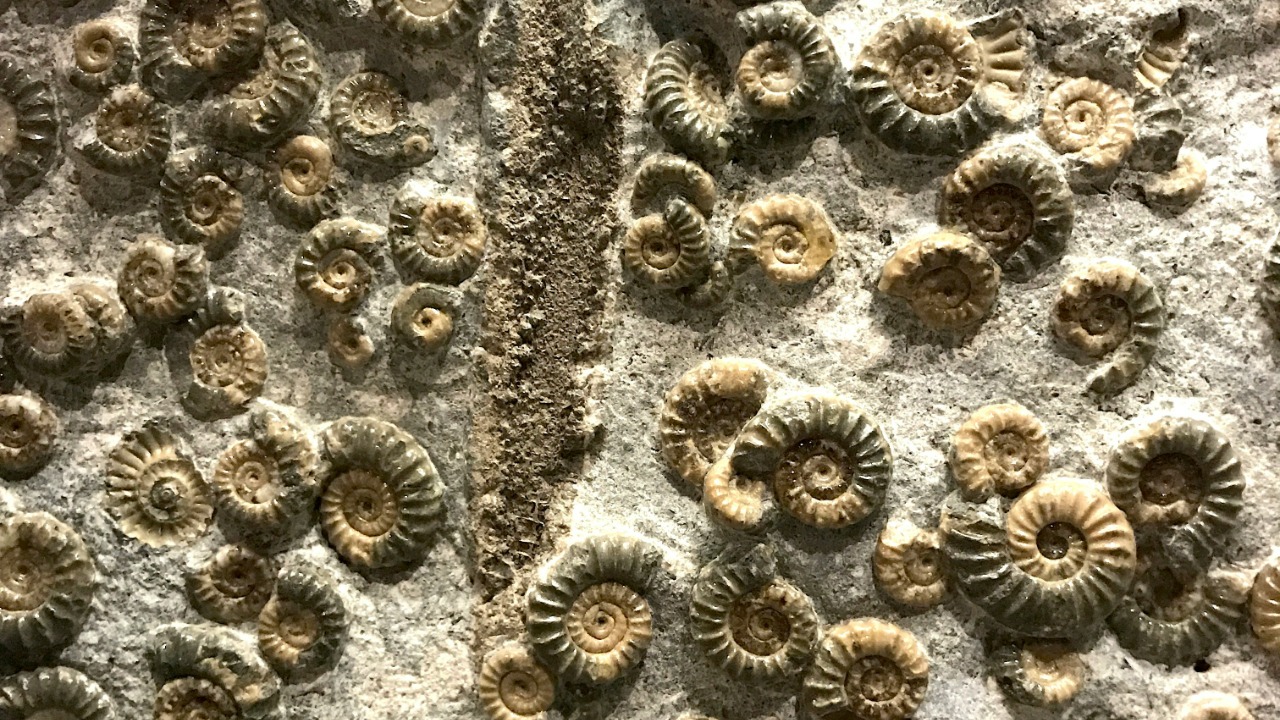
By examining the barnacles on the fossilized whale bone, scientists were able to determine the migration route of the whale. Isotopic signatures in the barnacles provided vital clues about the sea temperatures and conditions they experienced, which ultimately helped reconstruct the migration pattern of the whale.
Researchers used a variety of methods to study the barnacle fossils, including scanning electron microscopy and isotopic analysis. These techniques allowed them to examine the barnacles at a microscopic level and determine their chemical composition. Such research methods have previously been used to study other fossilized barnacles and have proven to be reliable in deciphering their origin and life history.
Findings on the Whale Migration Route
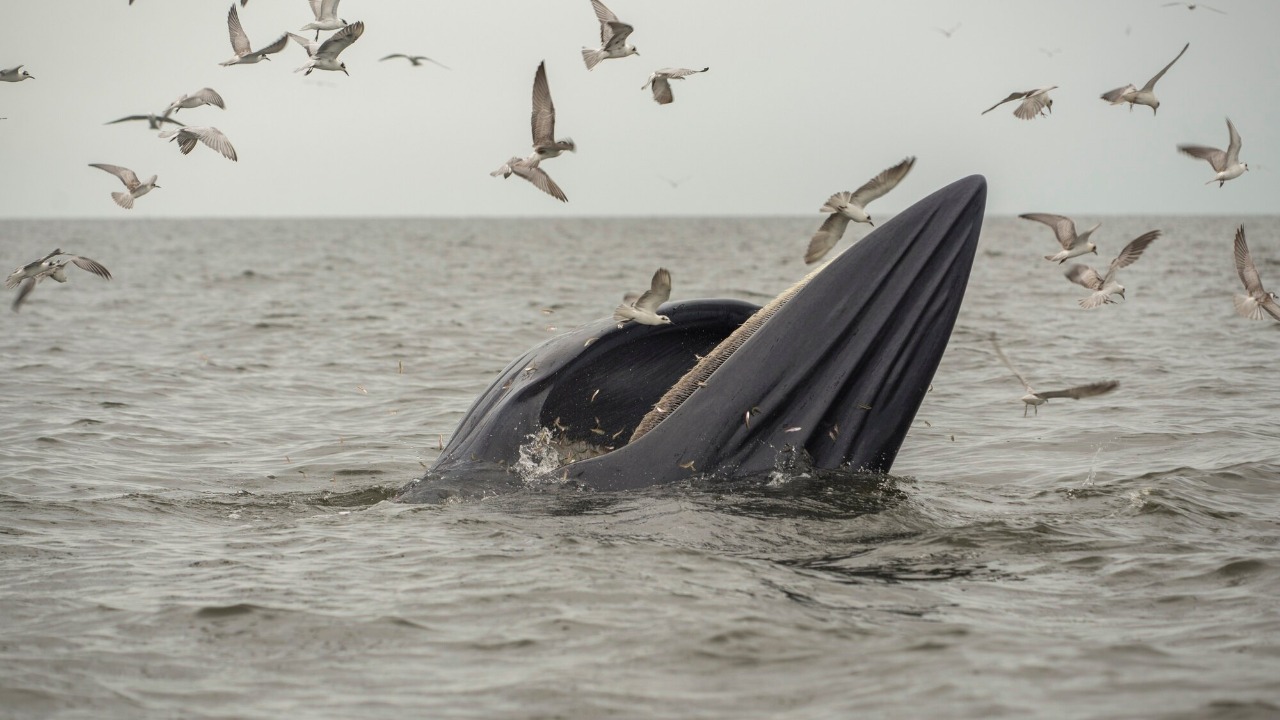
The findings from the study revealed a fascinating glimpse into the migratory habits of ancient whales. The isotopic signatures in the barnacles suggested that the whale had traversed vast oceanic distances, indicating a migratory route similar to those of modern whales.
Comparing these findings with current whale migration patterns, the scientists noted striking similarities. This suggests that whales’ migratory habits have remained relatively stable over millions of years. The study, as detailed on Earth.com, paints a vivid picture of the ancient marine world and the creatures that inhabited it.
Implications of the Study for Future Research

This groundbreaking study opens up new avenues for understanding ancient marine life and their migration patterns. By examining barnacle fossils, researchers can glean valuable information about marine ecosystems of the past and how they have evolved over time.
The findings have broader implications for the fields of paleontology and marine biology. They provide a novel method for studying ancient marine life and can potentially help scientists understand how changes in the environment may have affected these creatures. Additionally, they highlight the importance of barnacles as an underutilized tool for studying marine migration. A detailed analysis of this potential can be found in a ResearchGate publication.
The discovery has also sparked interest in potential future research opportunities. Scientists are excited about the prospects of finding more barnacle-encrusted whale fossils and using them to learn more about our planet’s marine history.