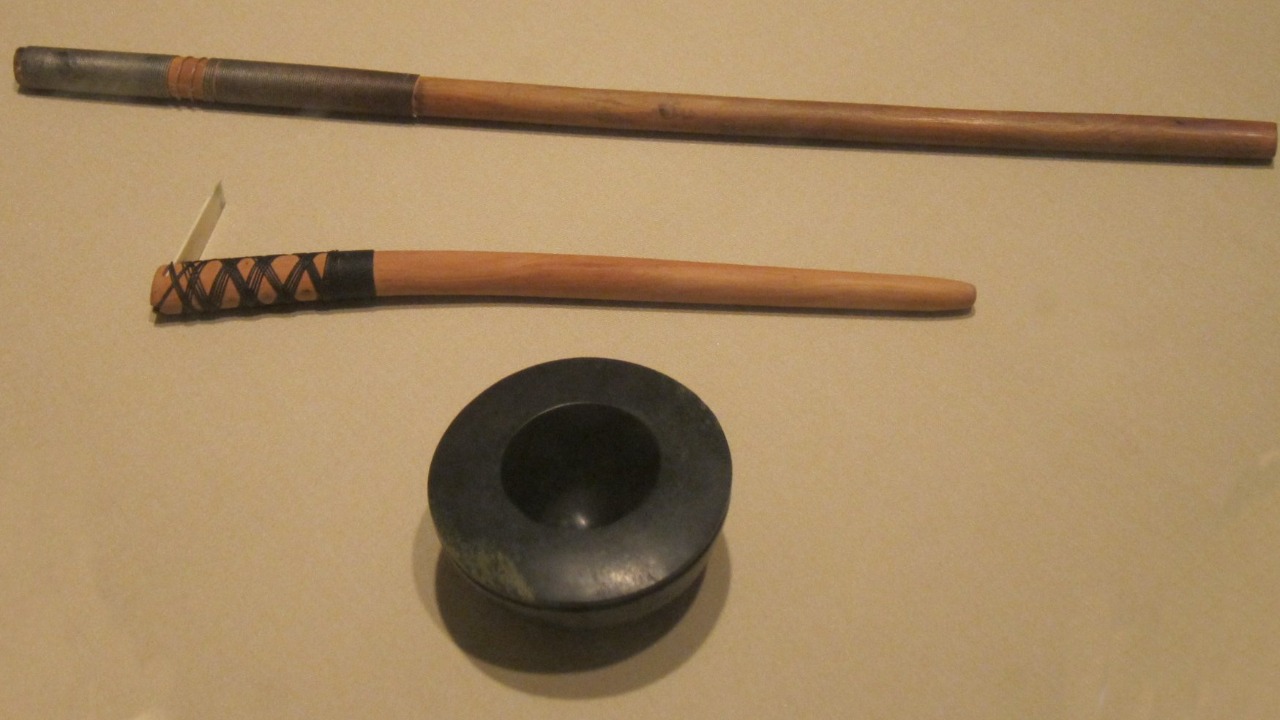

In a recent and groundbreaking discovery, archaeologists have unearthed tools from Pacific islands that are made from an unknown alloy. This unique find opens up a new realm of possibilities in our understanding of Pacific islander history and culture.
Discovery Detail
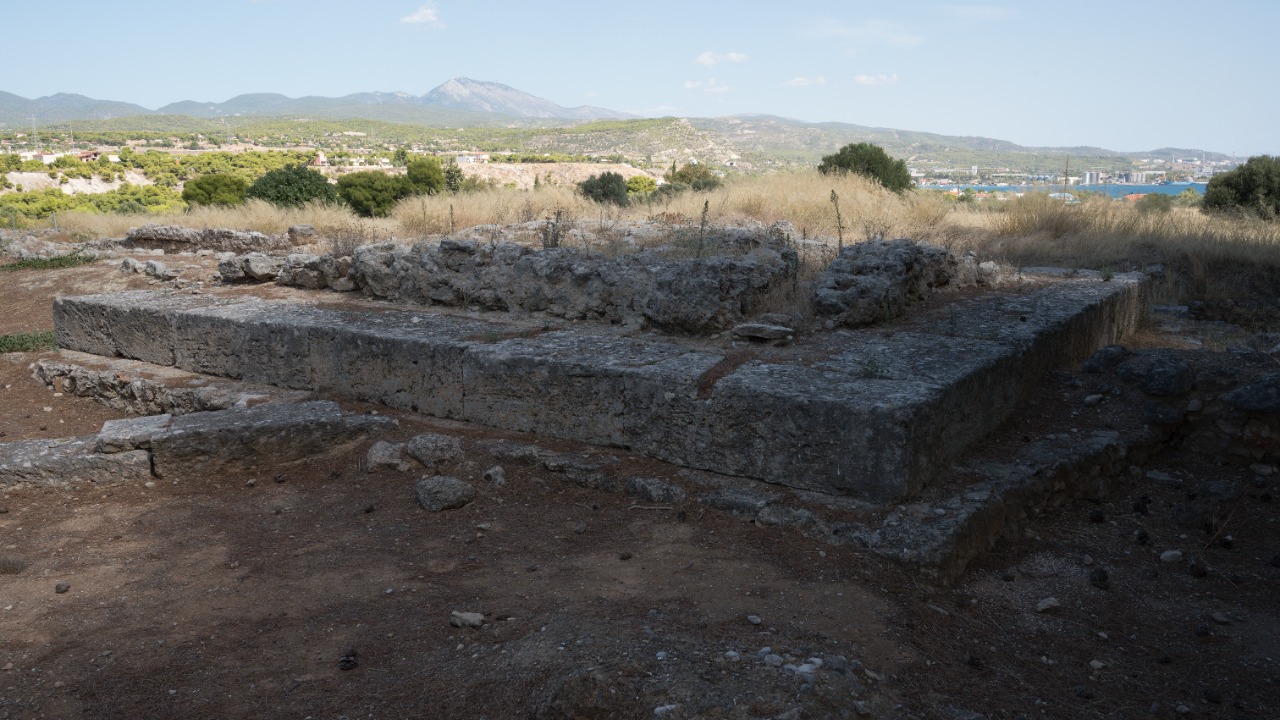
The tools were discovered on a remote Pacific island, in an area rich in archaeological sites. The site was found during a routine survey, and the tools were unearthed during careful excavation. The artifacts were found in a variety of locations within the site, suggesting that they were used for a wide range of tasks.
Initial analysis of the tools has yielded surprising results. The tools are remarkably well-preserved, allowing for detailed examination. They bear the marks of skilled craftsmanship, with many displaying intricate designs. Interestingly, the tools are made from an alloy that is currently unknown to science.
The Unknown Alloy

The alloy’s physical properties are intriguing. It is remarkably resilient and shows little signs of wear, even after what is assumed to be centuries of use. It is also highly resistant to corrosion, which may explain the tools’ remarkable state of preservation. The alloy has a distinctive hue, different from any known metals.
Current theories about the alloy’s composition vary. Some researchers suggest it may be a blend of known metals in an unusual ratio. Others speculate it might contain elements that are rare in the Earth’s crust. The alloy’s unique properties have drawn comparisons to ancient Damascus steel and Viking’s Ulfberht swords, both known for their exceptional quality.
Historical Context
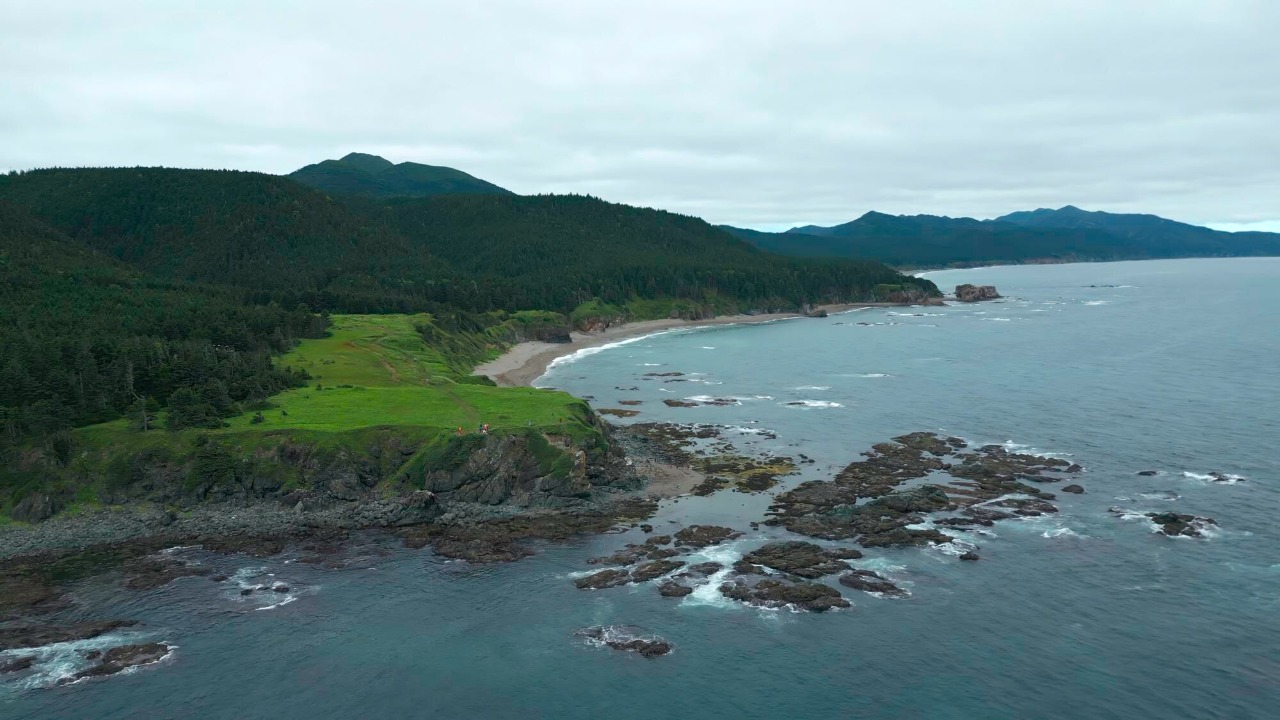
Historically, Pacific islanders were skilled toolmakers, using materials available to them such as stone, bone, and shell. The presence of metal tools, especially those made from an unknown alloy, suggests a level of technological sophistication previously unrecognized. It raises intriguing questions about the source of the metal, hinting at possible trade networks or even unknown mining activities.
While the exact use of these tools is still a matter of debate, their form and wear patterns suggest they were used in a variety of tasks, from carving and crafting to warfare. Their presence indicates a complex society with specialized roles and crafts.
Significance of the Discovery

The discovery of these tools made from the unknown alloy revolutionizes our understanding of Pacific islander technology and trade. The use of metal suggests a higher degree of technological development than previously assumed. The unknown alloy itself suggests connections to regions with different geological resources, indicating a wider trade network.
The implications for the study of Pacific islander culture are profound. The tools provide tangible evidence of the islanders’ craftsmanship and technological prowess. They also raise intriguing questions about the social and economic structures of their society. This discovery could spark a wave of new research, potentially reshaping our understanding of Pacific islander history.
Challenges and Questions

Analyzing the unknown alloy presents a significant challenge. Current techniques may not be sufficient for determining its exact composition. There is also the risk of damaging the tools during analysis. These issues necessitate the development of new methods and techniques, leading to advancements in archaeological science.
The discovery also raises many unanswered questions. What was the source of the metal used in the alloy? How did the islanders develop the techniques to work with it? And what were the specific uses of these tools? Answers to these questions will require further research, including comparative studies with other Pacific island cultures and detailed analysis of the tools’ wear patterns.