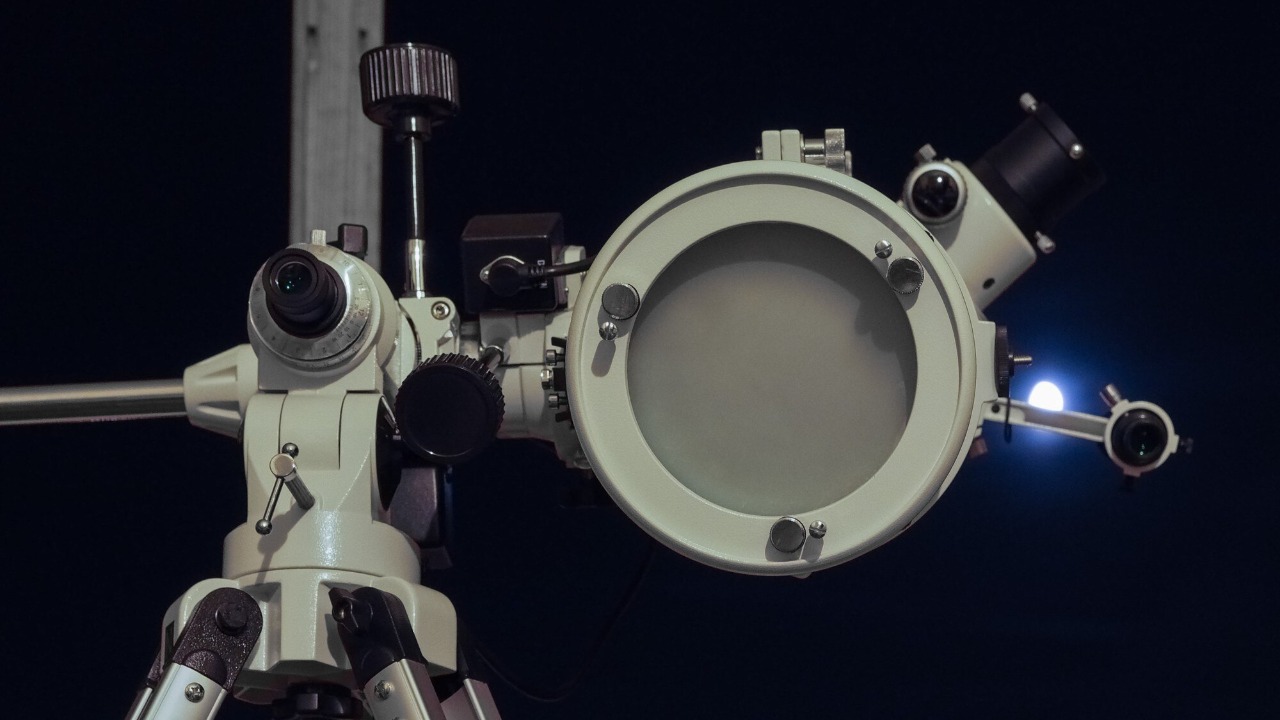

In an exciting new development, a groundbreaking signal has been detected by a dark matter detector nestled deep within the French Alps. This detection could represent a substantial leap forward in comprehending dark matter, an elusive substance believed to constitute approximately 85% of our universe’s mass.
Unraveling the Mystery of Dark Matter
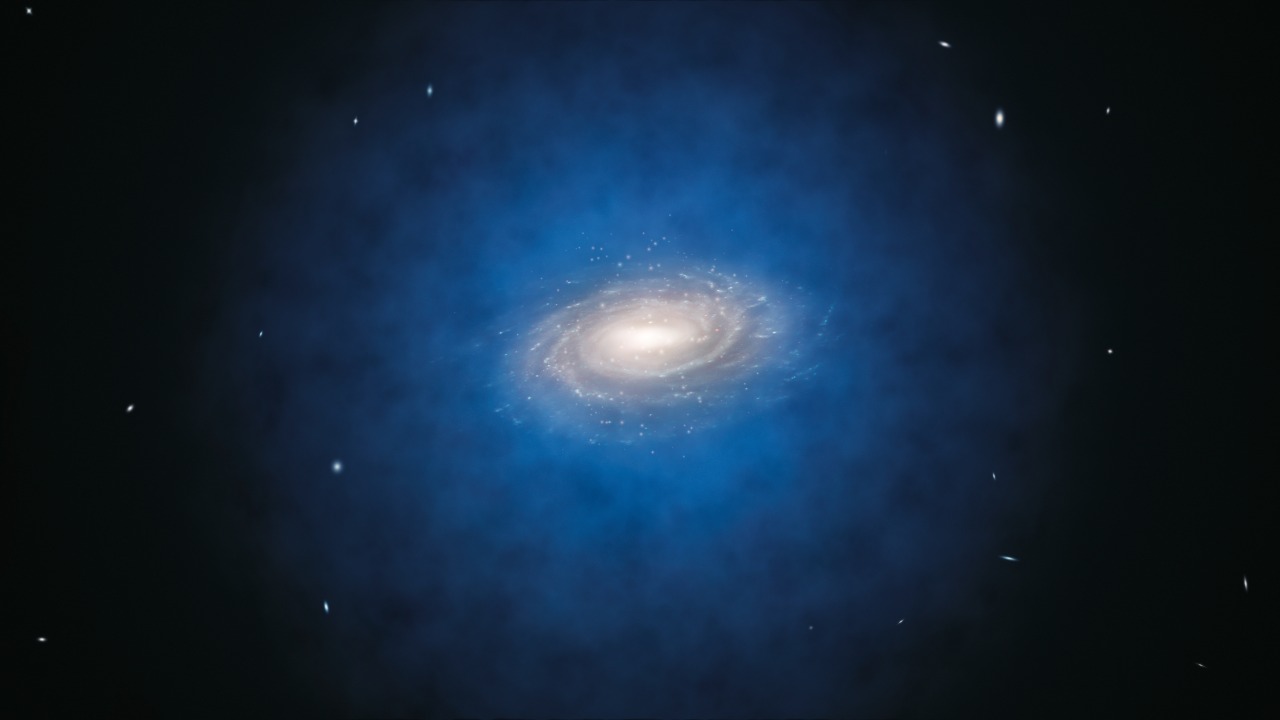
Dark matter is a hypothetical form of matter that is thought to account for approximately 85% of the matter in the universe. Despite its prevalence, it’s incredibly difficult to detect because it doesn’t interact with electromagnetic radiation, making it invisible to our current detection methods. This elusive nature has made dark matter one of the most intriguing and challenging puzzles in modern physics.
The presence of dark matter plays a crucial role in our understanding of the universe. This is because it’s thought to be the ‘glue’ that holds galaxies together. Without it, galaxies would fly apart as they spun. There are numerous hypotheses about dark matter, ranging from it being comprised of undiscovered particles, to alternative theories of gravity. The hunt for dark matter is therefore not just about finding a new particle, but about improving our understanding of the universe as a whole.
The Dark Matter Detector in the French Alps

The detector responsible for this intriguing signal is located deep in the French Alps. This location was chosen for its isolation from cosmic rays and other potential sources of noise that could interfere with the detector. The detector itself is a marvel of engineering, designed to be extremely sensitive to potential dark matter interactions.
Understanding how this detector works is crucial to appreciating the significance of this signal. At its core, the detector is designed to pick up signs of “weakly interacting massive particles” (WIMPs), one of the leading candidates for dark matter. The French Alps detector, with its unique location and cutting-edge design, offers a prime opportunity for the direct detection of dark matter.
The Mysterious Signal
The signal picked up by the detector was both unexpected and intriguing. While the exact strength and duration of the signal have not been disclosed, it’s clear that it’s something the scientific community is taking very seriously. Although it’s too early to definitively say that this signal is evidence of dark matter, the possibility is tantalizing.
The scientific data obtained from this signal is currently undergoing rigorous analysis. The goal is not only to confirm the nature of the signal but also to glean any possible insights about the properties of dark matter. The analysis of this signal could potentially provide us with the most direct evidence of dark matter to date.
Implications of the Signal Detection
The implications of this signal detection are enormous. If this signal does indeed turn out to be evidence of dark matter, it would profoundly change our understanding of the universe. It could provide the first direct evidence of dark matter’s existence, potentially confirming decades of theoretical predictions.
Following this discovery, a range of new experiments are being planned to further investigate this signal. These experiments will seek to replicate the signal, as well as probe its properties in more detail. This new wave of dark matter research is an exciting prospect for the scientific community.
Challenges and Next Steps in Dark Matter Research

Despite this exciting development, the field of dark matter research is fraught with challenges. The elusive nature of dark matter makes it incredibly difficult to detect, and even if this signal does turn out to be evidence of dark matter, there is still a long road ahead to fully understand this mysterious substance.
Looking forward, the next steps in this research will involve further analysis of the signal, as well as new experiments designed to probe the properties of dark matter. There’s also a need for the development of new technologies and methods to aid in the detection and study of dark matter. As the hunt for dark matter continues, the research efforts deep beneath the French Alps will undoubtedly continue to play a crucial role.