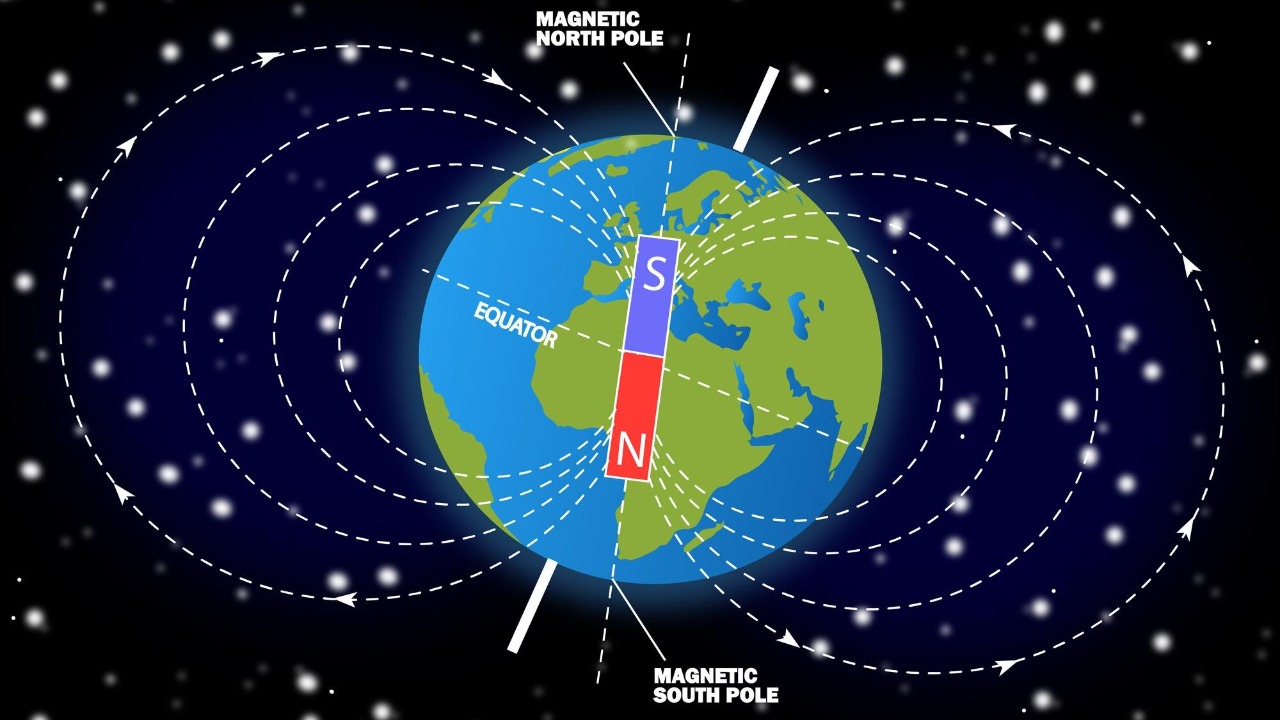

Delving into the realm of geomagnetism and volcanology, scientists have unearthed a fascinating link between volcanic ash and Earth’s magnetic field reversals. This intricate relationship has offered scientists a new perspective on how our planet’s magnetic field has flipped throughout history.
Understanding Geomagnetic Reversal
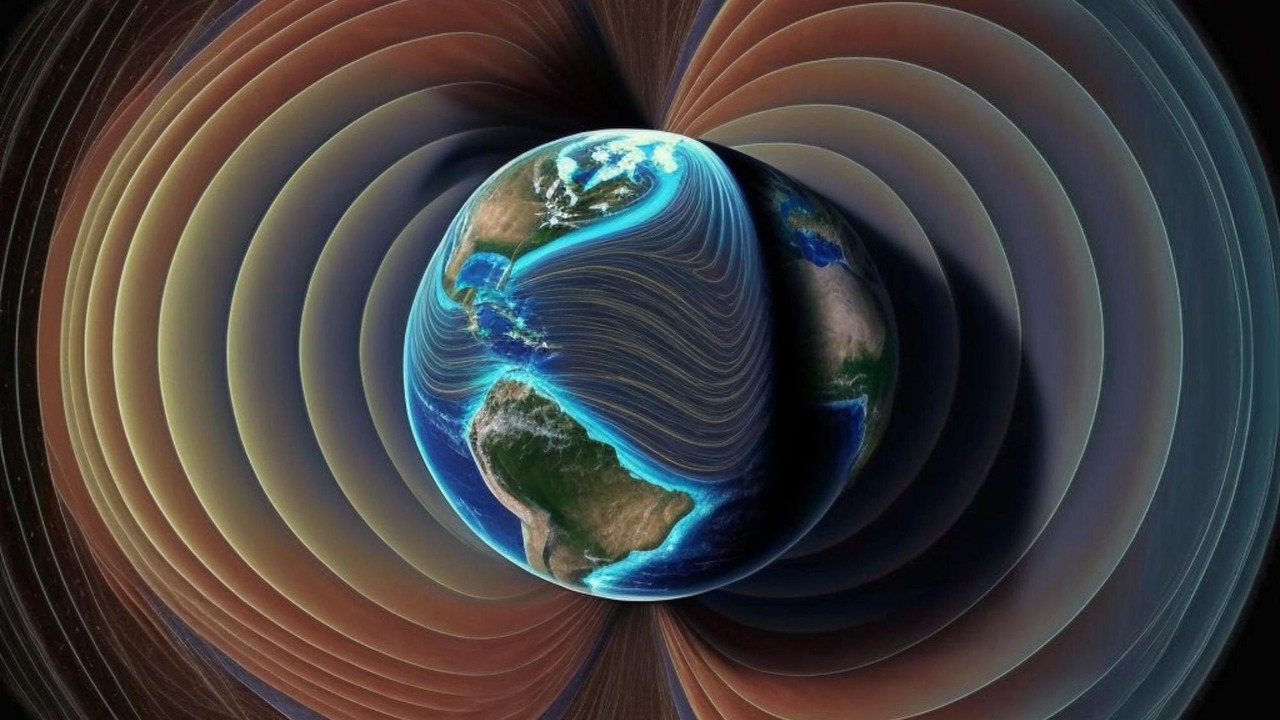
Geomagnetic reversal, also known as Earth’s magnetic flip, is the process where the planet’s magnetic poles switch places. While this may sound like an extraordinary event, it is a natural occurrence that has happened several times throughout the Earth’s history. Scientists estimate that these reversals occur approximately every 200,000 to 300,000 years, but the last one happened around 780,000 years ago, as mentioned in the Wikipedia article.
Despite being a common phenomenon in the geological timescale, the causes of geomagnetic reversal are not entirely understood. It is believed to be related to the movement of molten iron within Earth’s outer core, creating the magnetic field. When these flows change, the magnetic field can weaken, allowing the poles to flip. These reversals can impact Earth’s lithosphere, atmosphere, and even have potential effects on climate.
The Role of Volcanic Ash
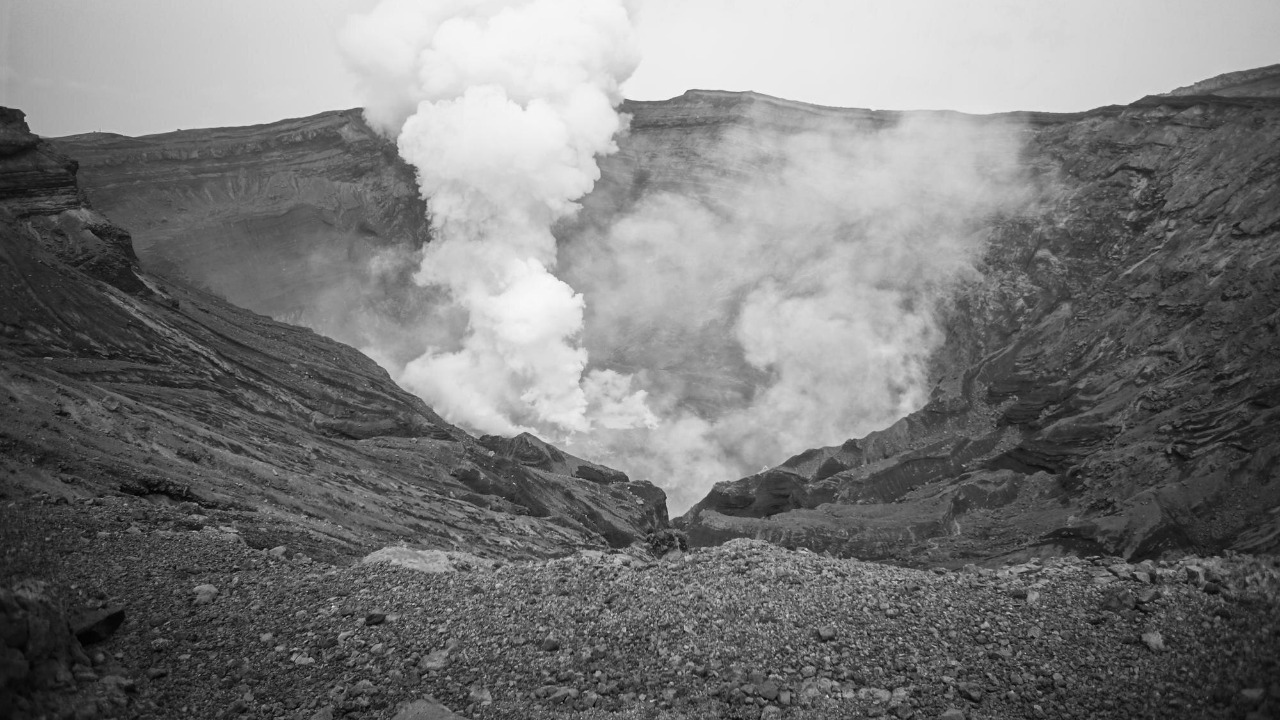
Volcanic ash plays an instrumental role in recording Earth’s magnetic history. This silicate material, formed during volcanic eruptions, cools and solidifies quickly. During this process, the ash particles align themselves with the current state of Earth’s magnetic field, essentially preserving a snapshot of the magnetic field at the time of their formation.
By studying layers of volcanic ash, or tephra, scientists can create a timeline of Earth’s magnetic flips. Each layer of ash corresponds to a different volcanic eruption, and thus a different point in time. The magnetic properties of each layer reveal the state of Earth’s magnetic field at that specific moment. This information is vital for researchers trying to understand the frequency and patterns of geomagnetic reversals.
Recent Scientific Discoveries
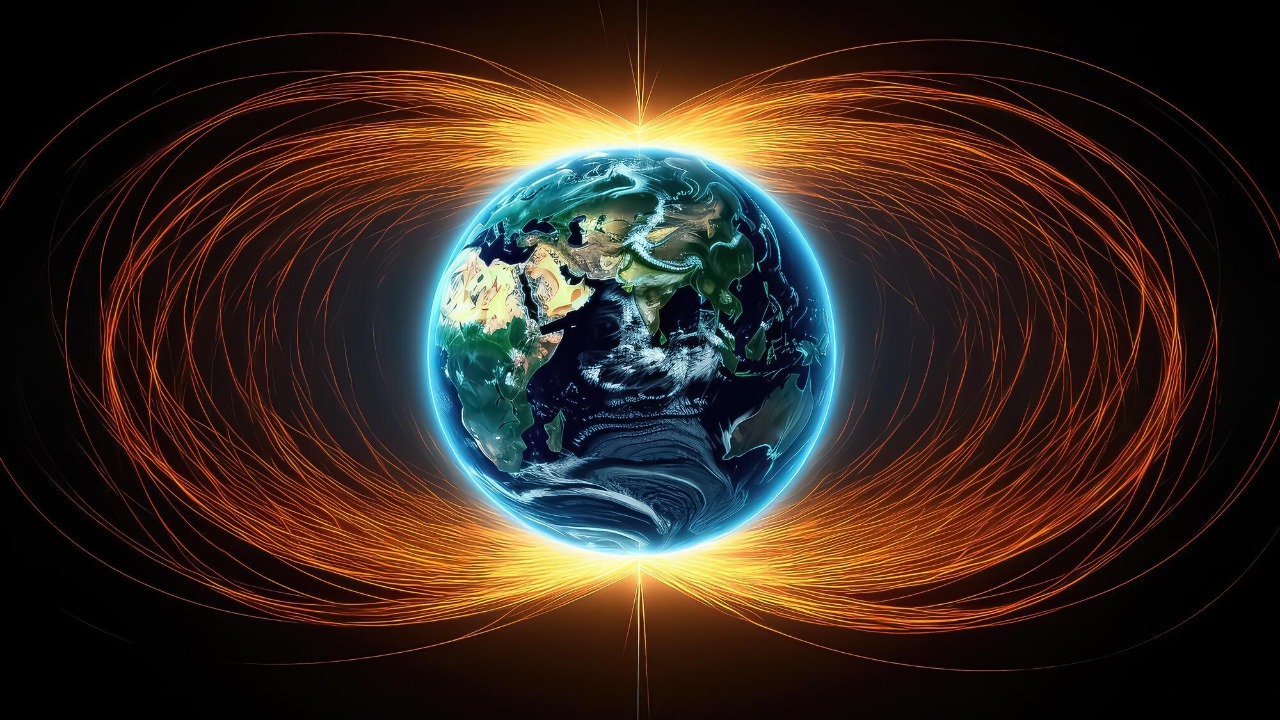
A recent study published in the Geophysical Journal International has provided more evidence of the relationship between volcanic ash and geomagnetic reversal. The researchers analyzed ash layers from a number of different eruptions and found that each layer’s magnetic properties matched the estimated state of Earth’s magnetic field at the time of eruption.
Another significant research paper from ScienceDirect delves deeper into the topic, outlining innovative methods for analyzing volcanic ash and its magnetic properties. These methods involve detailed laboratory analyses of ash samples, further improving our understanding of Earth’s magnetic history.
Implications for Understanding Earth’s History

These scientific discoveries hold immense significance in unraveling Earth’s geological past and understanding climate change. The magnetic properties of volcanic ash provide a unique window into the past, offering clues about ancient geomagnetic reversals that might be linked to significant climatic events.
Moreover, these findings could also be crucial in predicting future geomagnetic reversals. By understanding the patterns and frequency of past flips, we might be able to anticipate when the next reversal will occur and its potential impact on our planet.
Human Migration and Earth’s Magnetism
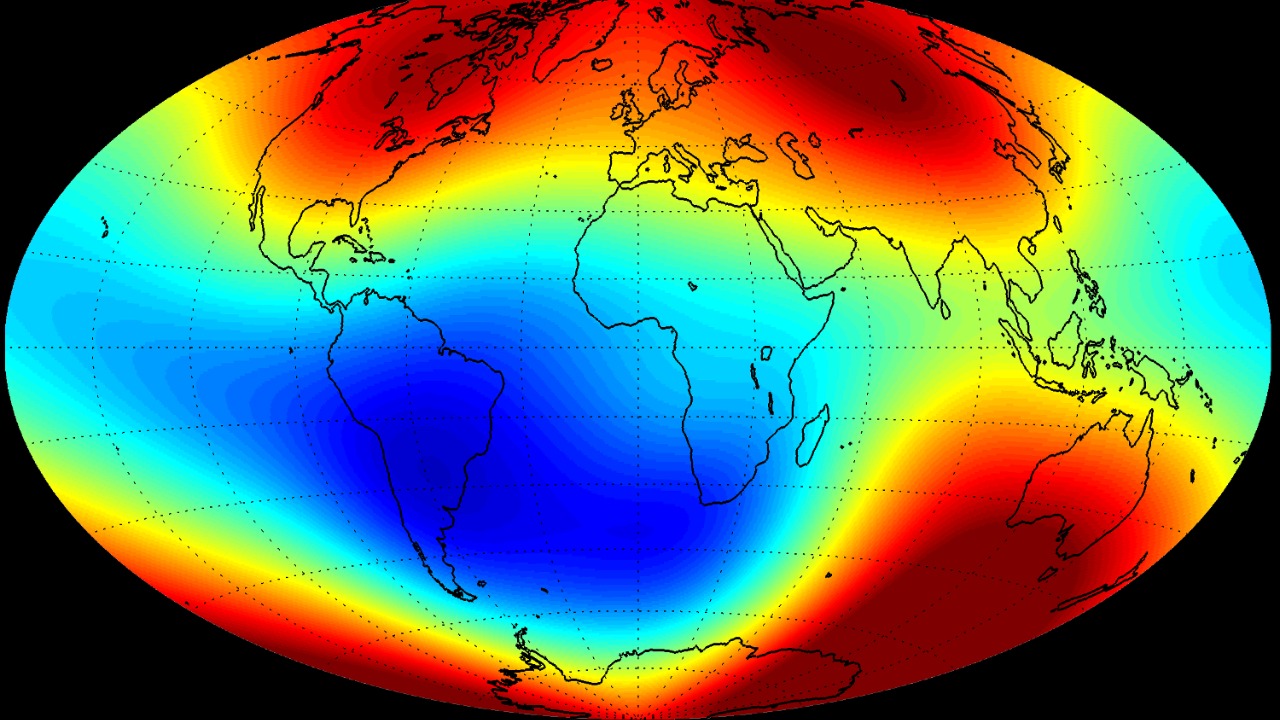
Another intriguing aspect of Earth’s magnetism is its potential influence on human evolution and migration. Some theories suggest that geomagnetic reversals could have guided ancient human migration patterns. A study presented in Ancient Origins explores this theory, suggesting a correlation between magnetic flips and movement of early human populations.
Furthermore, Earth’s magnetic field plays a critical role in shielding us from harmful solar radiation, which has allowed life to thrive. Thus, understanding geomagnetic reversals can provide insights into the challenges our ancestors faced, and how changes in Earth’s magnetism could impact future human society and technology.
As we continue to delve deeper into the mysteries of our planet’s magnetic field and its history, volcanic ash will undoubtedly remain a vital tool in our scientific arsenal. Its ability to capture snapshots of Earth’s magnetic past provides an invaluable resource for understanding our planet’s history and possibly predicting its future.