

The advent of artificial intelligence (AI) has revolutionized various sectors, and among them is the realm of interspecies communication. Novel AI translators are now being employed to decode dolphin communication, potentially heralding a landmark moment in our understanding of interspecies interaction.
Understanding Dolphin Communication
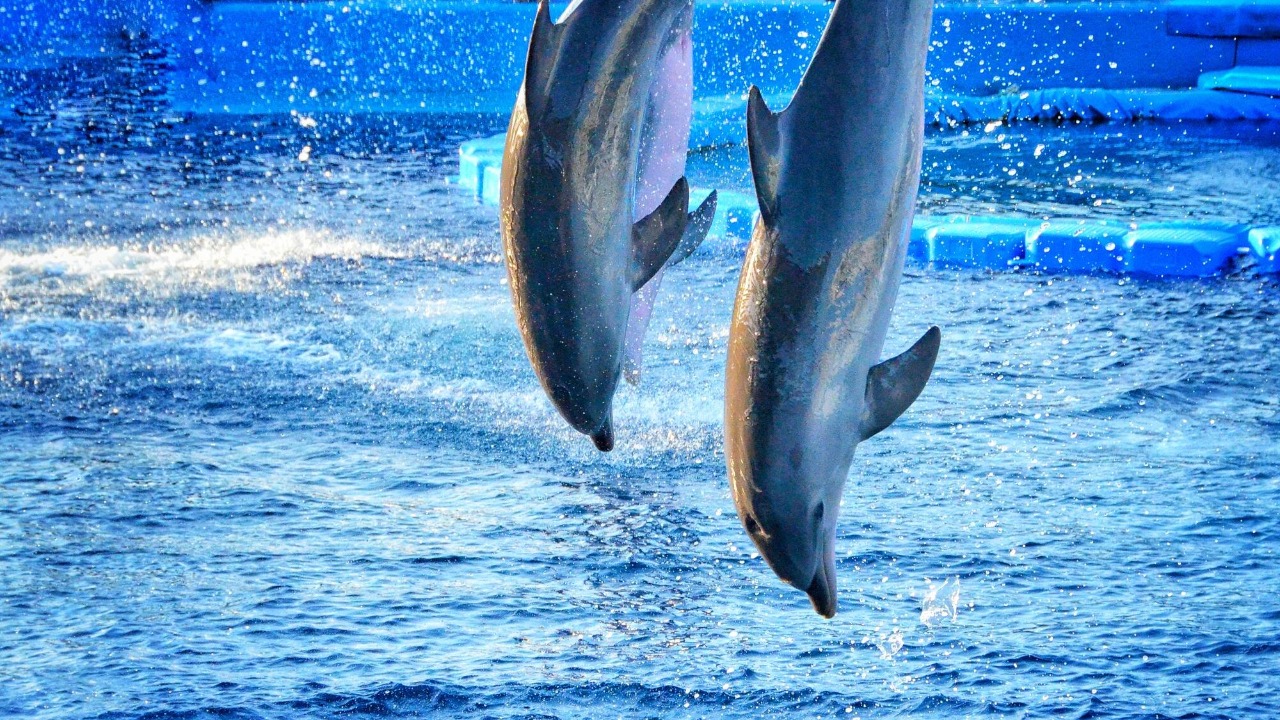
Dolphins are known for their advanced communication skills. They communicate using a complex system of clicks, whistles, and body movements. The full extent of their language, however, remains a mystery to us. Existing research has shown that dolphin communication is highly sophisticated, with the potential for abstract thought and understanding.
Decoding this complex language has been a significant challenge for researchers. Dolphins, unlike humans, use a multi-modal form of communication combining sound, visual cues, and possibly even touch and taste. This complexity, coupled with the underwater environment in which dolphins live, makes understanding their language a formidable hurdle. Despite these challenges, progress is being made, thanks to the evolution of technologies such as AI.
The Role of AI in Decoding Dolphin Communication

AI technologies have been instrumental in attempts to decipher dolphin communication. Projects like Project CETI and DolphinGemma have employed AI’s capabilities to make substantial strides in this field. AI’s machine learning and pattern recognition capabilities have proven particularly valuable.
Machine learning algorithms can analyze vast amounts of data, learning and evolving as they encounter new information. By feeding these algorithms with recordings of dolphin sounds and behavior, researchers can train them to identify patterns and potentially decode meanings. Moreover, AI’s pattern recognition can supplement this process, helping to identify recurring themes and sequences within the dolphin communication data.
Case Study: DolphinGemma and Google AI
The DolphinGemma project is an excellent example of how AI is being put to use in this field. In this initiative, Google’s advanced AI technology is used to decipher the dolphin language. The project employs a combination of machine learning and pattern recognition techniques to analyze extensive sets of dolphin communication data.
One of the key methodologies used in the DolphinGemma project is the employment of AI to analyze the acoustic signals produced by dolphins. By doing so, patterns and potential meanings can be extracted from these signals. The project further integrates visual data of dolphin behavior to provide additional context to the sounds, thereby aiming for a more comprehensive understanding of dolphin communication.
Implications and Future Prospects

The successful decoding of dolphin communication could have profound implications for biology, ecology, and the broader scientific community. An in-depth understanding of dolphin communication could provide valuable insights into dolphin behavior, social structures, and even their cognition. This could, in turn, inform conservation efforts and contribute to our understanding of marine ecosystems.
Moreover, the advancements in AI might not just stop at decoding dolphin communication. They could potentially pave the way for understanding other complex animal languages, such as those of whales or primates. The future of AI in interspecies communication looks promising, and the progress made so far suggests that we might soon be able to communicate effectively with other species.
Challenges and Limitations

Despite the potential benefits, there are significant challenges and limitations to using AI for interspecies communication. Firstly, the complexity of animal communication, coupled with the vast amounts of data required for accurate analysis, presents considerable technical hurdles. Moreover, while AI can identify patterns, the interpretation of these patterns and their meanings still largely relies on human intuition.
There are also important ethical considerations to bear in mind. The use of AI in research and interaction with animal species raises questions about consent, welfare, and potential exploitation. Ensuring that these technologies are used responsibly and ethically will be a crucial aspect of their future development.