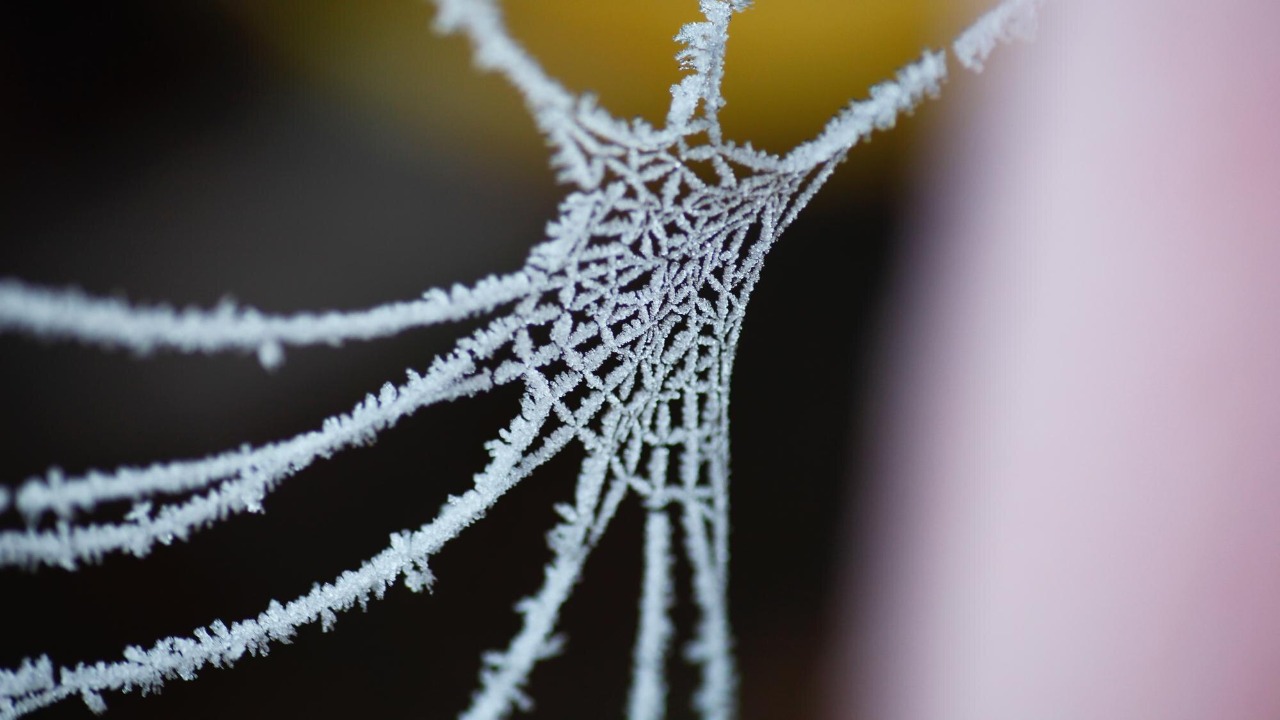

The strength and robustness of spider silk have long fascinated scientists and engineers. Recent research indicates that synthetic spider silk could potentially outperform steel in a number of tests, opening up exciting new avenues for its use.
Understanding the Strength of Spider Silk
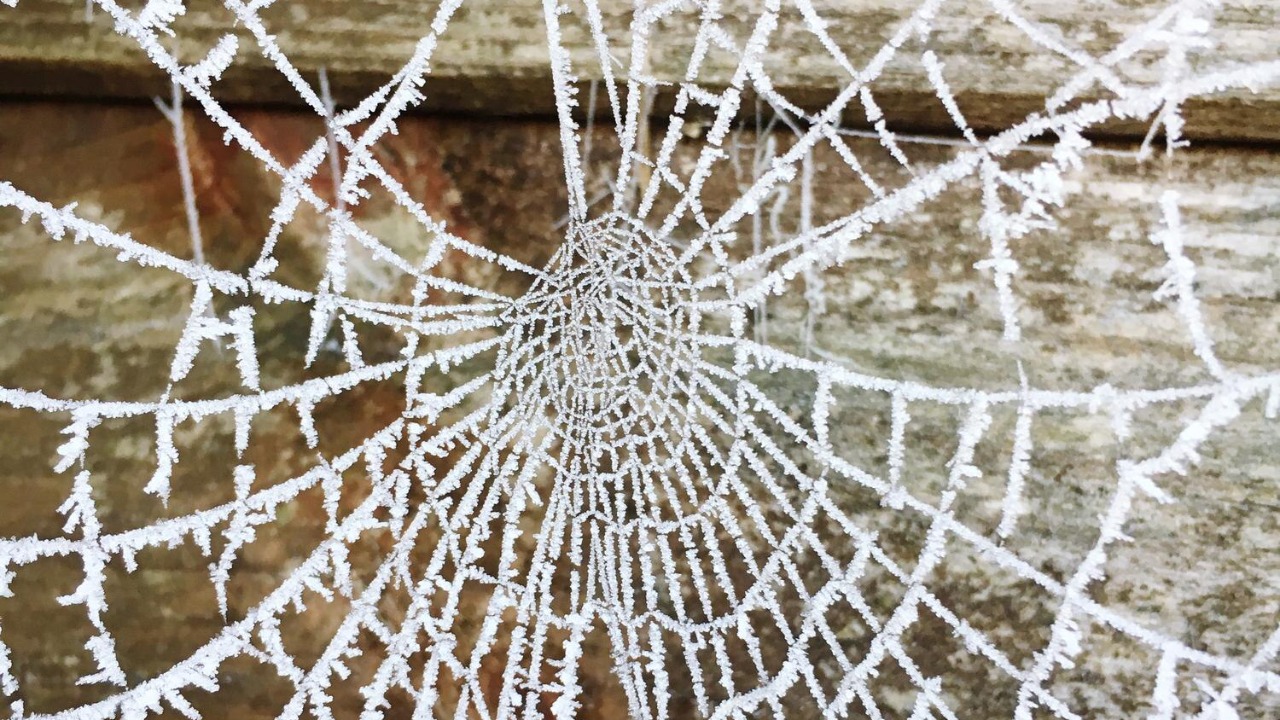
Spider silk, a natural wonder, exhibits unique properties that make it stronger than steel. This superior strength is largely attributed to its molecular structure. Spider silk is composed of protein fibrils, arranged in a complex pattern that gives it its remarkable strength. This structure also lends the silk an impressive elasticity, allowing it to stretch without breaking. It’s this combination of strength and flexibility that sets spider silk apart from many other materials, including steel.
The molecular structure of spider silk is a fascinating study in nature’s engineering. The proteins that make up spider silk are packed in a way that maximizes strength while minimizing weight. This arrangement contributes to the silk’s tensile strength, which is the ability to resist breaking under tension. It’s worth noting that the strength of spider silk is not just about its composition, but also about the ingenious way these proteins are arranged. You can read more about it here.
Creating Synthetic Spider Silk
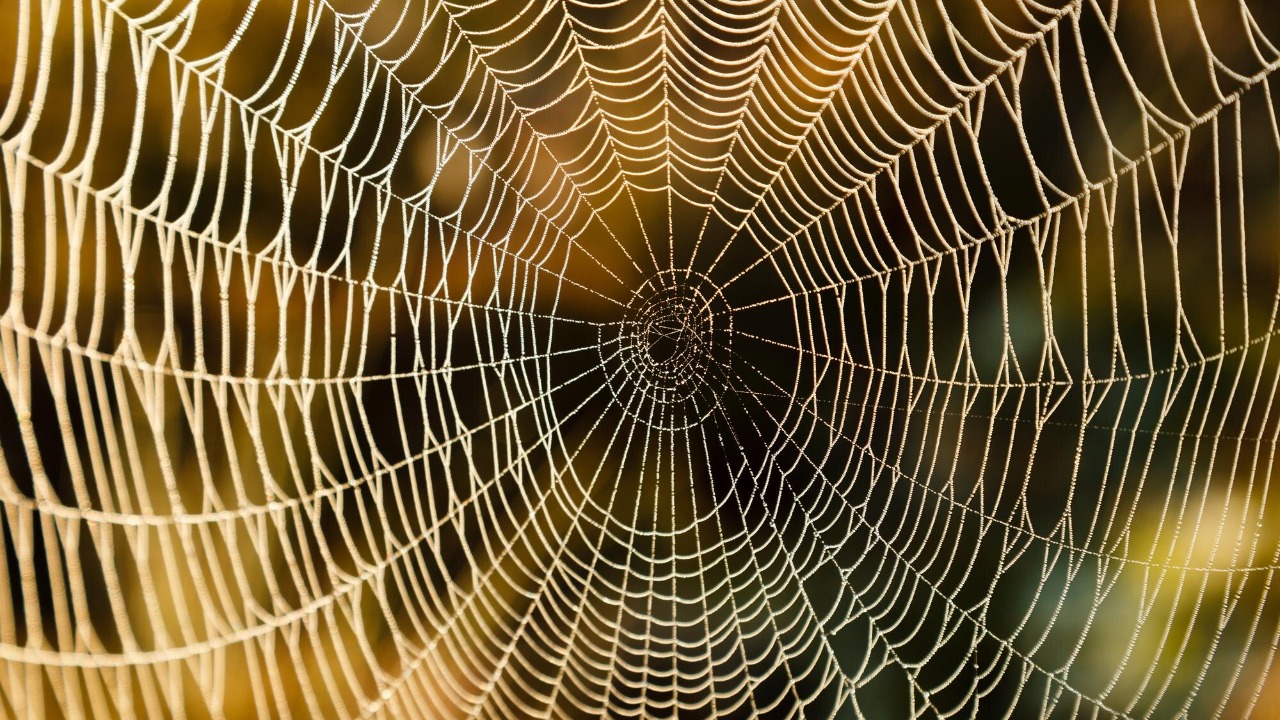
Reproducing the properties of spider silk in a lab is no easy task. The process of synthesizing spider silk requires a deep understanding of the proteins involved and their complex arrangement. Even with this knowledge, replicating the exact structure of spider silk has proven to be a significant challenge. However, advancements in bioengineering and molecular biology have made it possible to create synthetic spider silk that closely mimics the properties of its natural counterpart.
Recent breakthroughs have led to the development of methods to produce synthetic spider silk on an industrial scale. One such advancement involves genetically modifying bacteria to produce the necessary proteins. These proteins can then be spun into fibers, creating a material that closely resembles natural spider silk. This process, while complex, has the potential to revolutionize the production of high-strength materials. More about these breakthroughs can be found here.
Comparative Analysis: Synthetic Spider Silk vs. Steel
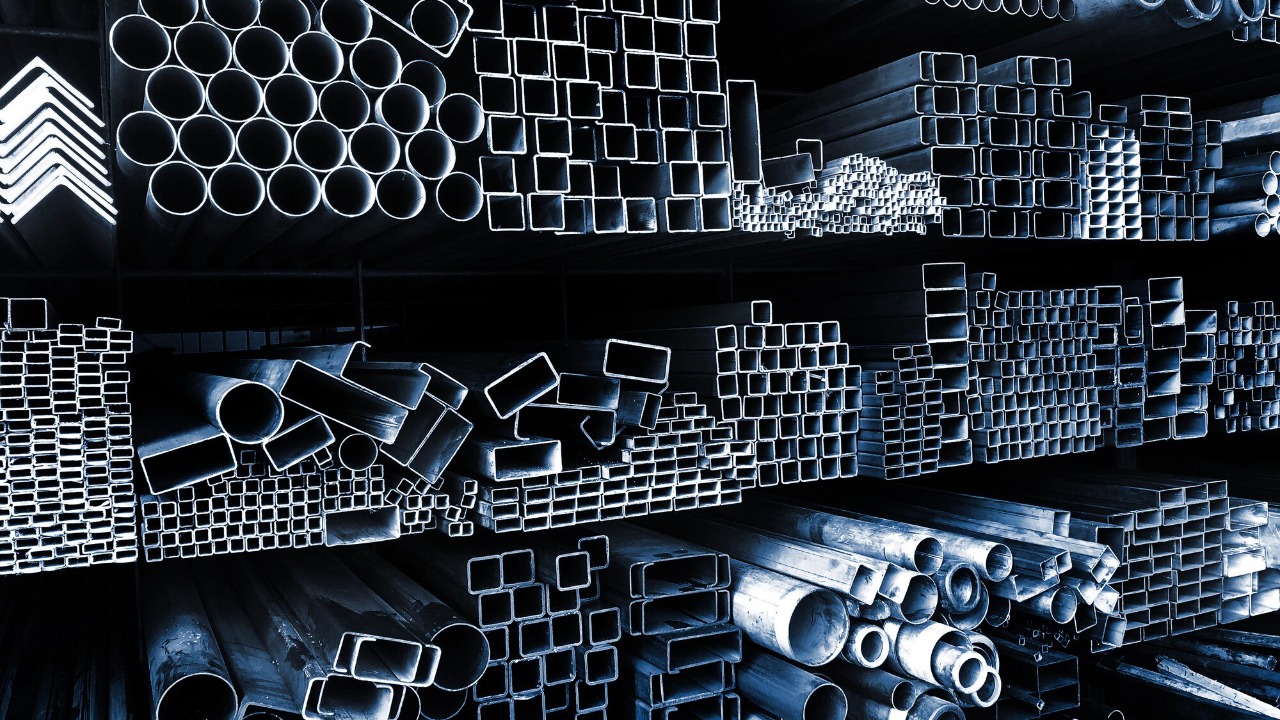
Tests comparing the strength, flexibility, and durability of synthetic spider silk and steel have yielded promising results. One study found that synthetic spider silk, despite being lighter, was capable of withstanding greater stress levels than steel before breaking. The synthetic silk also exhibited superior flexibility, being able to stretch to a greater degree than steel without losing its strength.
These results demonstrate the potential of synthetic spider silk as a high-performance material. The fact that it can outperform steel under certain conditions suggests that it could replace or enhance traditional materials in various applications. Further details of this comparative analysis can be read here.
Applications and Potential Uses of Synthetic Spider Silk
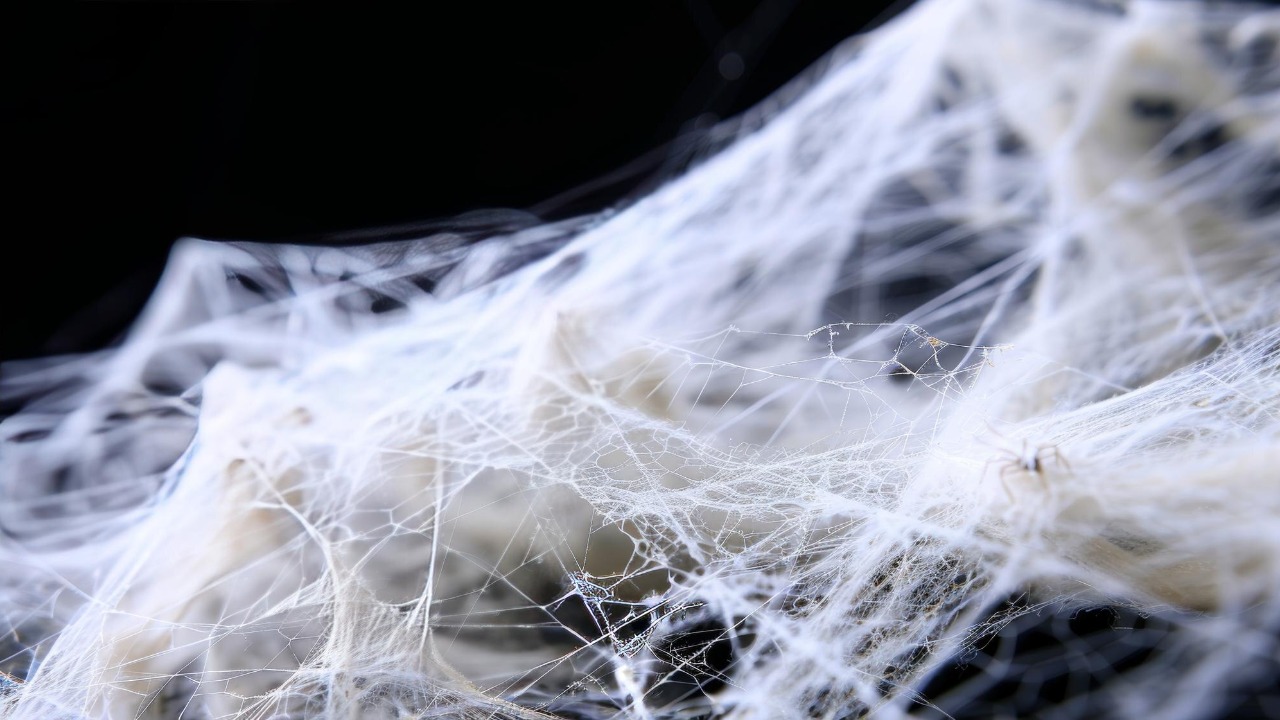
Synthetic spider silk has potential applications in a variety of sectors. In the medical field, for instance, its biodegradability and biocompatibility make it an ideal material for surgical sutures and tissue engineering. In the textile industry, apparel made from synthetic spider silk could offer unprecedented strength and flexibility. In the construction industry, it could be used in the manufacturing of lightweight but strong materials.
The superior strength and flexibility of synthetic spider silk could revolutionize these sectors, offering a sustainable and high-performance alternative to traditional materials. The potential of synthetic spider silk in different industries is explored further here.
Future Directions in Synthetic Spider Silk Research

Research into synthetic spider silk continues, with scientists working to perfect the synthesis process and explore new applications for this remarkable material. There are also ongoing efforts to improve the mechanical properties of synthetic spider silk, with the aim of making it even stronger and more durable.
Additionally, synthetic spider silk has potential environmental benefits. As a bio-based material, it could offer a more sustainable alternative to traditional materials like steel, which require significant energy to produce and can contribute to pollution. These and other future directions in synthetic spider silk research are discussed here.