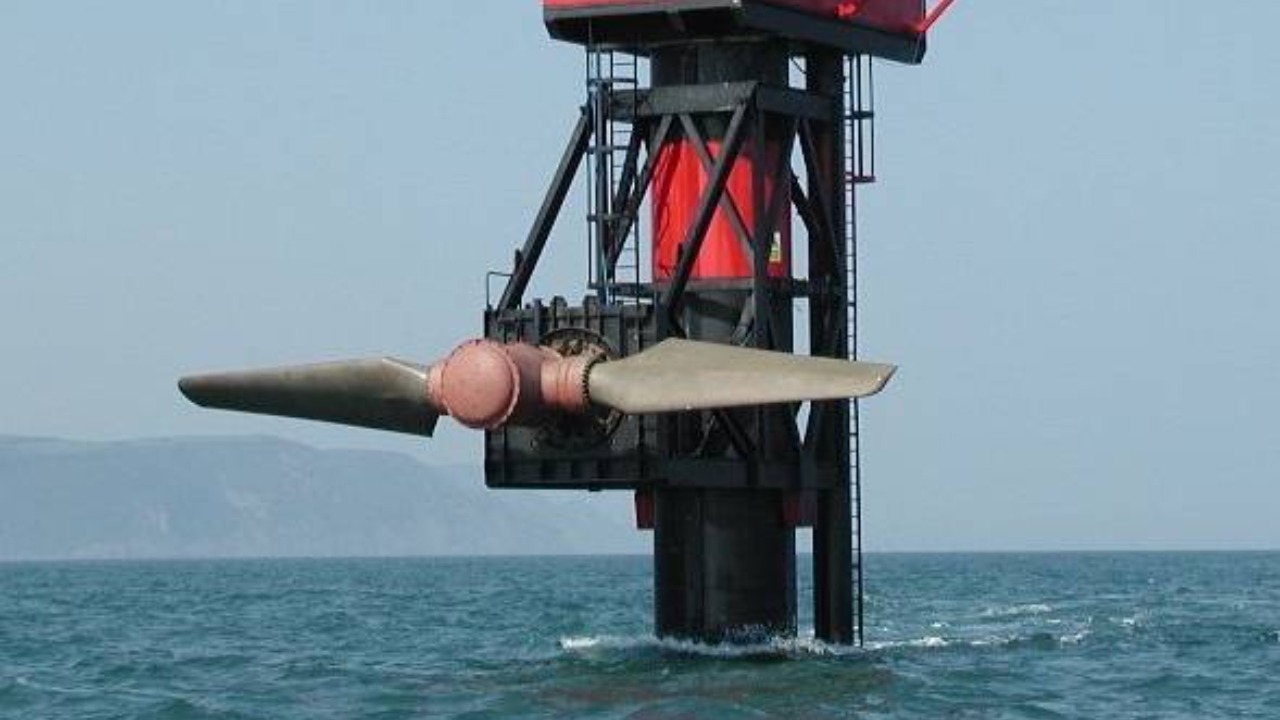

Emerging from the depths of the ocean, turbines are becoming a powerful player in the renewable energy sector. They harness the power of tidal energy, a force of nature that has the potential to provide us with an endless source of power. Let’s delve into the world of ocean turbines, the benefits and challenges they pose, and the future of this promising technology.
Understanding Tidal Energy and Ocean Turbines
Tidal energy is a form of hydropower that converts the energy obtained from tides into electricity or other forms of power. Ocean turbines play a crucial role in this process, capturing and converting the kinetic energy of moving water into usable energy. Similar to wind turbines, these structures have blades that are set in motion by the tides, generating power in the process.
While tidal energy is a part of the broader marine energy family, it’s important to distinguish it from its siblings, wave and ocean thermal energy. Unlike wave energy, which relies on the wind to generate waves, tidal energy is driven by the gravitational pull of the moon and the sun. Ocean thermal energy, on the other hand, exploits the temperature difference between the surface and deeper layers of the ocean. Learn more about these distinctions here.
Current Implementations of Tidal Energy

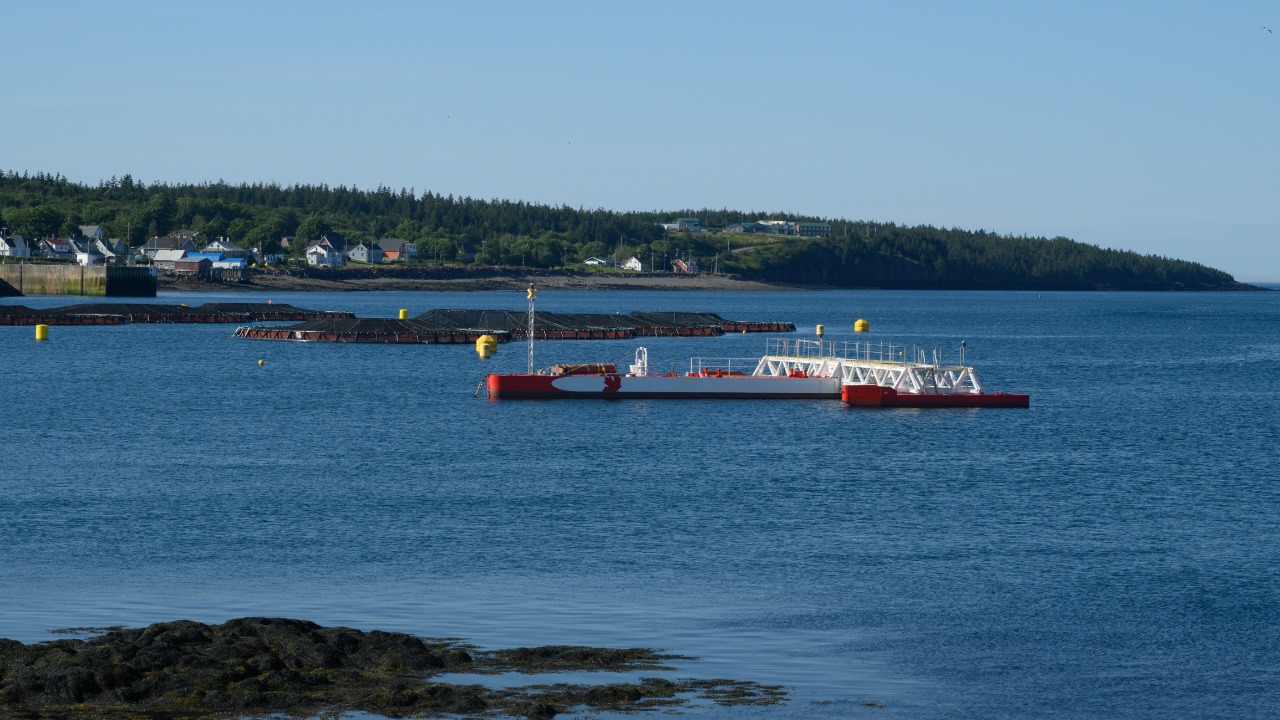
Several geographical areas are leading the way in implementing tidal energy. Notably, Discovery Island in Canada is home to a significant tidal power project. The community has embraced this form of renewable energy, providing an excellent example of how ocean turbines can power entire communities.
Beyond Discovery Island, there are other communities around the world that rely on tidal energy. For instance, in the San Juan Waters, a tidal energy project is currently under consideration. You can read about this project here. While these implementations are still in their early stages, they demonstrate the potential efficiency and reliability of tidal energy.
Benefits of Tidal Energy
One of the key advantages of tidal energy is its environmental friendliness. It produces zero greenhouse gas emissions, contributing to global efforts to mitigate climate change. Moreover, studies suggest that tidal energy installations have a minimal impact on marine life, further amplifying its ecological benefits. Check out this study for more insights on tidal energy and marine life.
Economically, tidal energy also holds significant potential. It can spur job creation in coastal communities, offering a sustainable and rewarding career path for many. Additionally, unlike other renewable energy sources like wind and solar, tidal energy is highly predictable and consistent, yielding stable power output and potentially lower costs in the long run.
Challenges and Limitations of Tidal Energy
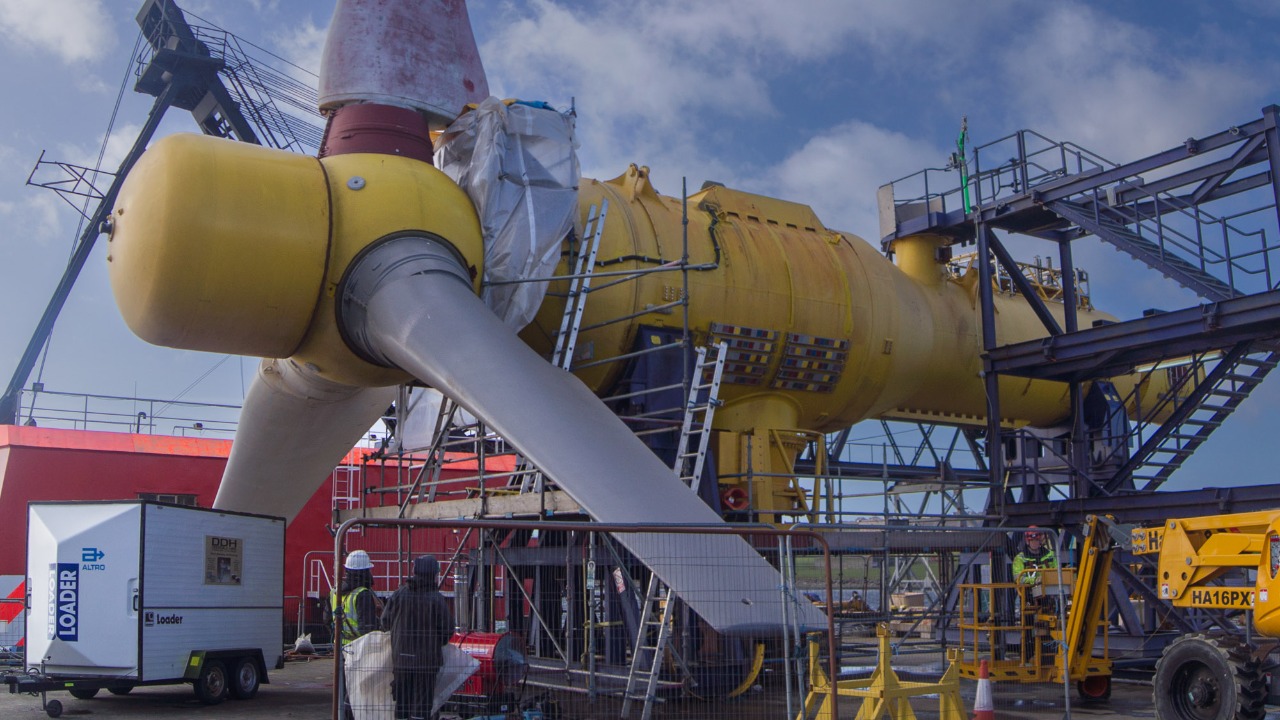
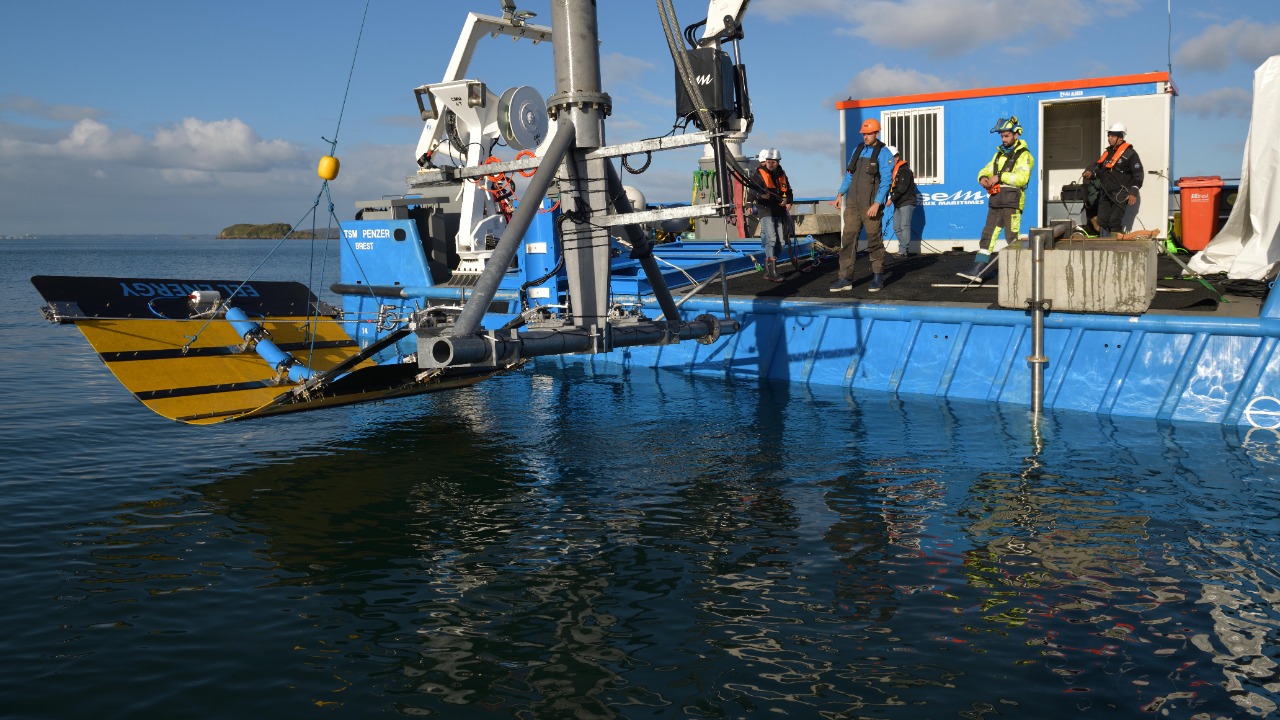
Despite its many benefits, tidal energy also faces certain challenges. The installation and maintenance of ocean turbines can be costly, making it a significant investment that may not be feasible for all communities. Moreover, the impact of tidal energy installations on marine ecosystems, while minimal, still warrants further study and monitoring.
A major limitation of tidal energy is its dependency on specific geographical conditions. Not all coastal areas experience tides strong enough to generate power, limiting the potential adoption of this technology. Further research and technological advancements may help overcome these barriers, making tidal energy a more accessible and widespread source of renewable energy.
The Future of Tidal Energy

The future of tidal energy looks promising, with ongoing research and development efforts aimed at improving the efficiency and affordability of this technology. Organizations worldwide are investing in new designs for ocean turbines and exploring alternative ways to harness tidal energy.
Policy and regulation also play a crucial role in the growth of tidal energy. Governments can support this budding industry through incentives, favorable regulations, and investments in research and development. With the right policies and continued technological advancements, tidal energy could become a major player in the global energy mix. Learn more about the future of tidal energy in this CNN article.