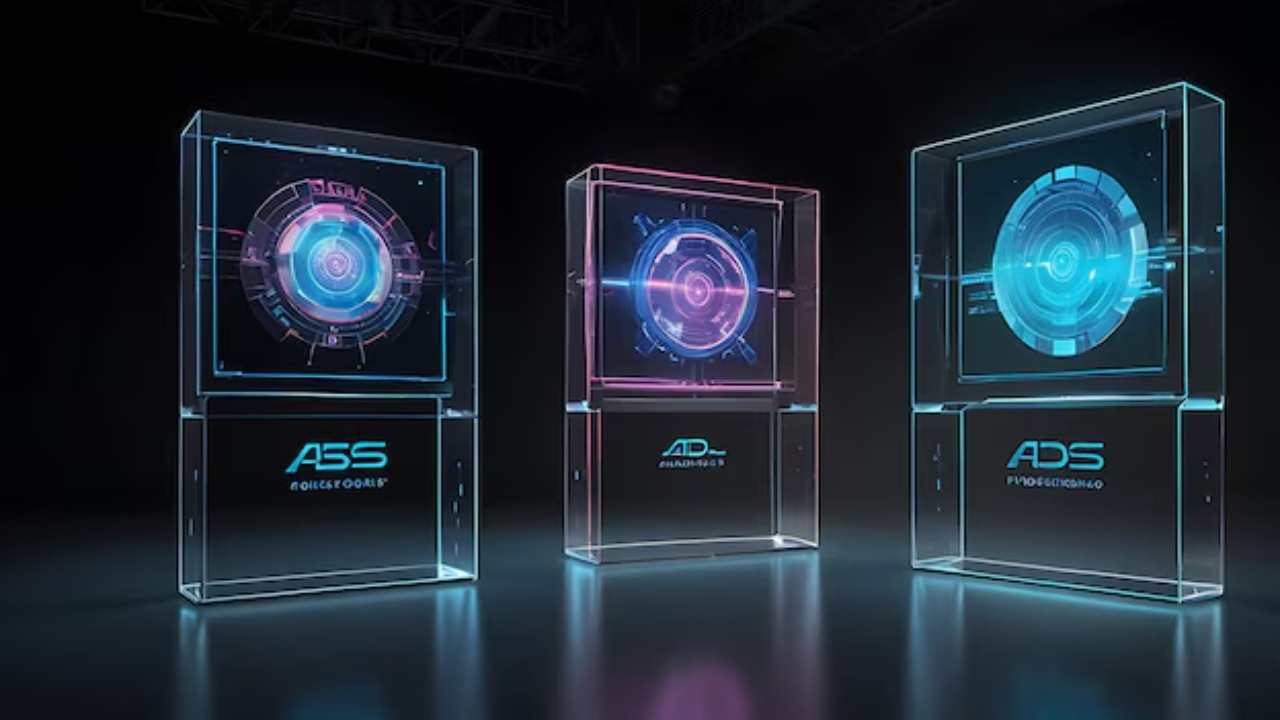

As we witness an era of rapid technological advancements, the traditional computer monitors that we’ve grown accustomed to are being replaced by holographic displays in an innovative tech trial. In this exploration, we delve into the inner workings of this promising technology, its applications across diverse fields, and the challenges it might face in the future.
Understanding Holographic Displays

Holographic displays are a step beyond 3D technology. They use light diffraction to create 3D images in space that may seem ‘real’ from different angles without the need for any special glasses or additional devices. This is in stark contrast to traditional monitors, which can only display 2D images.
To illustrate the differences, we can take a look at the schematic diagram from ResearchGate which clearly depicts the interactive holographic display system. This provides a comprehensive understanding of how holographic displays surpass traditional monitors in terms of interactivity and user experience.
The Technology Behind Holographic Displays
The technology that powers holographic displays is fascinating. It involves the use of lasers, lenses, mirrors, and a whole range of optical elements. Additionally, holographic displays are equipped with sensors to track a user’s position and adjust the hologram’s perspective accordingly.
According to a study from ACM Digital Library, recent advancements in technology have made holographic displays increasingly feasible. The development of smaller, more efficient lasers, improvements in sensor technology, and advancements in material science have all contributed to making this technology a reality.
Holographic Displays in Clinical Trials
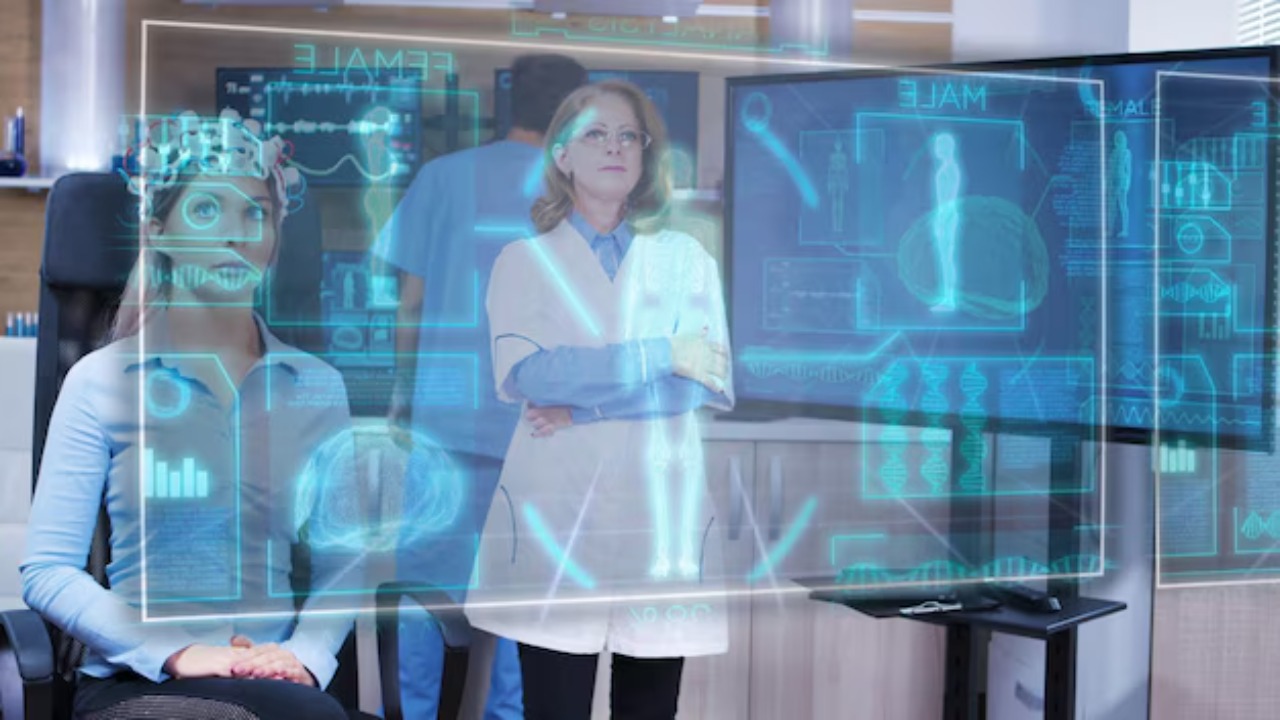
Holographic displays are not just limited to the tech industry; they are also finding applications in the healthcare sector. A prime example of this is their use in clinical trials, with the ClinicalTrials.gov providing detailed information on their application.
While the benefits of using holographic displays in clinical trials are numerous – including enhanced visualization and improved diagnostics – there are also some challenges. The high cost of the technology, potential technical glitches, and the need for extensive user training are some drawbacks that need to be addressed.
The Use Of Holographic Displays In Different Fields

Beyond healthcare, holographic displays are also making a mark in other industries. For instance, AV Interactive reported on the use of holographic displays in sign language booths, which shows the technology’s potential to revolutionize communication for the deaf community. You can read more about this innovative application on their website.
Moreover, holographic displays hold significant potential in areas like entertainment, advertising, architecture, and education. Imagine immersive movie experiences, interactive ads, 3D architectural models, and engaging educational content – all enabled by this innovative technology.
Future of Holographic Displays
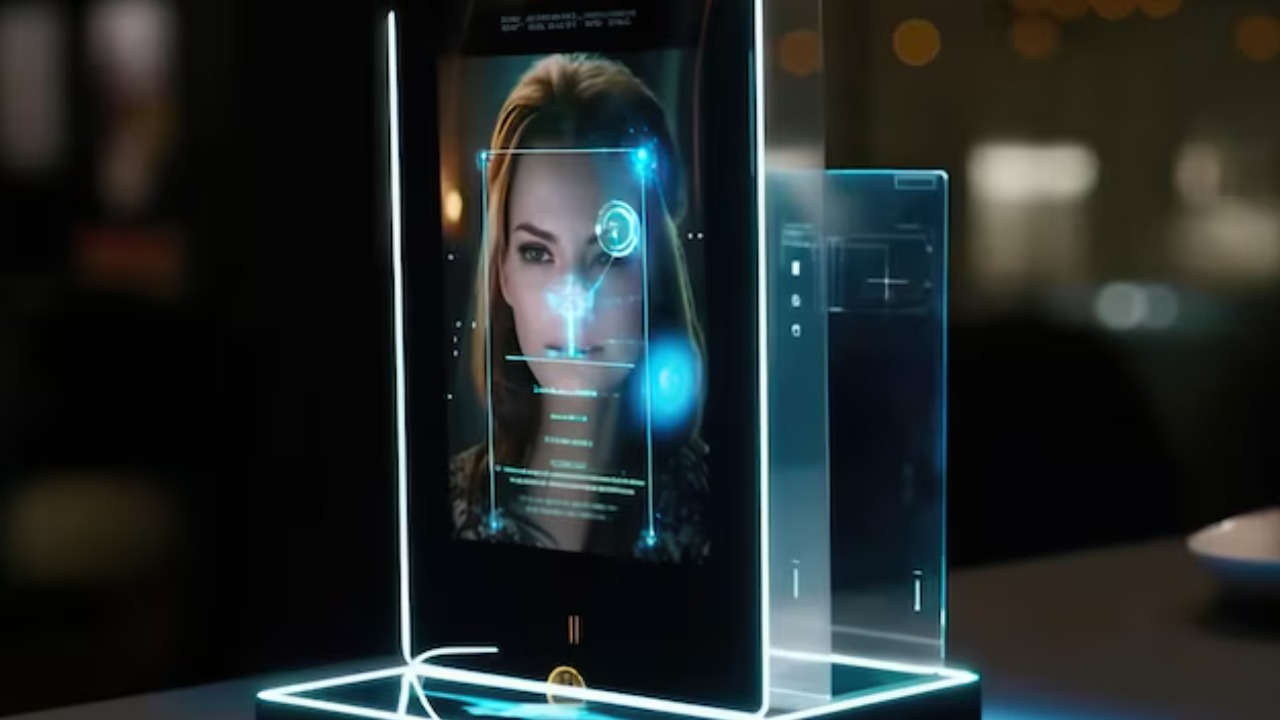
Looking ahead, the future of holographic displays seems promising, given the current advancements and trends in the tech industry. However, this doesn’t mean it’s without challenges. From issues around cost and energy efficiency to the need for widespread user acceptance, there are hurdles to overcome.
A study from IOP Science discusses potential solutions for these challenges, including the development of cost-effective production methods and energy-efficient components. As we move forward, it will be exciting to see how the industry tackles these issues and harnesses the full potential of holographic displays.