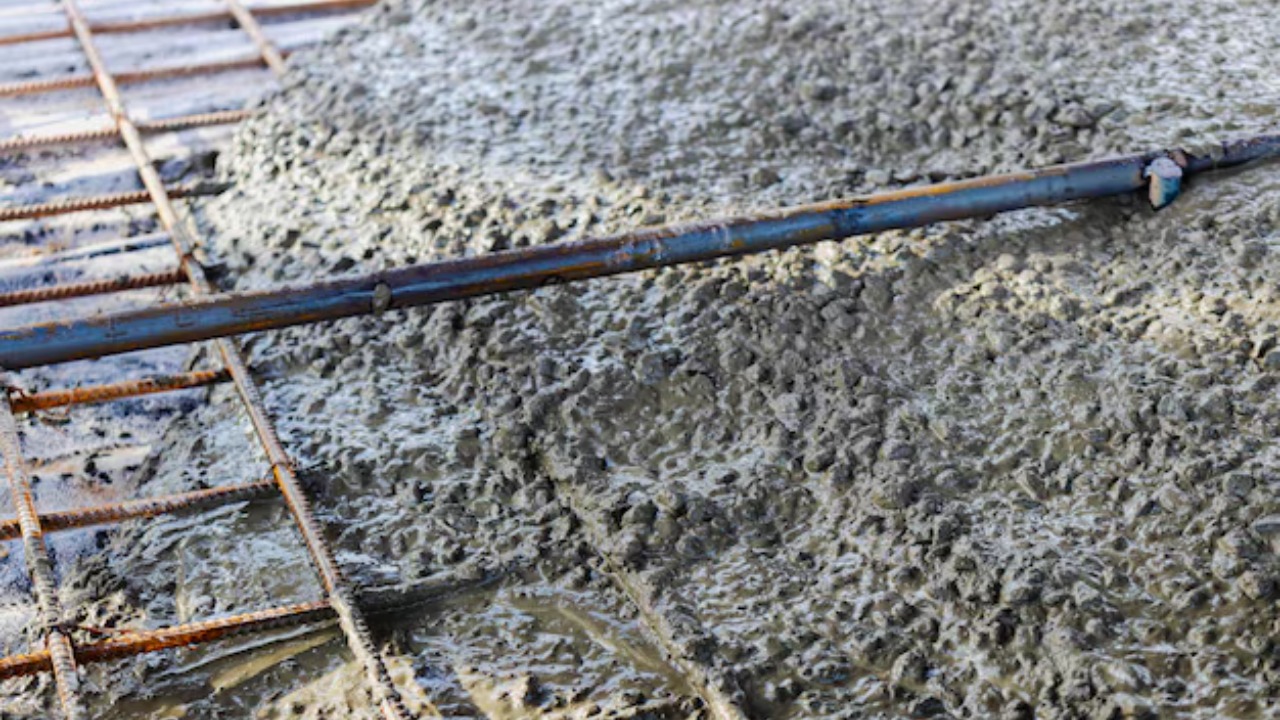

There’s a technological marvel on the horizon that promises to address the perennial issue of infrastructure degradation – Self-healing concrete. This groundbreaking material could mark the end of our rapidly decaying infrastructure by introducing a self-repair mechanism that essentially extends the lifespan of concrete structures.
Understanding Self-Healing Concrete
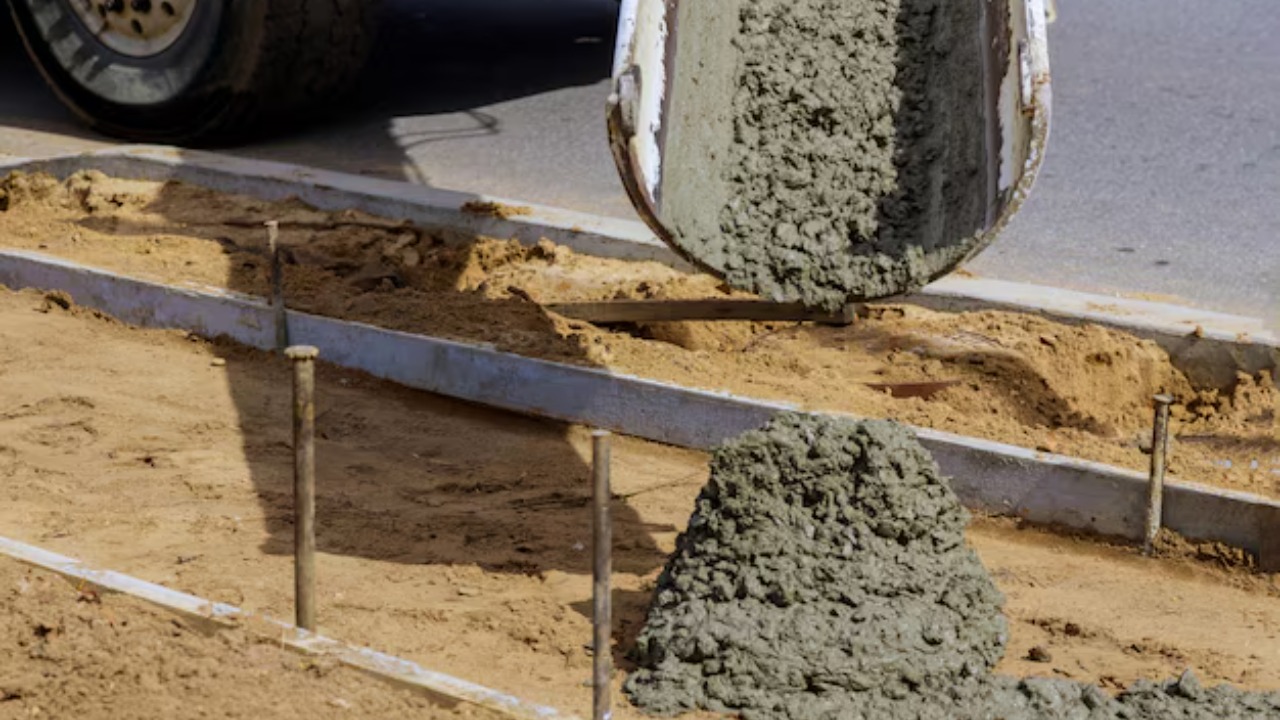
Self-healing concrete, as the name suggests, is a type of concrete that has the ability to repair its own cracks and fissures. This is made possible by the presence of a specific type of bacterium called Bacillus pseudofirmus or Sporosarcina pasteurii, embedded within the concrete. When the concrete cracks, these bacteria are exposed to air and water, and they begin to consume the calcium lactate present in the concrete, converting it into limestone, effectively sealing the cracks.
The research and studies done on self-healing concrete highlight its potential in revolutionizing the construction industry. Its unique self-repairing feature could significantly reduce maintenance costs and increase the durability of infrastructure, making it a promising solution for the future.
Analyzing the Advantages of Self-Healing Concrete

The primary advantage of self-healing concrete is its ability to prolong the lifespan of infrastructure. By healing its own cracks, the concrete prevents water and other harmful substances from infiltrating the structure, thereby enhancing its durability. Moreover, self-healing concrete could prove to be cost-effective in the long run. Although initial costs might be higher, the savings from reduced maintenance and repair costs over the years could outweigh the upfront investment.
Furthermore, self-healing concrete also offers environmental benefits. The production of traditional concrete contributes to a significant proportion of global CO2 emissions. However, thanks to the bio-based healing agent in self-healing concrete, this innovative material could help curb these emissions, making it a more sustainable choice for infrastructure projects.
Current Applications and Real-World Examples
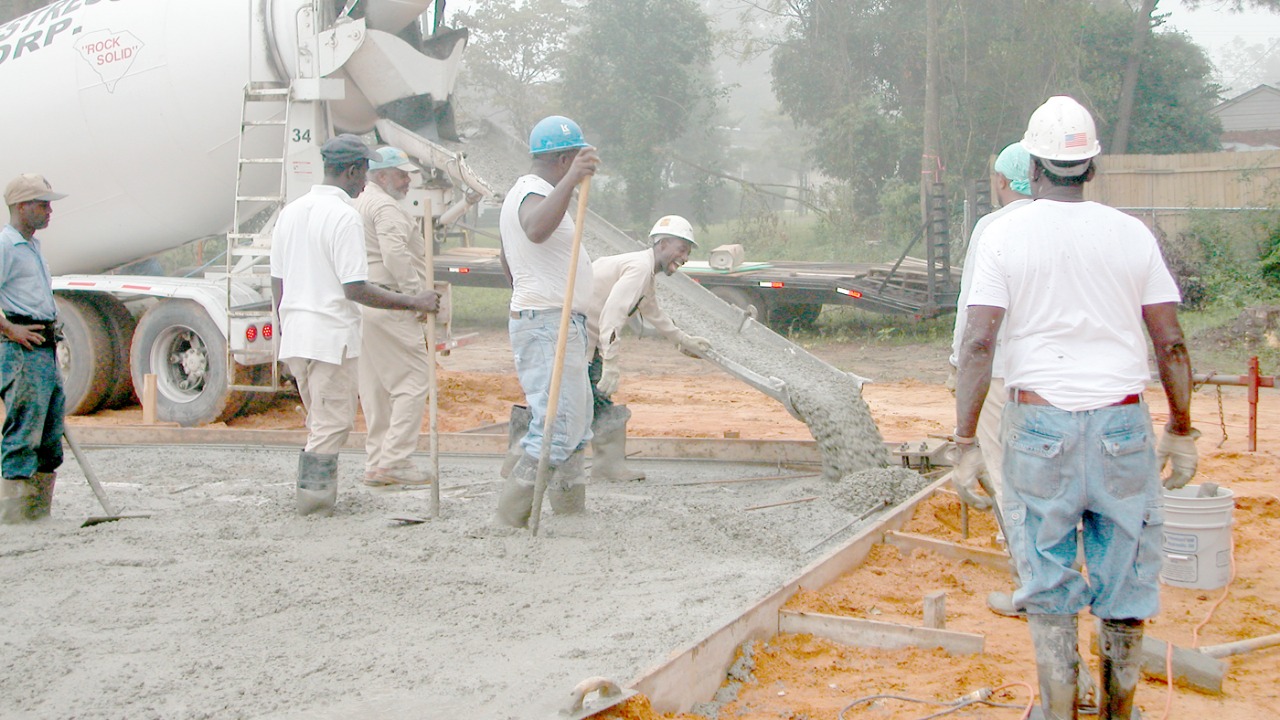
Self-healing concrete has already found applications in various sectors. For instance, the Hendrik Jonkers, a microbiologist from the Netherlands, has successfully used this technology in various projects, demonstrating its practicality and effectiveness. Moreover, a team of researchers at Cardiff University has conducted a six-year study on self-healing materials, including self-healing concrete, to evaluate their performance.
Different industries are starting to recognize the potential benefits of using self-healing concrete. From construction and civil engineering to road works and even marine applications, the variety of sectors that could benefit from this revolutionary material is vast.
The Challenges and Controversies Surrounding Self-Healing Concrete

Despite its promising benefits, there are concerns about the safety and reliability of self-healing concrete. Critics argue that the bacterial spores used in the concrete could pose a risk to human health. However, studies have shown that the types of bacteria used are non-pathogenic and are safe for human contact.
Another challenge is the mass production of self-healing concrete. The process of embedding bacteria and nutrients into the concrete without compromising its strength and durability is complex. Furthermore, there are potential risks associated with the use of self-healing concrete. For instance, the limestone produced by the bacteria could potentially cause discoloration or alter the concrete’s physical properties. This is a topic that has been explored in depth by Volume Concrete.
The Future of Self-Healing Concrete and Infrastructure
With ongoing research and advancements in technology, self-healing concrete has the potential to become a standard for future infrastructure. Its ability to self-repair could significantly reduce maintenance costs and increase the lifespan of structures, making it an attractive option for sustainable construction.
Furthermore, the widespread use of self-healing concrete could have a substantial global impact. It could contribute to the reduction of CO2 emissions from the construction industry, and help in building more resilient infrastructure that can withstand the test of time. This potential future is further discussed in this research paper published in the American Chemical Society’s Chemical Reviews.