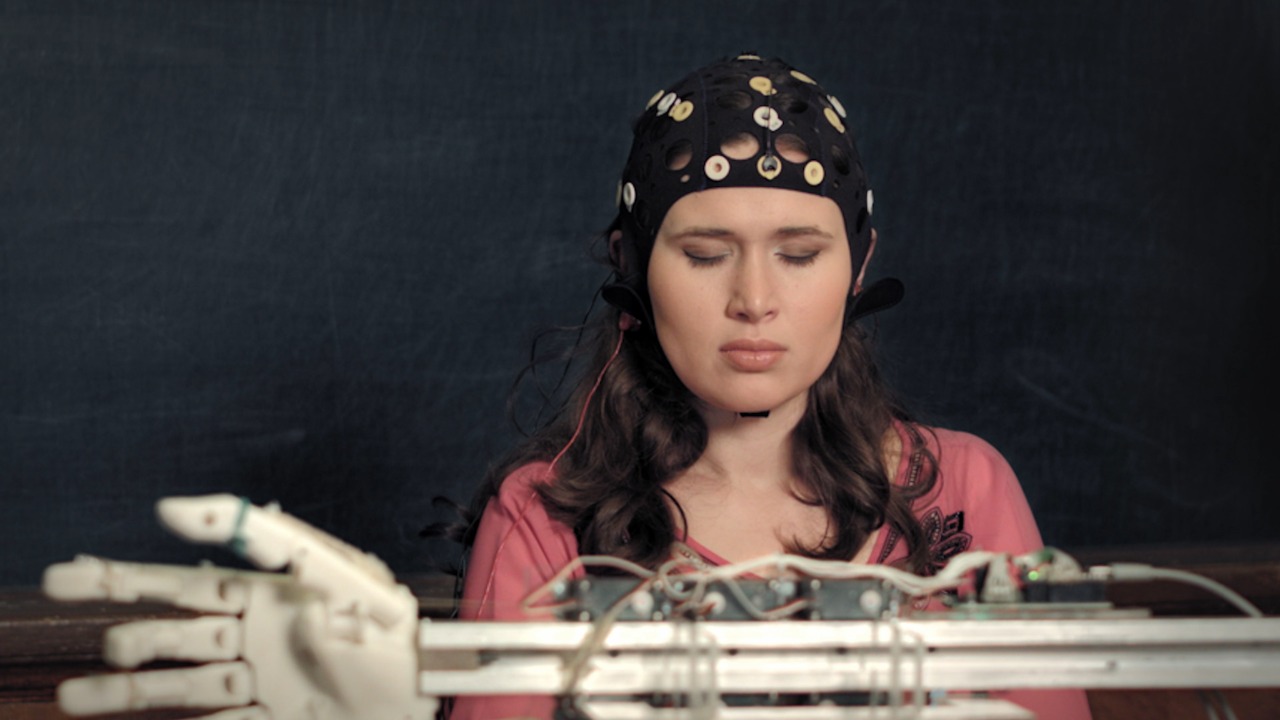

For individuals living with paralysis, the loss of physical abilities often leads to a stifling of creative expression. However, the advent of brain interface technology has created new opportunities for these individuals, enabling them to paint digitally and unlock a new world of creativity.
The Science Behind Brain Interface Technology
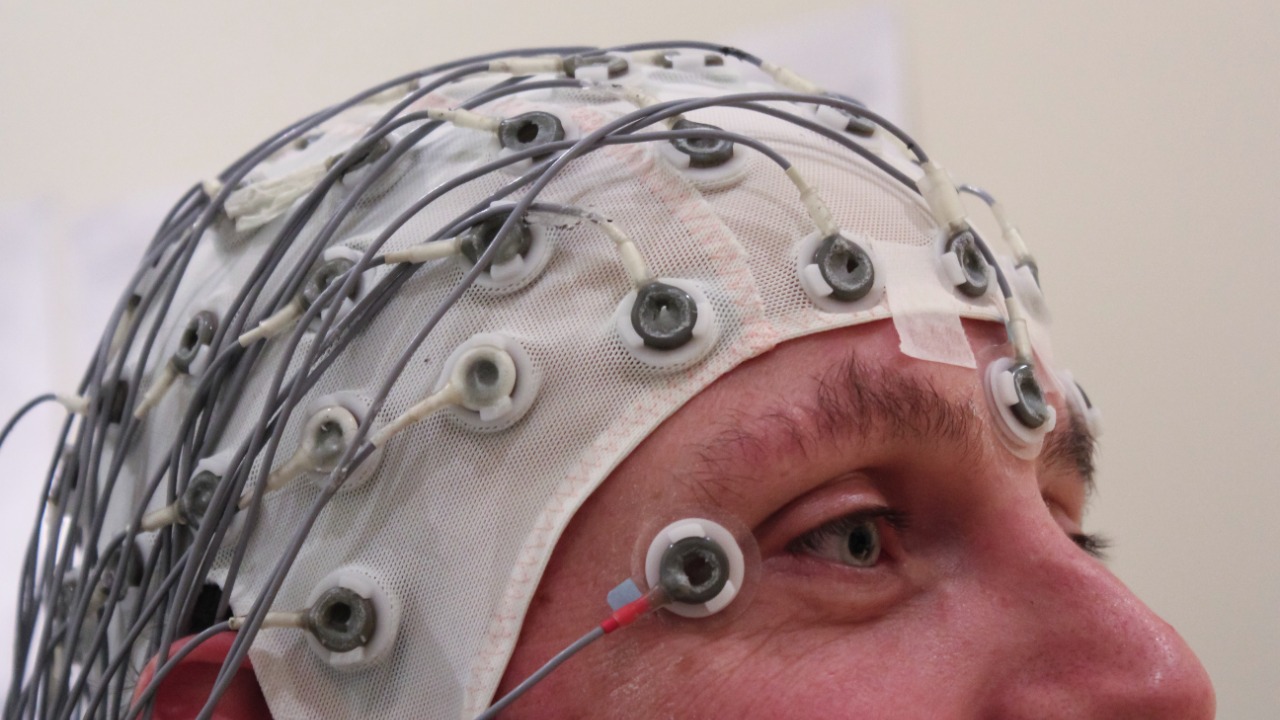
Brain interface technology, also known as brain-computer interface (BCI), is a groundbreaking advancement in neurotechnology that enables direct communication between the brain and an external device. This technology typically works by translating brain signals into commands that can control a device. For instance, the device can be programmed to respond to specific patterns of brain activity, such as those associated with the intention to move a hand or foot.
Neurotechnology has shown immense potential in assisting paralyzed patients, as seen in many research studies. From allowing patients to control prosthetic limbs to enabling them to operate wheelchairs using their thoughts, this technology is revolutionizing the way we think about paralysis and disability.
The Breakthrough: Brain Interface for Digital Painting
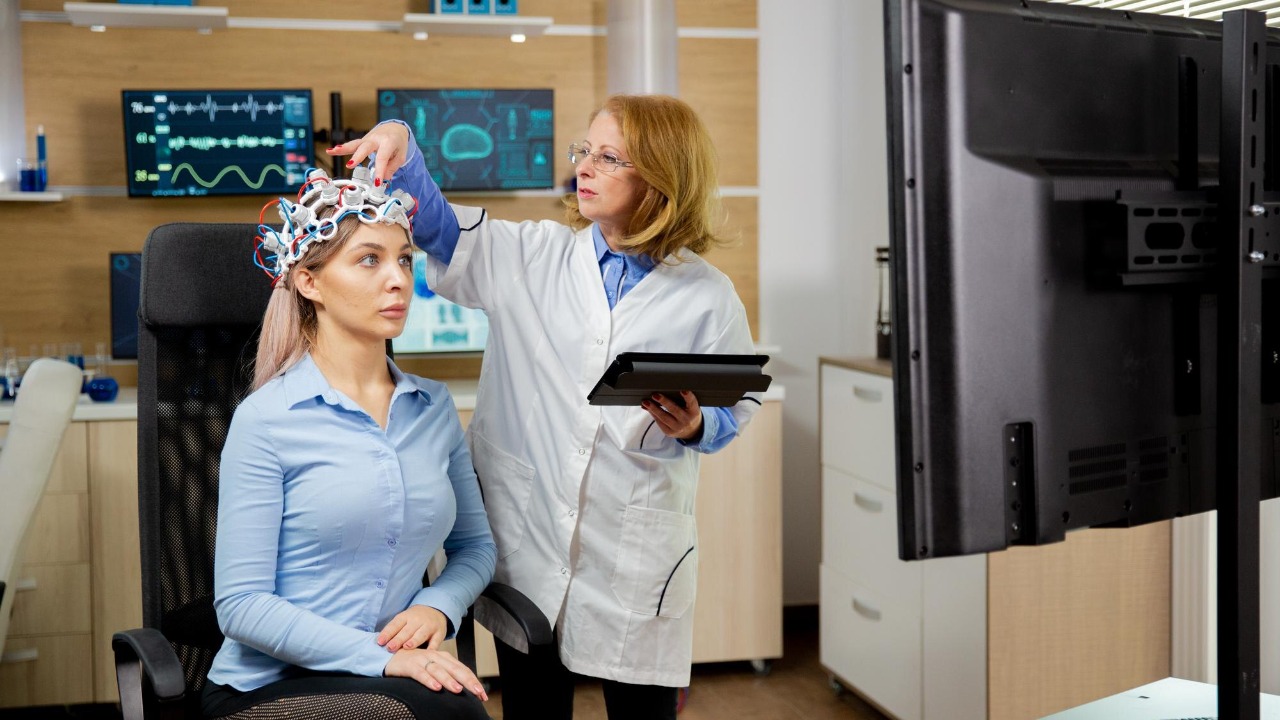
The application of brain interface technology in the realm of digital art is a remarkable development. A specialized brain interface system allows paralyzed patients to paint digitally. This technology uses electroencephalography (EEG) to capture brain signals, which are then translated into digital brush strokes on a computer screen.
The process of creating art using this interface is fascinating yet complex. When a patient thinks about making a certain stroke or choosing a particular color, the brain emits specific signals. These signals are captured by the EEG system and translated into corresponding actions in the digital painting software. This next-gen thought-cursor tech is a testament to the creative potential of brain interface technology.
The Impact on Paralyzed Patients

Several real-life examples highlight the transformative impact of this technology on paralyzed patients. For instance, a patient named Tom, who suffered a spinal cord injury, was able to create stunning digital art using the brain interface, despite his inability to move his limbs.
Aside from providing a means for creative expression, digital painting also offers therapeutic and emotional benefits for paralyzed patients. It allows them to engage with the world in a meaningful way, which can significantly improve their mental well-being. In fact, a study from the Springer Publication revealed that art therapy can reduce symptoms of depression and anxiety in people with physical disabilities.
Future of Brain Interface Technology

The future of brain interface technology in the field of digital art is promising. With continuous research and development, we can expect to see more advanced systems that can interpret a wider range of brain signals, allowing for more complex artistic expressions.
Beyond painting, brain interface technology could potentially enable paralyzed patients to perform other creative activities, such as digital sculpting or music composition. Moreover, this technology could also be used in other areas, such as communication and mobility. For example, a recent breakthrough saw a paralyzed man flying a drone using a brain-finger interface.
Challenges and Ethical Considerations

Despite its potential, brain interface technology is not without its challenges. Technical issues include the difficulty in accurately capturing and interpreting brain signals, and the need for invasive procedures for implanting electrodes. Moreover, the high cost of these systems can limit their accessibility.
There are also ethical considerations to bear in mind. The possibility of unauthorized access to a person’s brain signals raises concerns about privacy and security. Furthermore, the technology’s potential to enhance or alter cognitive or sensory functions brings up questions about the definition of normal human capabilities and whether it is ethical to exceed these limits.