
The cutting-edge technology of Quantum AI, a fusion of quantum computing and artificial intelligence, is demonstrating remarkable potential in predicting natural disasters. We delve into the workings of this technology and anticipate its future applications.
The Intersection of Quantum Computing and AI
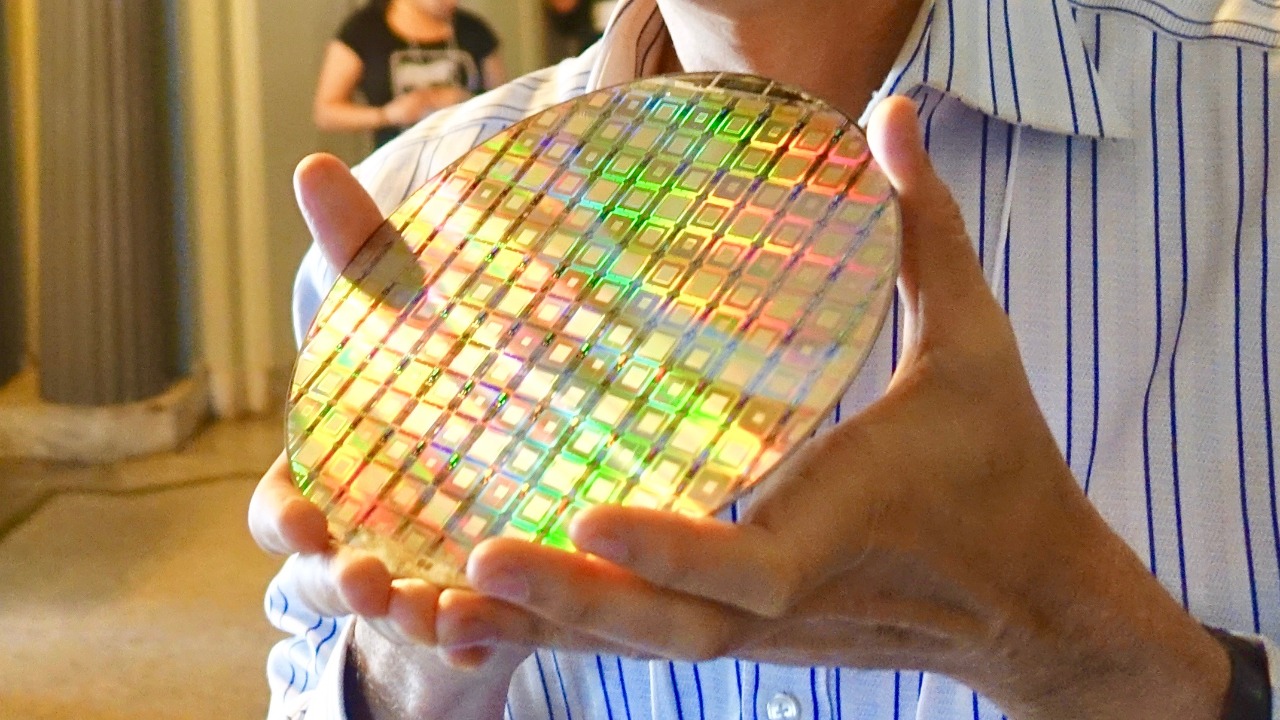
Quantum computing, a technology that uses the principles of quantum mechanics, drastically amplifies computing power. It allows us to process vast amounts of data at an incredibly high speed, far surpassing the capabilities of traditional computing.
On the other hand, Artificial Intelligence (AI) is a technology that simulates human intelligence processes by machines, especially computer systems. It has the capability to learn patterns, make decisions, and understand natural language, thus enabling the processing and analysis of large datasets.
When we discuss Quantum AI, we are talking about a blend of these two powerful technologies. Quantum AI is designed to leverage the exponential processing power of quantum computers and the data analysis capabilities of AI, creating a system that can make accurate predictions and solve complex problems with unprecedented speed and precision.
NASA and Planette’s Quantum Weather Prediction System
NASA’s collaboration with Planette, a leading tech company, has been a game-changer in the field of weather prediction. Planette’s Quantum Weather Prediction system is a perfect example of Quantum AI’s capabilities. This system can process and analyze vast amounts of meteorological data in real time, allowing for accurate weather predictions.
This technology significantly enhances NASA’s weather forecasting and disaster prediction efforts. By providing accurate and timely predictions, it allows for better disaster management and mitigation strategies, ultimately saving lives and resources.
Potential of Quantum AI in Natural Disaster Prediction
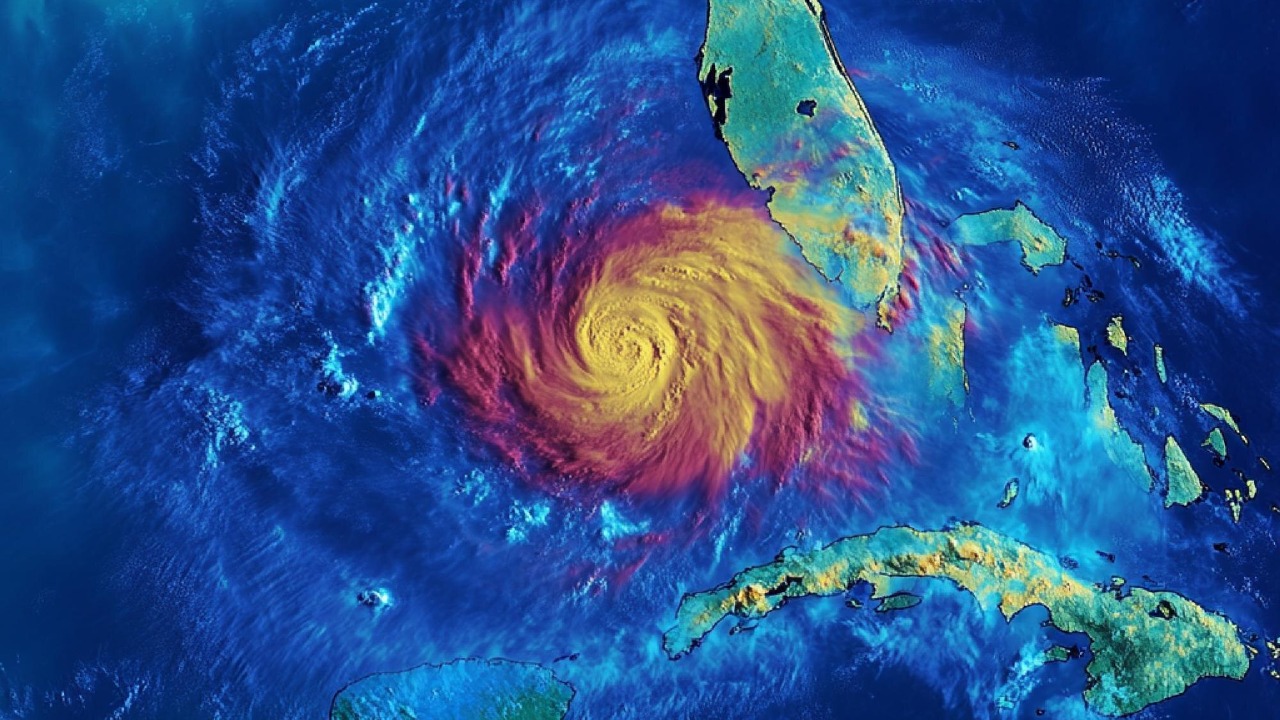
There are several case studies showcasing the use of Quantum AI in predicting various natural disasters. For instance, scientists have developed an AI that can predict weather conditions in just minutes, outperforming traditional methods. This AI weather prediction model has proven to be a superior tool in forecasting severe weather events.
Quantum AI significantly increases the speed and accuracy of these predictions. By processing and analyzing large sets of data instantaneously, Quantum AI can identify patterns that may indicate an impending disaster, allowing for more effective preventive measures. However, there are still challenges to overcome, such as ensuring consistent accuracy and dealing with the quantum computer’s susceptibility to environmental disturbances.
Quantum AI vs Traditional Weather Forecasting Methods
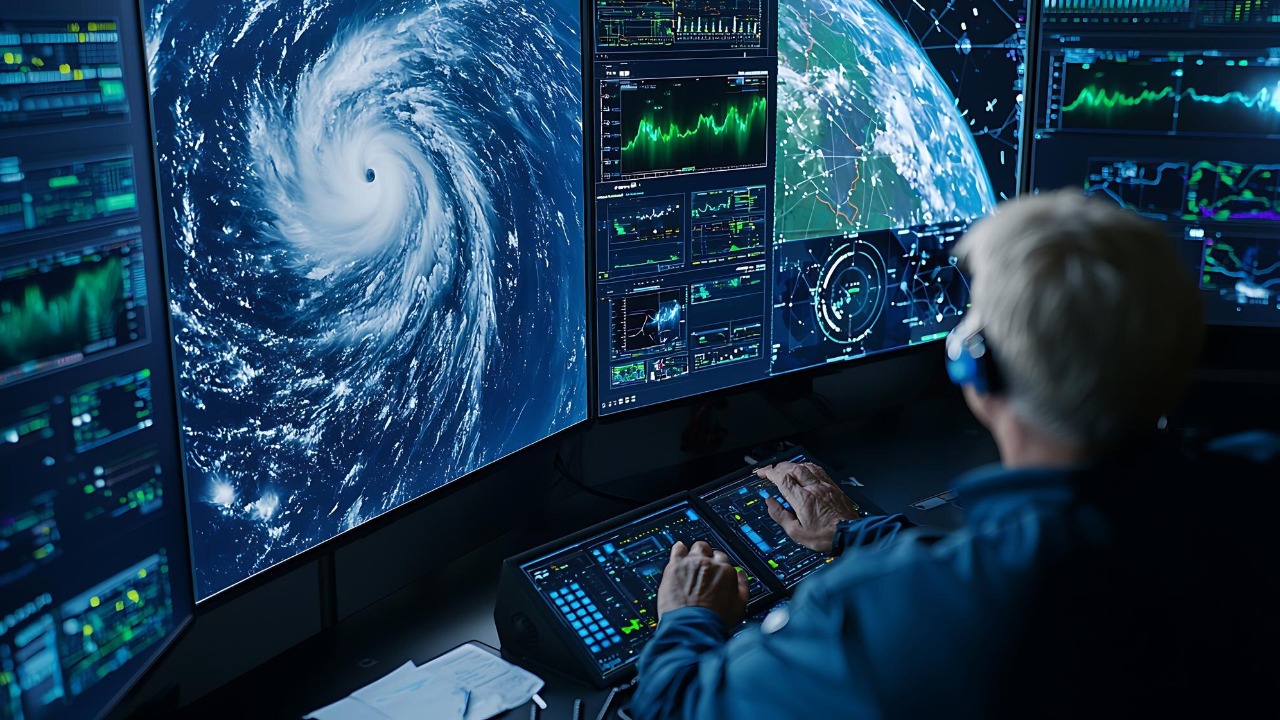
Compared to traditional weather forecasting methods, Quantum AI has numerous advantages. Traditional methods rely on statistical models that can take hours to process data and provide forecasts. Quantum AI, on the other hand, can process the same amount of data in mere seconds, providing more timely and accurate predictions.
Moreover, Quantum AI can overcome the limitations of traditional methods by handling complex calculations that are nearly impossible for conventional computers. The impact of Quantum AI on the future of weather forecasting cannot be overstated. Its ability to process vast amounts of data quickly and accurately will revolutionize how we predict and respond to natural disasters.
Looking Ahead: Quantum AI and Sustainability
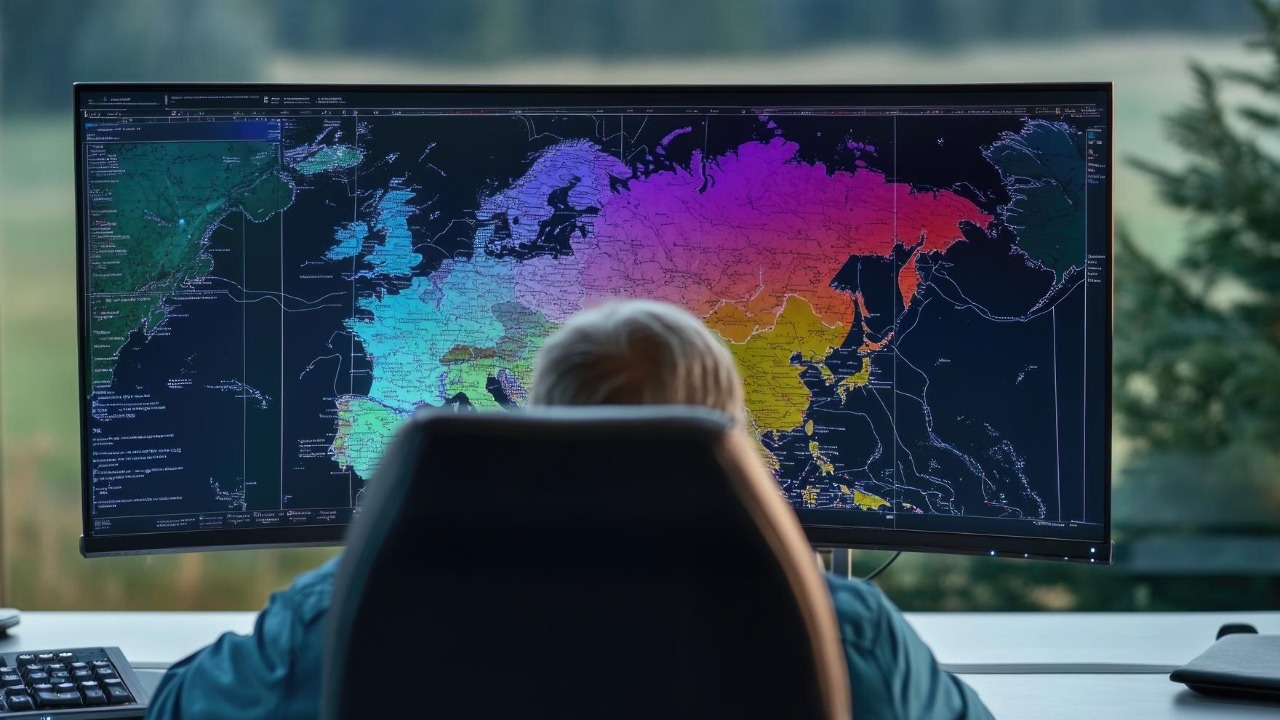
Quantum AI plays a crucial role in mitigating the effects of climate change. By accurately predicting weather patterns and natural disasters, we can better prepare for and respond to these events, reducing their impact on our environment and communities. Quantum AI holds the potential to significantly contribute to our sustainability goals.
Looking forward, we anticipate further advancements and applications of Quantum AI. As this technology continues to evolve, it will undoubtedly open up new possibilities for disaster prediction, climate research, and various other fields. Quantum AI is not just a technological innovation; it’s a tool that could potentially reshape our approach towards sustainability and disaster management.
