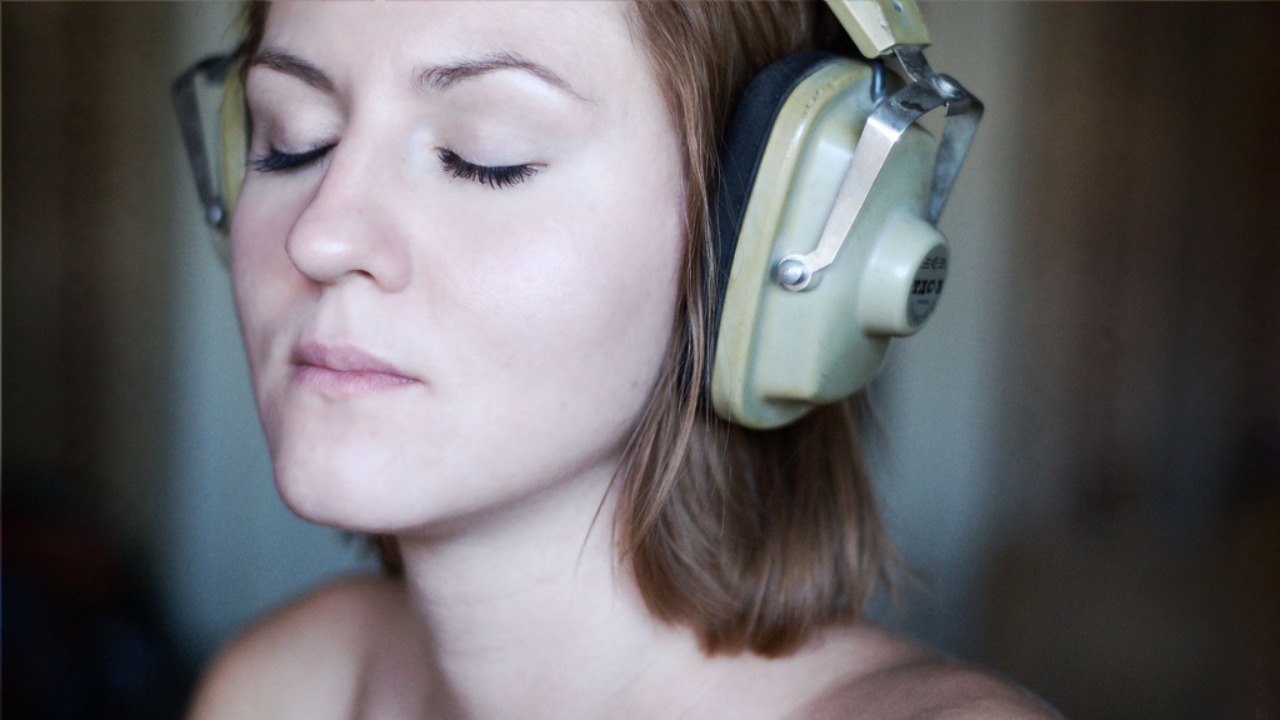

Recent research has unearthed an intriguing connection between music and brain health. Specifically, playing a musical instrument could potentially serve as a bulwark against cognitive decline. Let’s delve deeper into these fascinating findings and their implications for aging and brain health.
Understanding Cognitive Decline

Cognitive decline refers to a gradual decrease in cognitive function, which includes aspects like memory, attention, and problem-solving abilities. As we age, it’s normal to experience some level of cognitive decline. However, in some cases, this decline can be significant and potentially lead to conditions like dementia or Alzheimer’s disease. To learn more about cognitive decline and its effects on the brain, you can explore this article.
Various factors contribute to cognitive decline, including aging, underlying medical conditions, lifestyle choices, and certain genetic factors. Currently, strategies to slow down or prevent cognitive decline encompass a range of interventions, from pharmaceutical treatments to lifestyle modifications, including maintaining a healthy diet, regular physical exercise, and engaging in cognitively stimulating activities.
The Power of Music: Its Impact on Brain Health

The neuroscience of music is a burgeoning field of study that explores how music, including playing an instrument, affects the brain. Engaging in musical activities can stimulate various parts of the brain responsible for memory, motor control, timing, and language. In essence, playing an instrument can be likened to a full-body workout for the brain.
Several studies have corroborated the positive effects of music on brain health. For instance, neuroimaging studies have shown that musicians typically have larger brain regions associated with motor control and auditory processing. Additionally, playing an instrument can enhance cognitive functions such as attention, memory, and executive functions.
Research Findings: Playing an Instrument and Cognitive Decline
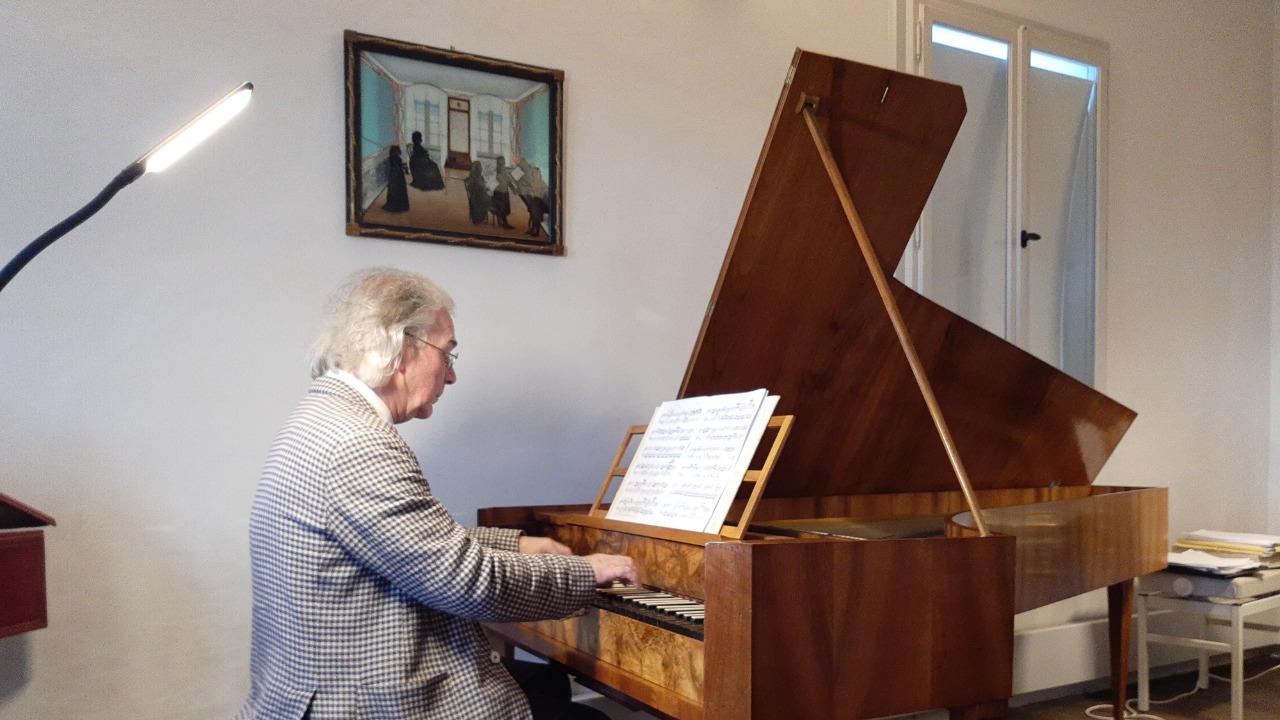
A recent study suggests that playing an instrument can shield the brain from cognitive decline. The study found that older adults who regularly played an instrument displayed superior cognitive function compared to those who didn’t. Specifically, these individuals exhibited better memory, attention, and problem-solving abilities.
The protective effect of playing an instrument on brain health might be attributed to the cognitive and sensorimotor demands of playing an instrument. Playing an instrument requires a complex interplay of various cognitive functions, including attention, memory, and executive functions, which might contribute to cognitive reserve and resilience against cognitive decline. For a more in-depth look at the study and its findings, see this article.
Implications for Aging and Brain Health

The potential role of music in age-related cognitive decline and dementia is gaining increased recognition. Music therapy, which involves listening to or creating music, is emerging as a promising non-pharmacological intervention for cognitive decline. Music therapy can stimulate cognitive functions and potentially slow down cognitive decline in individuals with dementia.
Incorporating music into daily routines and lifestyle can also promote overall brain health. Simple activities such as singing along to a song, tapping to the rhythm, or playing a musical instrument can activate different parts of the brain and enhance cognitive function.
Further Research and Application

While the preliminary research findings are promising, more comprehensive research is needed to validate these findings and explore the precise mechanisms underlying the protective effects of playing an instrument on brain health. Future studies might also examine the potential benefits of different types of instruments and the optimal duration and frequency of playing to maximize cognitive benefits.
Furthermore, these findings could have significant implications for cognitive therapy and rehabilitation. Integrating playing an instrument into therapy sessions might enhance cognitive rehabilitation outcomes. Finally, it’s crucial to raise public awareness about the cognitive benefits of playing an instrument, thereby encouraging more people to engage in this beneficial activity. For further reading on the subject, you might find this research paper enlightening.