

Recent scientific studies have unearthed a significant fact about our brains: they tend to heal most fruitfully in complete darkness. Let’s delve into exploring the reasons behind this intriguing phenomenon, its implications on our health, and ways to harness this information for our benefit.
The Science Behind the Darkness and Brain Healing Connection
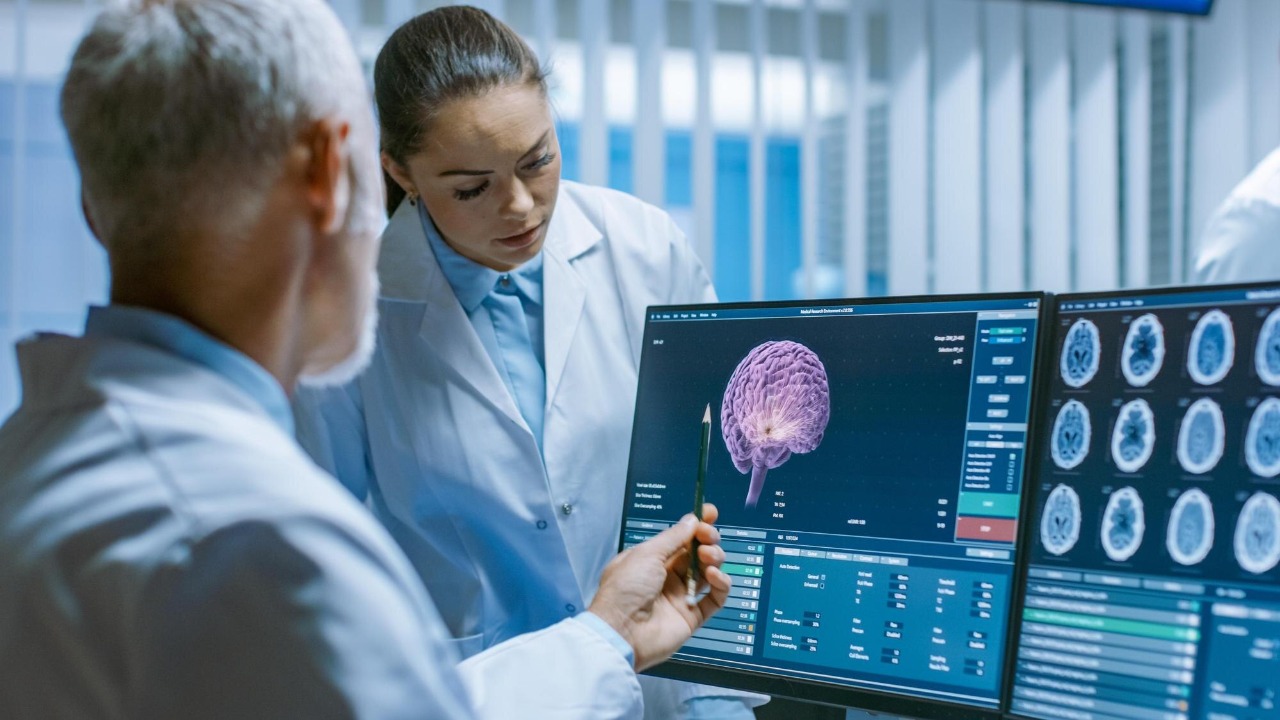
Research has been instrumental in unveiling the connection between darkness and enhanced brain healing. One such study is mentioned in Mental Health Awareness Malta, where darkness is linked to a more efficient healing process in the brain. The biological processes involved are intriguing and involve light sensitivity of various brain cells that control our body’s internal clock or circadian rhythm.
Our circadian rhythm, which regulates our sleep-wake cycle, plays a pivotal role in this process. It is greatly influenced by light exposure. During darkness, the brain produces melatonin, a hormone that regulates sleep patterns and promotes healing and regeneration in the brain. The suppression of melatonin due to excessive exposure to light can potentially disrupt this healing process.
Implications for Mental and Physical Health

This discovery could have significant implications for mental health. The brain plays a crucial role in managing mood and cognition. Therefore, any factor that enhances its healing process, such as darkness, is likely to have a positive impact on mental health. For instance, improved brain health could potentially reduce the risk of mental health disorders such as depression and anxiety.
Moreover, the potential impact on physical health cannot be overlooked. Proper sleep and recovery from injuries or illnesses are largely dependent on the brain’s health. Improved sleep quality, facilitated by a dark environment, directly contributes to the brain’s enhanced healing process. Therefore, ensuring adequate darkness could potentially help in quicker recovery from physical ailments and improved overall health.
Practical Applications: How to Maximize Brain Healing

Given the importance of darkness in brain healing, it is crucial to find practical ways to ensure that we are getting enough of it. One such method could be the use of blackout curtains or eye masks. These can effectively block out external light, thereby facilitating the production of melatonin and promoting brain healing.
Another potential avenue to explore is the concept of “dark therapy”. Reducing light exposure in the evening can significantly enhance brain health. Furthermore, maintaining a regular sleep schedule and minimizing exposure to artificial light at night is equally important. The BBC article provides some useful tips on this.
Challenges and Controversies

While the benefits of darkness for brain health are clear, there are also potential challenges and controversies to consider. Societal norms around light exposure, especially in urban environments, can pose a barrier. Safety concerns also need to be taken into account, as complete darkness can increase the risk of accidents.
Moreover, within the scientific community, debates continue about the extent to which darkness affects brain healing. Some argue that while darkness is beneficial, it is not the only factor influencing brain health. More research may be needed in this area to reach a definitive conclusion.
Other Interesting Scientific Finds About Brain Health

In addition to the darkness-brain healing connection, science has revealed several other interesting facts about brain health. A BBC article discusses the link between chocolate and brain health, suggesting that moderate consumption of chocolate can have neuroprotective effects.
An extraordinary case study is the potential benefits of camel tears in combating snake venom, as found in research highlighted by the Times of India. While not directly related to brain healing, this example showcases the fascinating world of scientific research in brain health.
There are undoubtedly more surprising and counterintuitive discoveries to be made about brain health. As we continue to learn more about the complexities of the human brain, we can better understand how to enhance its healing processes and overall health.