

As dementia cases rise around the globe, compelling evidence has emerged suggesting that our daily lifestyle choices can have a profound impact on our risk of developing this condition. Through specific daily habits and lifestyle modifications, we have the power to reduce our dementia risk by almost half.
Understanding Dementia and its Impact
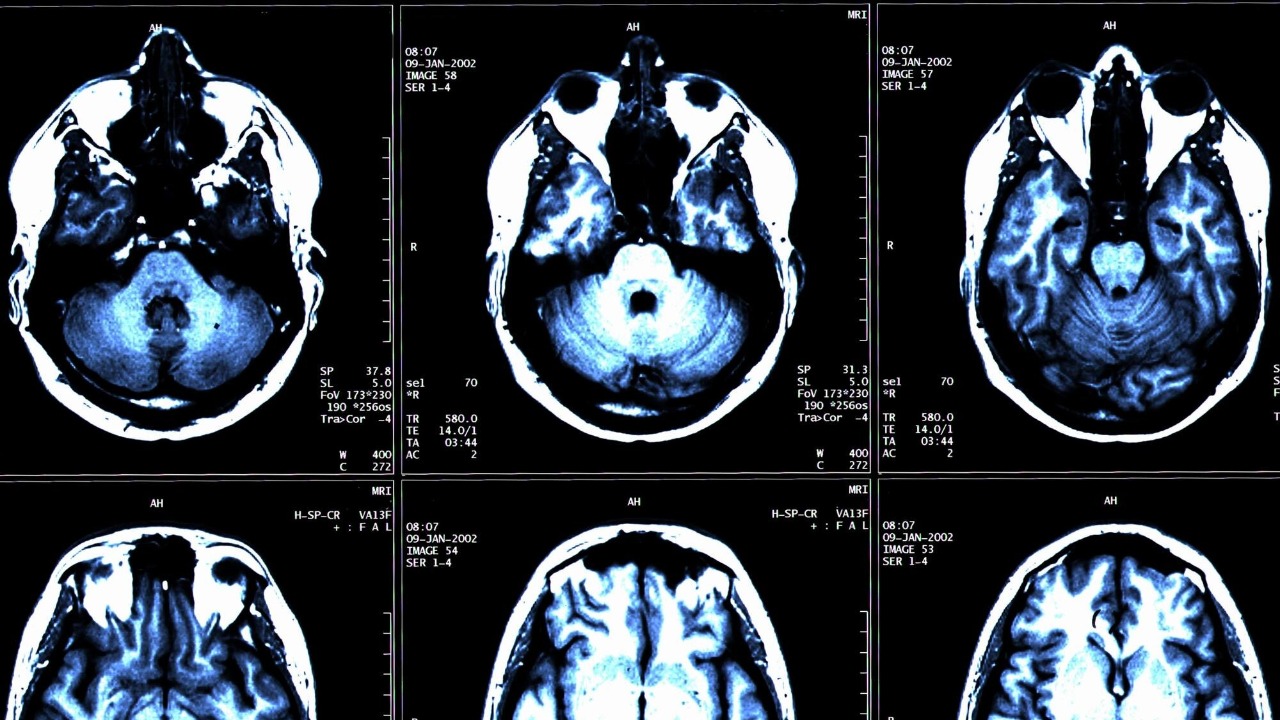
Dementia is a general term for a decline in mental ability severe enough to interfere with daily life. It’s not a specific disease, but a broad category encompassing a range of conditions, including Alzheimer’s disease and vascular dementia. These conditions affect memory, thinking, and social abilities to a degree that hinders a person’s ability to function independently.
According to the World Health Organization, around 50 million people worldwide have dementia, and nearly 10 million new cases emerge each year. This number is expected to triple by 2050, making dementia one of the most significant health crises of our time. Beyond the devastating emotional impact on patients and their families, dementia also carries a substantial financial burden, with the global cost estimated to be around $1 trillion annually.
The Influence of Lifestyle Choices on Dementia Risk

Recent research has shown that our daily habits and lifestyle choices can significantly influence our brain health and, consequently, our risk of developing dementia. These factors range from physical activity levels and dietary choices to mental engagement and social interaction.
One study, discussed in this book, found that individuals who led physically active lifestyles had a significantly lower risk of dementia compared to those who were sedentary. This supports the “use it or lose it” philosophy in brain health, suggesting that regular mental and physical exercise can keep our brains sharp and healthy as we age.
Key Daily Habits that Reduce Dementia Risk

Physical activity is key in maintaining brain health. Regular exercise increases blood flow to the brain, improving cognitive function and slowing down mental decline. Even simple activities like walking can have a positive impact.
The role of diet cannot be understated either. A balanced diet rich in fruits, vegetables, lean proteins, and healthy fats can provide the nutrients necessary for brain health. Specifically, omega-3 fatty acids found in fish, antioxidants found in berries, and B vitamins found in whole grains have all been linked to reduced dementia risk in various studies.
Equally important is mental and social engagement. Regularly challenging your brain with mentally stimulating activities, such as reading or puzzles, and maintaining strong social connections can help stave off dementia. In fact, a study cited in this book found that individuals who regularly engaged in social activities had a lower risk of dementia.
Additional Protective Measures Against Dementia

While diet, exercise, and mental engagement are crucial, there are other protective measures one can adopt. One such measure is the use of supplements. Regular intake of vitamin C, for example, has been linked to a reduced risk of dementia, as discussed in this article.
Regular health check-ups are also essential for early detection of dementia risk factors, such as high blood pressure and diabetes. Moreover, managing stress through practices such as meditation, yoga, or mindfulness can help maintain brain health and reduce dementia risk.
Making the Change: Tips for Incorporating Healthy Habits into Daily Life

Integrating these protective measures into your life doesn’t have to be daunting. For increasing physical activity, consider simple changes like taking the stairs instead of the elevator, or parking further away to walk more. Try incorporating more brain-healthy foods into your meals, such as salmon for omega-3 fatty acids, or blueberries for their antioxidant properties.
Staying mentally and socially active can be as simple as taking up a new hobby, joining a book club, or volunteering in your community. Lastly, remember the importance of regular check-ups and stress management. A proactive approach to your health can make all the difference in reducing your risk of dementia.