

Recent scientific studies have brought to light an intriguing correlation between late-night snacking and the incidence of bad dreams. This article delves into the specifics of this uncanny phenomenon, examining the types of foods most commonly associated with nightmares and exploring why our bodies may react this way.
The Research Behind the Phenomenon
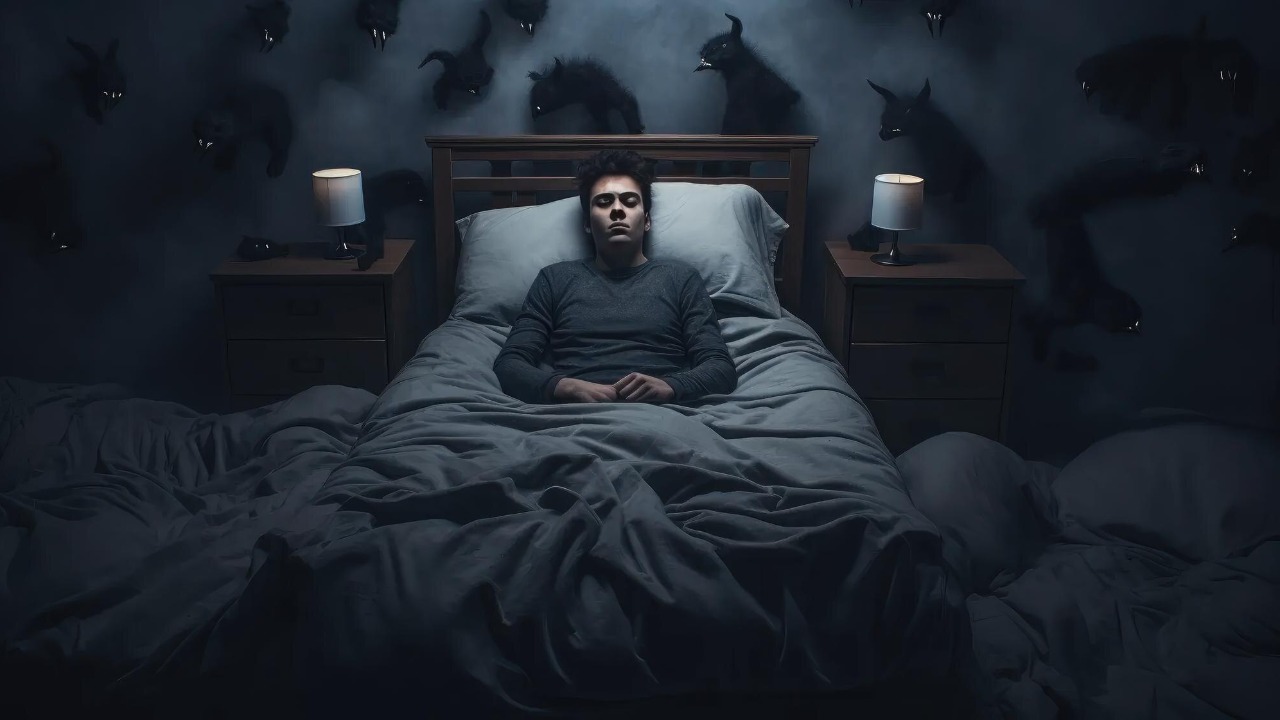
Over the past few years, a series of studies have shed light on the association between late-night snacking and nightmares. These studies, conducted using large sample sizes and robust research methodologies, have consistently pointed towards a spooky connection. The most notable of these studies was published on ScienceDaily, which provided comprehensive data on this startling discovery.
While there’s general agreement about the existence of this link, the strength of the correlation varies across studies. However, the overall reliability of the findings is quite high, indicating a consistent pattern. This consistency lends credibility to the connection, further reinforcing the need to understand the underlying mechanisms.
Types of Foods Most Commonly Linked to Nightmares
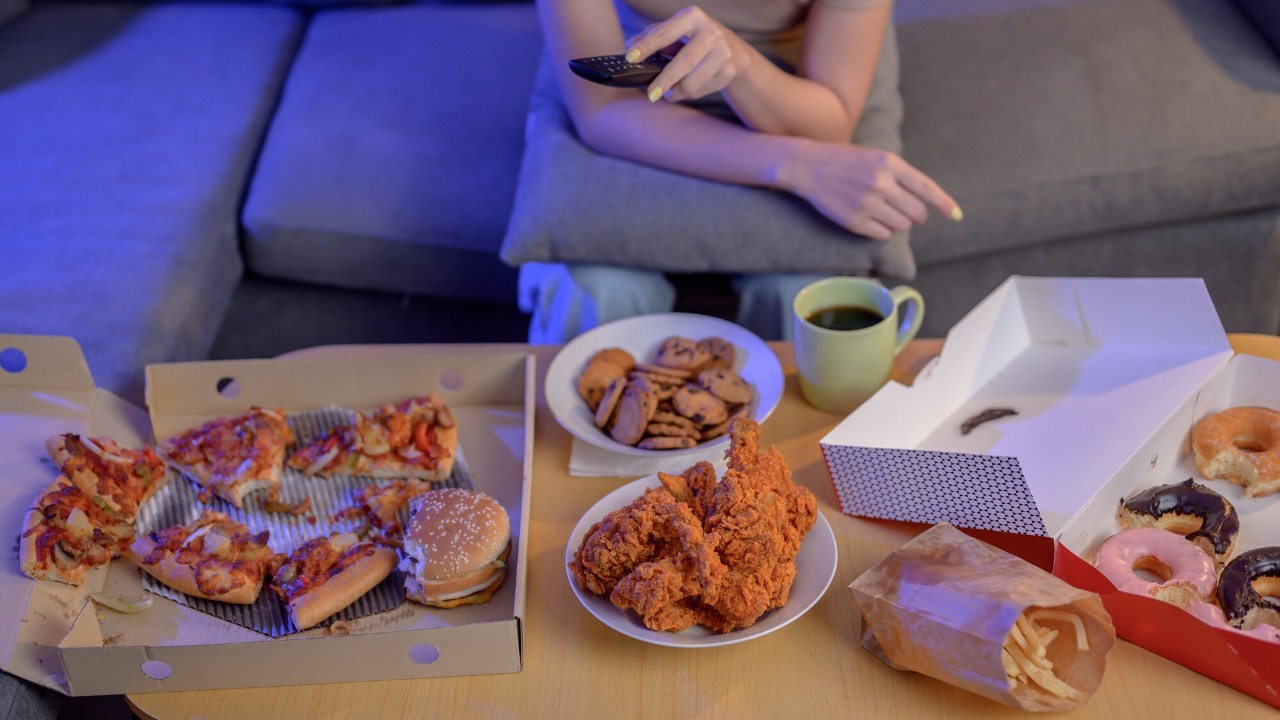
While all late-night snacks might not lead to bad dreams, certain foods have been frequently associated with nightmares. For instance, cheese and spicy foods have been commonly reported to trigger bad dreams. One study highlighted by SciTechDaily delves into the impact of late-night cheese consumption on our dreams.
But why might these foods lead to nightmares? Scientists speculate that it could be due to the influence of these foods on our brain chemistry. Some suggest that the high levels of certain substances in these foods might stimulate brain activity during sleep, leading to more vivid and disturbing dreams. I’ve spoken to a few individuals who’ve shared their experiences of increased nightmares after late-night indulgence in these foods, further corroborating the scientific findings.
Understanding the Role of Allergies

Interestingly, food allergies have also been linked to an increased incidence of nightmares. An allergic reaction to certain foods might affect our brain and sleep patterns, leading to disturbing dreams. A Food Bible article provides an insightful exploration of this connection.
However, the relationship between food allergies and nightmares is complex and not fully understood. While some allergic individuals report more nightmares, others don’t notice any difference. This inconsistency suggests that there are likely other factors at play. There’s a pressing need for more research in this area to fully understand the nuances of this connection.
The Biological Mechanism: Digestion and Dreaming

Our digestive process has a profound impact on our sleep cycle. Eating late at night can stimulate the digestive system, which might interfere with our sleep and lead to more intense dreams. This could be why late-night snacking is associated with nightmares.
Moreover, our metabolism and brain activity are closely linked. The process of digesting food could stimulate brain activity, especially during the REM sleep stage when dreams are produced. This increased brain activity might make our dreams more vivid and disturbing, thereby increasing the likelihood of nightmares.
Practical Tips: How to Avoid Food-Induced Nightmares

To avoid nightmares induced by late-night snacking, it’s advisable to time your meals and snacks appropriately. Eating at least a few hours before bedtime can allow your body to complete the digestion process before you sleep, reducing the likelihood of nightmares.
Additionally, maintaining a balanced diet that promotes calm and restful sleep can also help. For instance, foods rich in tryptophan, a natural sleep-inducing amino acid, can foster better sleep. However, if your nightmares persist or become highly disturbing, it’s important to seek professional help. A health professional can provide tailored advice and treatment options to help manage your nightmares.