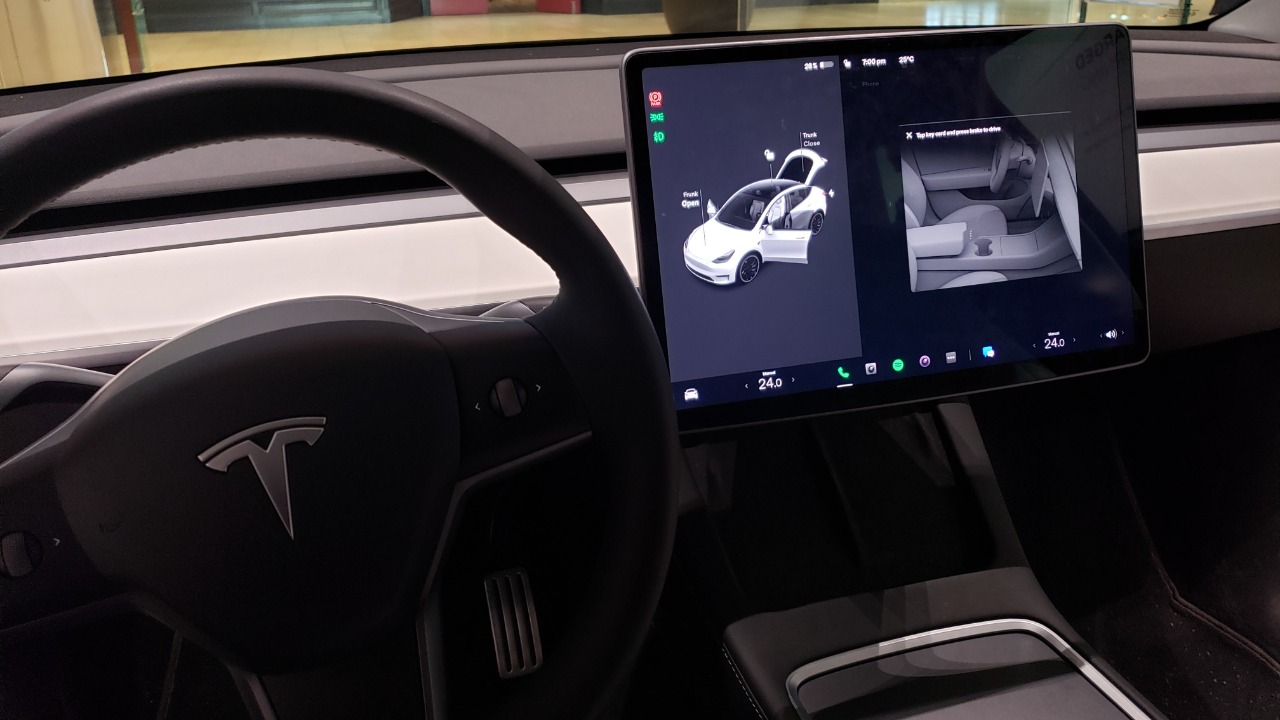

In a bold move towards enhancing the driving experience, Tesla, the pioneer in electric vehicles, is gearing up to incorporate Unreal Engine into its Autopilot visualizations. This enhancement aims to offer a level of realism like never before, promising to transform the interaction between drivers and their Teslas.
Understanding Tesla’s Autopilot Visualization System
Tesla’s Autopilot visualization system is an integral component of its vehicles, providing the driver with real-time information about the car’s surrounding environment. It utilizes sensors and cameras to detect other vehicles, pedestrians, and road signs. This information is then displayed on the vehicle’s touchscreen interface, allowing the driver to understand the car’s position and actions within its surroundings.
The system also plays a crucial role in enhancing safety, as it helps the driver understand what the car’s Autopilot system sees. For instance, it displays lane markings, cars in adjacent lanes, and upcoming traffic lights. By providing such detailed information, Tesla’s Autopilot visualization system helps to instill confidence in drivers while they use Autopilot or Full Self-Driving (FSD) capabilities.
What is Unreal Engine?
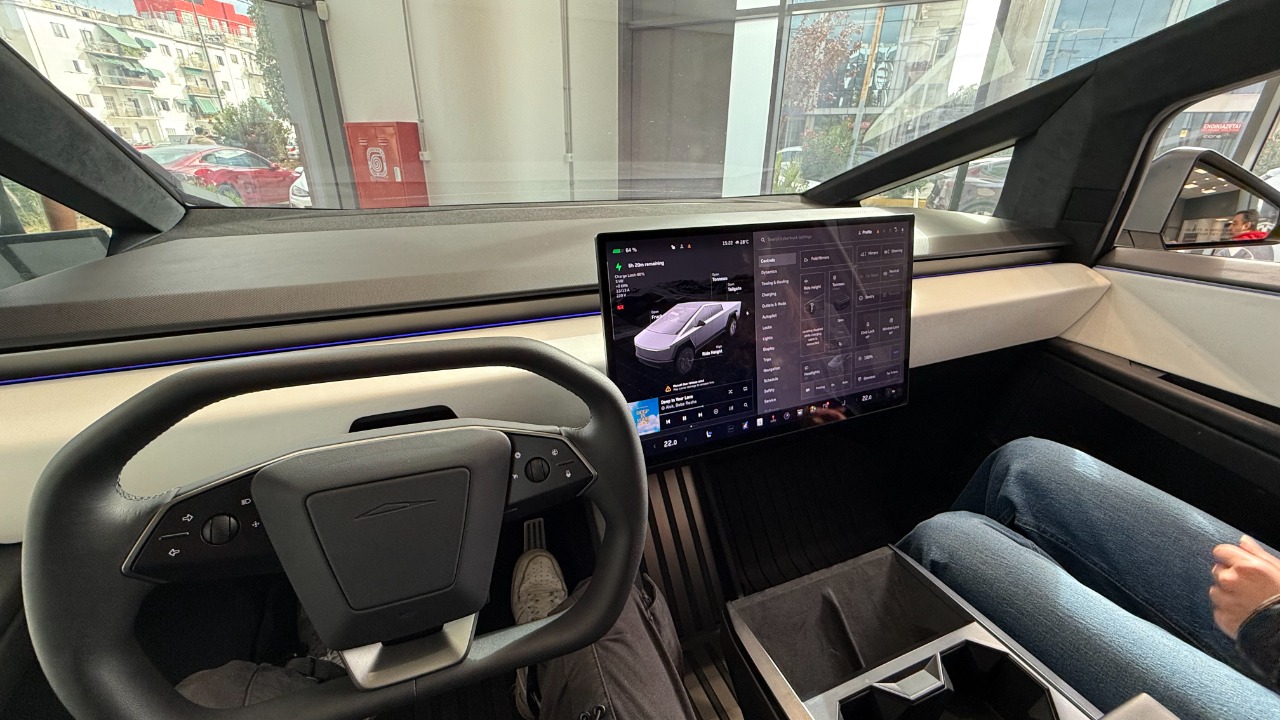
Unreal Engine, developed by Epic Games, is a powerful game engine known for its advanced graphics and real-time processing capabilities. It’s been the backbone of various top-tier video games, offering immersive environments and lifelike characters. The engine’s ability to create high-fidelity, interactive experiences makes it an excellent tool for a wide range of applications beyond gaming.
Industries such as architecture, film, and automotive design have leveraged Unreal Engine to create realistic 3D models and simulations. Its ability to handle complex computations in real-time makes it ideal for tasks that require instant feedback, such as Tesla’s Autopilot visualizations. For more insights into Unreal Engine, you can visit this detailed study.
Tesla’s Plan to Integrate Unreal Engine

Tesla’s decision to integrate Unreal Engine into its Autopilot visualizations offers an exciting prospect for enhancing the driver’s experience. As stated in a Teslarati report, this integration could provide a more comprehensive and realistic representation of the car’s surroundings, potentially leading to better driver interaction and comprehension.
However, implementing this upgrade might present some challenges. Unreal Engine is a heavy-duty gaming engine, and deploying it for real-time visualizations in a vehicle might require significant computational power. Tesla would need to ensure that the integration does not impact the vehicle’s performance or battery life adversely.
The Implications of Unreal Engine on Tesla’s Future Vehicles

Integrating Unreal Engine into Tesla’s Autopilot visualization system could have far-reaching implications for the design and features of future Tesla vehicles. With Unreal Engine’s advanced graphics capabilities, we might see more sophisticated displays and interactive elements in the vehicle’s interface. This could transform the driver’s interaction with the car, making it more intuitive and engaging.
The upgrade could also impact Tesla’s Full Self-Driving (FSD) technology. A more realistic and detailed visualization system could enhance the FSD experience by providing the driver with a better understanding of the car’s actions. This would potentially increase driver confidence in the FSD system, encouraging wider adoption of this technology. To learn more about the possible changes, check out this article.
Comparing Tesla’s Unreal Engine Visualization with Competitors
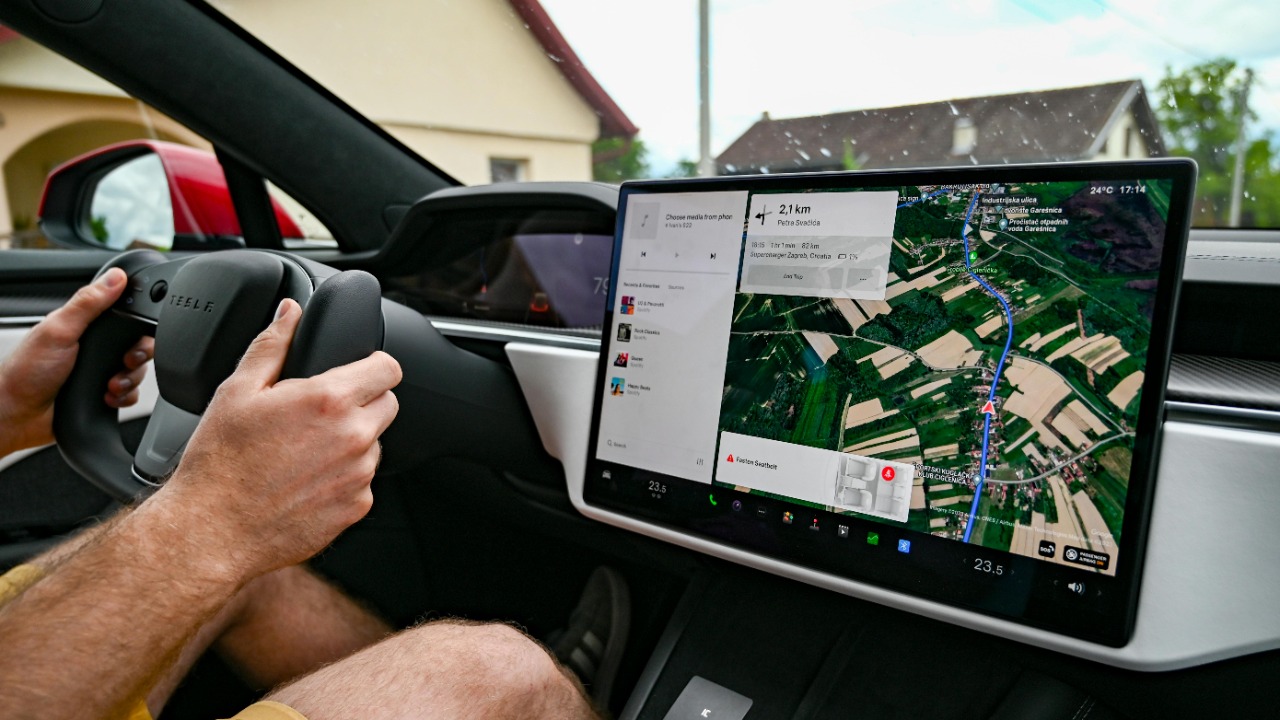
When compared to existing technology from other automakers, Tesla’s plan to use Unreal Engine for its Autopilot visualizations seems to be a significant step forward. Most existing systems offer basic visualizations, primarily focused on displaying the car’s position relative to lane markings and nearby vehicles. However, Tesla’s Unreal Engine-powered visualizations could offer a far more detailed and immersive view of the car’s surroundings.
By incorporating advanced gaming technology into its vehicles, Tesla could gain a competitive edge in the electric vehicle market. This move would not only enhance the user experience but also demonstrate Tesla’s commitment to continual innovation. For an in-depth comparison with competitors, you might find this review interesting.