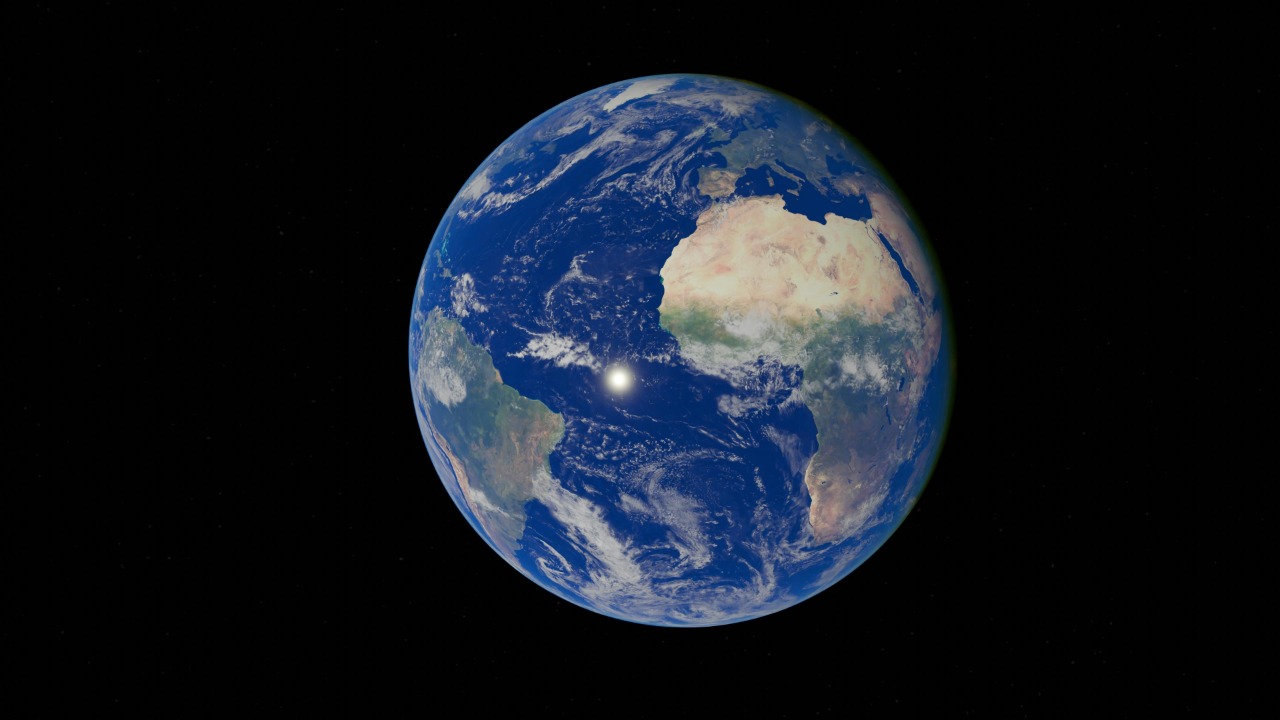

Astronomers have made an astounding discovery, finding a new ‘moon’, or quasi-moon, that has been following Earth for over six decades. This celestial body, previously unnoticed, shines a new light on our understanding of our planet’s gravitational influence and its effects on nearby space objects.
Discovery of the Quasi-Moon

The detection of this quasi-moon was a testament to the advancements in modern astronomy. It was a combination of sophisticated software algorithms and highly sensitive telescopes that made this discovery possible. The quasi-moon was found in an area of space that is typically difficult to survey due to the brightness of the sun. This is why, despite its close proximity, it remained unnoticed for so many years. You can read more about the discovery and the technology involved here.
In the past, our technology wasn’t advanced enough to detect such small and distant objects. The quasi-moon’s unique orbit also made it difficult to identify. It moves around the sun in an orbit similar to Earth’s, but it also moves around Earth in a horseshoe-shaped orbit. This complex movement made it challenging to spot with traditional sky surveys.
What is a Quasi-Moon?
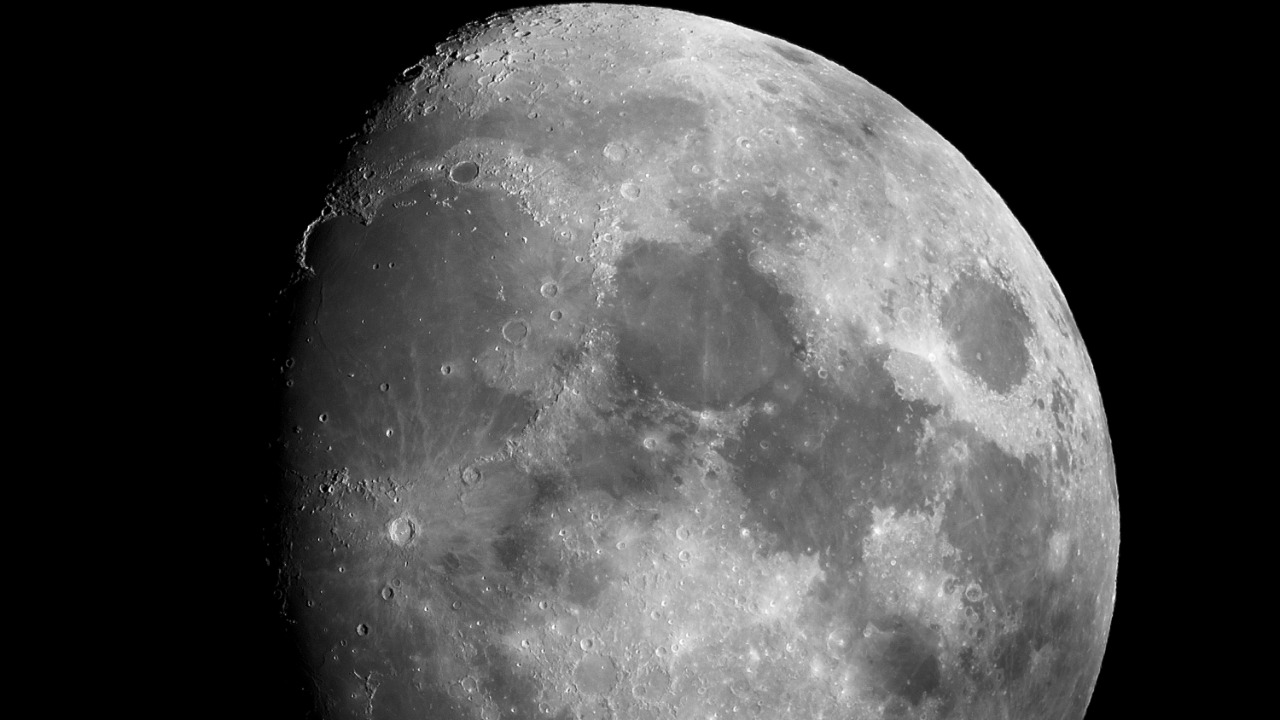
A quasi-moon, as the name suggests, is not a moon in the traditional sense. Unlike our Moon, which is a natural satellite of Earth, a quasi-moon is an asteroid that’s been captured by our planet’s gravity. However, its orbit is not stable, and it doesn’t revolve around Earth in the same way our Moon does.
These quasi-moons have a unique orbital pattern. They typically follow a horseshoe or tadpole-shaped orbit around Earth, making them difficult to track. The newly discovered quasi-moon is no exception. It’s been moving in and out of Earth’s gravitational influence since the 1960s, following a complex and erratic path around our planet. More about quasi-moons and their unique orbits can be found here.
Historical Perspective: Tracking Earth’s New Satellite
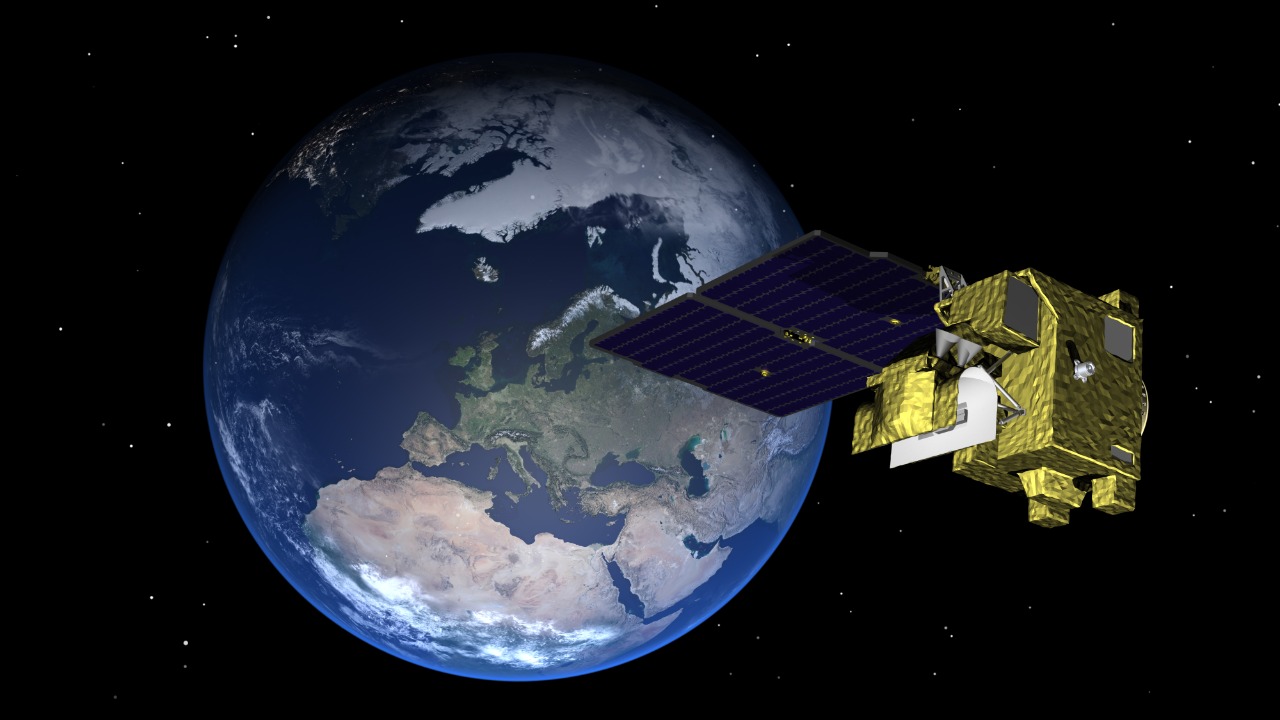
Historical data analysis has revealed that this quasi-moon has been following Earth since the early stages of the space race. Yet, its existence remained unnoticed due to its complex orbital path and our limited technology. The space race era did, however, lay the groundwork for our current understanding of Earth’s satellites. This period saw significant advancements in technology and scientific understanding, crucial for the discovery of such celestial objects.
There have been previous attempts to identify such quasi-moons. However, these attempts were often thwarted by the complex orbital patterns of these objects and the limitations of our technology. The discovery of this new quasi-moon will undoubtedly contribute to our understanding of these elusive celestial bodies.
The Significance of the Quasi-Moon to Science

The discovery of this quasi-moon offers valuable insights into Earth’s gravitational pull. It provides a unique case study for understanding how our planet’s gravity can capture and hold onto small asteroids. This knowledge can be used to predict the presence of other quasi-moons and to identify potentially hazardous asteroids that might be captured by Earth’s gravity in the future.
Moreover, the discovery opens up new avenues for future research. Scientists hope to study the quasi-moon’s physical properties and its complex orbit to gain a deeper understanding of these celestial bodies. This could also have implications for the study of moons around other planets, offering a new perspective on how moons form and behave. More implications of this discovery can be found here.
Potential Applications and Implications
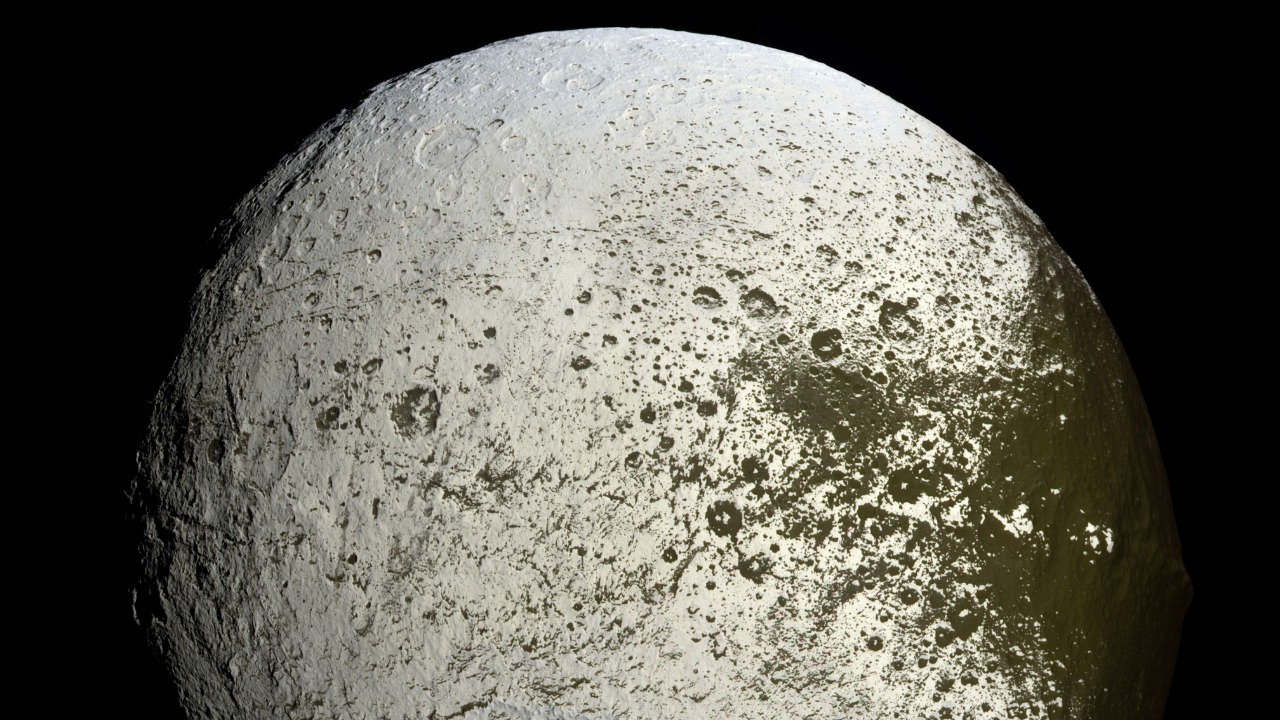
The discovery of this quasi-moon is not just a scientific breakthrough; it also has potential practical applications. For instance, the quasi-moon could serve as a stepping stone for space exploration missions. It could be used as a pit stop for spacecraft traveling to outer planets or even as a site for building a space station.
The discovery also raises questions about space law and ownership. As we continue to explore and exploit space resources, it’s crucial to establish clear rules about who owns what in space. The discovery of the quasi-moon could therefore influence future discussions about space law.
Finally, this discovery has captured the public’s imagination, sparking renewed interest in space exploration. The new quasi-moon has been widely covered in the media, and its story has rekindled the sense of wonder and curiosity that drives us to explore the universe. For more popular reactions, you can visit this site.