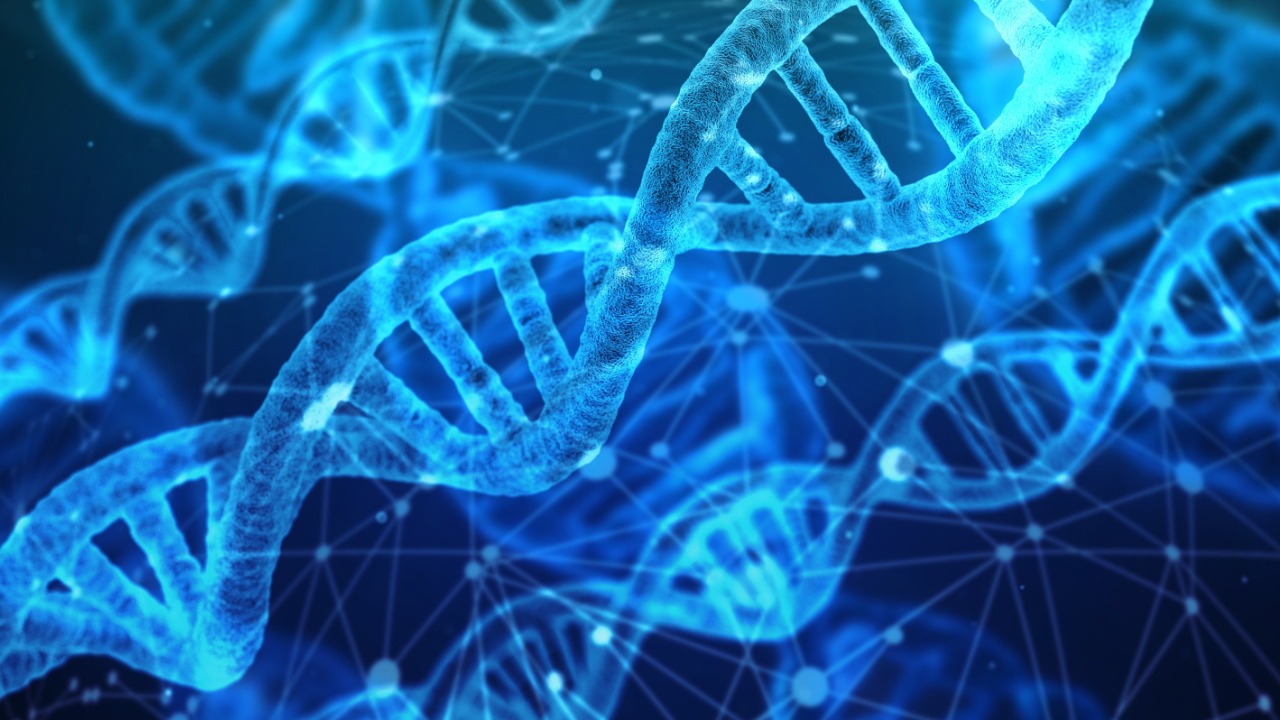

A new synthetic lifeform, often referred to as “mirror life,” has recently emerged as a potential risk to humankind. With its inherent capacity for rapid evolution and adaptation, this life form could unleash a series of unforeseen consequences on our ecosystems. This piece will delve into the scientific research surrounding this issue and the alarming warning issued by an expert about the possible perils of this new entity.
Understanding Synthetic Life

Synthetic life refers to a form of life that has been designed or altered by humans, often through genetic engineering or synthetic biology. The field of synthetic biology is rapidly advancing, with researchers developing new ways to create life forms that can perform useful tasks, from cleaning up pollution to curing diseases. However, a new concept has emerged: ‘mirror life’. This term denotes an entirely synthetic organism that is similar to natural life but operates differently at a molecular level.
Unlike natural life, which is based on the four-letter DNA code, mirror life could be based on an expanded genetic code or even a completely different genetic material. This allows it to evolve and adapt in ways that natural life cannot, potentially leading to novel forms of life with unprecedented capabilities. However, this potential also comes with significant risks, as it is currently impossible to predict exactly how mirror life would behave or interact with existing ecosystems.
Scientist’s Warning
In a recent warning, a scientist raised serious concerns about the potential hazards of mirror life. The main concern is the rapid and uncontrolled evolution that mirror life could undergo, leading to unforeseen changes in our ecosystems. The scientist emphasized that mirror life could potentially outcompete natural organisms, disrupt food chains, and cause mass extinctions, leading to irreversible damage to biodiversity.
According to the scientist, the unpredictability of mirror life makes it a significant threat. Its capacity to evolve and adapt quickly could make it impossible to control once it is released into the environment. In the worst-case scenario, mirror life could evolve to occupy niches currently filled by natural organisms, outcompeting them and causing a collapse in ecosystems.
The Ethical Consideration

The creation of synthetic life raises important moral and ethical questions. Who has the right to create new forms of life? What responsibilities do scientists and researchers have when experimenting with potentially dangerous organisms? Answering these questions is a necessary part of the process of developing and implementing synthetic life.
Regulatory bodies play a crucial role in this process. They must ensure that research into synthetic life is conducted responsibly and that any new organisms are thoroughly tested before being released into the environment. Regulations need to be put in place to prevent the misuse of synthetic life and to manage any risks associated with it.
The Potential World of Mirror Life
If mirror life were to flourish, it could significantly change our world. It could impact our daily life, health, and environment in ways we cannot yet predict. For example, mirror life forms could potentially produce toxins or allergens that humans are not prepared to deal with. They could also alter the balance of ecosystems, leading to the extinction of certain species and the proliferation of others.
Moreover, the potential for mirror life to outcompete natural life is a real concern. This could lead to a loss of biodiversity and the disruption of ecosystems, with potentially catastrophic consequences for humans and other forms of life. As such, it is essential that we fully understand the potential impacts of mirror life before we allow it to proliferate.
Preventing a Synthetic Life Apocalypse

One of the key strategies for preventing a synthetic life apocalypse is to carefully manage and control the development of synthetic life. This includes conducting thorough research to understand the behavior of mirror life and its potential impacts on ecosystems. It is also crucial to develop contingency plans for dealing with any negative impacts of mirror life.
Future policies and regulations should be designed to ensure the safe development of synthetic life. This includes creating guidelines for the responsible conduct of synthetic biology research and establishing regulatory frameworks for the testing and release of new organisms. As suggested by the scientist, we need to be proactive in anticipating and managing the risks associated with synthetic life, rather than reacting to problems as they arise.