

Recent research has confirmed a startling reality – bacteria can survive for decades on the lunar surface. This groundbreaking discovery not only challenges our knowledge of life’s resilience in extreme environments but also opens up exciting new avenues for astrobiology and space exploration. Let’s delve into the details of this study, its findings, and how it might shape future lunar missions.
Understanding the Research
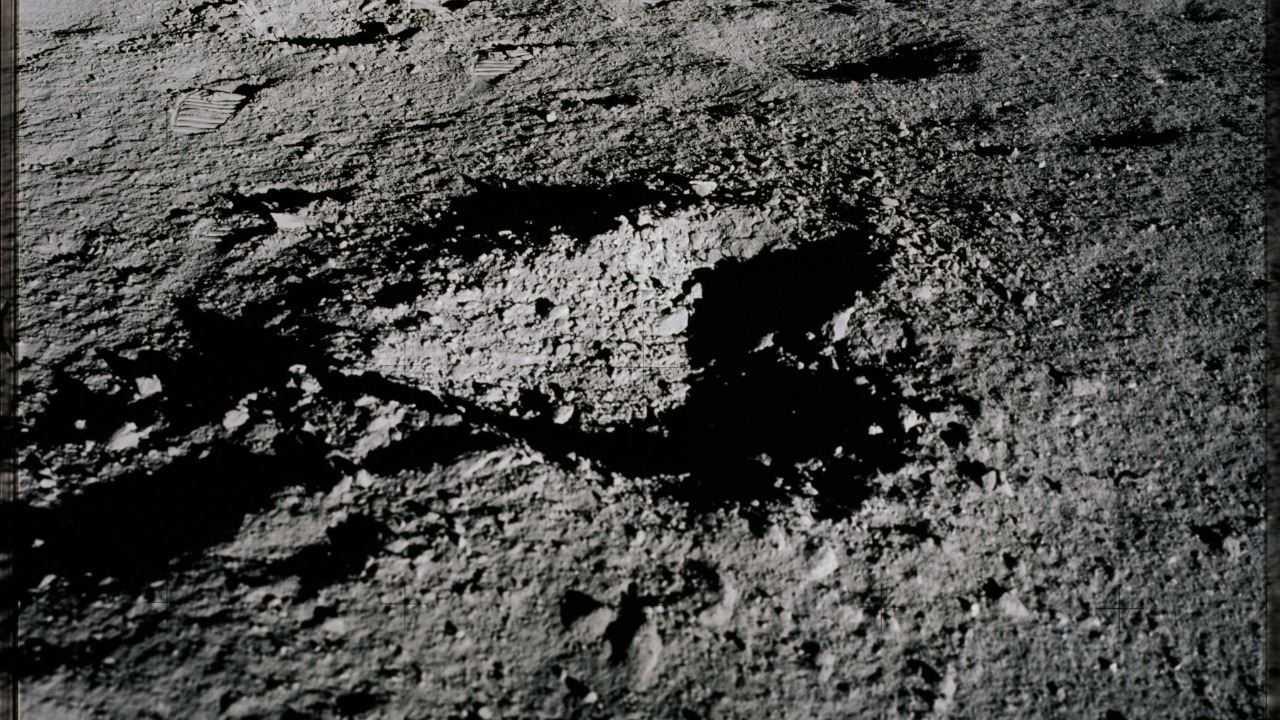
The study that confirmed bacterial survival on the moon’s surface was a massive undertaking. Scientists used a combination of lab experiments and lunar sample analysis to arrive at their conclusions. They exposed bacteria to extreme conditions similar to those on the moon, including low temperatures, exposure to cosmic radiation, and vacuum conditions. These experiments were combined with a detailed analysis of lunar samples collected over numerous moon missions.
Their findings were astounding. Not only were the bacteria able to survive, but they also demonstrated a surprising ability to adapt and flourish under these extreme conditions. This discovery challenges our understanding of the limits of life and opens up new possibilities for the existence of life beyond Earth.
The Role of Microbes in Space Exploration

Understanding microbial life is of paramount importance for space exploration. While we often think of space missions in terms of astronauts and rovers, microbes play a crucial role. They have the potential to interfere with mission objectives, contaminate equipment, and even pose health risks to astronauts. Therefore, understanding how they behave in space conditions, survive, and possibly thrive is essential for the planning and execution of future missions.
The risks and challenges bacteria pose to space exploration are not theoretical. There have been incidents in the past where microbes have interfered with space missions. For instance, the NASA Mars Lander incident is a classic example where the presence of earthly bacteria may have inadvertently impacted the search for Martian life.
Life in Extreme Environments

One of the most fascinating aspects of this discovery is how it expands our understanding of life’s resilience. Bacteria surviving on the lunar surface, subjected to extreme cold, radiation, and vacuum, seem almost impossible. However, specific adaptations allow these microbes to survive, challenging our understanding of what constitutes a “livable” environment.
There are parallels between lunar bacterial survival and life in extreme environments on Earth. Just as exposed bacteria can survive in space, certain microorganisms on our planet inhabit seemingly inhospitable places, like deep-sea vents or Antarctic ice. These Earth-based examples underscore the adaptability of life under extreme conditions.
Implications for Astrobiology
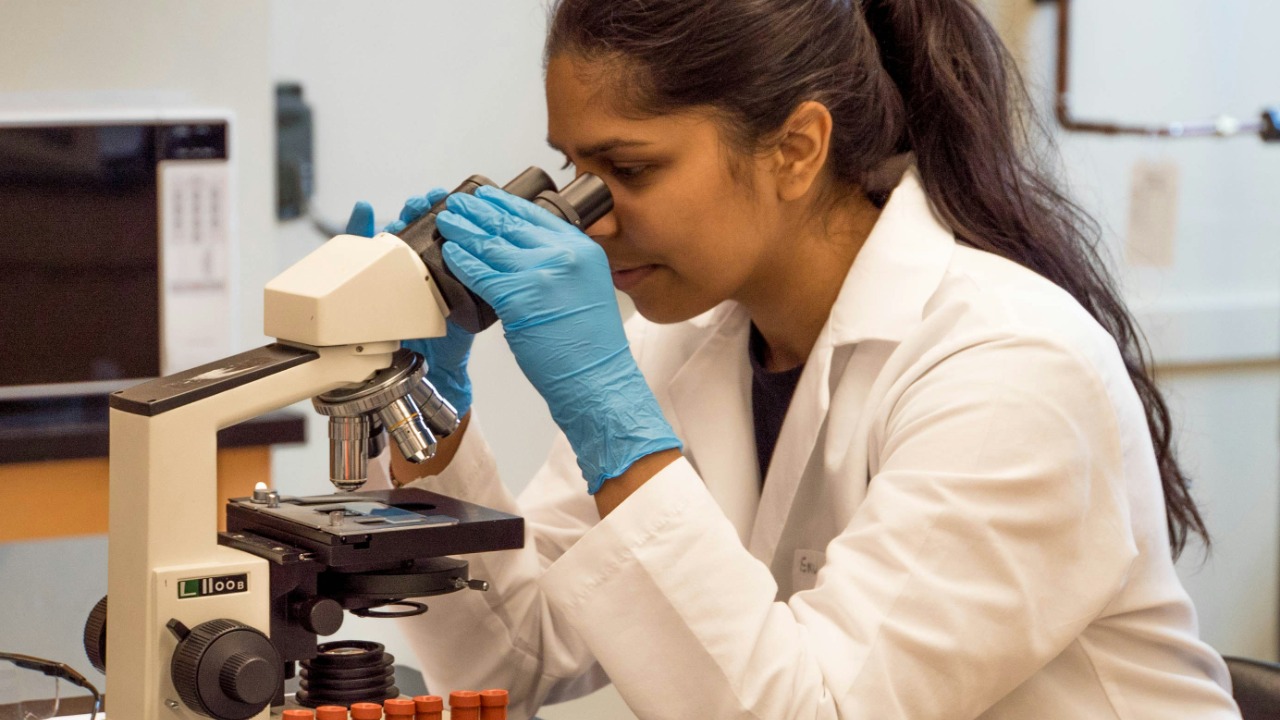
The discovery of bacteria living on the moon has far-reaching implications for astrobiology. It suggests that life, as we understand it, may not be limited to conditions found on Earth. This opens up new possibilities in the search for extraterrestrial life. If bacteria can survive on the moon’s harsh surface, it is conceivable that similar life forms might exist elsewhere in the cosmos.
Moreover, this research could influence future astrobiology studies, especially those focusing on the existence of life in extreme environments. The lunar bacteria’s survival mechanisms could provide insights into what to look for on other planets and moons. This could lead to a more nuanced and expanded search for life beyond Earth.
Considerations for Future Lunar Missions
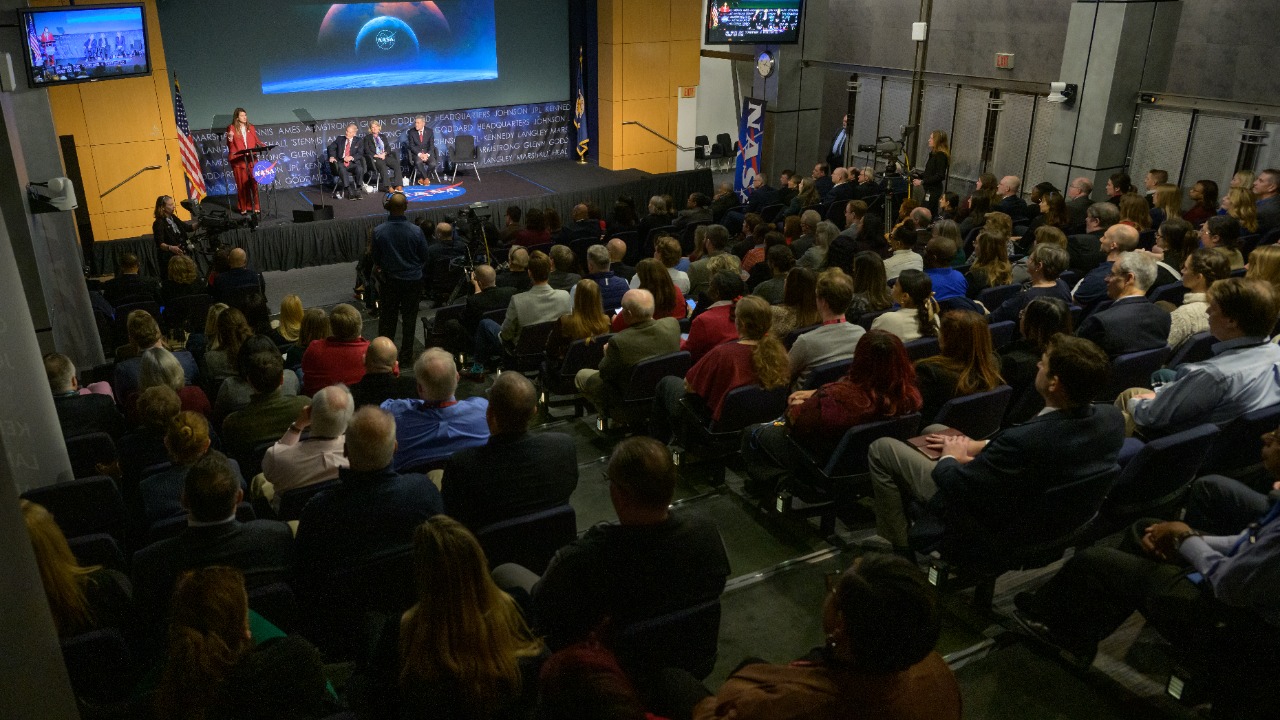
The presence of surviving bacteria on the moon could have a significant impact on the planning and execution of future lunar missions. It necessitates a reconsideration of sterilization and quarantine procedures to prevent cross-contamination between the moon and Earth. Moreover, the survival tactics employed by these bacteria could potentially be utilized to support long-term human habitation on the moon.
However, the potential changes in sterilization and quarantine procedures need to be carefully evaluated. Over-sterilization could inadvertently kill potential extraterrestrial life, thereby hindering our search for life beyond Earth. On the other hand, insufficient sterilization could risk contaminating other celestial bodies with Earth-based life, as possibly happened in the case of the lunar polar regions.