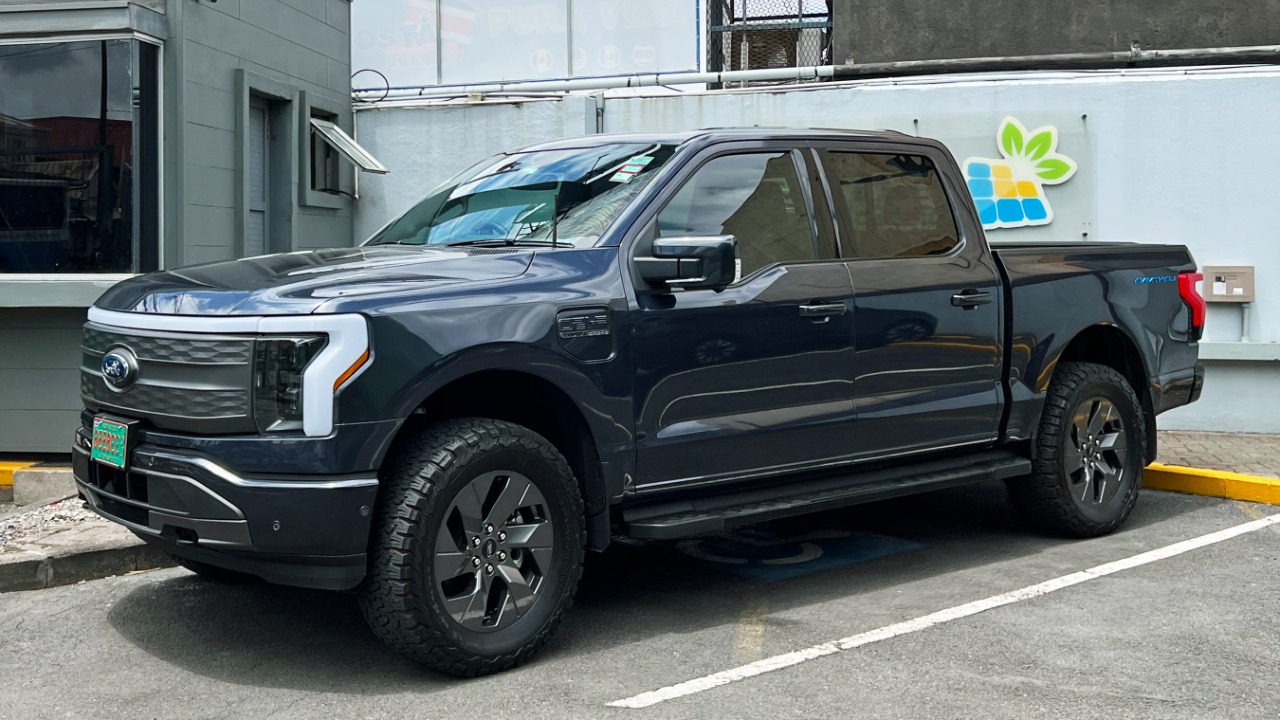

Stealthily but surely, several features previously standard in popular truck models have been phased out. Let’s delve into the intriguing world of these hidden feature removals and the reasons behind them.
Understanding the Reasons Behind Feature Removal
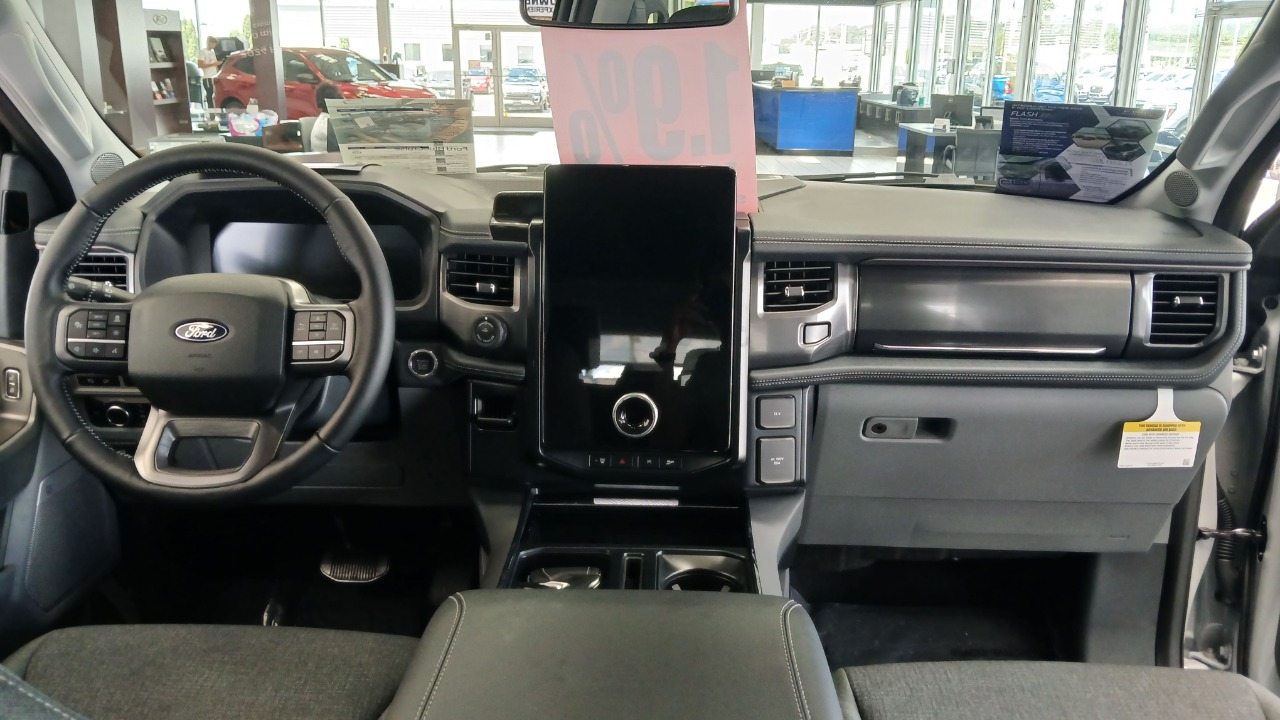
Technological advancements have played a significant role in feature removal. As new technology emerges, older features become redundant. For instance, the advent of digital touchscreens and advanced infotainment systems led to the phasing out of CD players in many truck models. On the flip side, some technological features are removed due to their complexity and the difficulties in maintaining them. Automatic Park feature is a prime example of this.
Besides technological factors, cost-efficiency heavily influences the decision to remove certain features. Automakers are always looking for ways to cut production costs and enhance profitability. Sometimes, this means eliminating features that are expensive to produce or maintain. Consumer demand and preference also play a pivotal role. As trends change, so do consumer demands. Manufacturers have to adapt by removing or replacing outdated features with those in high demand.
Examples of Safety Features Quietly Removed from Popular Trucks

The Automatic Park feature, once a selling point for many trucks, has been gradually discontinued. This feature, designed to assist drivers in parking, was removed due to safety concerns and technical complexities. Similarly, built-in phone dials, another common feature in older truck models, have been phased out. The shift towards hands-free calling and advanced infotainment systems made this feature obsolete.
The traditional handbrake, a mainstay in most vehicles, has also been quietly removed in several truck models. The transition towards electronic parking brakes, which are easier to use and require less physical effort, has rendered the manual handbrake redundant.
Hidden Costs Associated with Removed Features
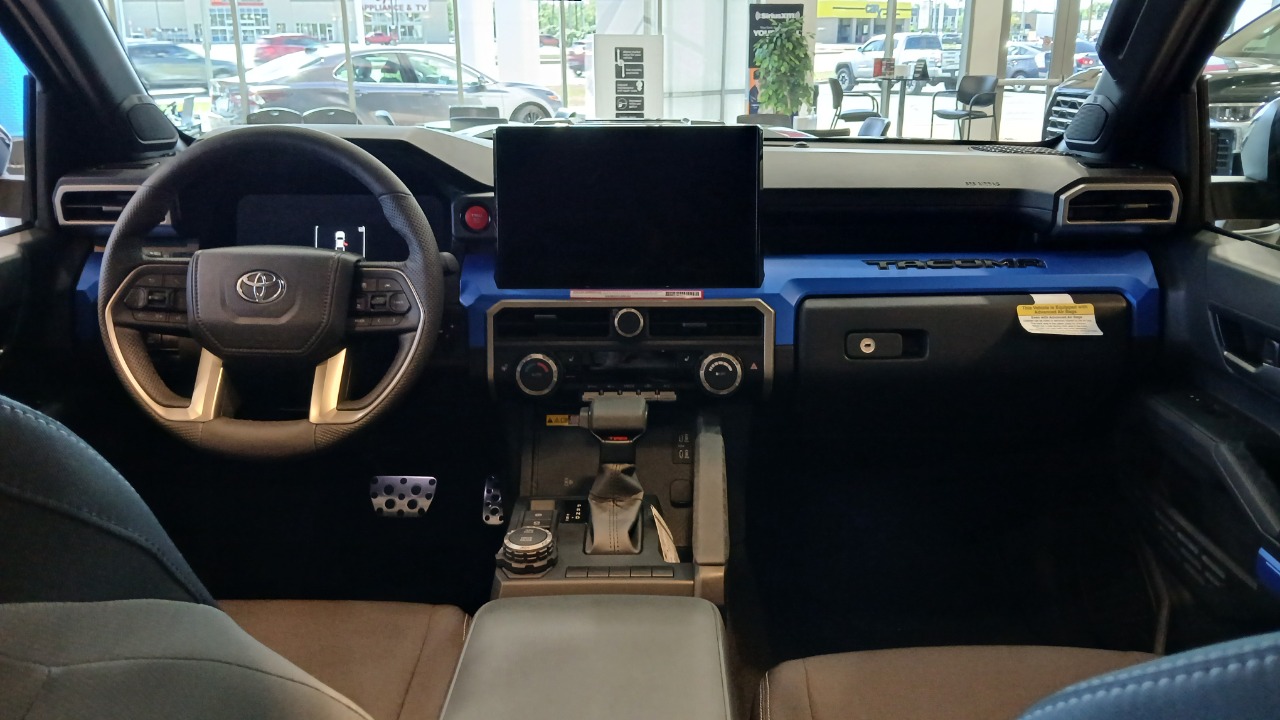
The removal of certain features from trucks can influence their pricing. In some cases, the removal of expensive features might lead to a decrease in the overall cost of the vehicle. However, this is not always the case. Some automakers remove features only to add them back as optional extras at an additional cost, a strategy that can be viewed as a hidden price hike.
Automakers often compensate for removed features by introducing alternatives or upgrades. For example, with the removal of CD players, manufacturers have integrated advanced audio streaming capabilities. While these new features may enhance the user experience, they also often come with an increased price tag.
Public Response and Impact on Truck Sales

The removal of popular features can elicit a varied response from consumers. Some may view it as a positive step towards embracing newer technology, while others might see it as a loss of familiar and trusted functionality. The response directly impacts the sales of truck models. For instance, the removal of beloved features like built-in phone dials could lead to a decrease in sales among certain demographics.
Transparency in feature removal is crucial for maintaining brand integrity and customer loyalty. When manufacturers communicate openly about these changes and the reasons behind them, consumers are more likely to trust and stick with the brand.
Future Trends: What Else Could Be Removed?
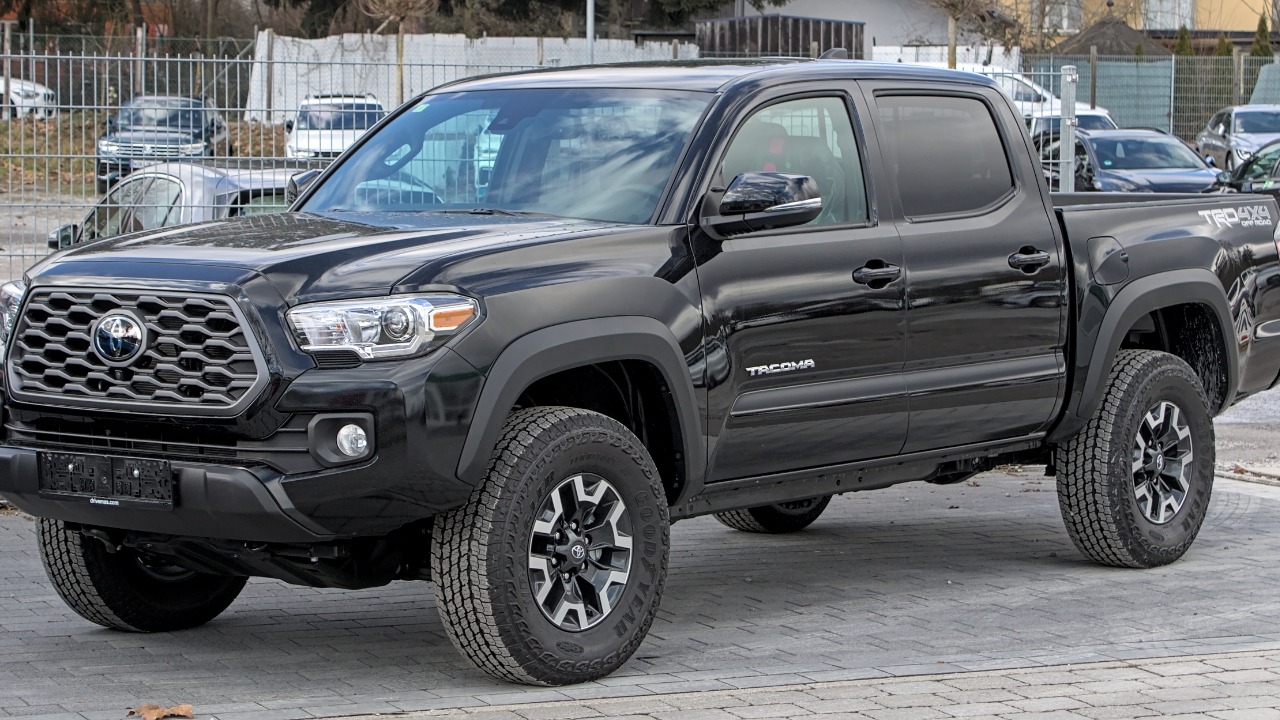
Looking ahead, it’s possible to predict potential features that might be phased out based on current trends. Features that are not cost-effective or are becoming technologically outdated are the most likely candidates. With the ongoing evolution of AI and automation, we could see a shift towards more automated features and the removal of manual controls.
However, it’s important to consider the pros and cons of feature removal in the long term. While it can lead to more efficient and advanced trucks, it could also result in a loss of user control and experience. The future of truck design is an exciting realm, with endless possibilities and potential challenges. For a visual explanation of the impact of these removed features, you can check out this YouTube video.