
We’re diving headfirst into the captivating realm of quantum physics, focusing on a series of intriguing experiments that seek to replicate phenomena akin to the existence of parallel universes. The journey will navigate through the multiverse concept, the role quantum mechanics play, and the pioneering experiments being carried out in this field.
Understanding the Multiverse Theory
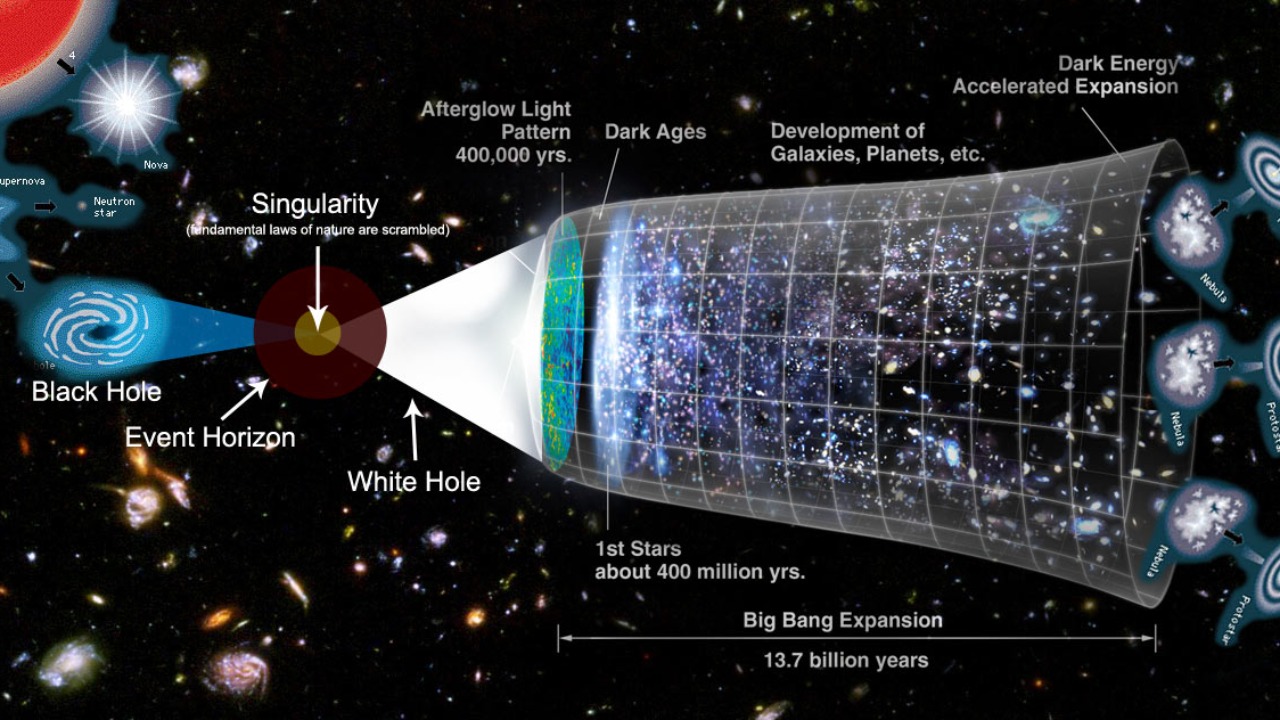
The multiverse theory, as its name suggests, proposes the existence of multiple universes, each with its own set of physical laws. This concept is not new. In fact, it has been a topic of discussion among philosophers and scientists for centuries. The theory gained momentum in the 20th century with the advent of quantum mechanics and is now a major talking point in theoretical physics.
Some of the key proponents of the multiverse concept include Hugh Everett III, who proposed the Many-Worlds Interpretation, and Max Tegmark, who classified these universes into four levels. Various interpretations of the multiverse theory exist, ranging from the notion of infinite space-time domains to the existence of universes with different physical laws. You can delve deeper into these interpretations in this comprehensive guide.
The Role of Quantum Mechanics in Multiverse Theory
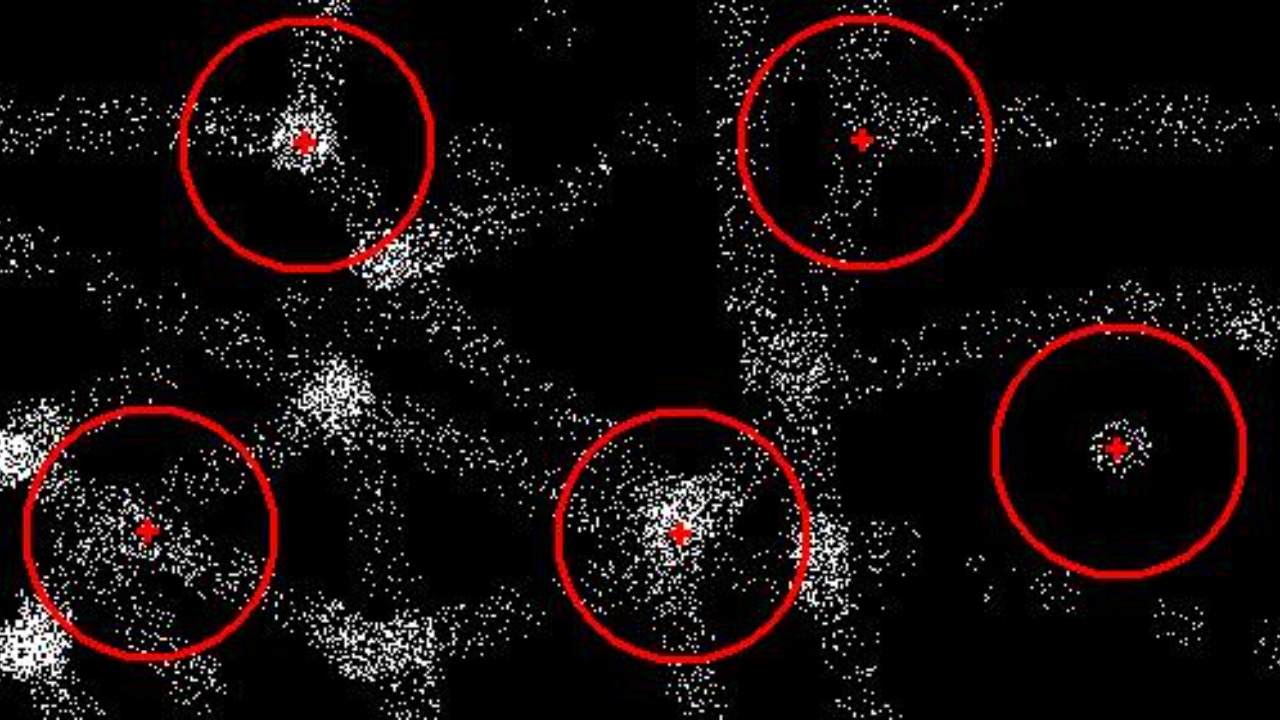
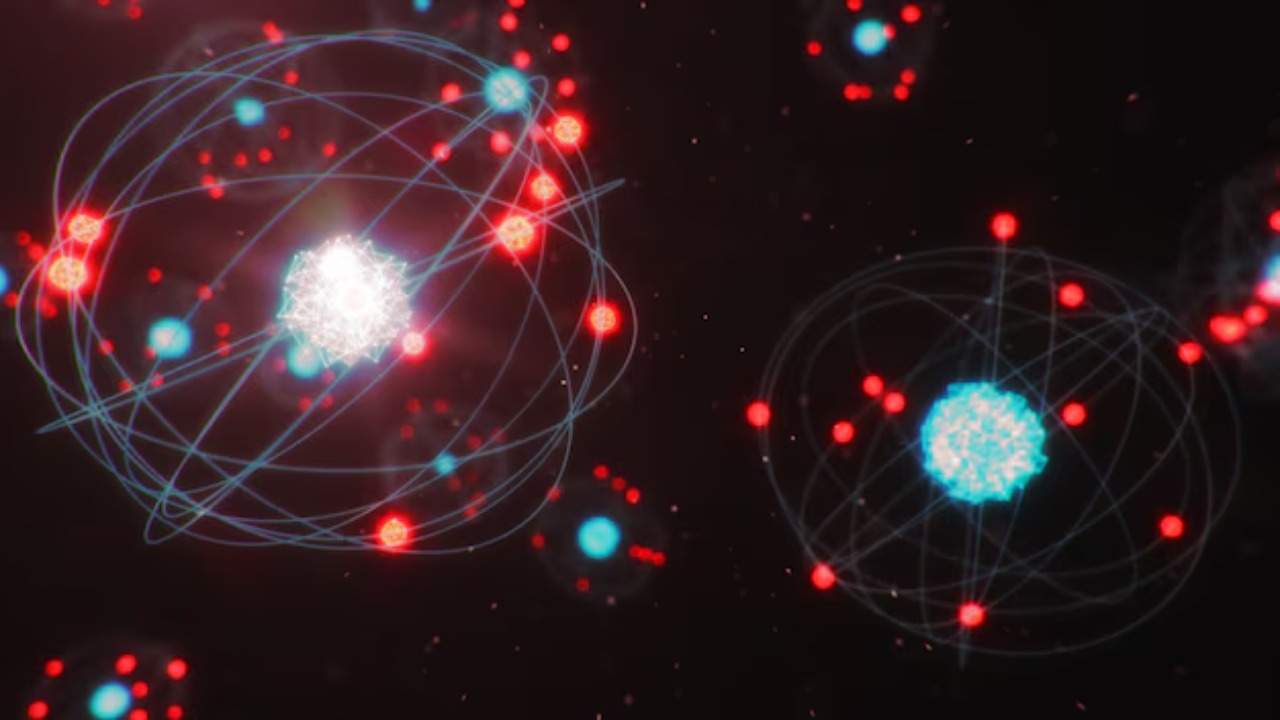
Quantum mechanics, with its fundamental principles like superposition and entanglement, forms the backbone of the multiverse theory. This branch of physics, which explains the behavior of particles at the subatomic level, introduces concepts that have profound implications for the idea of parallel universes.
The notion of superposition, for instance, where a quantum system can exist in multiple states simultaneously, lends credence to the multiverse concept. Under this principle, each state of a quantum system could correspond to a different universe in the multiverse. To further understand the complex relationship between quantum mechanics and the multiverse, you might find this resource helpful.
Quantum Experiments Simulating Parallel Universes
Scientists have been conducting experiments to simulate effects akin to parallel universes. These experiments typically involve manipulating quantum systems and observing the resulting interference patterns. The findings from these experiments have provided fascinating insights into the nature of our universe and its possible counterparts.
For example, a recent experiment involved manipulating photons in a lab setting to simulate the effects of a quantum system interacting with a parallel universe. The results of this experiment provided some of the first experimental evidence in support of the multiverse theory. For more details on this and other similar experiments, you can refer to this article.
Light Interaction with Empty Space: A Quantum Phenomenon
Light plays a crucial role in quantum experiments, including those simulating parallel universes. In the quantum realm, light interacts with what is perceived as ’empty’ space in intriguing ways. This interaction is due to the quantum nature of empty space, which is far from being truly empty.
Instead, it is a seething soup of virtual particles that constantly pop in and out of existence. These particles can interact with photons, resulting in phenomena that could potentially serve as indicators of the existence of parallel universes. You can learn more about this fascinating topic in this article.
Implications and Future Directions
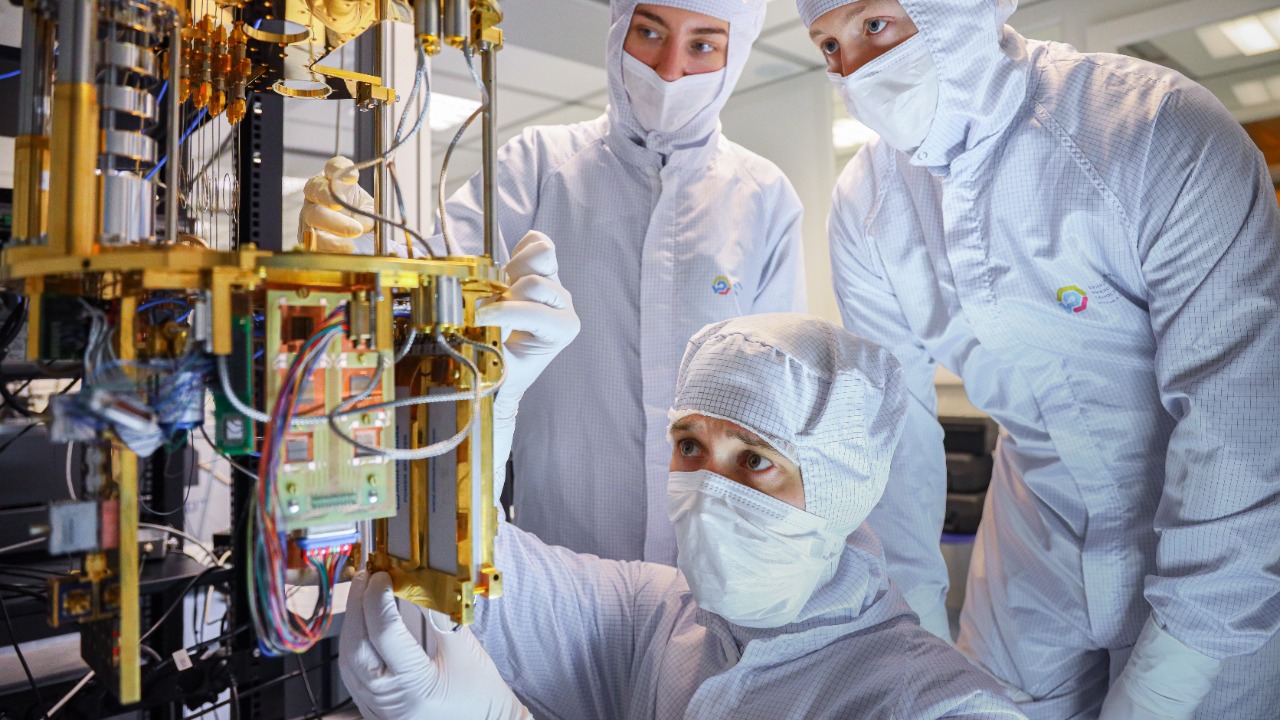
The findings from these quantum experiments have far-reaching implications. They not only challenge our understanding of the universe but could also open up new avenues in technology, such as quantum computing and teleportation. The experiments have opened up a whole new realm of possibilities and questions, making the field of quantum physics and multiverse theory more exciting than ever before.
As we move forward, research in this field is likely to focus on refining our understanding of the multiverse and its implications for physics. This includes improving experimental techniques, developing more accurate quantum models, and exploring ways to harness the power of quantum mechanics for practical applications. To get a glimpse of what the future might hold, check out this book.