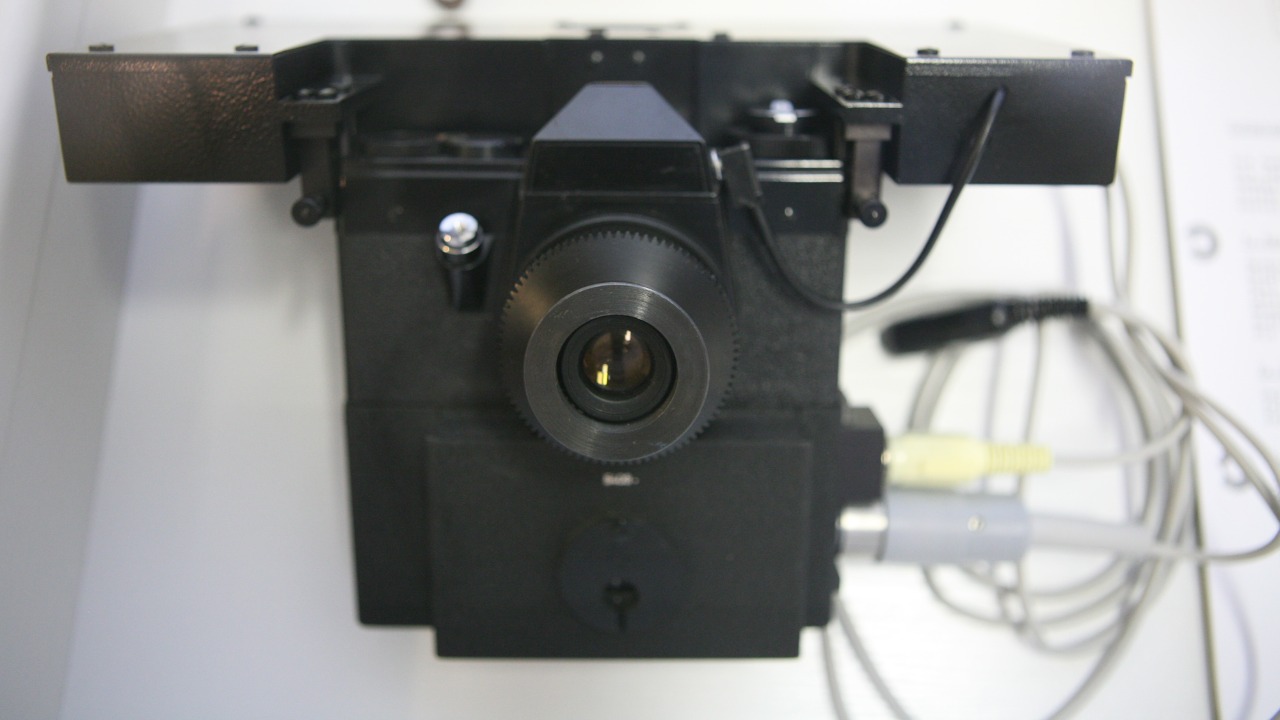

Privacy is a key aspect of our lives, and it’s important to ensure it is not violated. Knowing how to detect hidden cameras can provide peace of mind when staying in unfamiliar places. This guide provides practical steps to help you uncover concealed cameras and maintain your privacy.
1. Understand the Different Types of Hidden Cameras
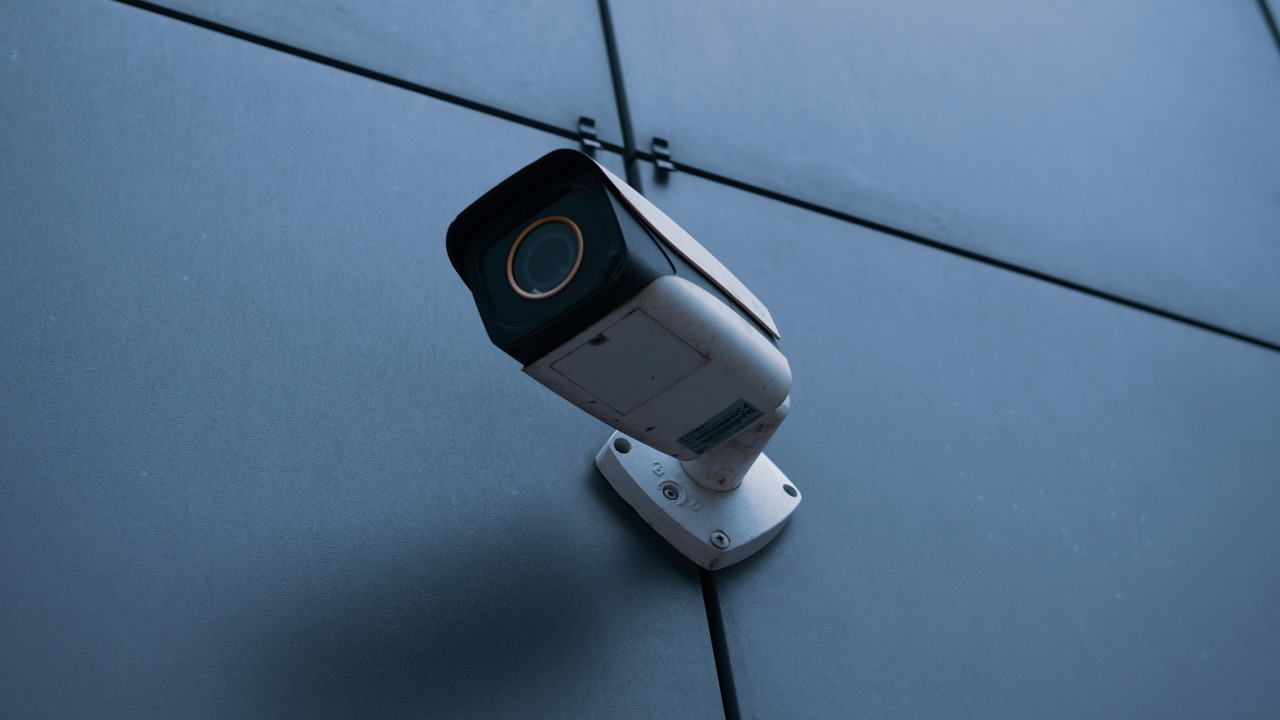
Hidden cameras come in various forms – from disguised smoke detectors to subtle USB plugs. Understanding these different types is the first step to detecting them. For instance, some cameras are embedded in everyday objects while others are standalone devices. Wired provides a comprehensive list of potential security cameras that could be used for surveillance. Having this knowledge arms you with the ability to be vigilant in spotting them.
2. Use a Flashlight to Spot Reflective Lenses
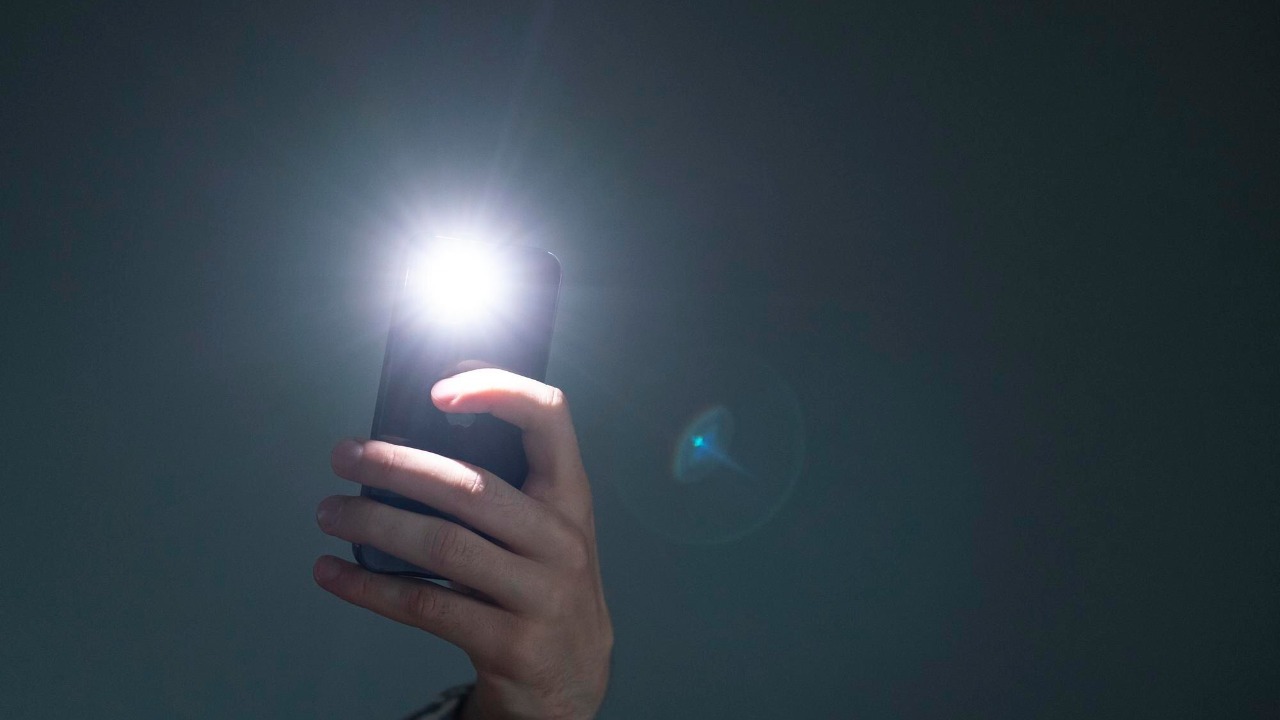
Camera lenses are usually reflective. By using a flashlight in a dark room, you can spot the reflection of hidden camera lenses. Pan the light source around the room while looking for glimmers or flashes. This method is simple, but it requires a keen eye and patience.
3. Use a Radio Frequency Detector
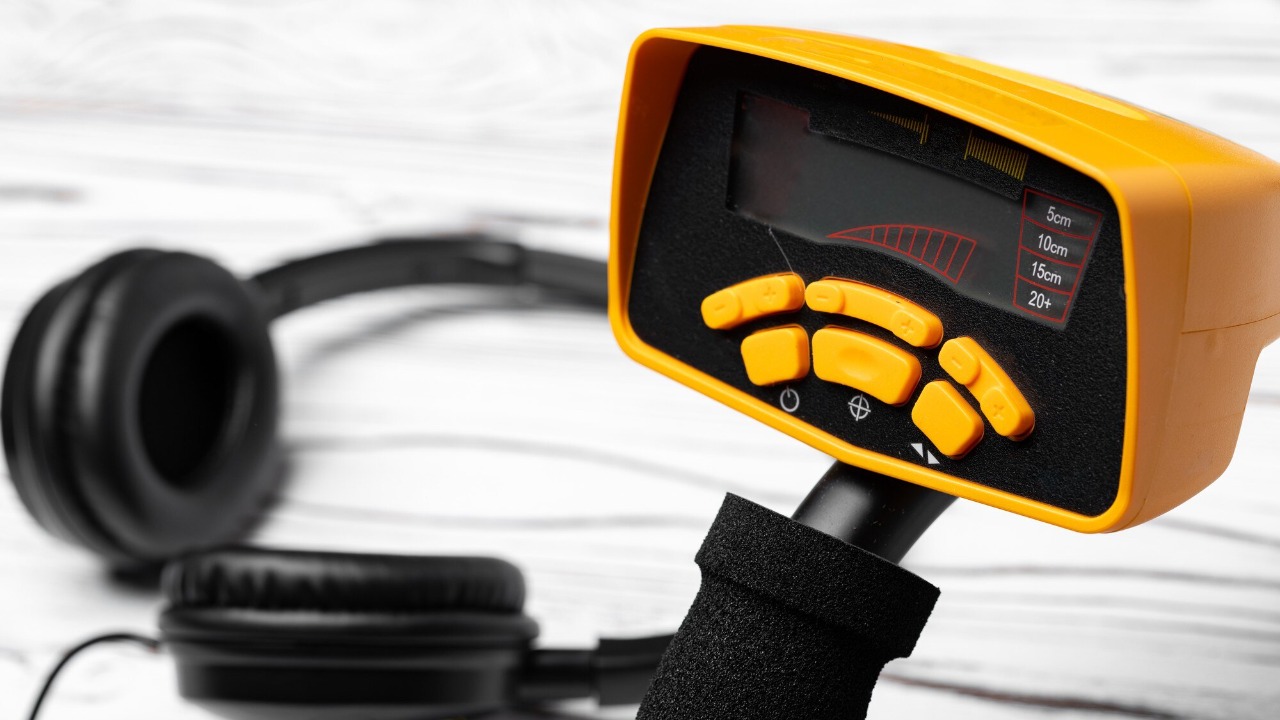
Most hidden cameras transmit data wirelessly, emitting radio frequencies that can be picked up by a detector. A Radio Frequency detector scans for these emissions, alerting you to the presence of any electronic devices, including hidden cameras. They can be found online and are a reliable tool for detecting hidden devices.
4. Use Your Smartphone to Detect Unusual Signals
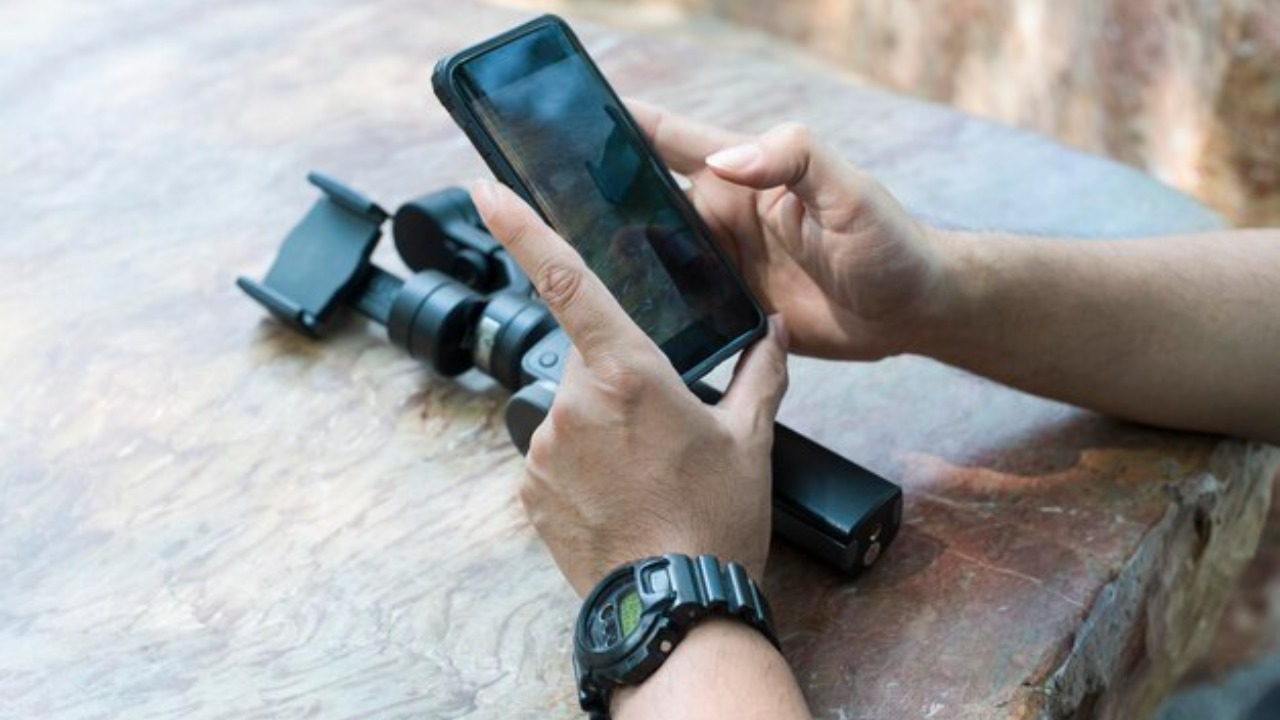
Your smartphone can also serve as a makeshift RF detector. Certain mobile applications can scan for wireless signals or unusual magnetic fields. Moreover, you can make a call and move around the room. If there’s any interference, it could be a sign of a hidden camera. However, this method might not always be accurate since other electronic appliances can also cause interference.
5. Check for Out-of-Place or Unusual Items
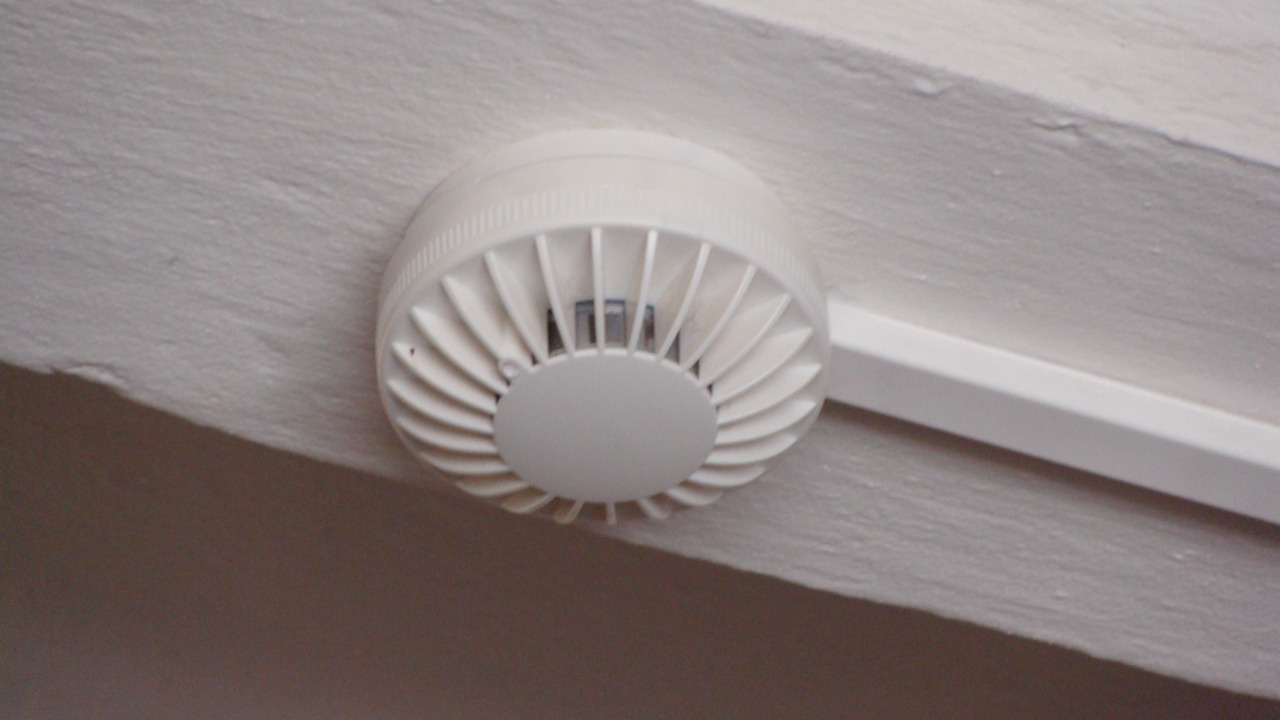
Be aware of your surroundings. Any object that seems out of place or unusual could potentially house a hidden camera. For example, an alarm clock facing the bed in a hotel room or a smoke detector in a strange location. These are potential red flags that should prompt further investigation.
6. Inspect Mirrors and Other Reflective Surfaces
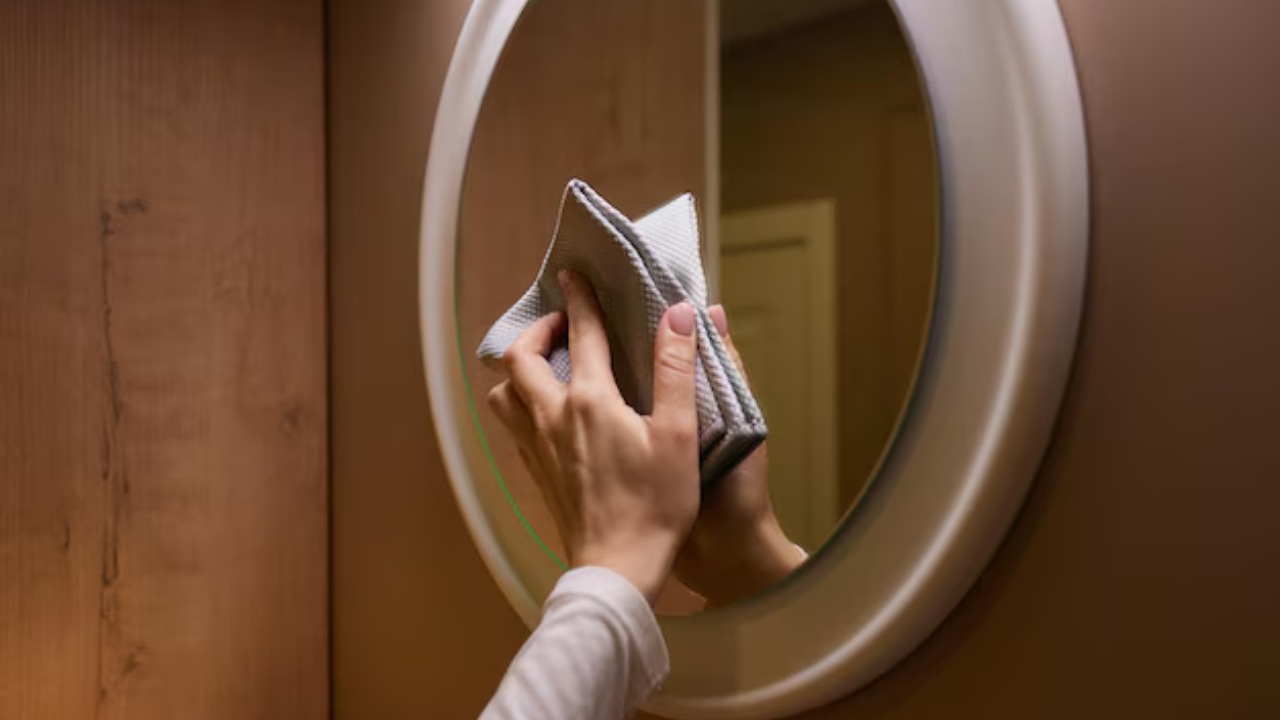
Hidden cameras can also be placed behind mirrors or other reflective surfaces. To check if a mirror is two-way, perform the finger test. Touch the mirror with your fingertip; if there’s a gap between your finger and its reflection, it’s a normal mirror. However, if your finger appears to touch its reflection, it may be a two-way mirror and could hide a camera.
7. Look for Unusual Holes or Oddly Positioned Decorative Items
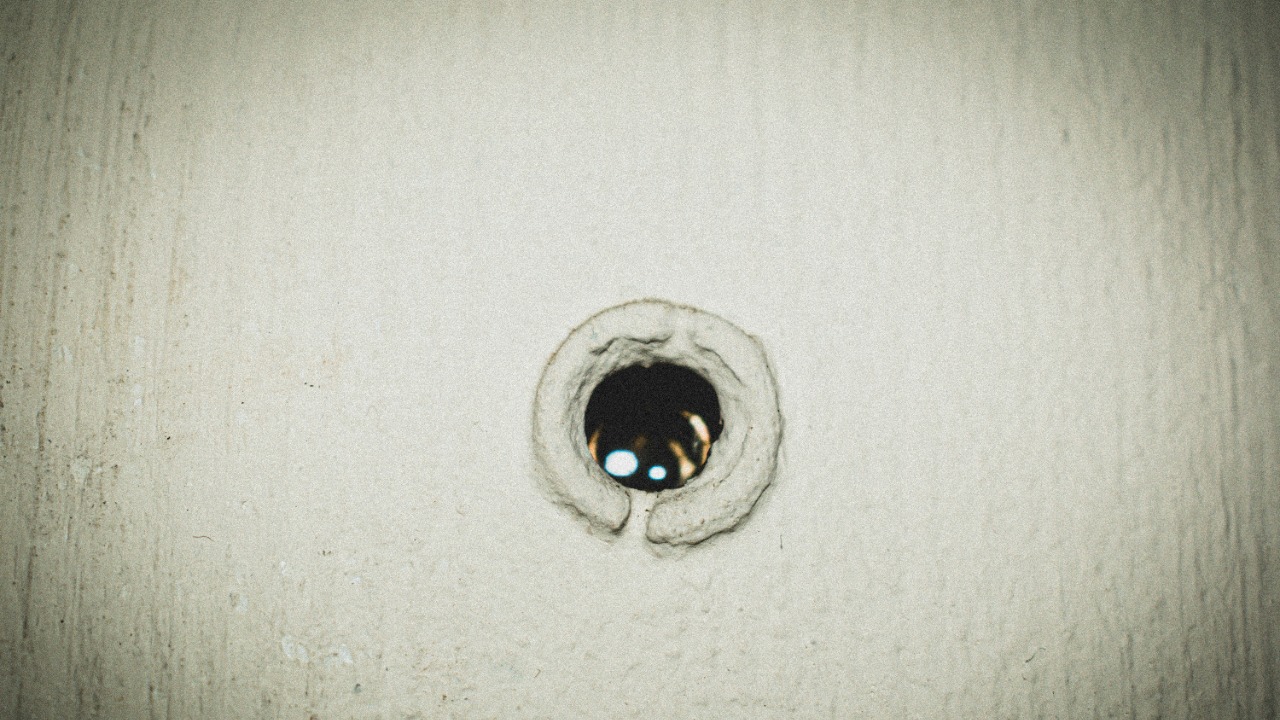
Small holes in walls, furniture, or even picture frames can conceal hidden cameras. Similarly, decorative items that are awkwardly positioned, like a flower vase facing the bed, could be hiding a camera. If you notice any such abnormalities, it’s worth taking a closer look.
8. Use a Hidden Camera Detector App

There are a multitude of hidden camera detector apps available on the market that can help detect hidden cameras. These apps work by detecting the infrared light that many hidden cameras emit. Travel and Leisure provides a list of some of the best hidden camera detector apps.
9. Always Trust Your Gut Instincts
Your intuition is a powerful tool. If something doesn’t feel right, trust your gut instincts. For additional peace of mind, you can consult resources like MSN’s tips for finding hidden cameras or read up on related literature for more insights.