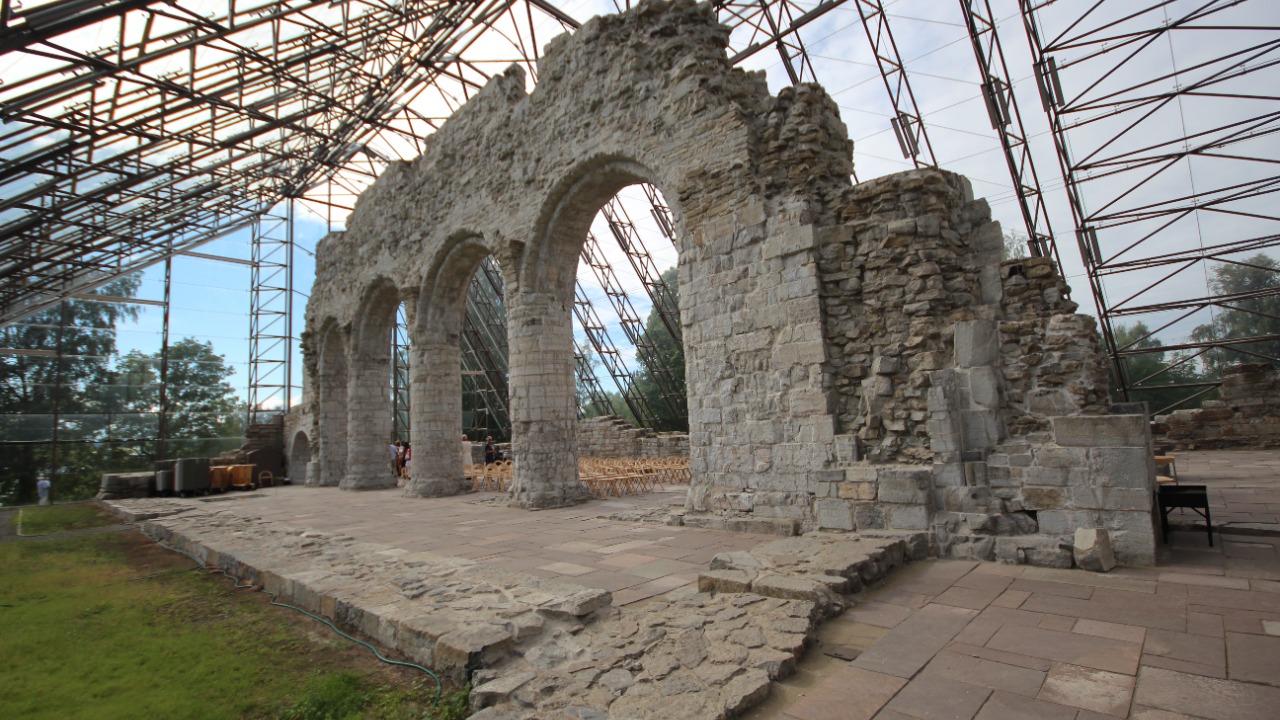

Peeling back the layers of history, archaeologists have recently uncovered an unexpected gem: the lost medieval town of Hamarkaupangen. Having followed a breadcrumb trail set by a 500-year-old clue, these intrepid explorers have resurfaced the tale of a town that was once lost to the annals of time.
The Lost Town of Hamarkaupangen
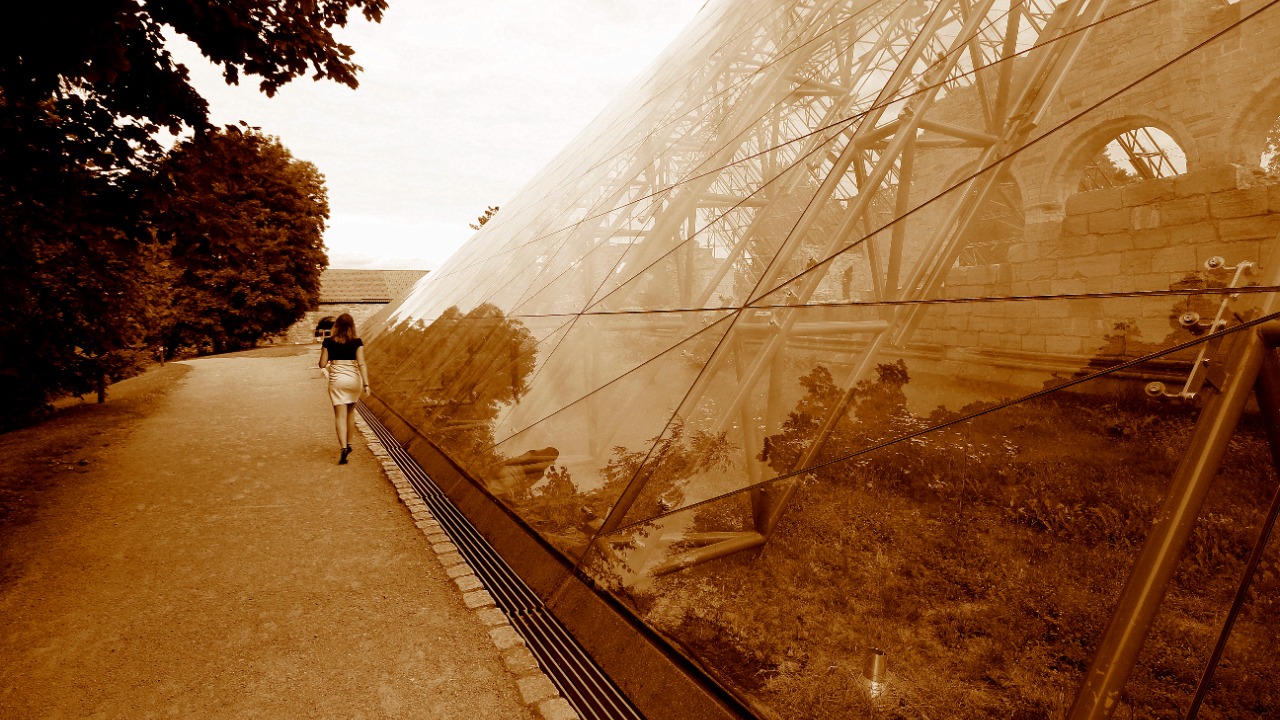
Hamarkaupangen, a significant historical site in medieval times, was a bustling trade center teeming with life and activity. Historical accounts suggest it was well-established by the 13th century, but it vanished mysteriously in the subsequent centuries. The town was strategically located in the Hamar region of Norway, near the shores of Lake Mjøsa, which provided it with essential trade routes.
Its inhabitants, primarily traders and artisans, contributed significantly to the economic and cultural development of the region. Despite its historical significance, Hamarkaupangen gradually faded from memory, its existence only hinted at in parchment records and oral folklore. That was, of course, until its recent rediscovery, which has shone a new light on this hidden chapter of medieval history. More information can be found here.
The 500-Year-Old Clue
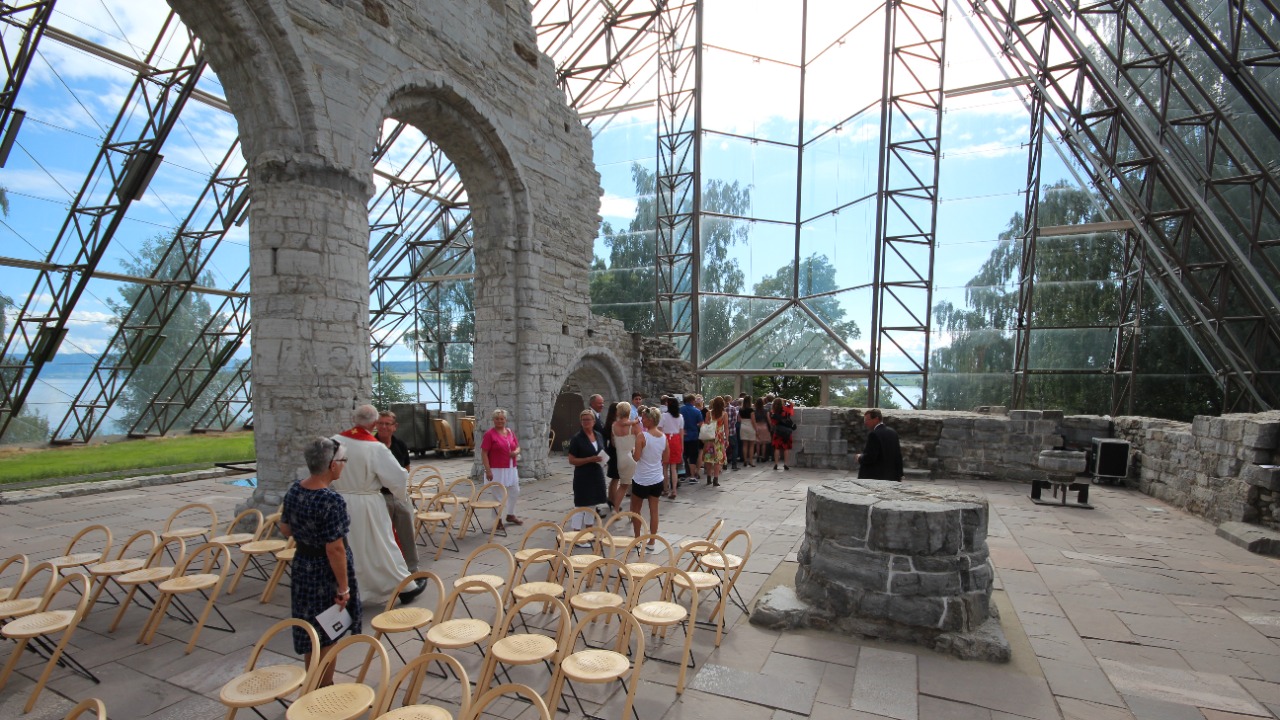
The spark that led to the rediscovery of Hamarkaupangen was a 500-year-old clue—a detailed but cryptic map drawn up by a local cartographer. The map, discovered in a forgotten archive, bore markings that suggested the existence of a sizable settlement in the Hamar region. Admittedly, the interpretation of this map was no easy task, as it required a deep understanding of medieval cartography and local history.
However, once deciphered, the map provided archaeologists with a starting point in their search. It was this 500-year-old clue that guided them to the exact location where the town of Hamarkaupangen once thrived. The crucial role this clue played in the rediscovery of Hamarkaupangen is a testament to the enduring value of historical records.
Archaeological Techniques and Technologies Used
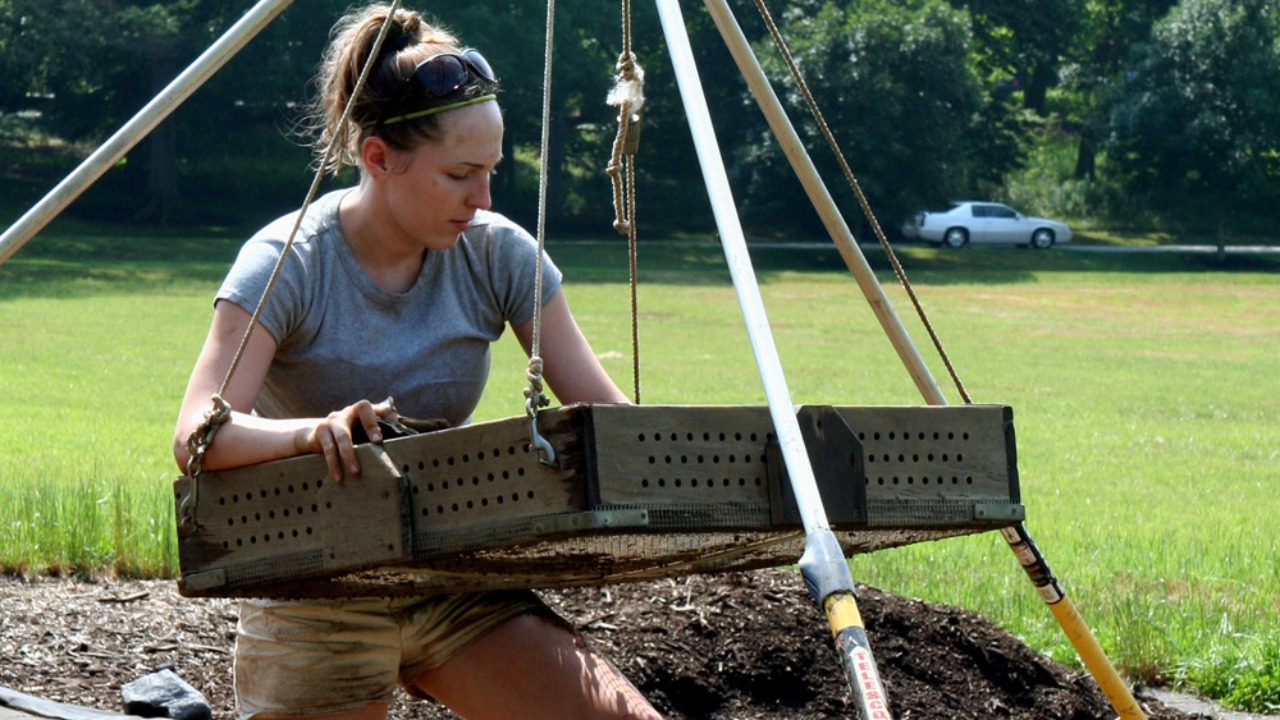
In their quest to unearth Hamarkaupangen, archaeologists employed an array of modern tools and techniques. Satellite imagery was used to identify potential excavation sites, while ground-penetrating radar helped detect hidden structures beneath the earth’s surface. This blend of traditional archaeological methods and modern technology is revolutionizing the field and opening up new possibilities for discovery.
For instance, the use of ground-penetrating radar allowed the team to survey the site without disturbing the soil, thereby preserving the integrity of potential archaeological finds. This non-invasive technique is just one example of how new technology is transforming archaeology, making it possible to uncover the secrets of the past with unprecedented precision. More about these technologies can be read here.
Unraveling the Secrets of Hamarkaupangen

The excavation of Hamarkaupangen has unearthed a wealth of artifacts, including ceramics, tools, and coins. Each of these discoveries has provided valuable insights into the town’s history and the lives of its inhabitants. The coins, for instance, suggest that the town had strong economic links with other parts of Europe, while the ceramics point to the presence of skilled artisans.
Despite these significant finds, much about Hamarkaupangen remains shrouded in mystery. Ongoing research is expected to reveal more about the town’s history, its inhabitants, and the circumstances of its disappearance. The team continues to dig deeper into the site, eager to unravel the remaining secrets of this medieval town.
Implications and Impact of the Discovery
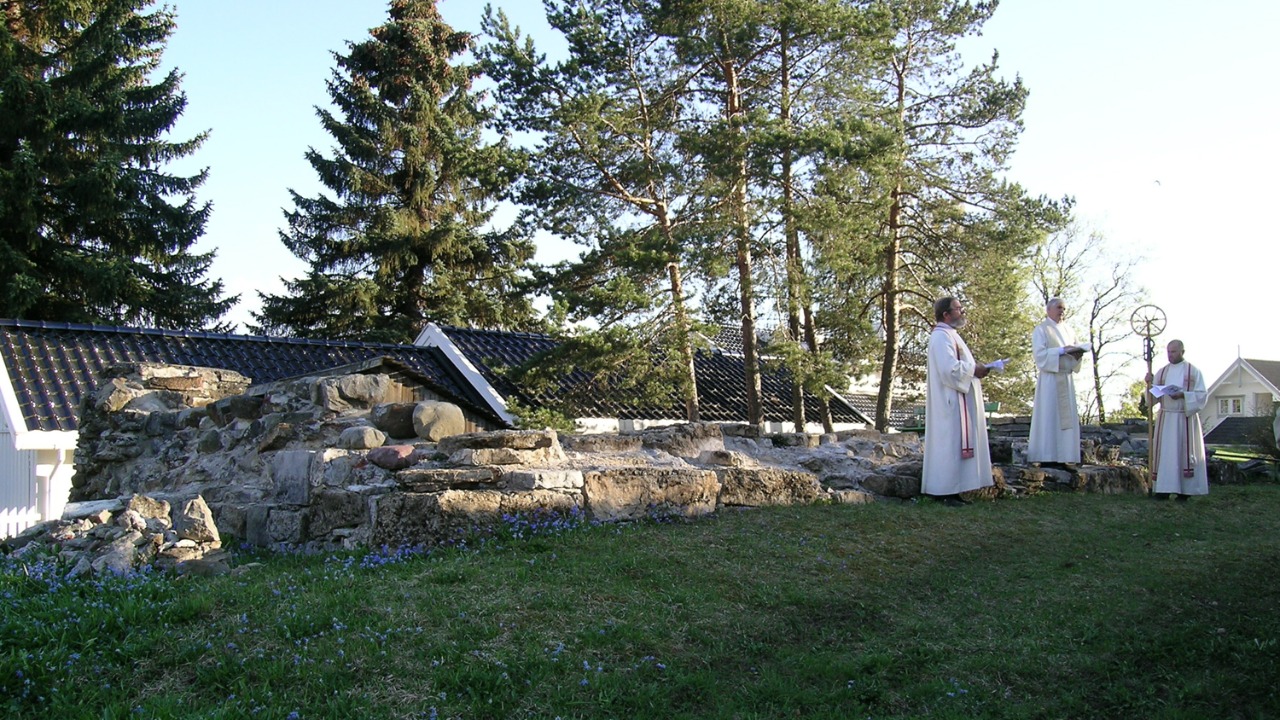
The discovery of Hamarkaupangen has far-reaching implications for archaeology and our understanding of medieval history. It fills a critical gap in our knowledge of trade and urban development in medieval Norway, shedding light on a period that has long been overshadowed by the Viking Age.
Beyond its academic significance, the discovery also has potential for heritage preservation and public engagement. Plans are already underway to develop the site into a tourist attraction, complete with a museum and interactive exhibits. This will not only ensure the site’s preservation but also bring the rich history of Hamarkaupangen to life for future generations. Further reading on the implications of this discovery can be found here.