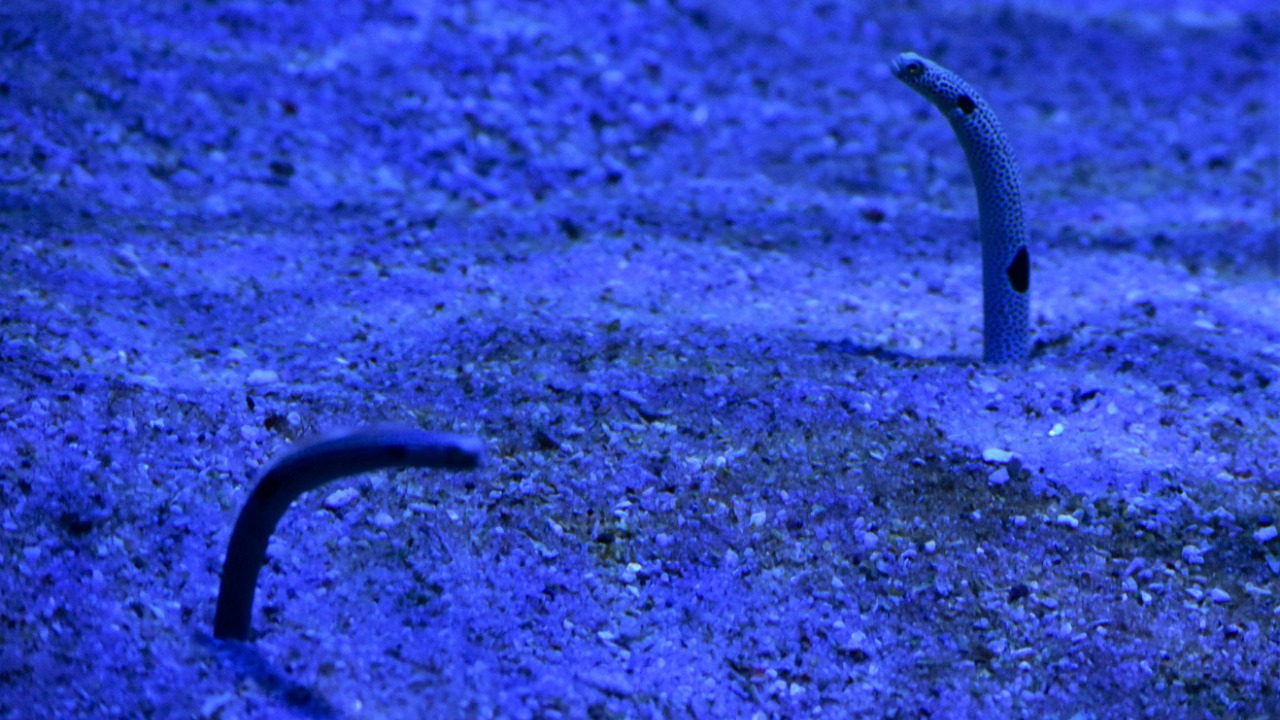

The recent discovery of plant life deep underground is causing a stir in the scientific community, as it challenges longstanding biological theories. This groundbreaking research reveals that plants can survive and even thrive in conditions hitherto considered uninhabitable, thus redefining our understanding of life on Earth.
Unearthing the Mystery: Discovery of the Unseen Plant Life

Life as we know it requires sunlight, but these unique plants found deep beneath the Earth’s crust defy that very principle. Buried kilometers below the surface, these plants are not only surviving but are part of a whole new ecosystem that’s rewriting our understanding of plant biology. This exceptional finding was made by an international multidisciplinary team of scientists.
The team comprised of botanists, geologists and microbiologists, who pooled their expertise to make sense of this unexpected discovery. Their collaborative effort led to the understanding that these underground plant species have evolved unique mechanisms to adapt to, and even thrive in, these subterranean conditions.
Dissecting the Science: How Do Plants Survive Underground?
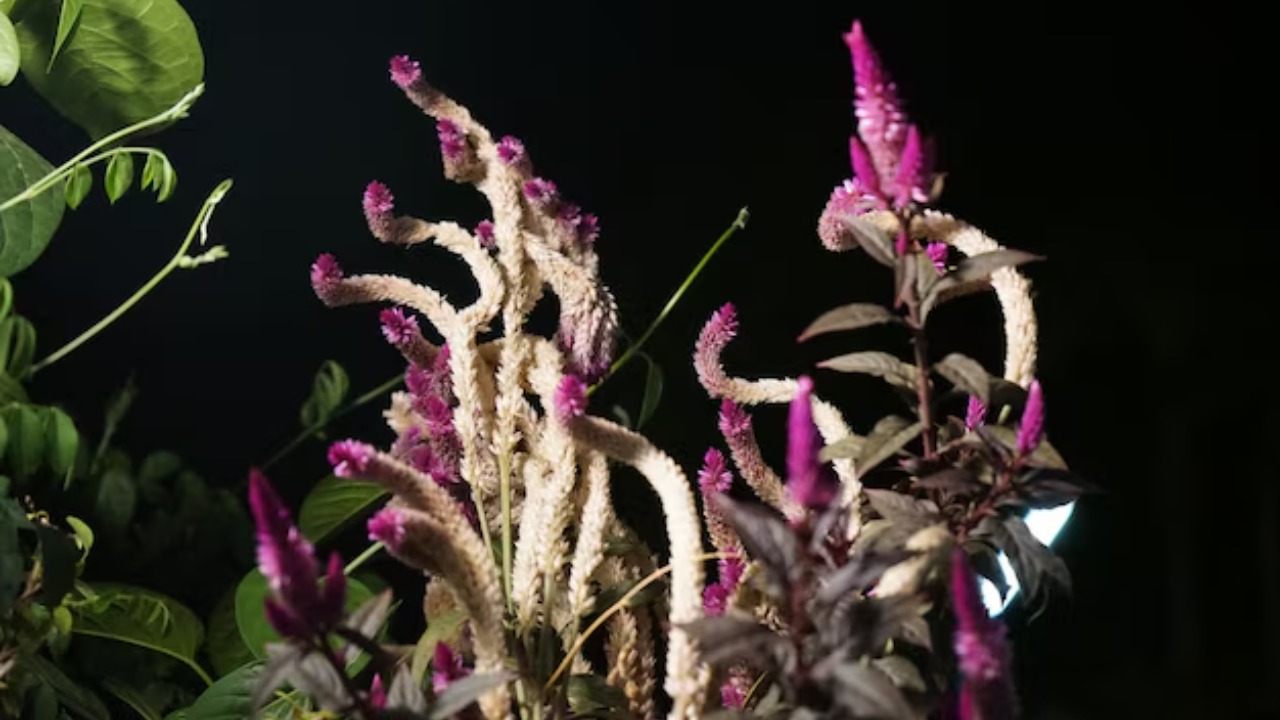
Plant life underground exists in stark contrast to the bright and resource-rich environments we typically associate with flora. The conditions deep underground are extreme: no sunlight, high pressure, low nutrients, and minimal water. Yet, these plants have found a way to adapt and survive in such hostile environments.
These subterranean plants use a unique mechanism for survival. Instead of photosynthesis, which requires sunlight, they rely on chemosynthesis, a process that utilizes the energy derived from chemical reactions. This adaptation allows the plants to convert inorganic material into usable nutrients. Another noteworthy feature of these plants is their genetic adaptability. Their genomes have evolved to be highly flexible, enabling them to withstand the extreme conditions underground. This genetic flexibility represents a significant evolutionary leap compared to surface-dwelling plants.
The Role of Geomicrobiology in the Discovery

The field of geomicrobiology has played a pivotal role in this discovery. Geomicrobiology explores the interaction of microorganisms with geological materials. These microbes help sustain plant life underground by breaking down inorganic material into nutrients that the plants can utilize.
The symbiotic relationship between these subterranean plants and underground microbes is a key factor that allows these plants to survive. The microbes receive shelter and nourishment from the plants, and in return, they help the plants access nutrients. This mutual cooperation has been instrumental in the survival and evolution of these unique plant species.
Implication for Theories of Life Beyond Earth
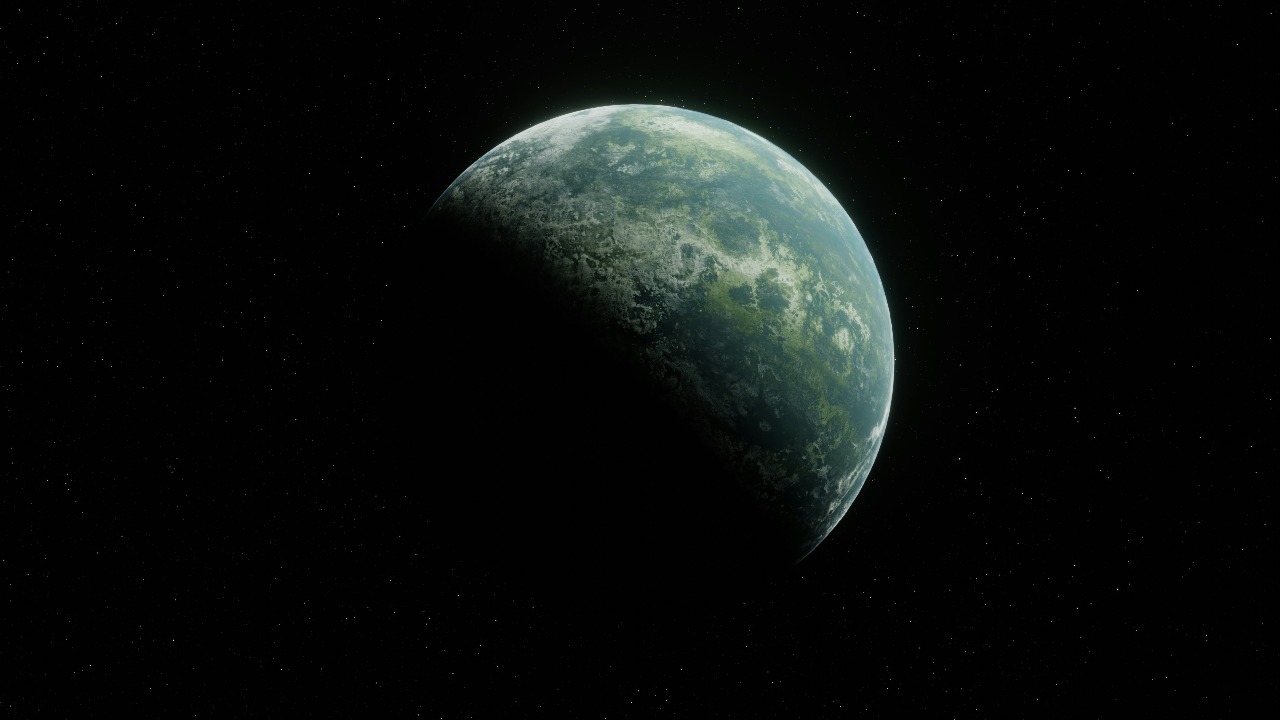
This discovery of underground plant life has far-reaching implications, challenging existing biological norms and opening up new possibilities for life beyond Earth. The survival of plants in such extreme conditions broadens our definition of ‘habitable’ environments and fuels the speculation that life could exist in similar conditions on other planets.
These revelations are particularly significant in the field of astrobiology, which studies the possibility of life beyond Earth. The idea that life could exist deep beneath a planet’s surface, without sunlight or traditional nutrients, is intriguing and provides a new perspective for future explorations of Mars and other celestial bodies.
Unanswered Questions and Future Research

While this discovery is undoubtedly groundbreaking, it leaves many questions unanswered. What other organisms exist in these underground ecosystems? How have these plants and microbes evolved over time? What are the potential applications of these unique genetic adaptations?
Future research will delve deeper into these questions, shedding more light on these extraordinary life forms and their ecosystems. This could lead to further groundbreaking findings and even potential applications in medicine, agriculture, and bioengineering. The discovery of plant life deep underground is not just a scientific curiosity, but a testament to the resilience of life and its capacity to adapt to the harshest of conditions. The full research details the journey of this extraordinary discovery and its implications.