

In a significant breakthrough, astronomers have identified the presence of so-called “forbidden” elements in the Sun’s core. This surprising find not only pushes the boundaries of our existing comprehension of the Sun and its makeup but also paves the way for future scientific exploration and study.
The Nature of the “Forbidden” Elements
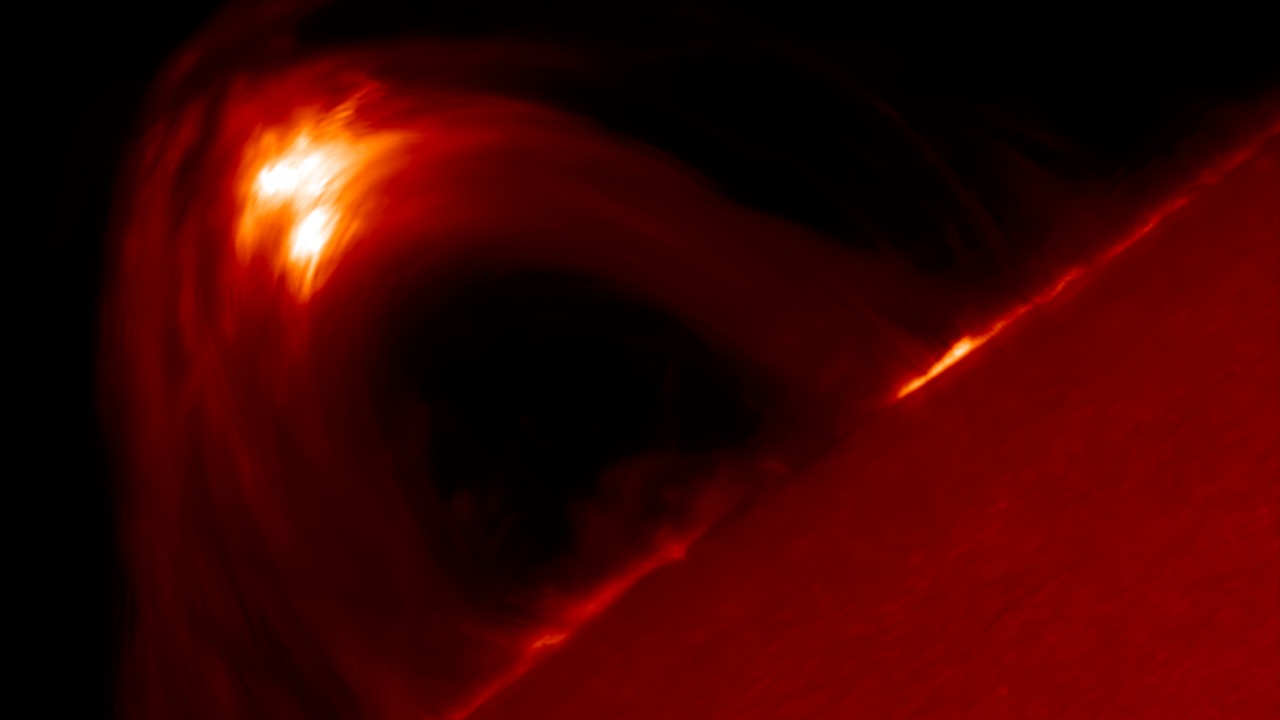
In the realm of solar physics research, “forbidden” elements refer to those atomic species which are not expected to be found in the Sun according to the standard solar model. The term “forbidden” does not imply that these elements are illegal or dangerous, but rather that their existence within the Sun contradicts conventional scientific understanding.
Among these unexpected elements, one that stands out is Fluorine. Despite the Sun’s extremely high temperatures, which should theoretically destroy this element, Fluorine is present within the Sun’s core. This discovery raises thought-provoking questions about the Sun’s composition and the processes that take place within its fiery core.
The Methodology Behind the Discovery

The detection of these forbidden elements was made possible through advanced spectroscopic techniques. Spectroscopy, a method used to analyze the light emitted or absorbed by substances, enables scientists to identify elements present in the Sun by studying the unique spectral lines each element produces. This method has been a crucial tool in the study of celestial bodies.
Complementing these spectroscopic observations, neutrino flux measurements played a pivotal role in validating the existence of these elements. Neutrinos, subatomic particles produced in nuclear reactions, pass through matter virtually unhindered, providing direct information about the Sun’s core. Moreover, the use of helioseismology, a discipline that uses wave oscillations to probe the Sun’s internal structure, further supported this discovery. Helioseismology has been instrumental in enhancing our understanding of the Sun’s composition and internal dynamics.
Implications for Our Understanding of the Sun

The presence of these forbidden elements within the Sun’s core challenges the standard solar model, which is our current theoretical representation of the Sun’s structure and composition. This discovery suggests that the Sun may have a more complex and diverse elemental makeup than previously thought. Furthermore, these findings have profound implications for our understanding of stellar nucleosynthesis, the process by which new elements are created within stars.
=
This discovery could also have significant consequences for our understanding of the Sun’s evolution and life cycle. If these forbidden elements are present in the Sun’s core, it suggests that the processes governing the Sun’s evolution might be more intricate than we currently understand. This could lead to a reevaluation of the Sun’s expected life span and future behavior.
Potential Impact on Solar Physics
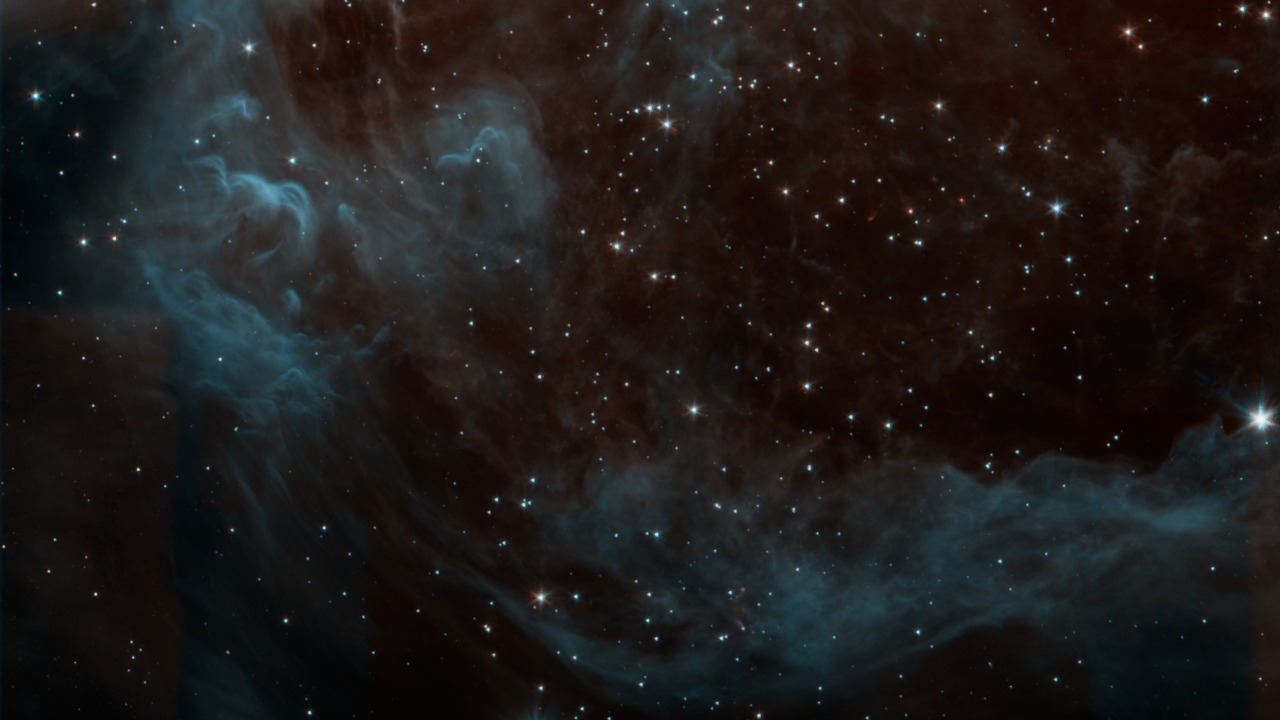
The discovery of these forbidden elements could prompt a significant reevaluation of theories in solar physics. If these elements can exist in the Sun’s core, it suggests that our current understanding of solar physics may need considerable revision. This discovery opens up exciting new research directions, potentially revolutionizing the field of solar physics.
Moreover, this discovery has implications for future space missions and the study of other stars. Understanding the true composition of the Sun’s core could influence the design of future solar probes and the strategies used to study other stars. Future space missions will undoubtedly benefit from this new knowledge.
The “Forbidden” Elements in a Broader Astrophysical Context
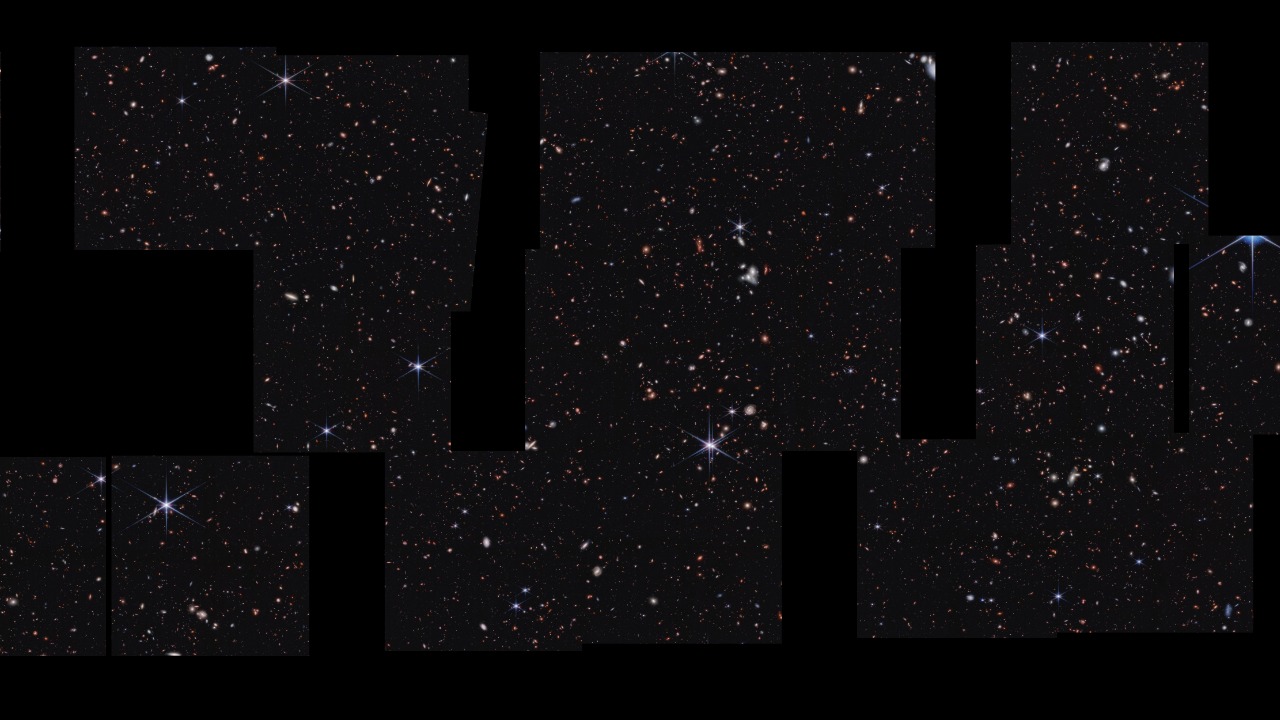
The detection of forbidden elements is not limited to our Sun. Similar discoveries have been made in other stars and celestial bodies, challenging our understanding of stellar evolution. For instance, the detection of lithium in older stars, where it should have been destroyed, has puzzled scientists and demanded a rethinking of stellar aging models. These findings are reshaping our understanding of stellar evolution in general.
Moreover, the presence of these elements could have implications beyond stars. Consider the example of the “forbidden planet” that managed to survive the death of its star. The discovery of helium in this planet’s atmosphere, an element usually found only in the deep interiors of gas giants, was an unexpected find. This suggests that forbidden elements may also exist in planets and other celestial bodies, further expanding the potential scope of these discoveries. This “forbidden planet” serves as a fascinating case study for the potential existence of these elements in unexpected places.