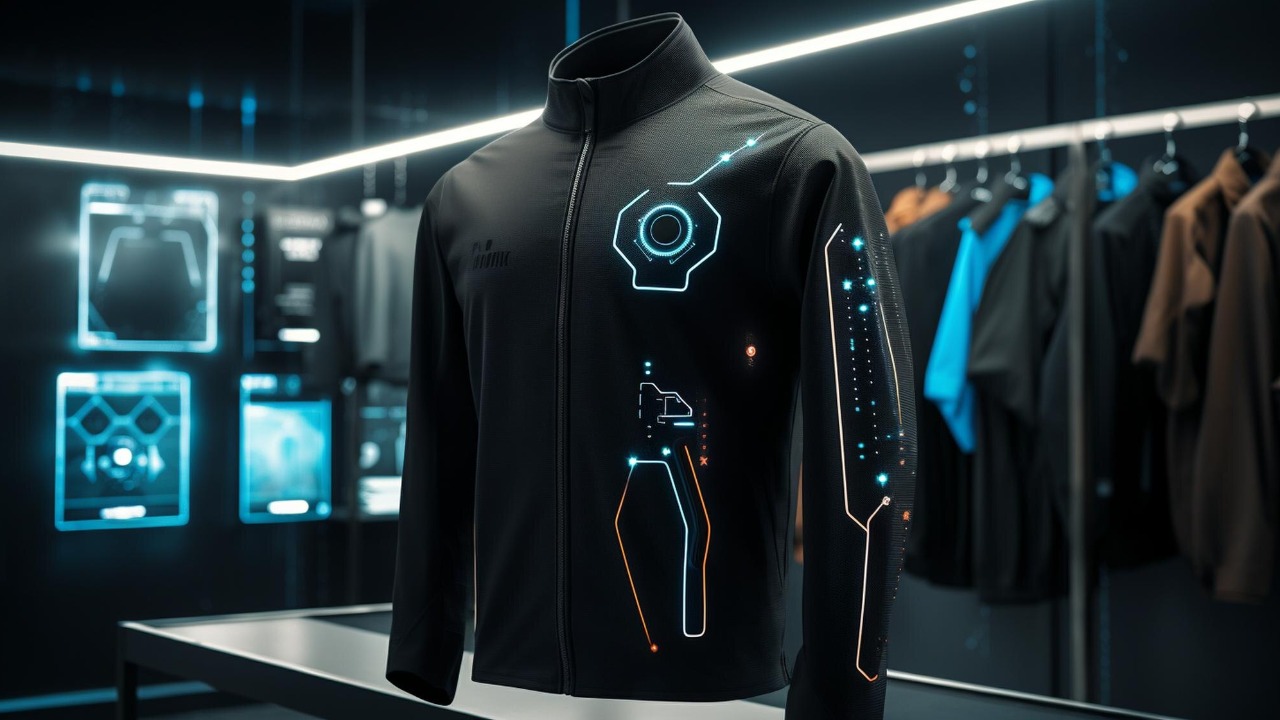

The innovative world of smart clothing is ushering in a new era of wearable technology. With the capability to regulate body temperature in real time, this advancement is poised to revolutionize our daily lives. The development of temperature-regulating smart clothing is an indication of how technology continues to push the boundaries of what we previously thought possible.
Understanding Smart Clothing Technology
Smart clothing, or e-textiles, are garments embedded with digital components and connectivity. They are designed to interact with the wearer and their environment to provide benefits such as health monitoring, communication, and in this case, temperature regulation. The technology used in smart clothing to control temperature involves a combination of advanced fabrics and integrated electronics. These components work together to monitor the wearer’s body temperature and adjust the garment’s heat retention or dissipation accordingly.
The science behind temperature regulation in smart clothing is based on the principles of thermoregulation, the process by which the body maintains its core internal temperature. Smart clothing mimics this process by using sensors to detect changes in body temperature and then electronically adjusting the fabric’s thermal properties. This innovative approach creates a personalized microclimate for the wearer, which can be particularly beneficial in extreme weather conditions or during physical activity.
The Voormi Initiative: A Case Study in Smart Clothing

Voormi is a company that has taken the lead in the development of smart clothing. Their mission is to create performance-oriented apparel that can adapt to the wearer’s environment. Voormi’s smart clothing is designed to regulate body temperature in real time, offering a level of comfort and convenience that traditional clothing simply cannot match.
With their innovative body temperature regulation features, Voormi’s smart clothing has made a significant impact on the market. The reception has been largely positive, with consumers appreciating the comfort, convenience, and enhanced performance that these garments offer. This success is not only a testament to the effectiveness of smart clothing technology, but also an indication of its potential to transform the way we dress and interact with our environment.
Real-Time Applications of Smart Clothing
Smart clothing can be utilized in a variety of situations, from daily activities to specialized tasks. For example, hikers and climbers could benefit from smart clothing that adjusts to changing weather conditions, while athletes could use it to maintain optimal body temperature during training or competition. Similarly, people with medical conditions that affect body temperature could use smart clothing to help manage their condition.
There are already real-life examples of people using smart clothing to regulate body temperature. For instance, astronauts use smart clothing to maintain their body temperature in the harsh conditions of space. Meanwhile, firefighters use smart clothing to protect them from extreme heat while also allowing for sufficient cooling during physically demanding tasks. These examples highlight the wide range of potential applications for this technology.
The Future of Smart Clothing: Trends and Predictions

The current trends in smart clothing indicate a growing interest in wearable technology that can enhance comfort, performance, and personalization. Technological advancements are making smart clothing more effective, more reliable, and more affordable. This is expected to drive further growth in the market, as more consumers become aware of the benefits of smart clothing.
However, the smart clothing industry also faces potential challenges. These include issues related to privacy and data security, as well as the need for industry standards and regulations. Nevertheless, the opportunities for innovation and growth in the smart clothing industry are significant. As technology continues to evolve, we can expect to see even more sophisticated and versatile smart clothing in the future.
Comparing Smart Clothing to Traditional Base Layers
Traditional base layers are designed to provide a layer of insulation against the cold and to wick away sweat in hot conditions. However, they lack the ability to actively regulate body temperature in response to changes in the environment or physical activity. In terms of functionality, smart clothing offers a clear advantage over traditional base layers.
While smart clothing may be more expensive than traditional base layers, many consumers find the increased comfort and performance to be worth the extra cost. In a comparison of base layers, smart clothing consistently outperformed traditional options in terms of temperature regulation. This, combined with the potential for personalized comfort and enhanced performance, makes smart clothing an increasingly popular choice among consumers.