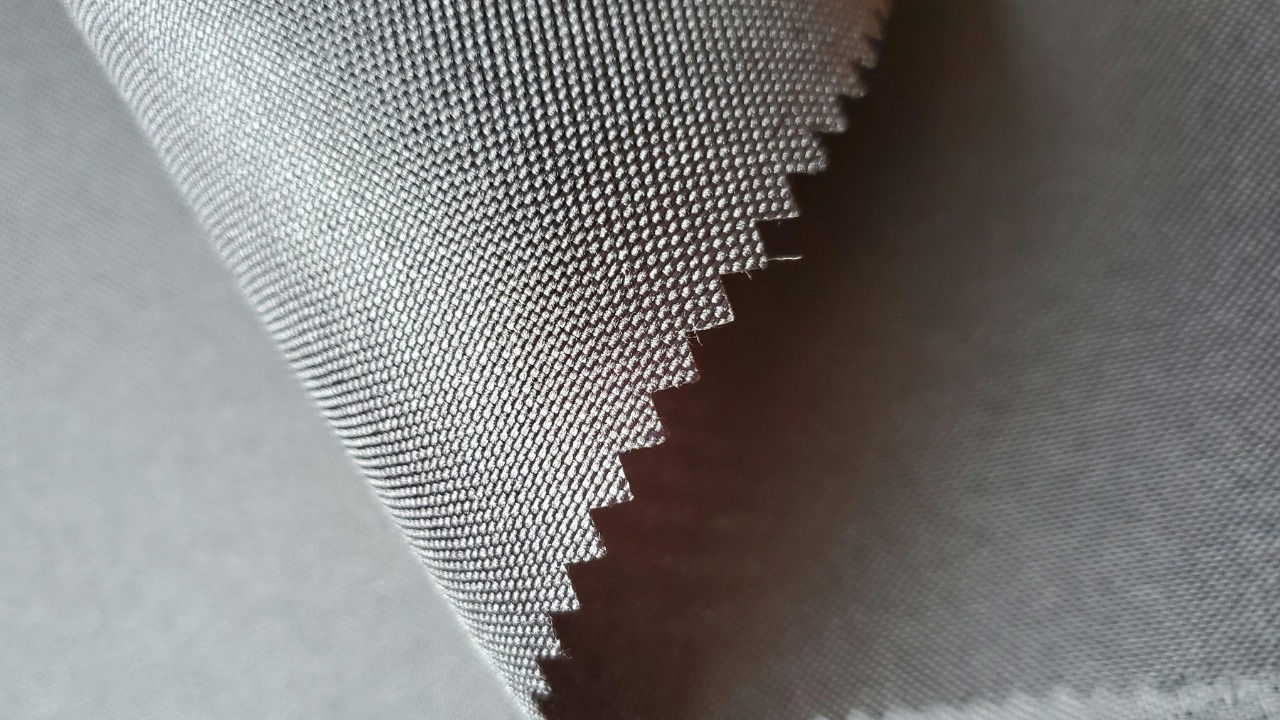

Engineers have made a significant leap in the realm of wearable technology by successfully creating flexible batteries that can be woven into fabric. This revolutionary development not only enhances the comfort and convenience of wearable devices but also paves the way for numerous possibilities within the world of smart textiles.
The Science Behind Flexible Batteries
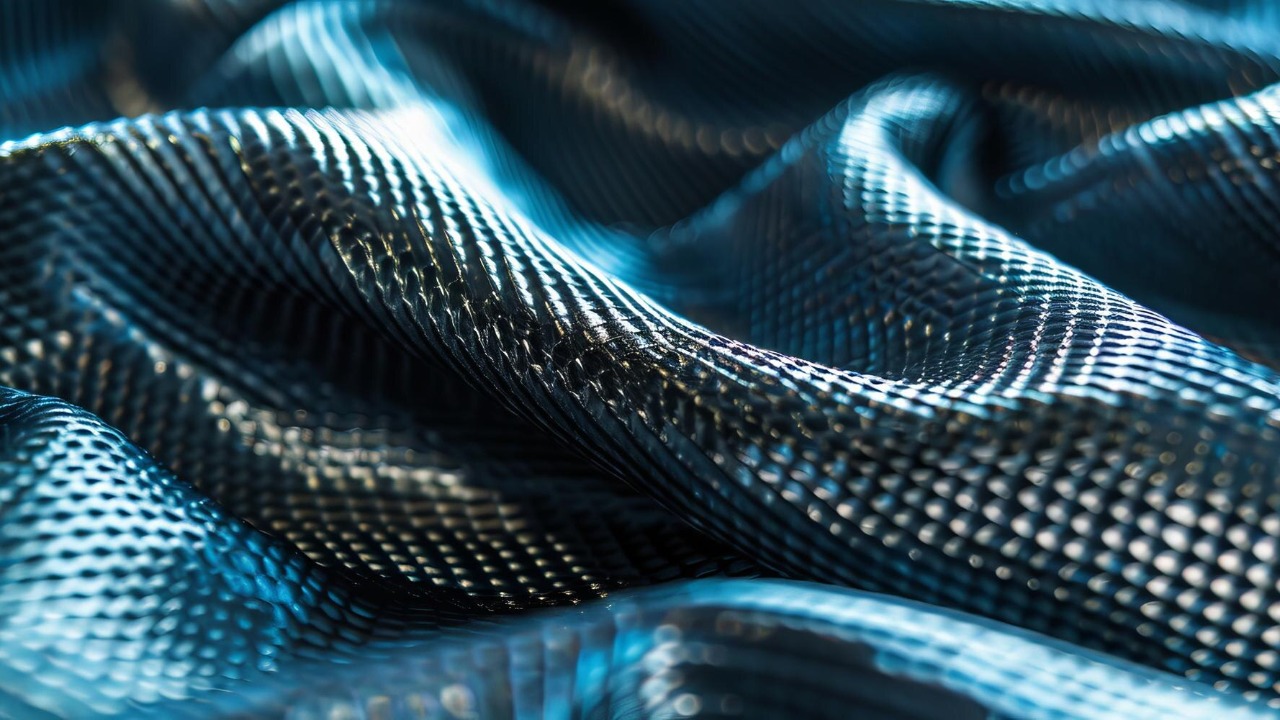
Creating flexible batteries involves innovative technology, typically centered around lithium-ion technology and fiber-based batteries. Lithium-ion batteries are common in most portable electronics due to their high energy density and long cycle life. However, transforming these traditionally rigid batteries into a flexible form has been a challenge. One of the most significant breakthroughs in this area came from the development of fiber-based batteries, as documented in a study published in Advanced Materials.
In terms of environmental impact, flexible batteries could potentially be more sustainable than their rigid counterparts. The challenge, however, lies in maintaining their energy density and optimizing their lifecycle while ensuring flexibility. Research into sustainable materials for batteries, such as those discussed at Northwestern University, may provide solutions to these challenges in the future.
Applications of Flexible Batteries in Wearable Technology

Flexible batteries have found a natural application in wearable technology. Devices like smartwatches, fitness trackers, and health monitors, which were previously constrained by rigid batteries, can now become more comfortable and versatile. The use of flexible batteries also makes these devices more convenient for users, as they can be seamlessly integrated into everyday clothing and accessories.
Despite the clear advantages, integrating flexible batteries into wearable devices also presents some challenges. Ensuring that these batteries can withstand the physical stresses of daily wear and tear, such as bending and stretching, is a critical concern. Additionally, maintaining optimal performance, such as long battery life and fast charging, while guaranteeing safety, is another hurdle that engineers have to overcome.
The Future of Smart Textiles With Flexible Batteries

Weaving batteries into fabric has opened up exciting possibilities for smart textiles. These textiles, powered by flexible batteries, can potentially transform sectors like healthcare, sports, and fashion. In healthcare, for instance, smart textiles could monitor vital signs or deliver medication. In sports, they could track performance metrics, and in fashion, they could change color or pattern at the touch of a button.
Extensive research is ongoing to explore the potential of smart textiles. Expected advancements in this field include improving the durability, flexibility, and energy density of the batteries. Additionally, efforts are being made to make these batteries and textiles more eco-friendly and sustainable.
Examples of Innovation in Flexible Batteries

There are several notable examples of innovation in flexible battery technology. The University of Houston, for instance, has been working on stretchable and flexible batteries. Their development is designed to withstand mechanical deformation while maintaining high energy density.
Similarly, MIT has made significant strides in fiber-based battery technology, creating the longest fiber-based battery to date. According to a news release from MIT, this battery can be woven into fabrics and used to power wearable electronics, demonstrating the real-world application of this technology.
Regulations and Safety Concerns of Flexible Batteries

As with any new technology, flexible batteries and their integration into wearable technology come with potential safety concerns. These batteries, like their rigid counterparts, contain chemicals and materials that can be harmful if not properly contained or disposed of. Safety mechanisms need to be in place to prevent potential hazards, such as overheating or chemical leakage. Regulatory bodies are working to establish guidelines and standards to ensure the safety and reliability of these new technologies.
In conclusion, the development of flexible batteries that can be woven into fabric is paving the way for a new era of wearable technology and smart textiles. While challenges remain, the potential of this technology is vast, and ongoing research and innovation promise to continue pushing the boundaries of what is possible.