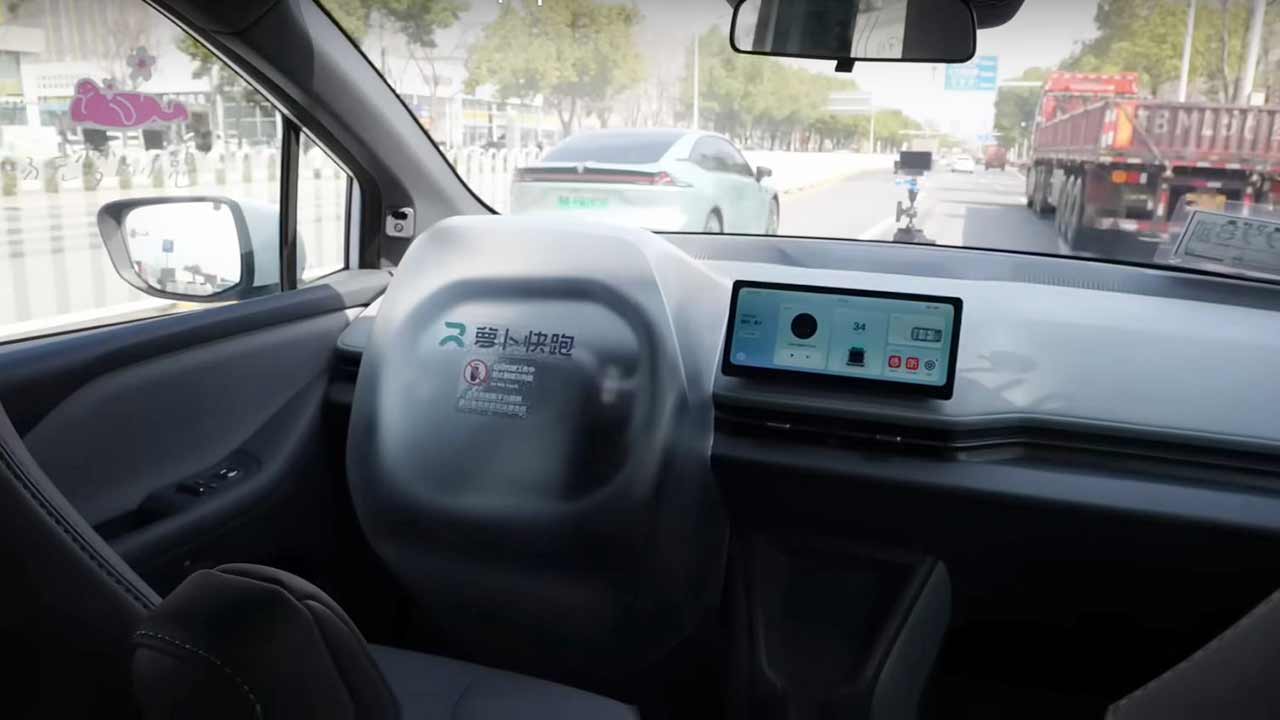

The automotive industry is stepping into a new chapter of innovation, with revelations that several companies are conducting covert tests on cars without steering wheels. This revolutionary step, while exciting, raises a plethora of questions regarding safety, legality, and the potential impact on the future of transportation.
The Emergence of Steering-Wheel-Less Cars
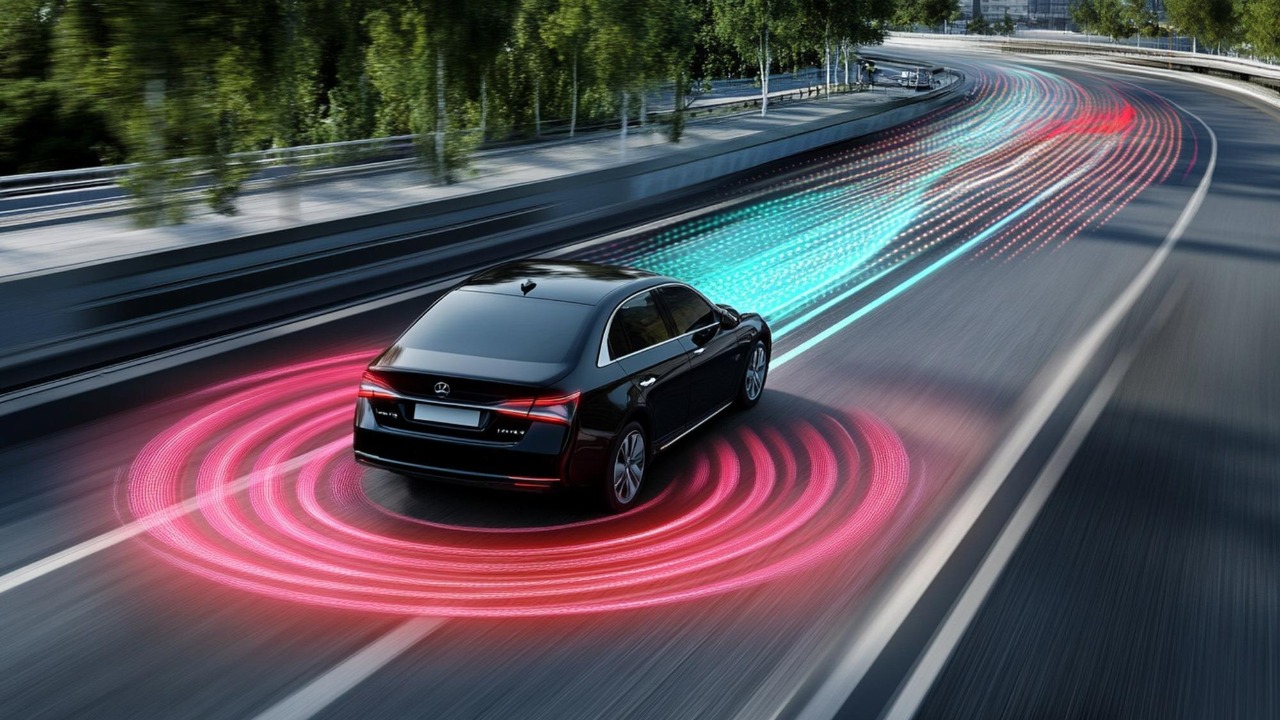
Envisioning a future with cars that lack steering wheels is no longer a matter of science fiction. Technological advancements in the field of autonomous driving have made this a conceivable reality. While traditional vehicles rely on human input to navigate, these new models are designed to be completely self-sufficient, redefining the concept of vehicle autonomy.
The potential benefits and implications of these vehicles are vast. Just as the shift from horse-drawn carriages to motor vehicles revolutionized transportation, the advent of steering-wheel-less cars could initiate yet another paradigm shift. They could potentially reduce human error, leading to safer roads, and might also revolutionize the logistics and taxi industries by eliminating the need for human drivers.
Unveiling the Testing
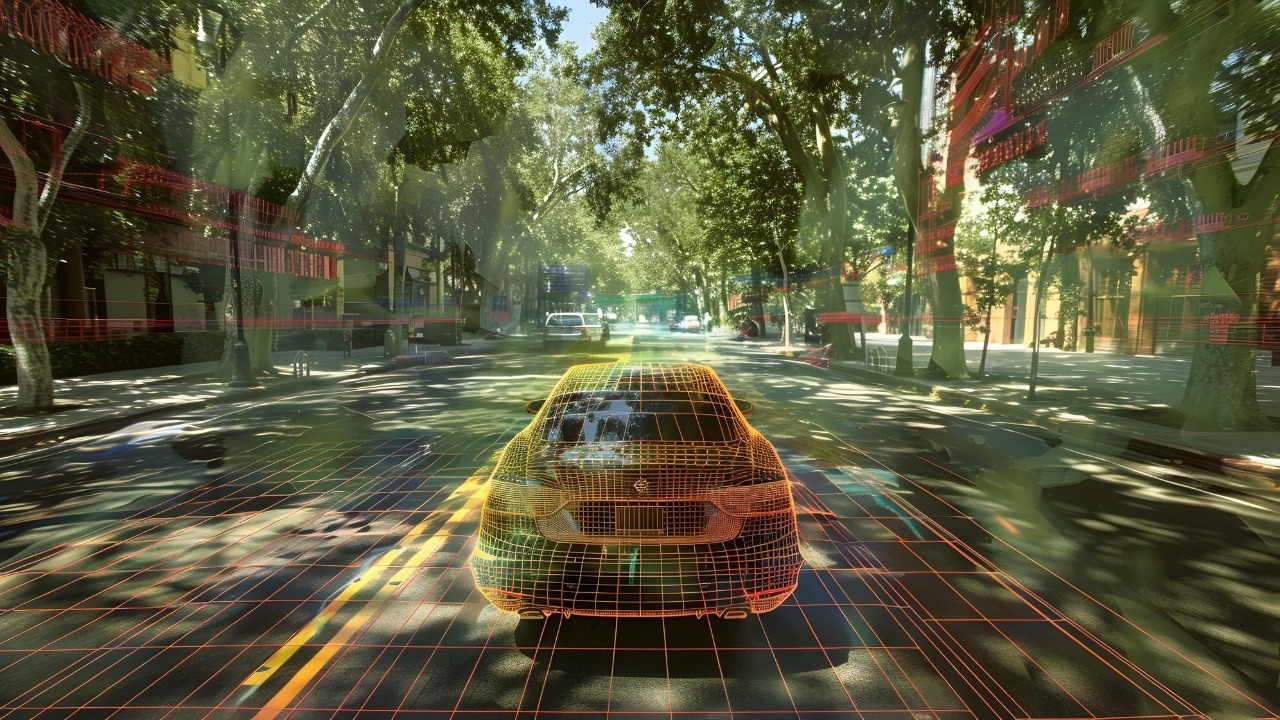
Recent reports have shed light on the covert testing of these futuristic vehicles by several automakers. While these tests are shrouded in secrecy, circumstantial evidence and industry leaks suggest that a number of companies are at the forefront of this innovation. An ABC7 News report provides an insight into the race towards driverless vehicles, highlighting the efforts of companies like Motional and Zoox.
The secrecy surrounding these tests is likely driven by a multitude of factors. Among them, the competitive advantage of being the first to market with a truly autonomous vehicle and the desire to avoid public backlash until the technology is perfected and safety assured.
Technology Behind the Wheel-less Cars

The technology empowering these steering-wheel-less vehicles is a fascinating amalgamation of advancements in the field of artificial intelligence, sensor technology, and advanced algorithms. At the core of these vehicles lies the autonomous driving system, capable of making split-second decisions, reading traffic signs, and navigating complex traffic scenarios.
Another intriguing aspect of the technology development process is the use of sim racing tools. These tools, typically used by gamers and professional racers, are aiding OEMs in the testing and development of autonomous vehicles by simulating real-world driving conditions and collecting valuable data.
Legal and Safety Concerns

While the prospect of steering-wheel-less vehicles is exciting, it comes with a host of safety concerns. The primary worry being the inability for a human to intervene in case of an emergency. Over-reliance on technology could lead to catastrophic results if the system malfunctions or encounters a situation it has not been programmed to handle.
The legal landscape for these vehicles is also a complex one. For instance, China, a major player in the automotive industry, recently introduced legislation that poses a significant roadblock for driverless cars. This indicates the hurdles these vehicles might face in gaining widespread acceptance and legal clearance.
Impact on the Automotive Industry
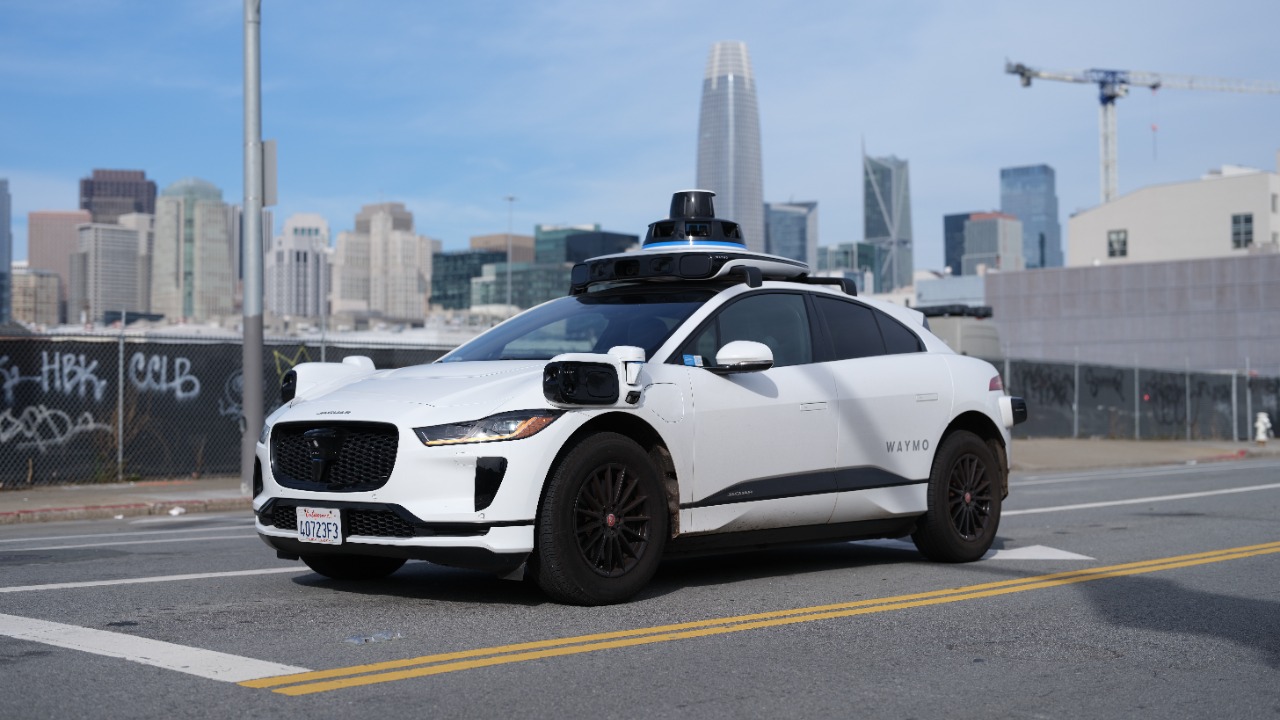
The introduction of steering-wheel-less vehicles could dramatically disrupt the traditional automotive industry. This could influence every facet of the industry, from the design and manufacturing process to sales and marketing strategies. The race to develop these vehicles is set to reshape the competitive landscape, potentially giving an edge to companies that are able to successfully bring these cars to market.
The shift could also lead to new business models and partnerships, such as collaborations between traditional automakers and tech companies, which could significantly alter the dynamics of the industry.
The Future of Transportation
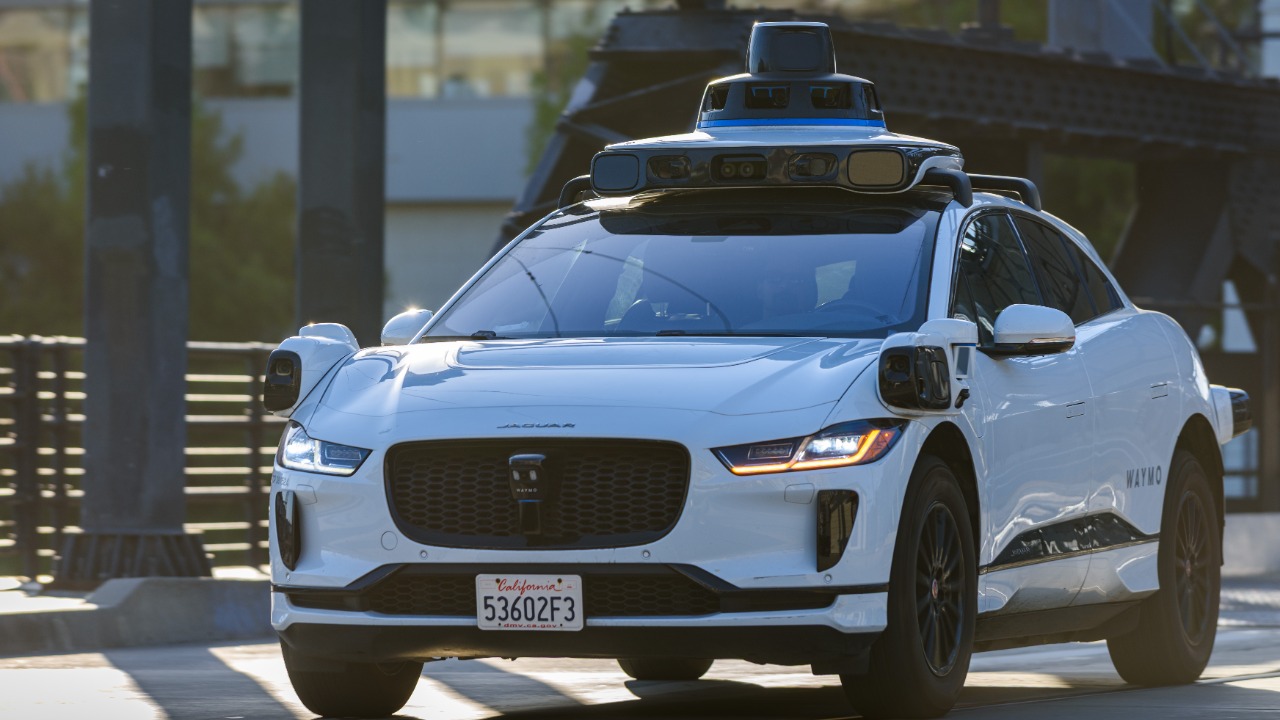
If steering-wheel-less cars become mainstream, it would undeniably transform the transportation landscape. Traffic management might need to be overhauled to accommodate these vehicles, and city planning could be influenced by the prospect of roads dominated by autonomous vehicles.
On a societal level, the concept of car ownership might change, with shared autonomous vehicles becoming the norm. This could also have significant environmental implications. With the potential for these vehicles to be electric, we could see a significant reduction in carbon emissions, contributing to global efforts to combat climate change. This book provides an in-depth exploration of the potential societal and environmental implications.
While steering-wheel-less cars might seem like a distant reality, the wheels of this revolution have already been set in motion. The road ahead is filled with immense possibilities, challenges, and changes for the automotive industry and society at large.