
The world of artificial intelligence (AI) is divided into two main camps: open-source AI and corporate AI. Both have their unique advantages and applications, while their progress and competitiveness continually evolve in this rapidly advancing field. This exploration into the potential of open-source AI systems to compete with corporate models aims to provide an understanding of both types of AI, including their strengths, weaknesses, and recent developments.
Understanding Open-Source AI and Corporate AI
Open-source AI is built on the principles of transparency, collaboration, and accessibility. The source code is freely available for anyone to use, modify, and distribute, fostering an environment of shared knowledge and innovation. Applications of open-source AI are diverse, spanning sectors from healthcare to finance, entertainment, and beyond. For instance, TensorFlow, an open-source machine learning library developed by Google, is used to power many of Google’s own services, as well as numerous other applications worldwide.
On the other hand, corporate AI is typically developed within businesses and corporations, often with a high level of financial backing and resources. This allows for the creation of sophisticated systems tailored to the specific needs of the corporation. Corporate AI is typically used in areas such as customer service (like chatbots), data analysis, and predictive modeling. For example, DeepSeek, a corporate AI model, is used for deep-sea exploration and analysis.
The Benefits of Open-Source AI
One of the key strengths of open-source AI lies in its transparency and openness. This encourages innovation as developers from around the world can contribute to and improve upon existing models. This collaborative approach can lead to rapid advancements and diverse applications of AI. As an example, the open-source library SciKit-Learn has seen significant improvements and expansions due to contributions from the global community of developers.
Open-source AI is also highly accessible, providing opportunities for a wide range of individuals and organizations to leverage AI technology. This is particularly beneficial for start-ups and smaller organizations that may not have the resources to develop their own AI systems. As a result, open-source AI could be seen as a competitive advantage for these entities, empowering them to compete on a larger scale.
The Strengths of Corporate AI Models
Corporate AI models benefit from significant financial backing and resources, enabling the development of highly sophisticated AI systems. This level of funding allows for a focus on long-term research and development, leading to the creation of innovative and powerful AI technologies. Companies such as IBM and Google have made significant strides in AI development due to their considerable resources.
Moreover, corporations can leverage professional expertise and specialized knowledge in AI development. This often results in highly optimized and efficient AI systems. For instance, the development team behind Google’s DeepMind, a corporate AI model, consists of some of the world’s leading experts in AI and machine learning, enabling the creation of one of the most advanced AI systems in existence.
Comparing Performance: Open-Source AI vs Corporate AI
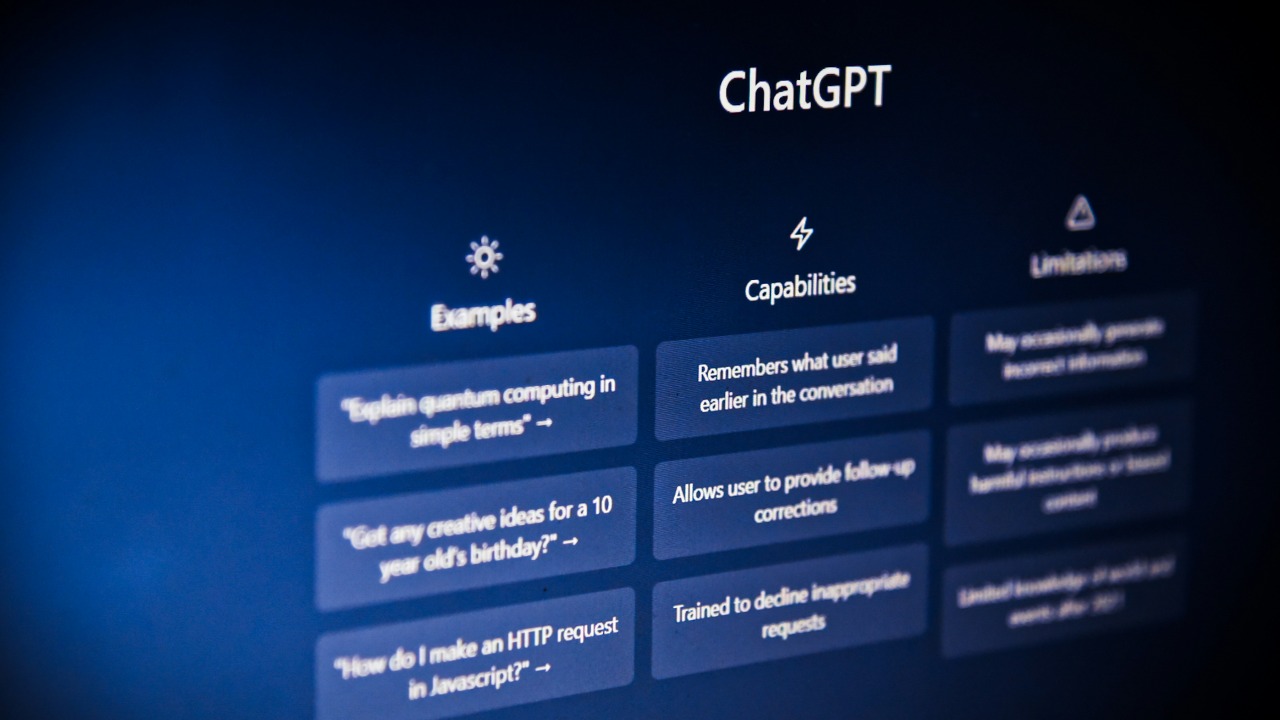
There have been notable instances where open-source AI systems have matched or even outperformed corporate AI models. For example, research by Nous revealed that their open-source AI models could outperform ChatGPT in certain areas, a corporate AI model developed by OpenAI.
However, open-source AI also faces significant challenges in matching the performance of well-funded corporate AI. These challenges include limitations in resources, such as computational power and access to large datasets, which are crucial for training advanced AI models. Additionally, the distributed nature of open-source development can sometimes lead to coordination issues, potentially slowing down the progress of development.
The Future of AI: Can Open-Source Compete?

Looking to the future, the potential for open-source AI to continue to compete with corporate AI models is significant. The growth of the open-source community, driven by the increasing interest in AI and machine learning, is leading to rapid advancements in open-source AI technologies. Furthermore, as AI becomes more integrated into everyday life, the demand for accessible and transparent AI solutions is likely to continue to grow.
For open-source AI to become a formidable competitor in the AI landscape, certain strategies could be beneficial. These may include fostering stronger collaboration within the open-source community, securing more funding for open-source projects, and developing partnerships with organizations that can provide access to resources and expertise. The future of AI is undoubtedly exciting, and as discussions on Reddit suggest, the role of open-source AI will be pivotal.
Research from the University of Oxford predicts that the competition between open-source and corporate AI will intensify in the coming years, with both camps likely to contribute significantly to the advancement of AI technology. As this dynamic unfolds, the landscape of AI will continue to evolve, offering exciting new possibilities and challenges.