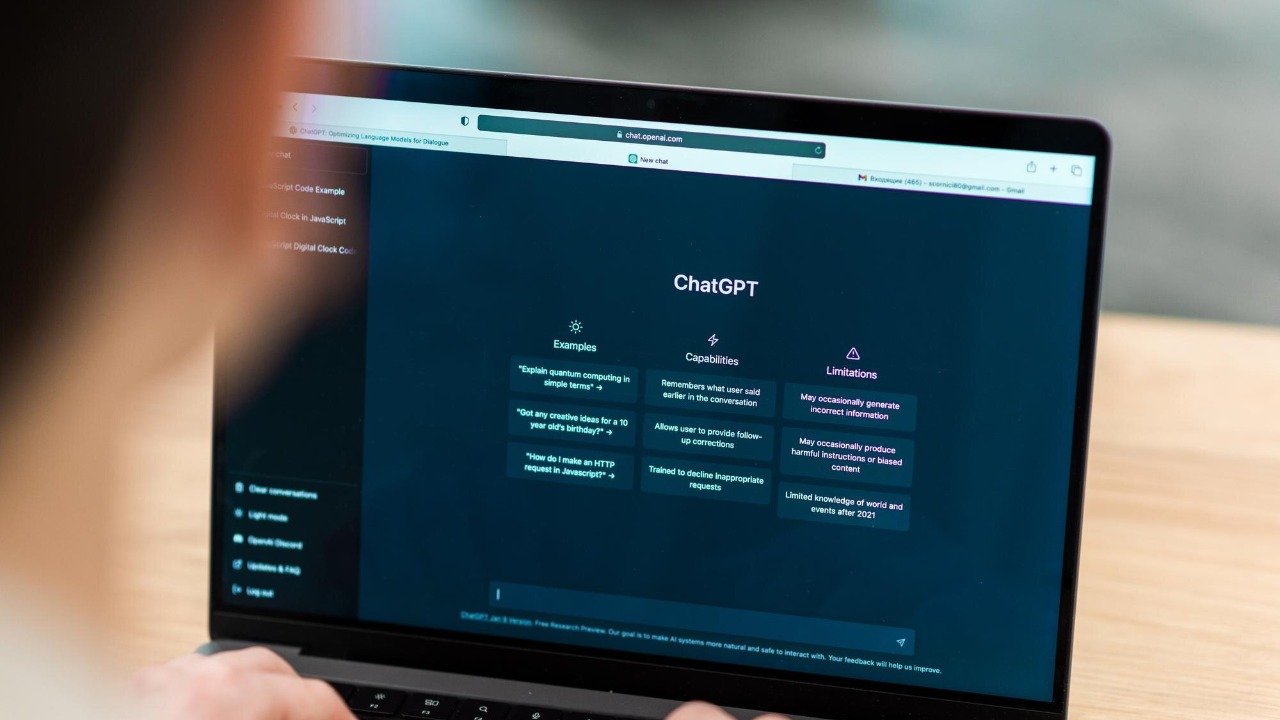

Artificial Intelligence (AI) continues to revolutionize various sectors, from healthcare to marketing, and it seems personal finance and time management are next in line. As we delve deeper into the age of AI, we may soon find AI agents managing our calendars and bank accounts.
Understanding AI Agents and Their Capabilities

AI agents are advanced software applications capable of performing tasks and making decisions autonomously. They utilize machine learning and deep learning techniques to process data, learn from it, and make predictions or decisions based on that data. For instance, AI agents like Amazon’s Alexa and Google Assistant are already familiar entities in many households, helping users with tasks ranging from setting alarms to ordering groceries online.
The capabilities of AI agents are ever-evolving. Up until now, they’ve been primarily used for relatively simple tasks. However, recent advancements in AI and machine learning technologies are paving the way for more complex applications. Ongoing AI research, as detailed in this Springer publication, indicates that future AI agents could have advanced capacities, including managing personal finance and time.
The Intersection of AI and Personal Finance

AI is already making its mark in personal finance. Many banking institutions are leveraging AI to provide personalized financial advice, detect fraudulent transactions, and automate customer service. AI-powered apps like Mint and PocketGuard help users track their spending and save money.
Going forward, it’s conceivable that AI agents could manage our bank accounts. Such agents could automate payments, make investment decisions, and even negotiate with banks for better interest rates. However, entrusting AI agents with our finances does raise questions about security and privacy. While AI systems can potentially improve financial management efficiency, there’s also a risk of data breaches and error-induced financial losses.
AI Agents and Calendar Management
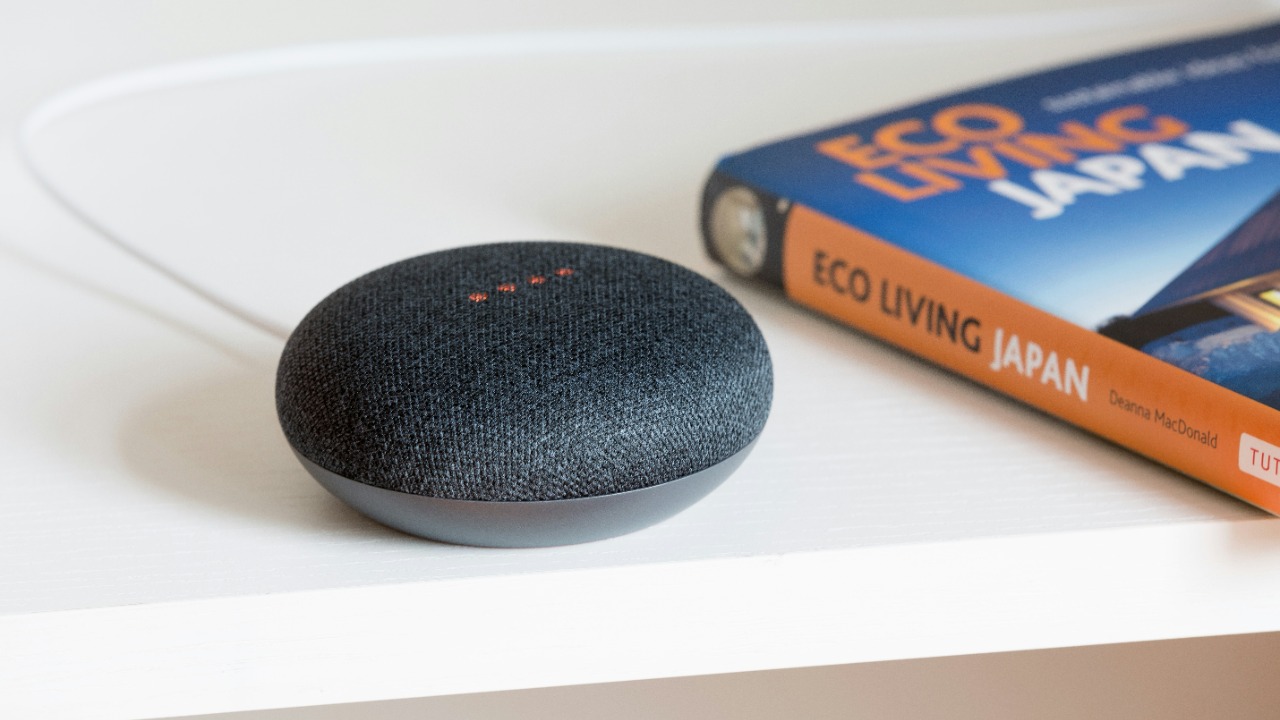
AI’s role in time and calendar management is also expanding. We’re already seeing this with AI-powered personal assistants like Google Assistant, which can schedule appointments, set reminders, and even suggest optimal times for meetings based on the user’s calendar.
Future AI agents could take calendar management a step further. They could, for instance, automatically schedule and reschedule appointments based on changing priorities, or even predict and allot time for tasks based on past data. However, as with financial management, there are privacy concerns to consider. AI agents would need access to detailed personal data to efficiently manage a user’s time, raising questions about data security and the risk of misuse.
AI Accountability and Company Ownership

As AI agents become more integrated into our daily lives, ethical considerations become increasingly pertinent. Who is responsible if an AI agent makes a costly error or causes a data breach? Current discourse suggests that the onus should fall on the companies that develop and deploy these AI agents.
Moreover, company ownership plays a significant role in the control and deployment of AI agents. If a single company monopolizes AI agent technology, it could lead to a lack of competition and innovation, not to mention potential misuse of user data. Therefore, a balance needs to be struck between company ownership, innovation, and user privacy and security.
Case Study: AI Time Accountant

One interesting application of AI in personal management is the concept of an AI time accountant. As outlined in this Medium post, an AI time accountant is an AI agent that manages your time as a financial accountant would manage your money.
This AI agent could track how you spend your time, suggest more efficient routines, and even predict future time requirements based on past data. However, as with any AI application, there are potential drawbacks. For instance, an AI time accountant would require access to detailed personal data, raising privacy concerns. Furthermore, the effectiveness of the AI agent would largely depend on the accuracy and comprehensiveness of the data it has access to.
Preparing for an AI-Managed Future

As we move closer to a future where AI agents manage our time and money, it’s crucial to prepare ourselves. This includes understanding the capabilities and limitations of AI agents, and being aware of the potential risks as well as the benefits.
Security measures will be particularly important. This might involve using two-factor authentication, regularly updating AI applications to ensure they have the latest security patches, and being mindful of the permissions granted to AI applications. Furthermore, it’s important to consider the societal implications of widespread AI agent adoption. While AI agents can potentially improve efficiency and convenience, they could also lead to job losses in sectors such as customer service and finance.