

As advancements in artificial intelligence continue to surge, so too does their potential impact on various professions. From content creation to customer service, AI tools are shaping up to be game-changers in the job market. Let’s delve into seven of these new AI tools that may quietly replace jobs.
Deep Learning Driven Content Creation: Threat to Writers and Editors

Artificial Intelligence has made significant strides in generating textual content. Tools such as OpenAI’s GPT-3 can write articles, emails, and even poetry that are nearly indistinguishable from those written by humans. This has brought about concerns among writers and editors about the potential of AI replacing their roles. However, it is important to note that these AI tools are currently more suited for generating draft content or ideas, and human expertise is still required for high-quality, nuanced writing.
AI Chatbots and Customer Service: The End of Call Centers?

Customer service is being transformed by AI chatbots. These tools can handle multiple customer interactions simultaneously, providing quick responses and resolving issues efficiently. In many cases, this can lead to improved customer satisfaction and cost savings for businesses. However, the human touch in customer service is still crucial for complex issues and empathetic interactions.
Robotic Process Automation: A Potential Replacement for Data Entry Jobs
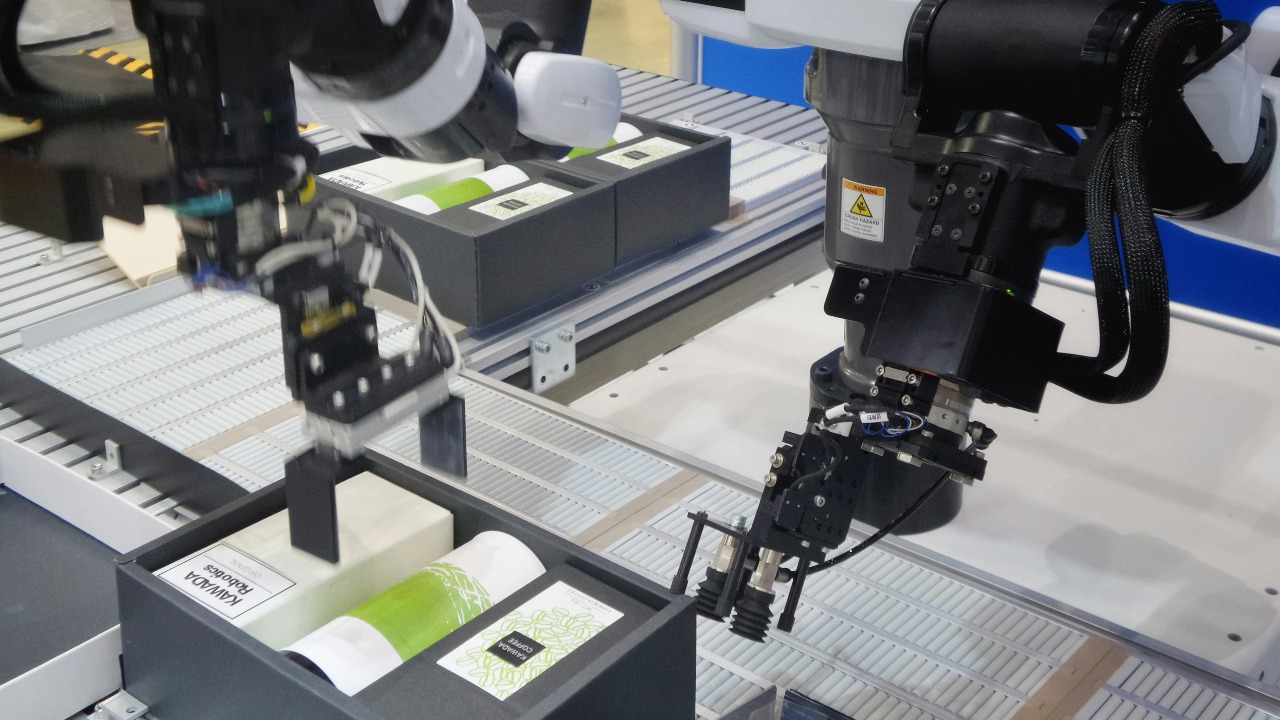
Robotic Process Automation (RPA) uses AI to automate repetitive tasks such as data entry. This not only increases efficiency but also reduces the potential for human error. However, the transition to RPA requires careful planning and execution to ensure that employees are adequately trained for new roles that emerge from this transition.
AI in Healthcare: Will Diagnostics and Radiology Professionals Be Affected?

AI tools such as Google’s DeepMind have shown promise in diagnosing health conditions from medical images, potentially impacting roles in radiology. Furthermore, AI can assist in predicting patient outcomes and personalizing treatment plans. However, the role of healthcare professionals is far from obsolete, given the critical need for human judgment and patient interaction.
Machine Learning in Financial Analysis: The Future of Banking and Investment Jobs

Machine learning algorithms are increasingly used in the financial sector for tasks such as credit scoring and algorithmic trading. These tools can analyze vast amounts of data and make predictions with high accuracy. However, they are tools to aid decision-making rather than replace human judgment, especially in complex and unpredictable financial markets.
AI in Manufacturing: Robots Replacing Assembly Line Workers
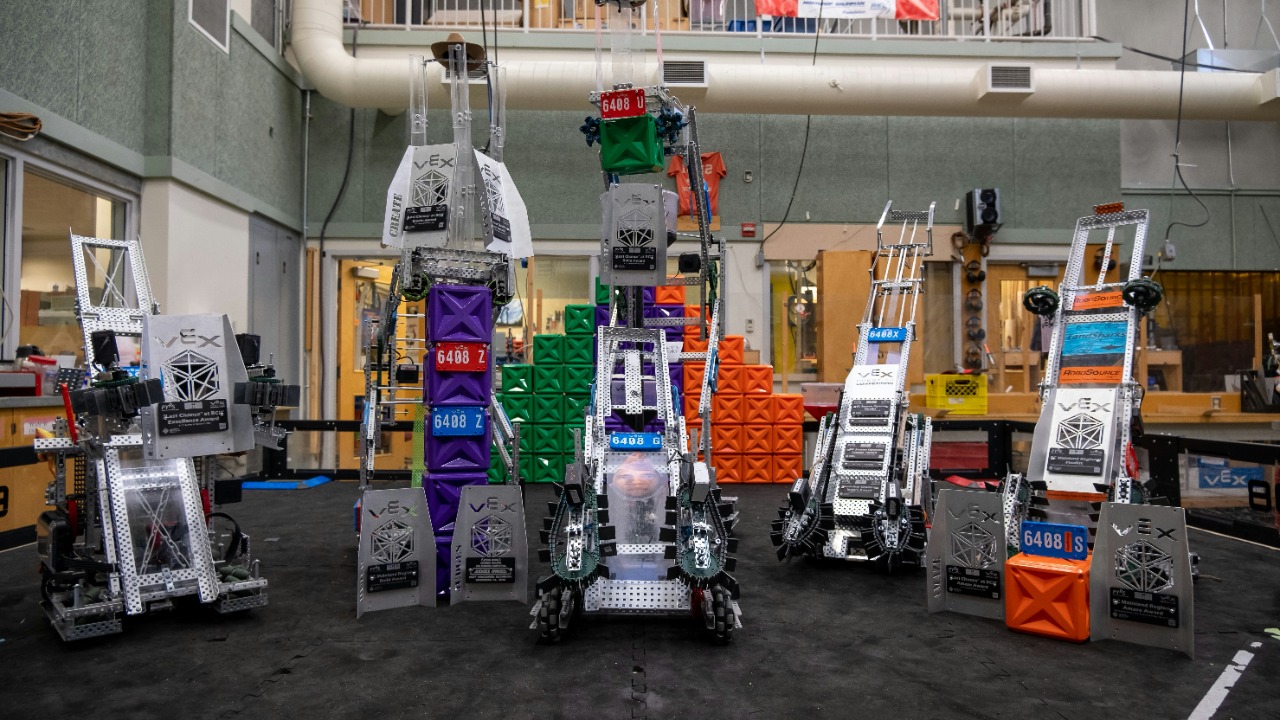
Robots have been a part of manufacturing for decades, but AI is taking automation to new levels. From AI-powered robots that can perform complex assembly tasks to predictive maintenance systems, AI is transforming manufacturing. However, this doesn’t necessarily mean the end of jobs in manufacturing. Instead, roles may shift towards more skilled positions such as robot programming and maintenance.
Self-Driving Technology: What Does it Mean for Truck and Taxi Drivers?

Self-driving technology is progressing rapidly, and autonomous vehicles are already being tested on public roads. This could significantly impact professional drivers in the trucking and taxi industries. However, it’s important to remember that full autonomy is still a way off, and drivers will continue to play a crucial role in transport for the foreseeable future. For more insights on this topic, check out this book.