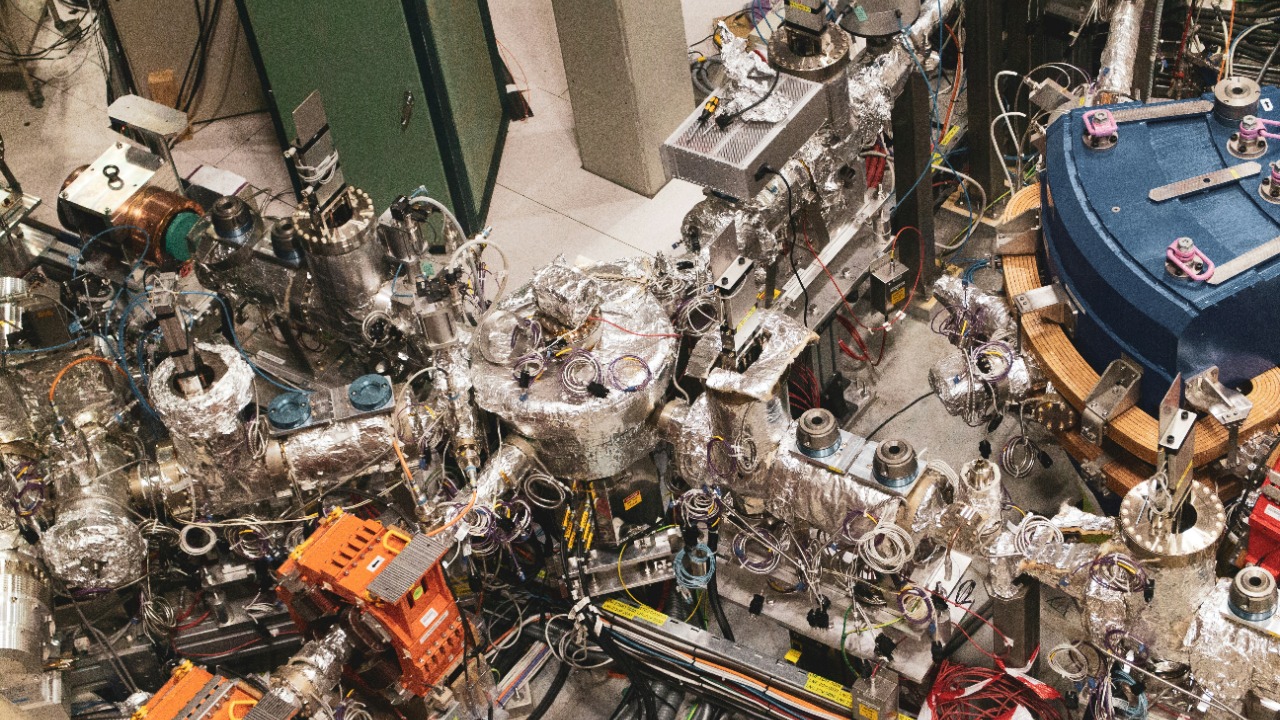

Recent developments within the field of physics have brought forth a groundbreaking discovery: a new state of matter. This revelation, taking place within a laboratory setting, promises not only to challenge our existing understanding of matter but also to open up potential applications within technology and engineering.
Understanding States of Matter
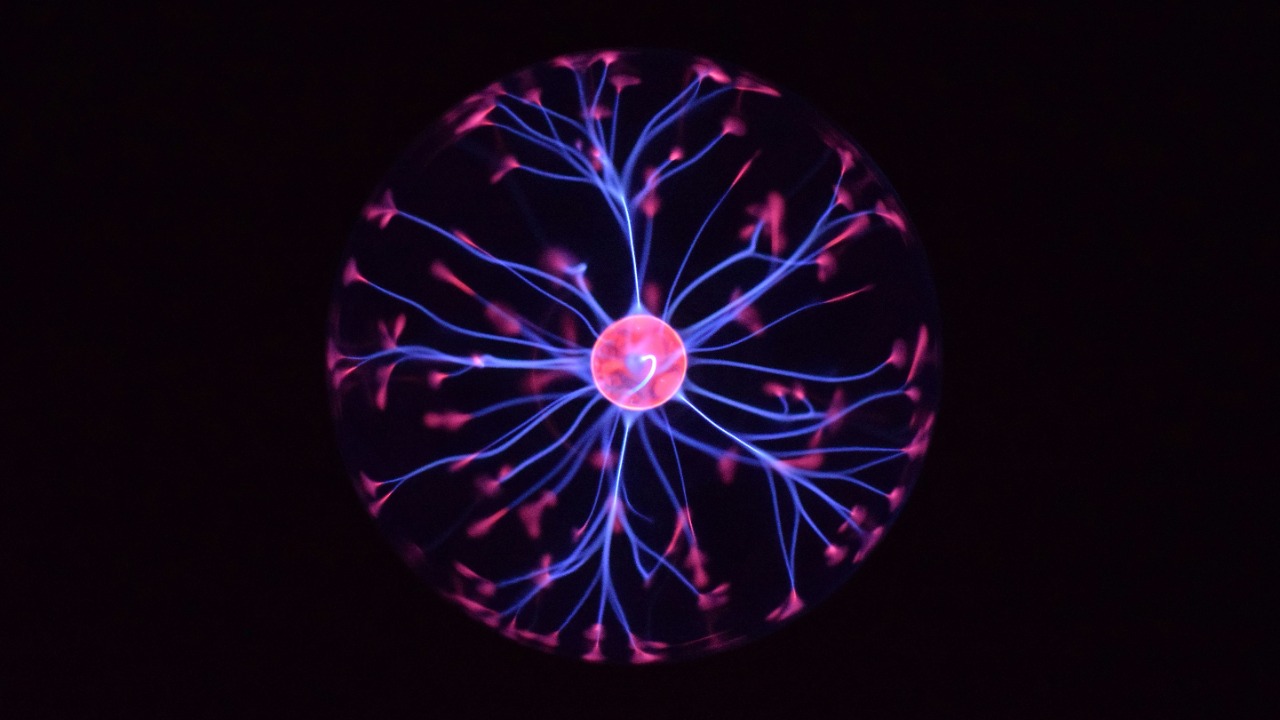
Traditionally, we are familiar with four states of matter: solid, liquid, gas, and plasma. These are the most common states that we encounter in our day-to-day lives. Solids have a defined shape and volume. Liquids have a defined volume but can change shape, while gasses can change both shape and volume. Plasma, the fourth state of matter, is a superheated form of gas in which electrons are stripped from atoms.
However, there are also less common states of matter that exist under extreme conditions, such as Bose-Einstein condensates and Fermionic condensates. These states can occur at temperatures close to absolute zero and exhibit properties of quantum physics. There is also the Quantum Spin Liquid, a state of matter that remains liquid despite being at absolute zero, due to quantum fluctuations. Further reading on these states can be found here.
Discovery of the New State of Matter

The newly discovered state of matter presents unique properties that set it apart from the known states. The exact behavior and characteristics of this state are still being investigated, but early findings suggest a state that exhibits properties from both solid and liquid states simultaneously under certain conditions.
This state was created under specific laboratory conditions, often involving extreme pressures or temperatures not usually found in nature. The meticulous scientific process that led to its discovery was a result of years of dedicated research, precise measurements, and a bit of serendipity. More details on the discovery can be found in this article.
Roles and Contributions of Key Scientists

The discovery of this new state of matter is the culmination of the tireless efforts of many scientists. These researchers, from various backgrounds and areas of expertise, have made significant contributions to this discovery.
While it would be impossible to provide an exhaustive list of everyone involved, a few key figures stand out for their specific contributions. Their dedication and expertise have provided us with a new understanding of the nature of matter, and their work continues to inspire further research. Here is a more detailed account of their work and contributions.
Implications for Physics and Beyond
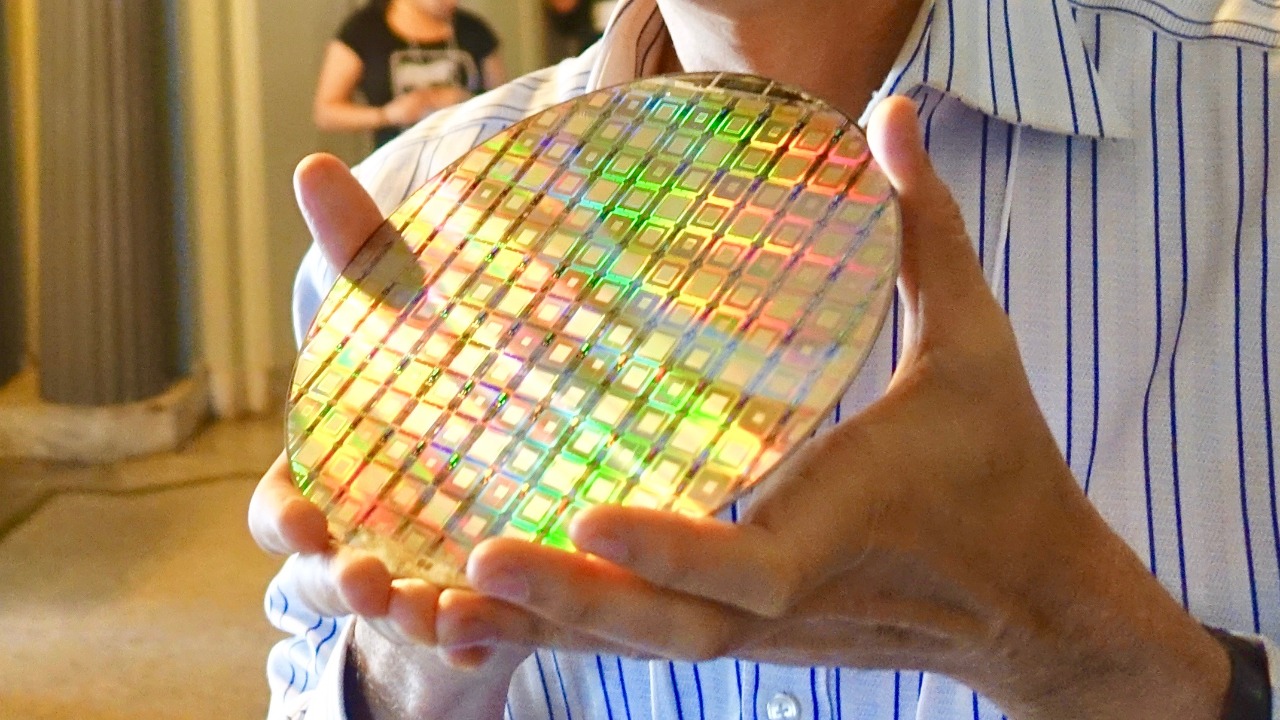
The discovery of this new state of matter has profound implications for our understanding of physics. Existing theories may need to be reconsidered or even reworked in light of this discovery, potentially reshaping our understanding of the fundamental nature of matter.
Moreover, this discovery has the potential to impact technology and engineering. The unique properties of this new state could be harnessed for various applications, from superconductors to quantum computing. Furthermore, it could also provide new insights into the workings of our universe. This paper discusses such implications in more detail.
The Future of Matter Research
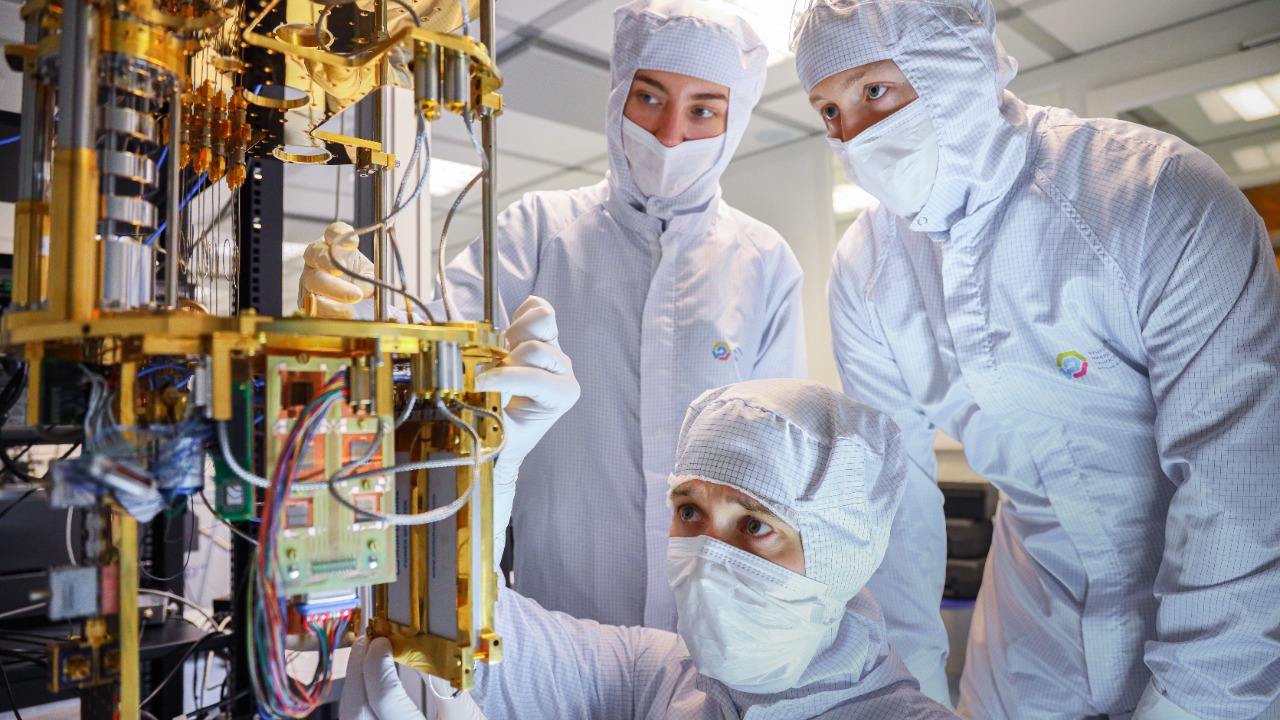
Research into new states of matter is a rapidly evolving field, with numerous research groups worldwide dedicated to discovering and understanding these states. This new discovery will undoubtedly fuel further research into other potential states of matter and their properties.
However, this field also presents several challenges. The conditions required to generate these states are often extremely demanding, and the properties of these states can be difficult to measure. Despite these obstacles, the potential rewards – both in terms of scientific understanding and practical applications – make this an exciting field of research. More on the future of matter research can be found in this book.