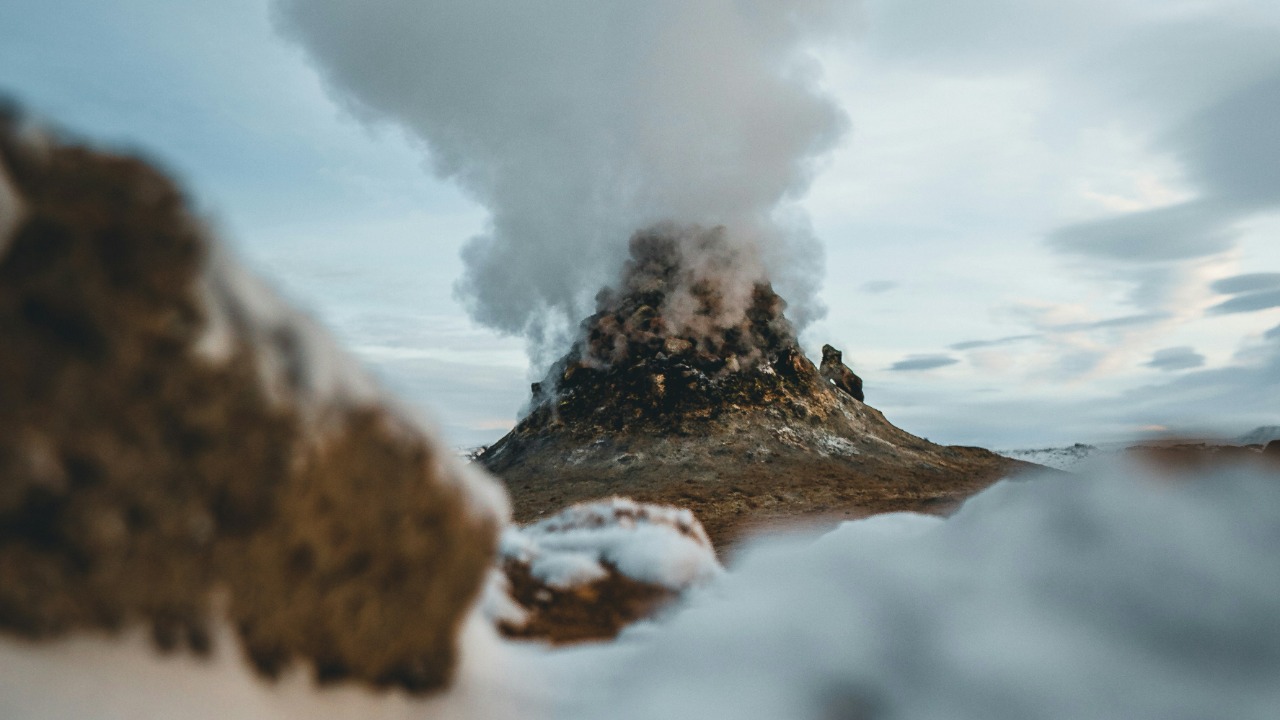

The potential impact of supervolcanoes on the acceleration of climate change is a topic of tremendous importance in the field of climate science today. This exploration will delve into the mechanisms through which these colossal volcanic events could potentially alter our climate system beyond current predictions.
Understanding Supervolcanoes
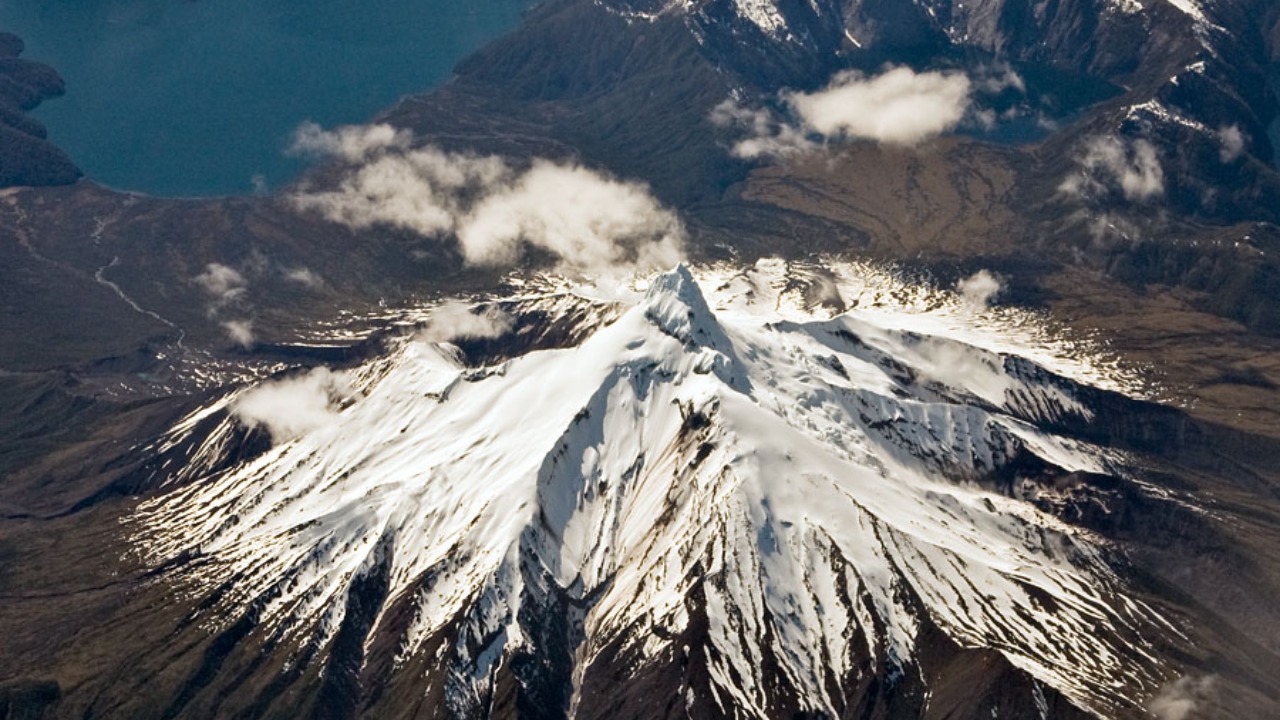
Supervolcanoes are not just oversized volcanoes; their defining characteristic is the ability to spew out over 1,000 cubic kilometers of material in a single eruption. This is about 1,000 times more than the 1980 Mount St. Helens eruption. They are incredibly powerful, with eruptions that can span across continents and last for days.
One of the most renowned supervolcanoes is the Yellowstone supervolcano in the United States. Hidden beneath Yellowstone National Park, it is an active volcanic field that has witnessed three super eruptions in the past 2.1 million years. These eruptions are a testament to the immense power and potential danger of supervolcanoes.
The Eruptive Power of Supervolcanoes
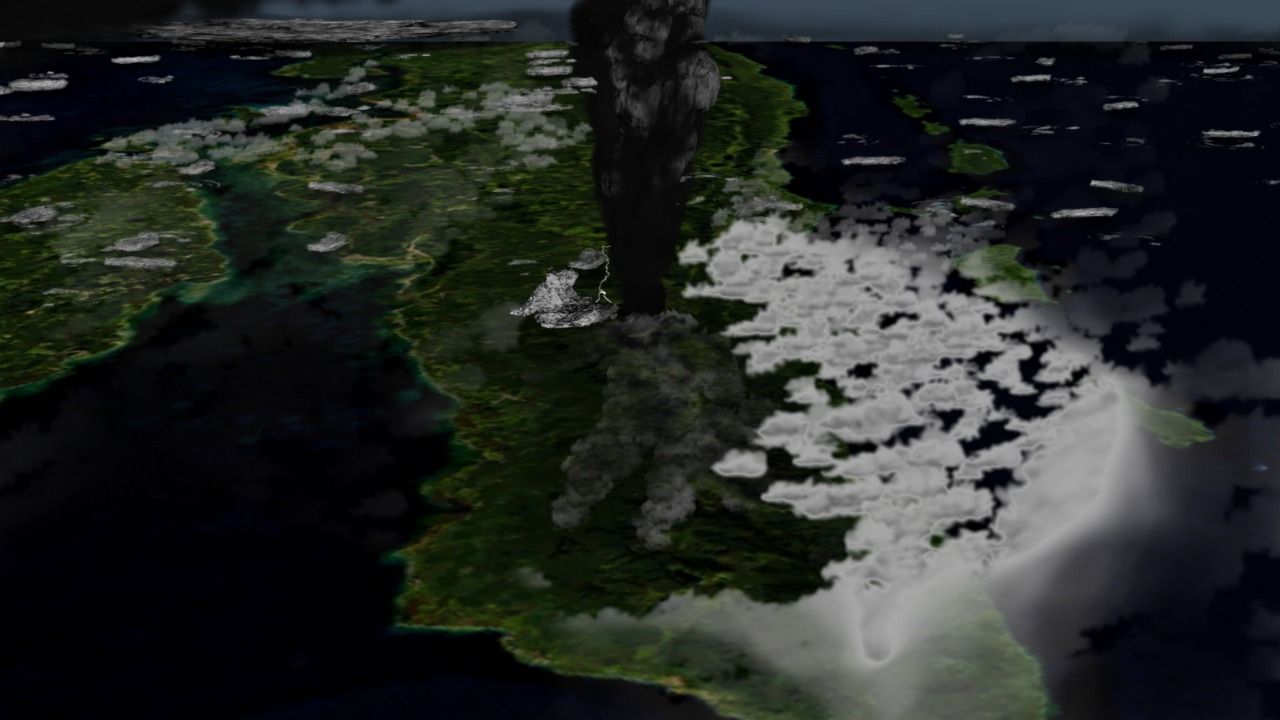
Supervolcano eruptions are infrequent, occurring roughly once every 100,000 years. However, their impact can be global and long-lasting. The colossal amount of material ejected during an eruption can blanket large areas, leading to significant climatic, ecological, and societal ramifications.
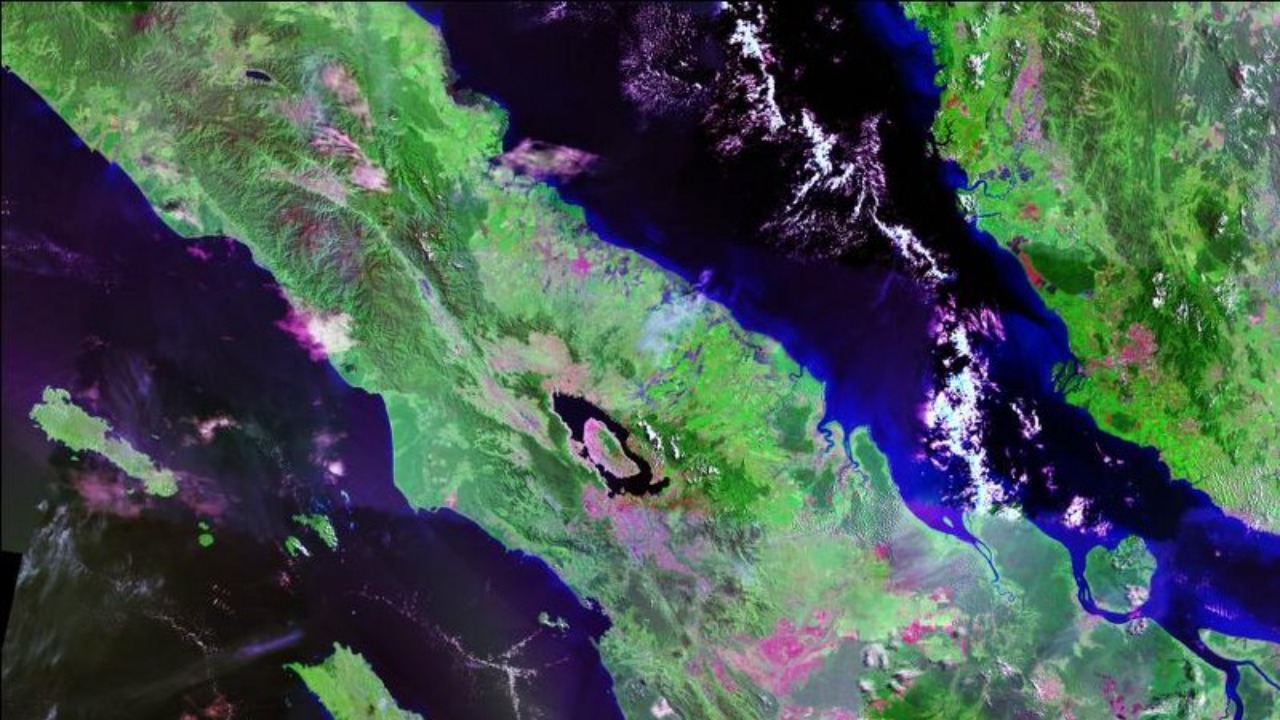
For example, the Toba supervolcano eruption around 74,000 years ago reportedly released so much ash and sulfur dioxide into the atmosphere that it triggered a global volcanic winter. This resulted in dramatic temperature drops and could have caused a bottleneck in human evolution. The potential impacts of a future supervolcano eruption are therefore a serious concern for scientists and policymakers.
Supervolcanoes and Climate Change: The Connection
Volcanic eruptions, in general, can influence the climate by injecting aerosols and gases into the atmosphere. Aerosols reflect sunlight back into space, causing cooling, while gases like carbon dioxide contribute to warming by enhancing the greenhouse effect. However, the scale at which supervolcanoes can release these substances is immense, potentially leading to significant and rapid climate changes.
Moreover, the enormous amount of material ejected by supervolcanoes could also alter atmospheric circulation patterns. This could lead to changes in rainfall patterns, potentially causing floods and droughts in different parts of the world. These impacts could accelerate the pace of climate change beyond current predictions.
Historical Evidence of Climate Alteration by Volcanoes

Historical records provide concrete evidence of the climatic impacts of volcanic eruptions. The 1815 Tambora eruption, for example, is known to have caused the “Year Without a Summer”. This resulted in widespread crop failures and famines, demonstrating the potential for a volcanic eruption to rapidly alter climate.
While Tambora was not a supervolcano, its impacts serve as a small-scale example of what could happen if a supervolcano were to erupt. It is therefore critical to study past eruptions to improve our understanding of how supervolcanoes could influence future climate change.
Current Predictions and Future Scenarios
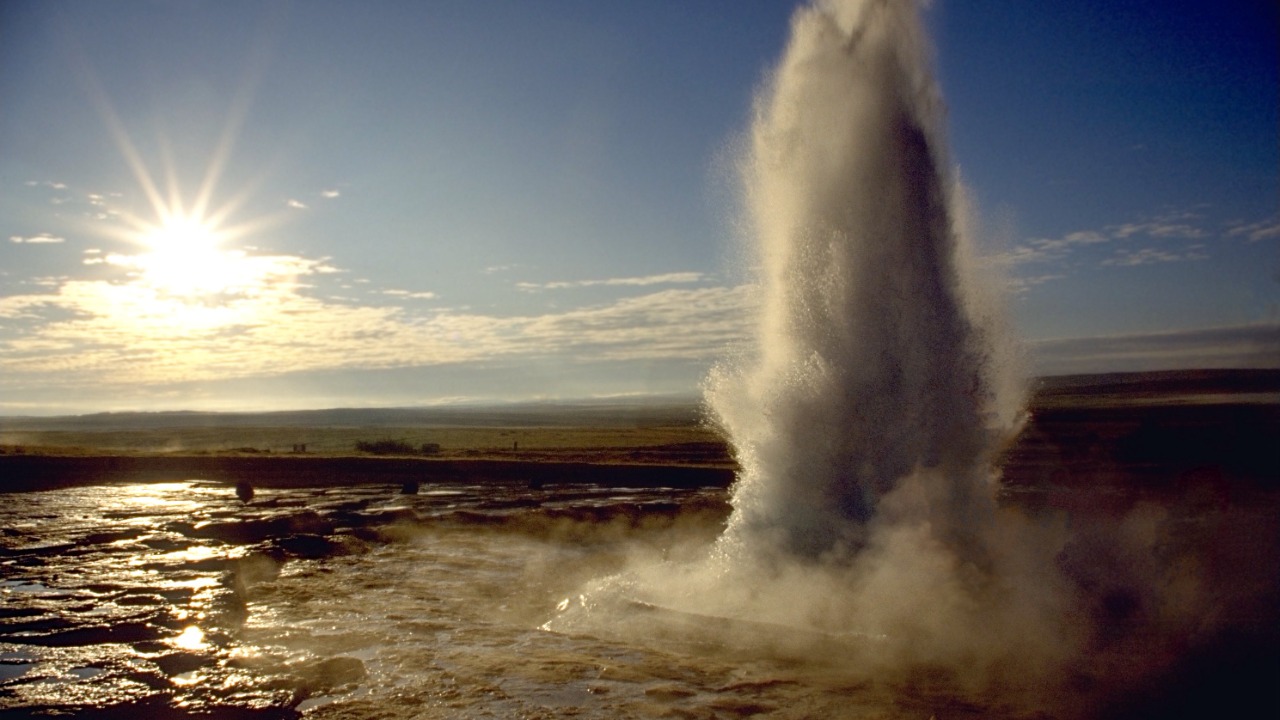
Current climate change models do consider the potential for volcanic eruptions. However, the scale and unpredictability of supervolcano eruptions make them difficult to incorporate accurately. As a result, most models do not fully account for the potential impacts of a supervolcano eruption.
If a supervolcano were to erupt in the context of ongoing global warming, the impacts could be even more dramatic. The cooling effect of volcanic aerosols could temporarily offset warming, leading to a period of abrupt cooling followed by rapid warming once the aerosols fall out of the atmosphere. This sort of rapid climate change could have severe ecological and societal impacts.
Implications for Climate Policy and Preparedness
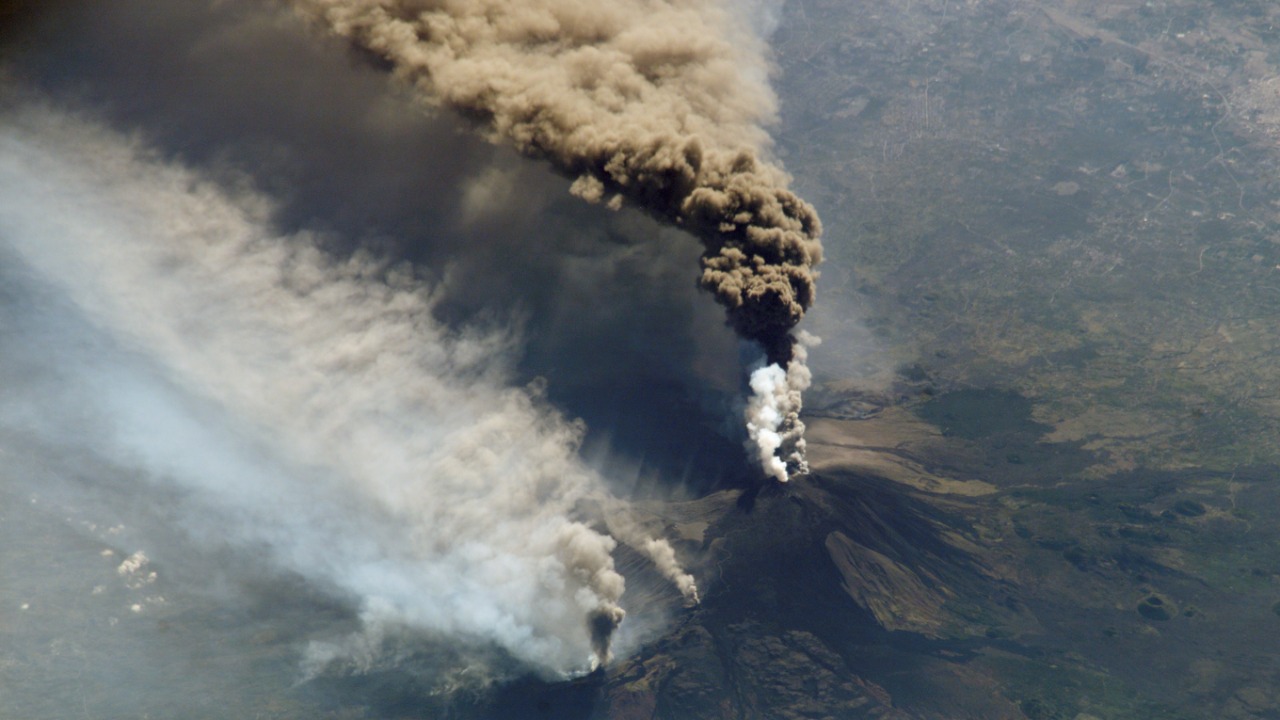
The potential for supervolcano-induced rapid climate change highlights the importance of monitoring and prediction in climate change mitigation and adaptation strategies. Systems like the Yellowstone Volcano Observatory play a crucial role in monitoring volcanic activity and providing early warnings of potential eruptions.
Furthermore, the potential for rapid climate change due to a supervolcano eruption underscores the need to integrate this possibility into climate policy and planning. Policymakers must consider a range of scenarios, including those that could lead to faster climate change than currently predicted. This could involve preparing for abrupt changes in temperature and rainfall patterns, and planning for potential disruptions to agriculture and other sectors.
While the likelihood of a supervolcano eruption in the near future is low, the potential impacts are so significant that they cannot be ignored. As we continue to grapple with the challenges of climate change, it is crucial to consider all potential drivers, including the immense power of supervolcanoes.