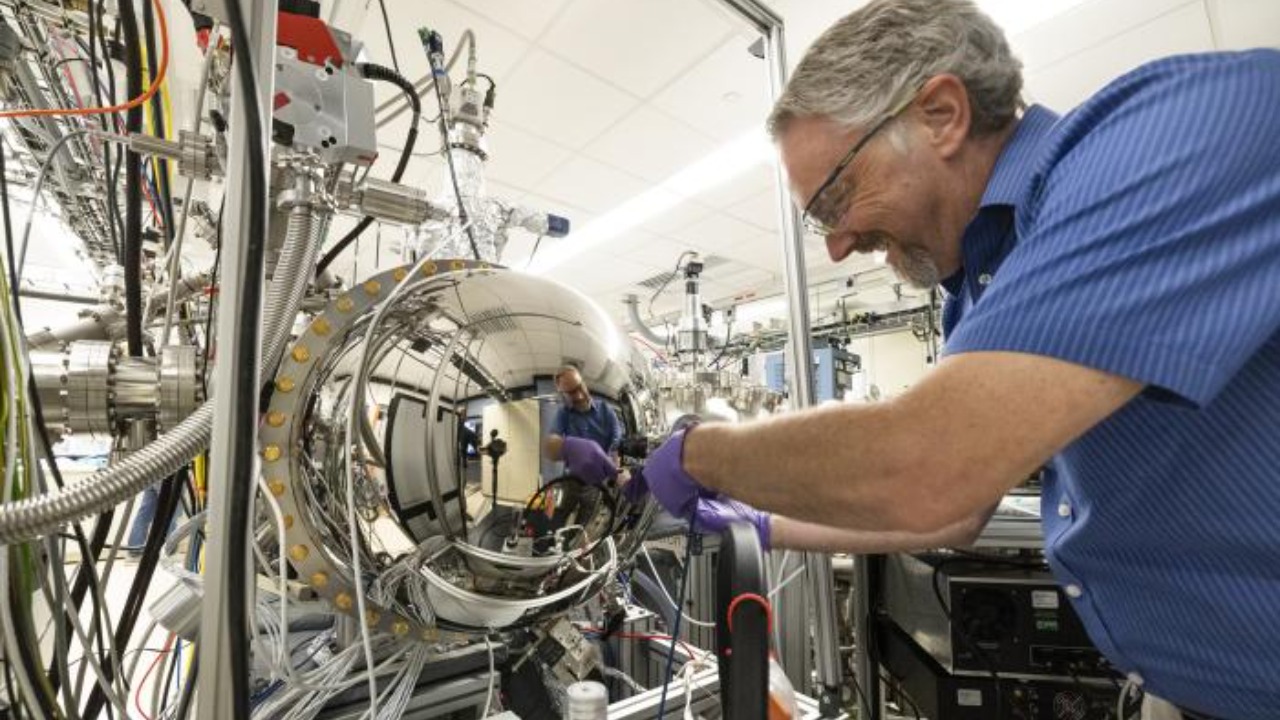

The world of physics is being redefined with the creation of an extraordinary material that challenges the established laws of matter. This groundbreaking innovation merges two materials previously deemed ‘impossible’ into a new artificial structure, fundamentally altering our understanding of physical matter.
Understanding the Impossible Materials
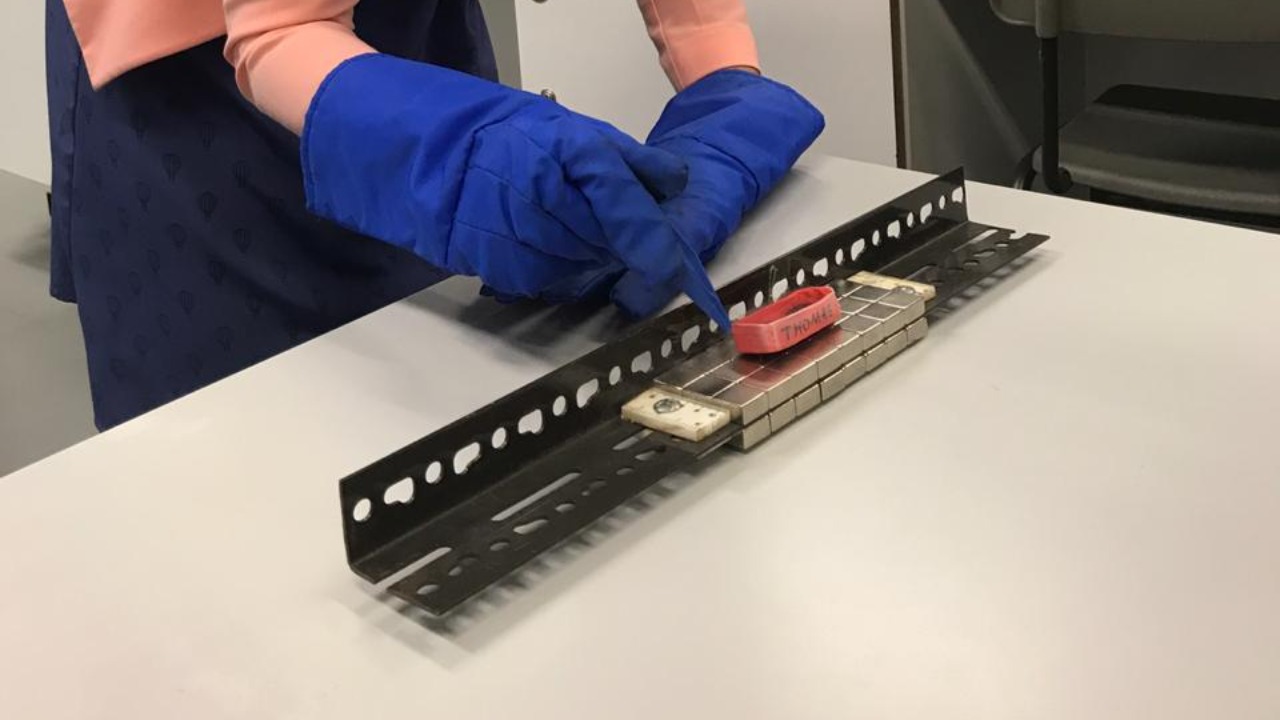
The two ‘impossible’ materials in question possess properties that defy conventional understanding. The first material, known as a topological insulator, is unique in its ability to conduct electricity on its surface while its interior remains insulating. The second material, a superconductor, can carry an electric current without any resistance when cooled to extremely low temperatures. These materials were labeled as ‘impossible’ because their existence contradicts traditional theories of solid-state physics. For more detailed information about the properties of these materials, click here.
Despite their seemingly incompatible properties, combining these two materials has resulted in a new artificial structure. This fusion challenges our conventional understanding of materials, as it merges two distinct properties into one – the surface conductivity of a topological insulator with the zero-resistance state of a superconductor.
The Creation Process
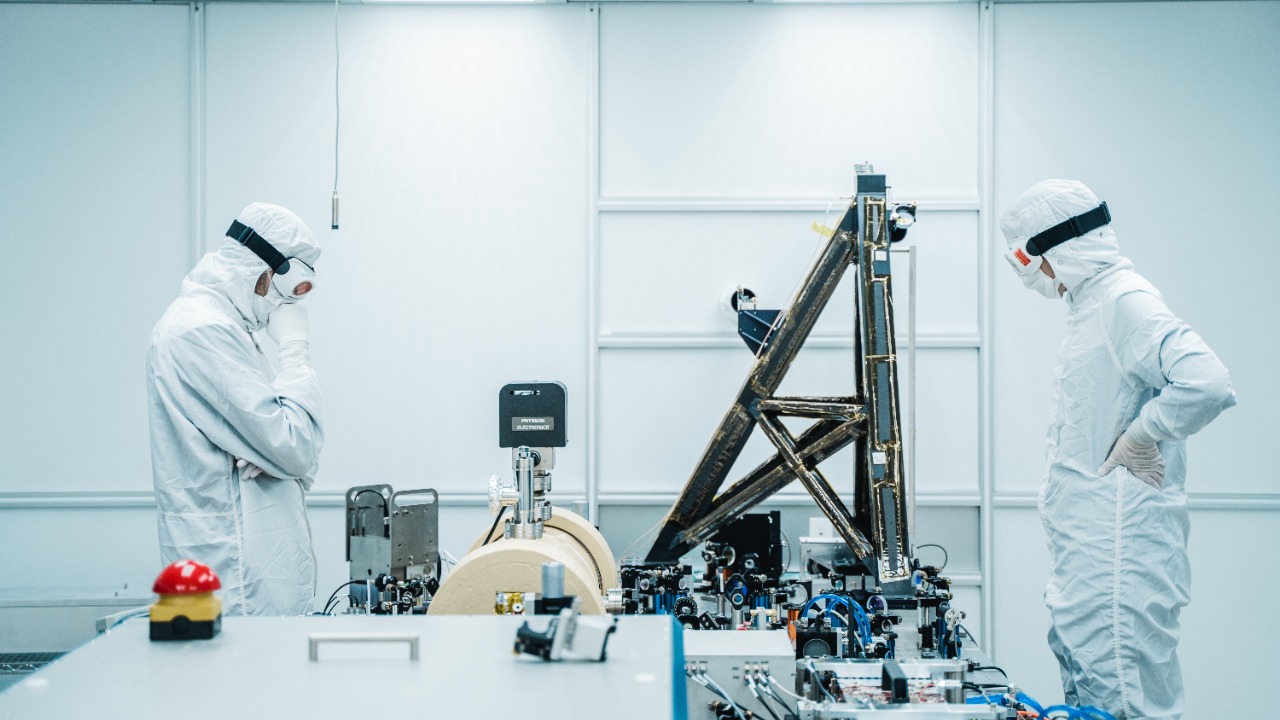
The process of creating this new material involved a complex interplay of advanced physics and cutting-edge technology. Physicists managed to combine the two ‘impossible’ materials using a technique known as molecular beam epitaxy. This intricate process involves the deposition of molecules onto a substrate in a high vacuum environment, allowing for a high degree of control over the thickness and composition of the material layers.
Furthermore, the role of quantum computing has been instrumental in the creation of this new material. Quantum computers, such as Microsoft’s Majorana-1 chip, have been utilized to simulate and predict the behavior of this new material at the quantum level. This has enabled physicists to understand and control the material’s complex properties more effectively.
Challenging the Known Laws of Matter

This new material challenges our current understanding and laws of matter in several significant ways. For one, it combines the properties of two materials that were thought to be incompatible according to traditional physics. The surface conductivity of a topological insulator and the zero-resistance state of a superconductor are contrasting properties that have been merged into a single material.
Moreover, this material challenges the specific laws of physics related to electric conductivity and resistance. Superconductors are supposed to carry an electric current without any resistance when cooled to extremely low temperatures. However, the new material demonstrates superconductivity at a much higher temperature than expected, challenging our understanding of superconductivity. For a more in-depth understanding of how these laws are being challenged, this source provides further insights.
Implications for the World of Physics

This breakthrough has the potential to revolutionize the field of physics. It could lead to significant changes in our theoretical framework and understanding of matter, challenging the very principles upon which modern physics is built. The creation of a material that combines contradictory properties suggests that our understanding of materials and their classifications may need to be revised.
Moreover, the successful merging of these ‘impossible’ materials might also encourage scientists to explore other combinations, potentially leading to the discovery of more new materials with unusual properties. This could further expand our understanding of matter and potentially redefine the known laws of physics.
Practical Applications and Future Possibilities

The potential practical applications of this new material are vast and varied. In the field of technology, this material could be used to create more efficient electronic devices due to its unique conductive properties. In medicine, it could potentially be used in medical imaging devices or in the development of new therapies.
Moreover, the breakthrough could have a significant impact on future scientific research and innovations. The material’s unique properties could pave the way for new research avenues in physics and materials science. It could also inspire the development of new technologies and applications that we cannot yet foresee. For more detailed information about the practical applications and future possibilities of this breakthrough, refer to this source.
In conclusion, the creation of this new material is a significant milestone in the field of physics. It not only challenges our current understanding of matter but also opens up a world of possibilities for future research and applications. Despite the challenges, this breakthrough is a testament to the limitless potential of scientific exploration and innovation.