

In an unprecedented scientific achievement, researchers have managed to revive viruses that remained frozen for an approximate 50,000 years. The study not only advances our understanding of ancient viral entities but also underscores the potential repercussions of climate change.
The Science of Reviving Ancient Viruses
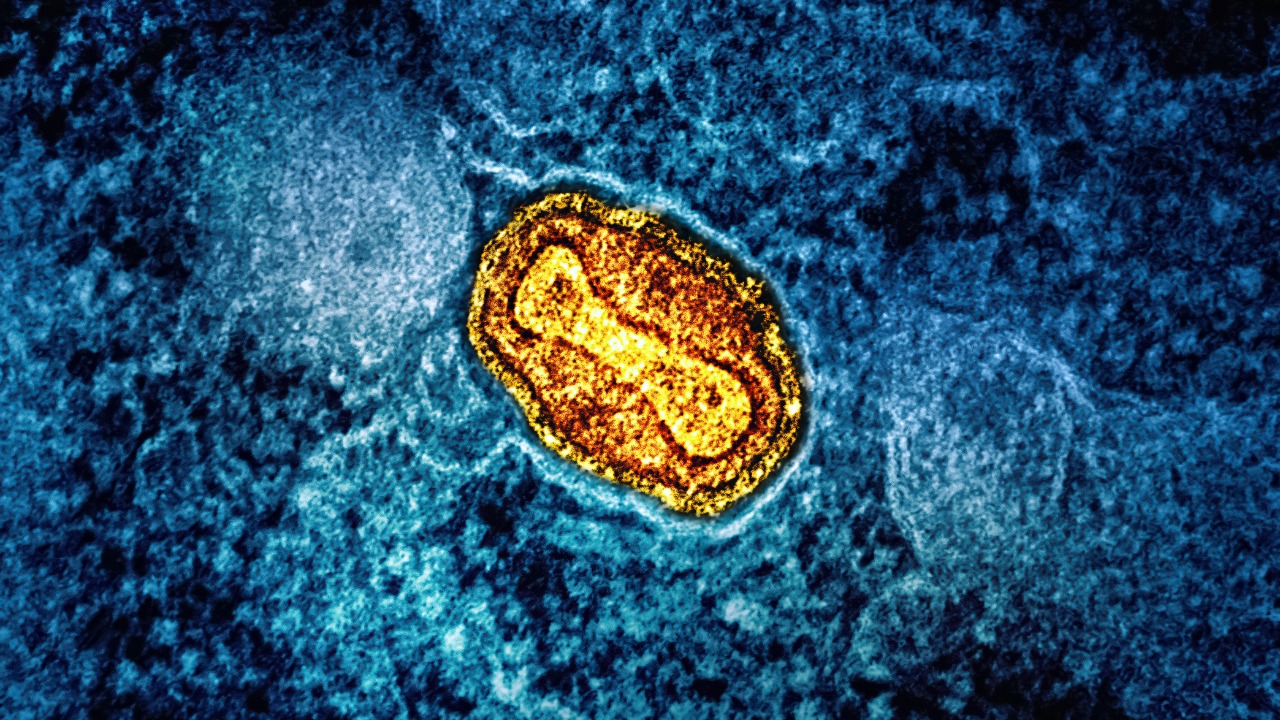
Scientists have utilized a meticulous process to extract and analyze ancient ice samples. This involved the careful removal of ice cores from regions believed to house these ancient viruses. The samples were then transported to laboratory settings under stringent conditions to maintain their integrity. Using advanced molecular techniques, the team was able to extract and subsequently revive the viruses.
Identifying and categorizing the ancient viruses was another hurdle that the researchers had to overcome. The team used genomic sequencing technologies to decode the genetic material of these viruses. This allowed them to identify the specific viral species that had remained dormant in the ice for millennia. Despite the many challenges, including potential contamination and degradation of the viral genetic material, the team’s efforts proved fruitful.
The Viruses: A Look Back in History

The ancient viruses revived from the ice are considered ‘zombie viruses’ due to their prolonged period of dormancy before revival. These viruses, despite their age, could still potentially infect host organisms, providing insights into the viral threats our ancestors may have faced thousands of years ago.
Research into ancient viruses is not entirely new. Previous studies have provided glimpses into the viral world of the past. However, the current study is significant as it presents the oldest viruses ever revived, adding a significant chapter to our understanding of viral evolution. The findings serve as a time capsule, allowing us to study the viruses of the past and their potential impacts on ancient life forms.
Implications for Current Virus Research
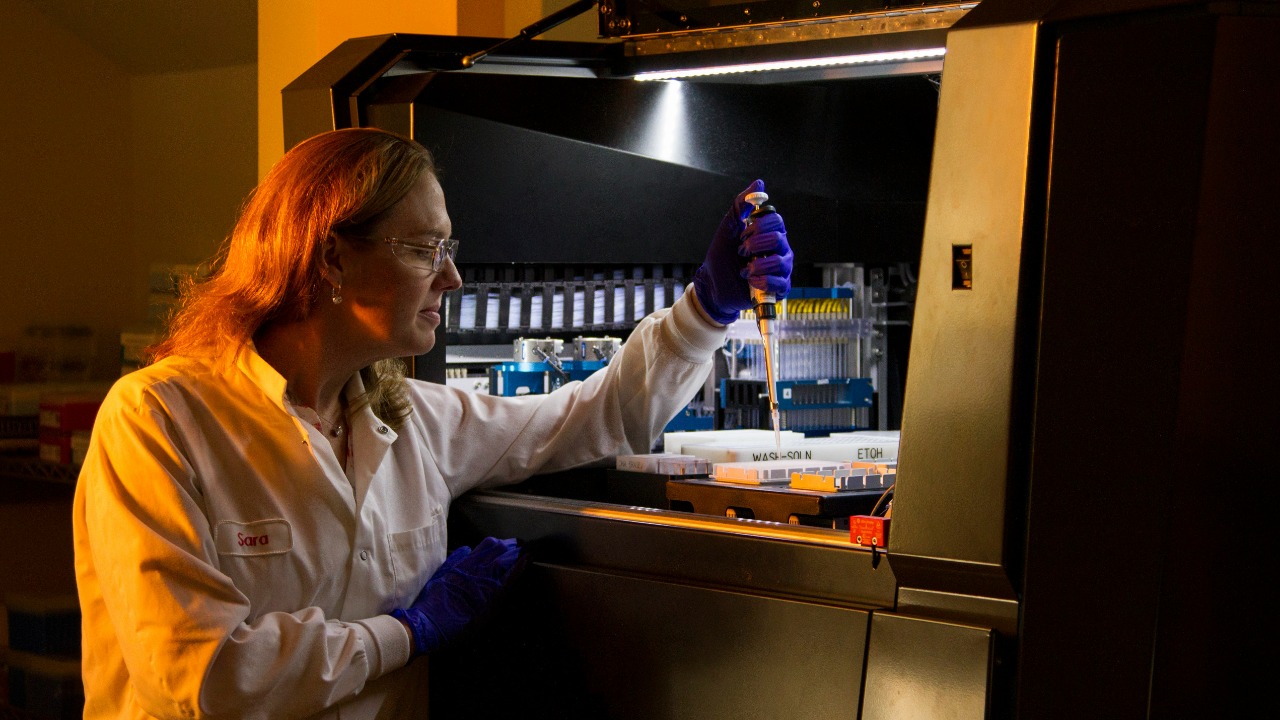
The revival of these ancient viruses can contribute greatly to our current understanding of viral entities. By studying these viruses, we can learn more about their structural and genomic characteristics, which can provide insights into how viruses have evolved over time.
The potential applications of these findings are immense. They could aid in the development of new treatments or vaccines by providing a broader understanding of viral mechanisms. Moreover, by studying the evolutionary patterns of viruses, we might be able to predict and potentially prevent future viral outbreaks, significantly enhancing our preparedness for pandemics.
Climate Change and Ancient Viruses
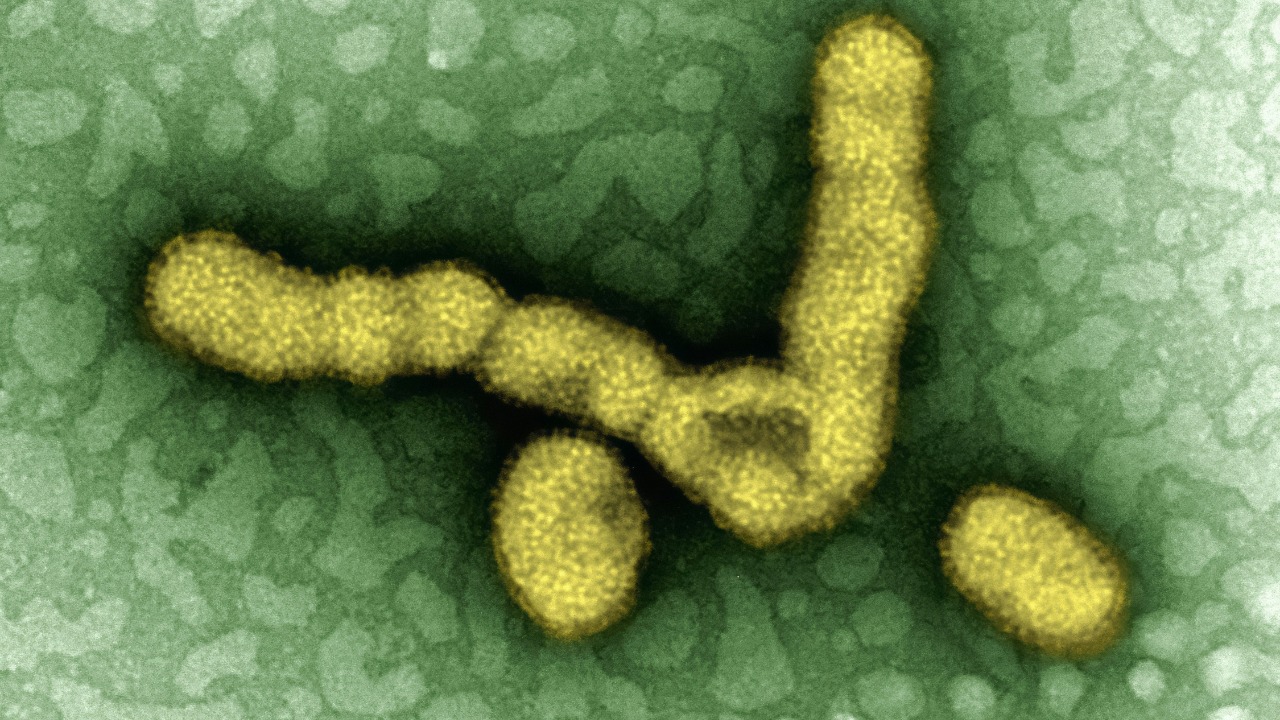
The role of climate change in preserving and potentially releasing these ancient viruses cannot be understated. The permafrost regions where these viruses were discovered have remained frozen for thousands of years, effectively preserving the viruses within. However, due to global warming, these regions are melting at an accelerated rate, potentially releasing ancient viruses into the environment.
Such a scenario presents potential risks. As the frozen tundra thaws, it could release unknown viral entities into the environment, posing potential health risks. These findings thus contribute to larger discussions about climate change and its potential impacts on human health, reinforcing the urgent need for concerted climate action.
Ethical Considerations and Future Directions

Despite the potential benefits, the revival of ancient viruses does raise ethical concerns. The risk of unintentional release or misuse of these viruses is a significant concern that must be addressed. Strict safety measures and protocols are therefore necessary to prevent any unintended consequences.
Looking ahead, researchers aim to further their study of ancient viruses. They hope to discover and categorize more ancient viral species, improving our understanding of viral evolution. Furthermore, they believe that the findings could be used to better predict and prepare for future viral outbreaks. While the revival of ancient viruses presents both opportunities and challenges, it is undeniable that it marks a significant stride in the field of virology.