

Thermal cameras are gradually finding their way into consumer smartphones, ushering in a myriad of practical and innovative applications. This shift in technology comes with several potential implications for everyday users, which we will delve into in the following sections.
Understanding Thermal Imaging Technology
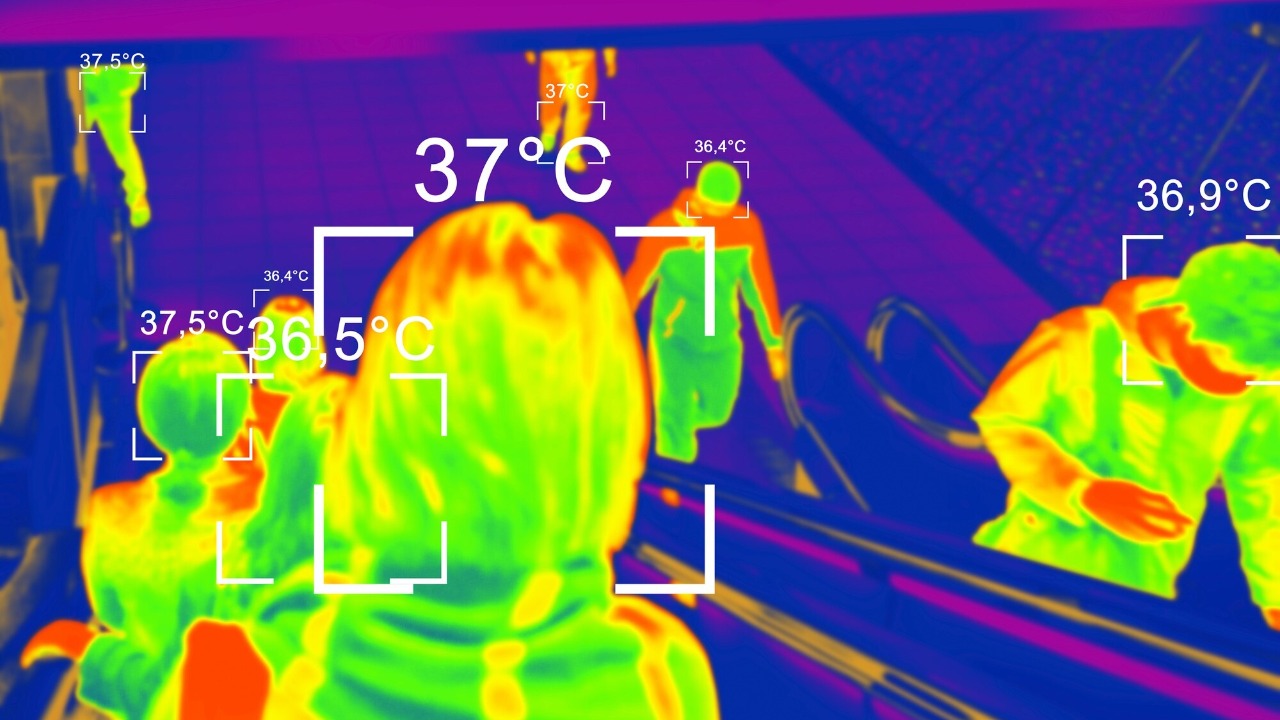
Thermal imaging, or thermography, is a technique that uses infrared radiation to visualize and measure temperature variations. This technology works by detecting the heat produced by an object and translating it into a visible image known as a thermogram.
The evolution of thermal imaging technology has been quite remarkable. Initially, it was predominantly used in military and industrial applications. However, as the technology matured and became more affordable, it found its way into other sectors such as construction, healthcare, and now, consumer electronics. The advancement of the technology has even made it possible to fit thermal cameras in compact devices like smartphones.
The Integration of Thermal Cameras in Smartphones
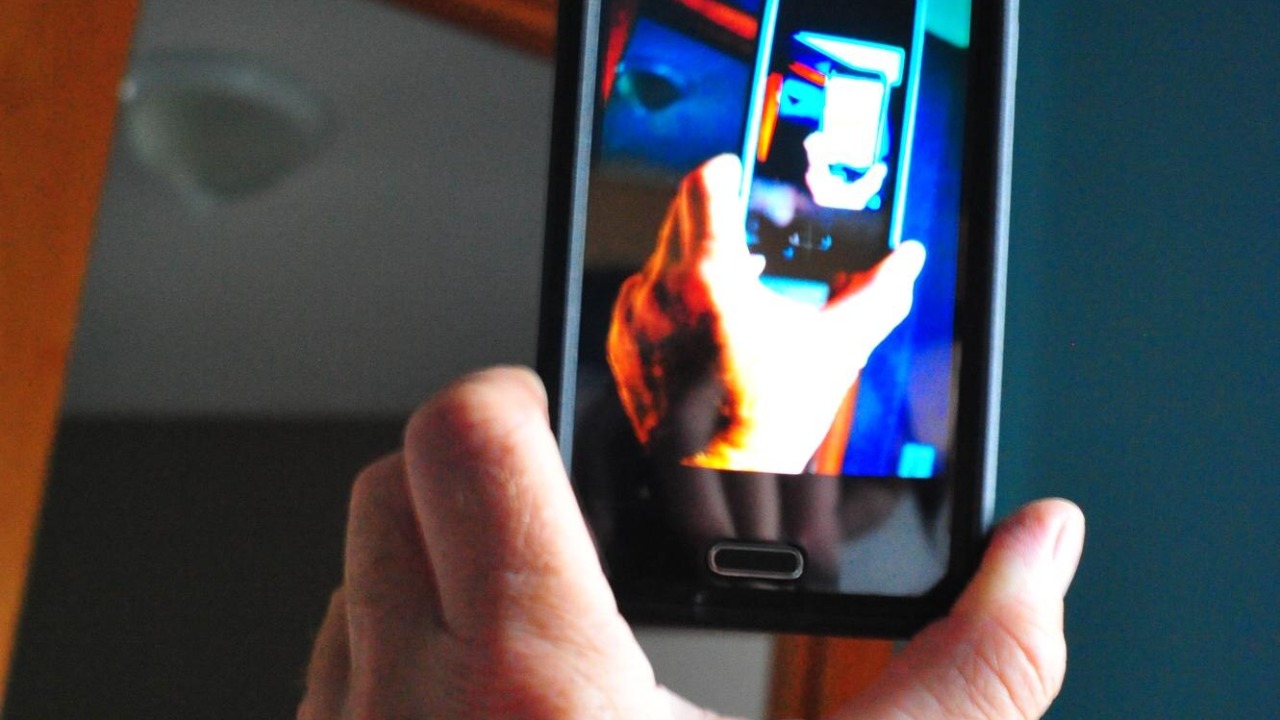
Some of the latest smartphones have begun integrating thermal cameras into their design. For instance, the CAT S62 Pro is a rugged smartphone featuring a high-resolution thermal imaging camera. Another notable example is the Hema Imager, an external thermal camera that can be attached to a smartphone.
However, integrating thermal imaging into smartphones is not without its technical challenges. The main obstacle is the size of the thermal sensor, which is typically larger than a standard camera sensor. Also, thermal sensors require a cooling system to function efficiently, adding to the complexity of the design. Yet, manufacturers are finding innovative solutions to these challenges, making thermal imaging a practical feature for smartphones. This Quora discussion provides more insights into the technical challenges and solutions.
Practical Uses of Thermal Cameras in Smartphones
Thermal cameras in smartphones have a multitude of practical applications. They can be used to detect heat loss in homes, identify overheating in electrical circuits, and even spot fever in people — a feature that has proven particularly useful during the ongoing COVID-19 pandemic. Applications such as Seek Thermal and Flir One are turning smartphones into handheld thermal imaging devices.
Moreover, user-generated thermal data could contribute significantly to fields like weather forecasting and environmental monitoring. For instance, the aggregated data from numerous thermal camera-equipped smartphones could help meteorologists improve their predictions or environmentalists monitor wildlife.
Consumer Response and Market Trends
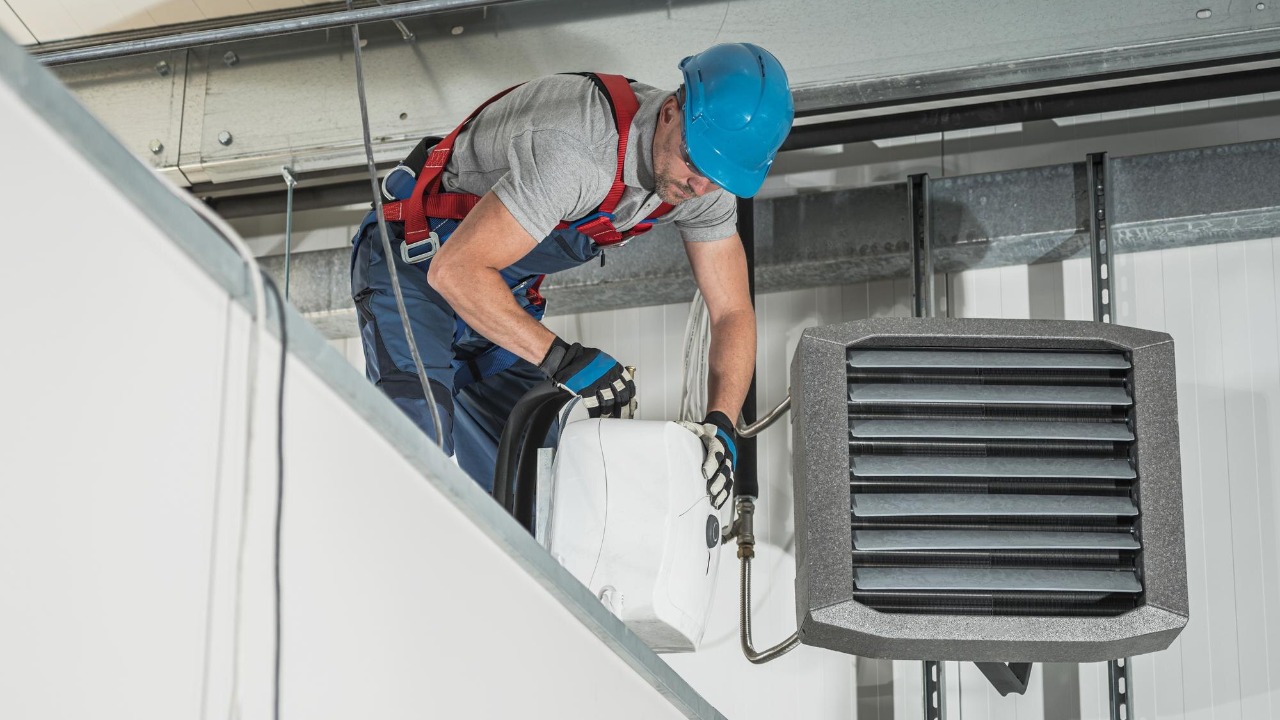
Consumer response to thermal cameras in smartphones has been generally positive. Users appreciate the added functionality, especially in sectors like construction and HVAC, where thermal imaging can be a valuable tool. However, some have voiced concerns about potential privacy issues, which we will explore later in this article.
As for market trends, the thermal imaging camera for smartphones market is predicted to grow significantly in the coming years. This growth is driven not only by the increasing demand for advanced smartphone features but also by the continuous improvements in thermal imaging technology.
The Future of Thermal Imaging in Smartphones
As thermal imaging technology continues to advance, we can expect to see further improvements in the quality and functionality of thermal cameras in smartphones. For instance, we could see thermal cameras with higher resolution and better heat detection capabilities. Furthermore, future smartphones might feature integrated thermal cameras as a standard component, similar to how fingerprint sensors have become ubiquitous in today’s smartphones.
However, the widespread use of thermal cameras also raises questions about privacy and security. For example, could thermal cameras be used to spy on people without their knowledge? Or could they be exploited by hackers to steal sensitive information? While these concerns are valid, it’s worth noting that there are already regulations in place to protect consumers, and these will likely be adapted as the technology evolves.