

With rapid technological advancements revolutionizing our daily lives, the prospect of Augmented Reality (AR) glasses is more tangible than ever. The prospect of AR glasses not just supplementing, but fully replacing our smartphones is an exciting one. But how close are we to witnessing this shift?
The Current State of AR Glasses

The AR glasses market is currently characterized by a number of leading brands and products. Google Glass, Microsoft’s HoloLens 2, and Vuzix Blade are among the frontrunners in this space. Each one offers a unique blend of features and capabilities, from displaying notifications to enabling users to interact with digital content in the real world.
Consumer adoption, however, is yet to reach mass-market levels, largely due to the high cost and the novelty of the technology. Nevertheless, certain industries like manufacturing, healthcare, and education have started incorporating AR glasses into their operations. For example, surgeons can use AR glasses to visualize complex procedures, and factory workers can receive real-time guidance for assembling products.
The Vision of AR Glasses Replacing Smartphones
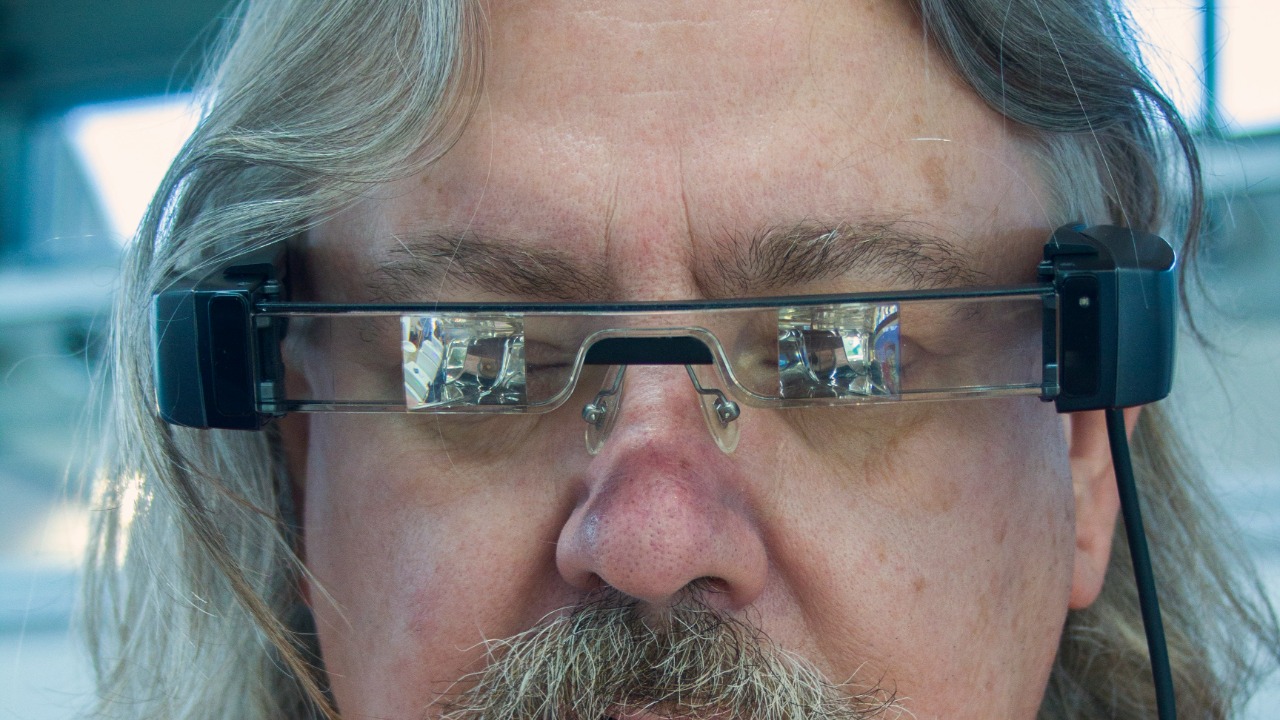
The idea of AR glasses replacing smartphones revolves around shifting the primary digital interface from a handheld device to a wearable one. Instead of pulling out your phone to answer a call, read a message, or navigate a map, you could simply look through your AR glasses and interact with the digital content overlaid on your real-world view.
The benefits could be substantial – from hands-free operation and enhanced accessibility to more immersive experiences. However, there are challenges to overcome. Battery life, display quality, user interface, and privacy concerns are among the major hurdles. Furthermore, AR glasses need to be as comfortable and stylish as regular eyewear to encourage everyday use.
Technological Developments Needed for AR Glasses to Replace Smartphones

To make AR glasses a viable replacement for smartphones, several technological challenges must be addressed. First and foremost, they need to be compact and lightweight, yet powerful enough to perform all the tasks currently handled by our smartphones. This requires significant advancements in miniaturization and energy efficiency.
Research and development in the field of AR glasses is in full swing, with tech giants like Apple, Google, and Facebook investing heavily. Potential solutions to existing technological limitations are being explored, such as holographic waveguides for brighter and wider field-of-view displays, and innovative input methods like gaze tracking and gesture recognition. An example of this is the Rayneo Air3S AR glasses, which incorporate many of these features.
Industry Perspective on the Future of AR Glasses and Smartphones
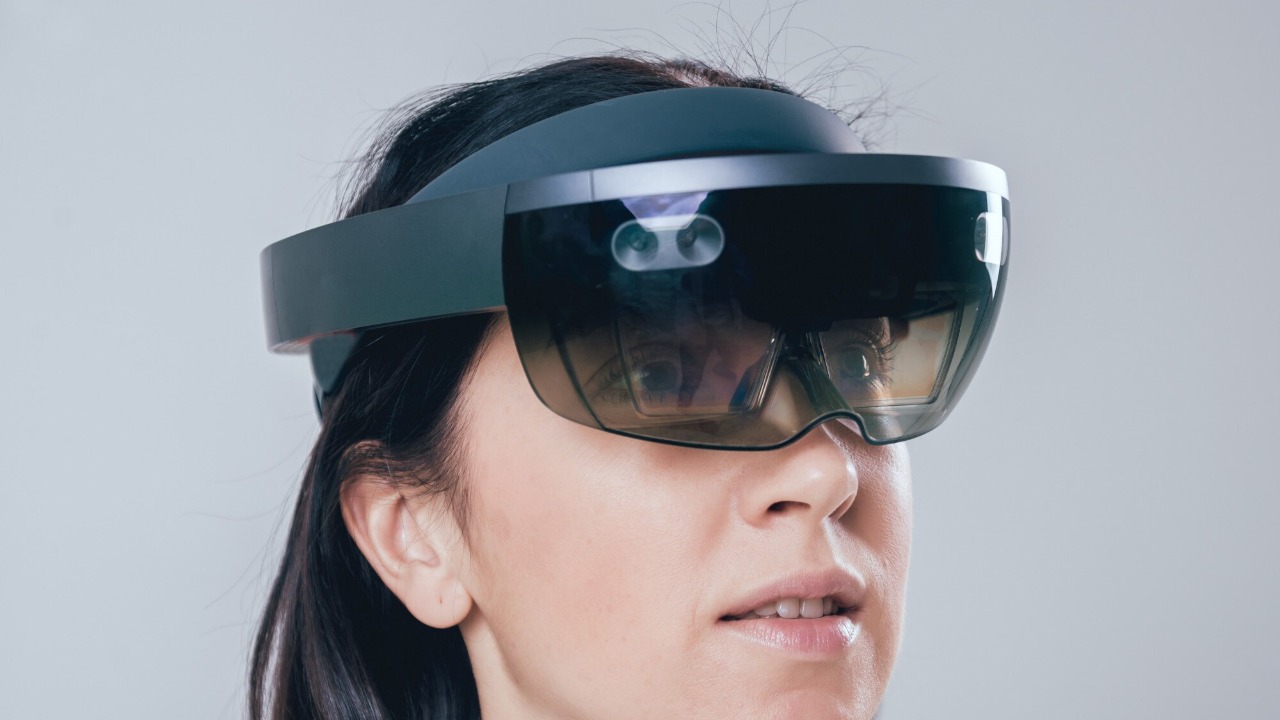
Industry leaders are optimistic about the potential of AR glasses to replace smartphones. Tech titan Mark Zuckerberg, for instance, envisions a future where AR glasses are our primary personal devices, while smartphones become secondary. This shift could have a profound impact on the smartphone industry, potentially disrupting established market dynamics.
Many tech companies are already strategizing to integrate AR glasses into our daily lives. For instance, Facebook’s Project Aria is aimed at understanding how AR glasses can be used in real-world scenarios. Similarly, Apple is rumored to be working on its own AR glasses, further indicating that the industry is gearing up for a shift towards AR wearables.
Consumer Readiness for AR glasses as Smartphone Replacement

Consumer sentiment towards AR glasses is mixed. On one hand, there is excitement about the possibilities that AR glasses present, such as immersive gaming and hands-free navigation. On the other hand, there are concerns about privacy, health effects, and social acceptance. For instance, Google Glass faced backlash due to privacy issues related to its camera functionality.
Overcoming these barriers to consumer adoption will require concerted efforts from industry stakeholders. This includes educating consumers about the benefits of AR glasses, addressing their concerns, and gradually changing their digital consumption habits. Only then will AR glasses stand a chance at replacing smartphones as our primary personal devices.
AR Glasses: A Look into the Future
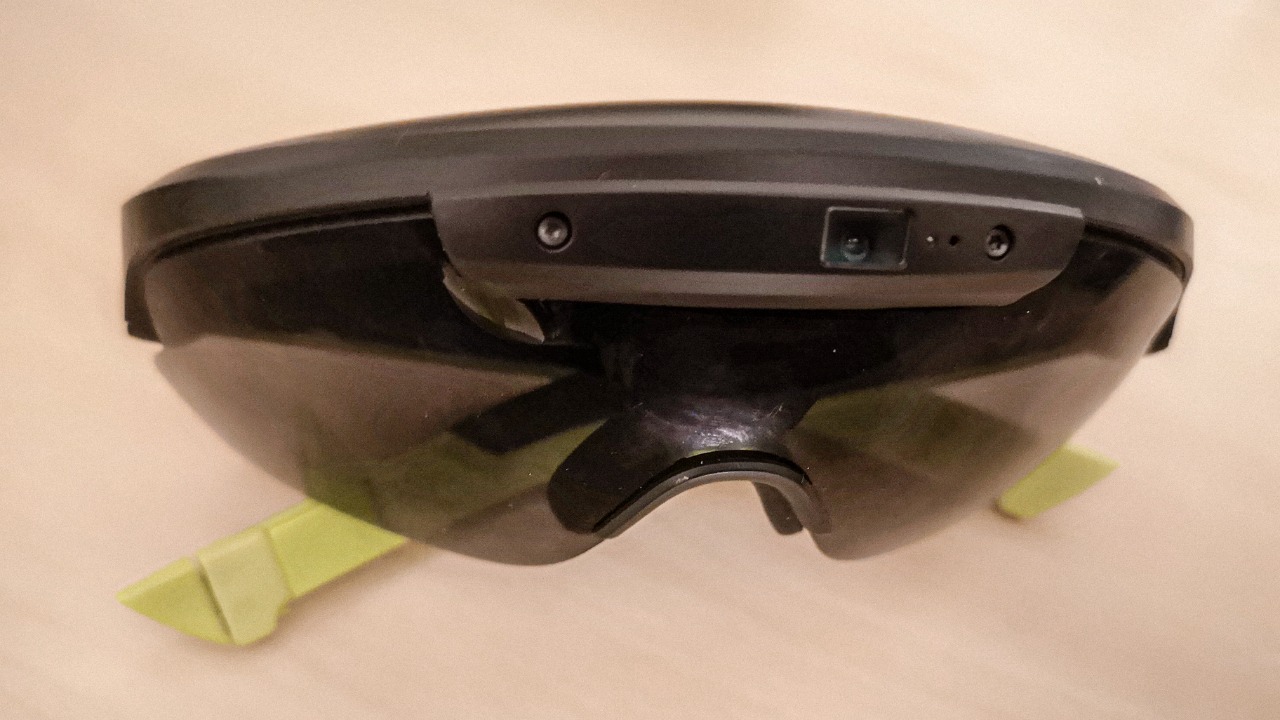
Speculating about when AR glasses might replace smartphones is tricky, given the numerous variables at play. However, with the pace of technology, it’s not unreasonable to expect significant progress in the next decade. As AR glasses become more refined, affordable, and user-friendly, they could start to gain wider acceptance.
The societal impacts of this shift could be profound. Imagine getting your morning news briefing as you sip your coffee, with headlines floating in front of your eyes. Or walking down the street, with your AR glasses identifying landmarks and providing historical context. The way we interact with digital content and the world around us could change dramatically. As industry leaders continue to push for this vision, the future of AR glasses looks intriguing.