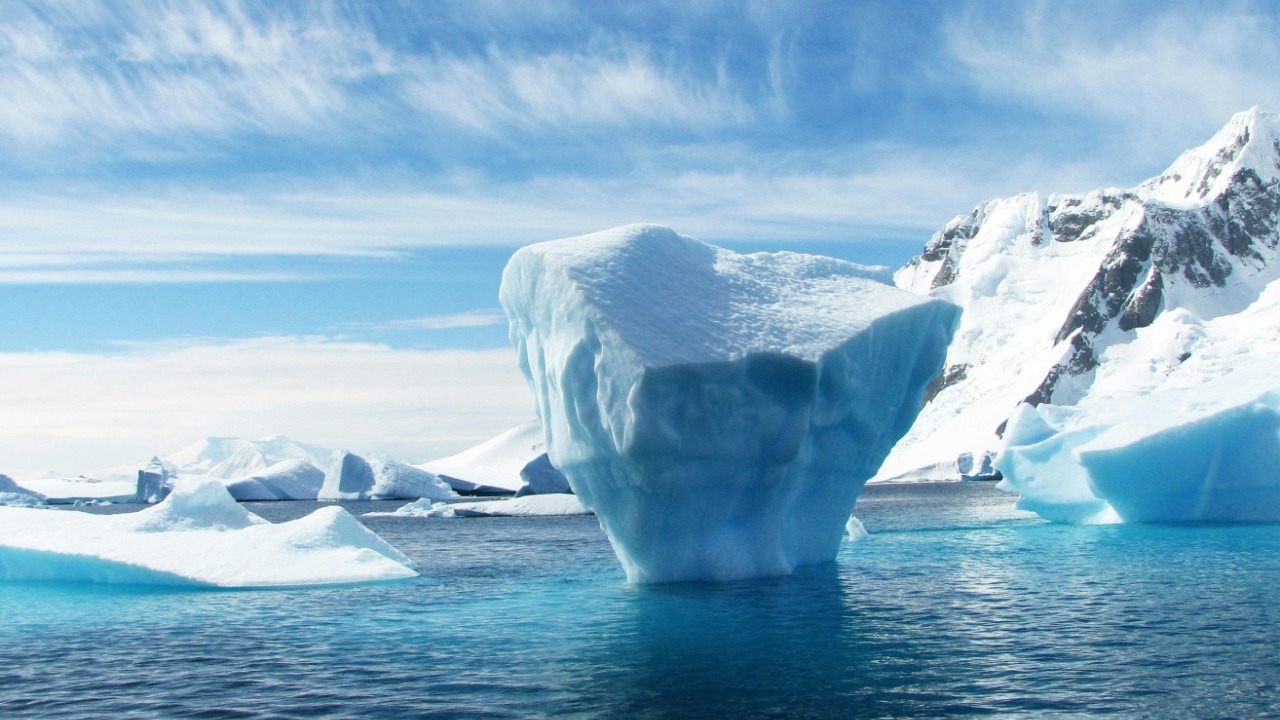

The icy landscapes of Antarctica may seem barren and unchanging at first glance, but beneath its frosty surface, the continent is teeming with geological mysteries. Recent advancements in scientific exploration technologies have led to the discovery of spectacular hidden structures deep beneath the ice, offering fascinating insights into Earth’s past.
The Fascinating World Beneath Antarctica’s Ice
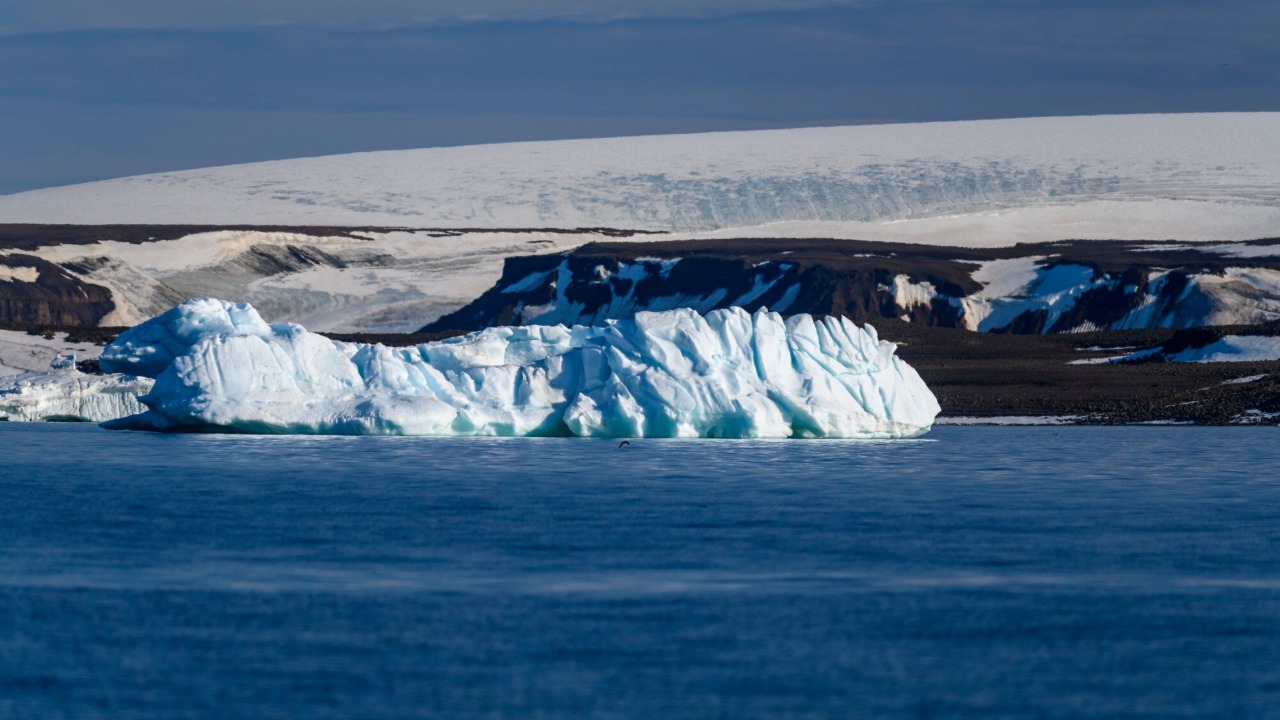
Antarctica, the world’s southernmost continent, is more than just a frozen wasteland. It is home to some of the most intriguing geological features on Earth, hiding a wealth of information about our planet’s history. Thanks to recent scientific advancements, we are now beginning to unveil these secrets.
Modern technologies like ice-penetrating radar and seismic imaging have greatly facilitated Antarctic explorations. These technological marvels allow scientists to probe the continent’s icy depths and uncover hidden structures without disturbing the surface. Recent discoveries, such as vast subglacial lakes and towering mountain ranges, have revolutionized our understanding of Antarctica’s geology and its role in Earth’s past. You can view some of these fascinating explorations in this video.
Unveiling the Hidden Structures
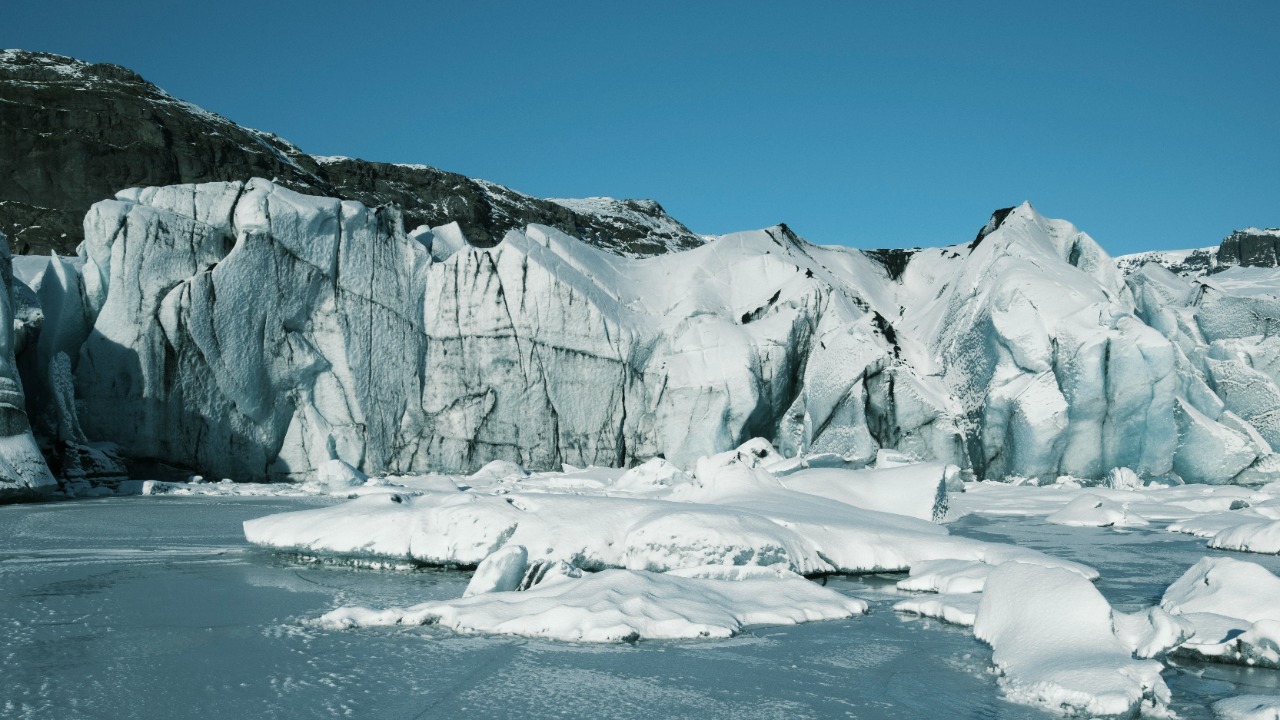
The structures discovered beneath Antarctica’s ice are nothing short of awe-inspiring. They range from the Gamburtsev Mountains, a range as high as the European Alps completely buried under ice, to Lake Vostok, a vast freshwater lake isolated from the rest of the world for millions of years. These findings have been made possible by extensive research documented in studies like this.
These hidden structures offer a unique window into Earth’s past. For instance, the ice layers above Lake Vostok have trapped tiny bubbles of ancient air, offering priceless information about past climates and atmospheric conditions. Furthermore, the Gamburtsev Mountains are believed to have formed over a billion years ago, making them a key piece in the puzzle of Antarctica’s complex geological history.
Challenges and Triumphs of Antarctic Exploration
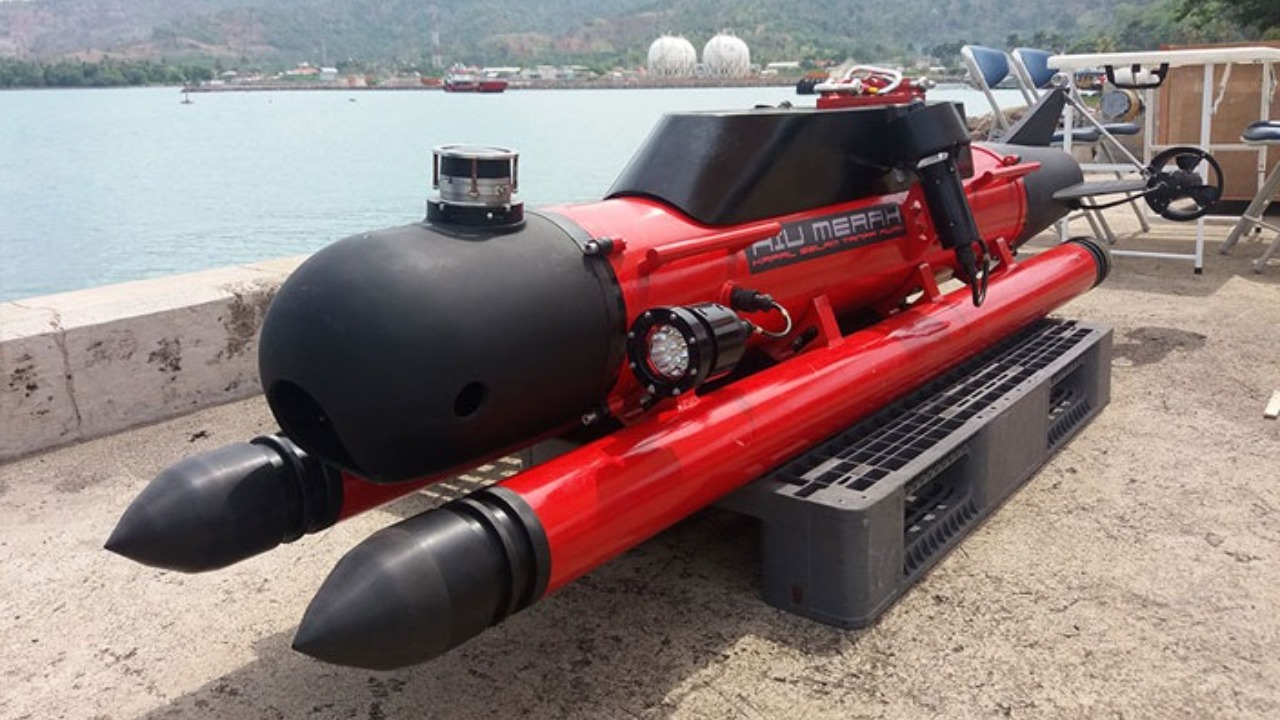
Despite the fascinating discoveries, exploring Antarctica is no easy feat. The continent’s extreme cold, powerful winds, and remote location pose formidable challenges. However, these obstacles have not deterred the spirit of scientific discovery. In fact, overcoming these difficulties has led to some of the most significant breakthroughs in our understanding of Earth’s past.
For instance, researchers had to drill through over 3 kilometers of ice to reach Lake Vostok, enduring harsh conditions and technological setbacks. However, their perseverance paid off when they found evidence of microbial life in the lake’s ancient waters, suggesting that life can survive in the most extreme environments. You can learn more about these remarkable research efforts in this study.
Implications for Climate Change Studies
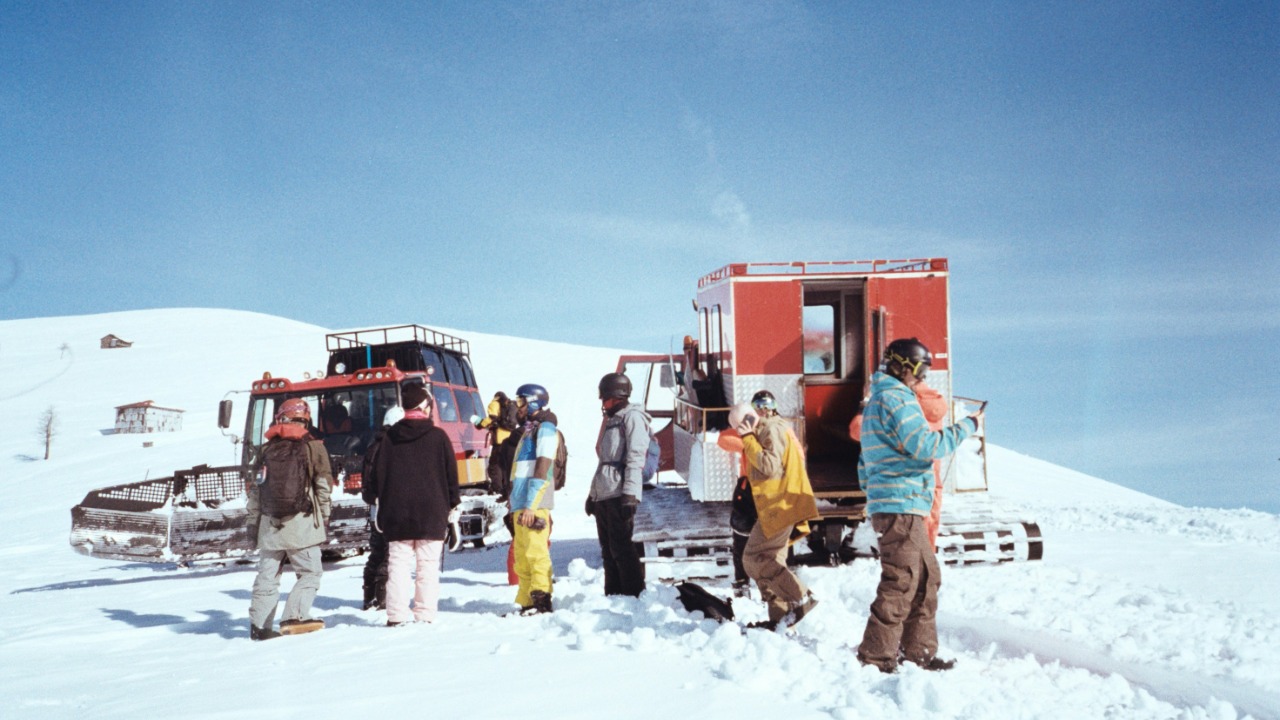
Antarctic explorations have profound implications for our understanding of climate change. The ancient air bubbles trapped in ice layers, for example, provide direct evidence of past atmospheric conditions, helping scientists reconstruct historical climate patterns. This knowledge is critical for improving our climate change predictions.
Moreover, understanding the dynamics of Antarctica’s ice sheets can inform predictions about sea level rise, a major consequence of global warming. For example, the discovery of subglacial lakes has raised questions about the stability of ice sheets and their potential to accelerate sea-level rise. Research into these complex processes is ongoing, as highlighted in this book.
The Future of Antarctic Research
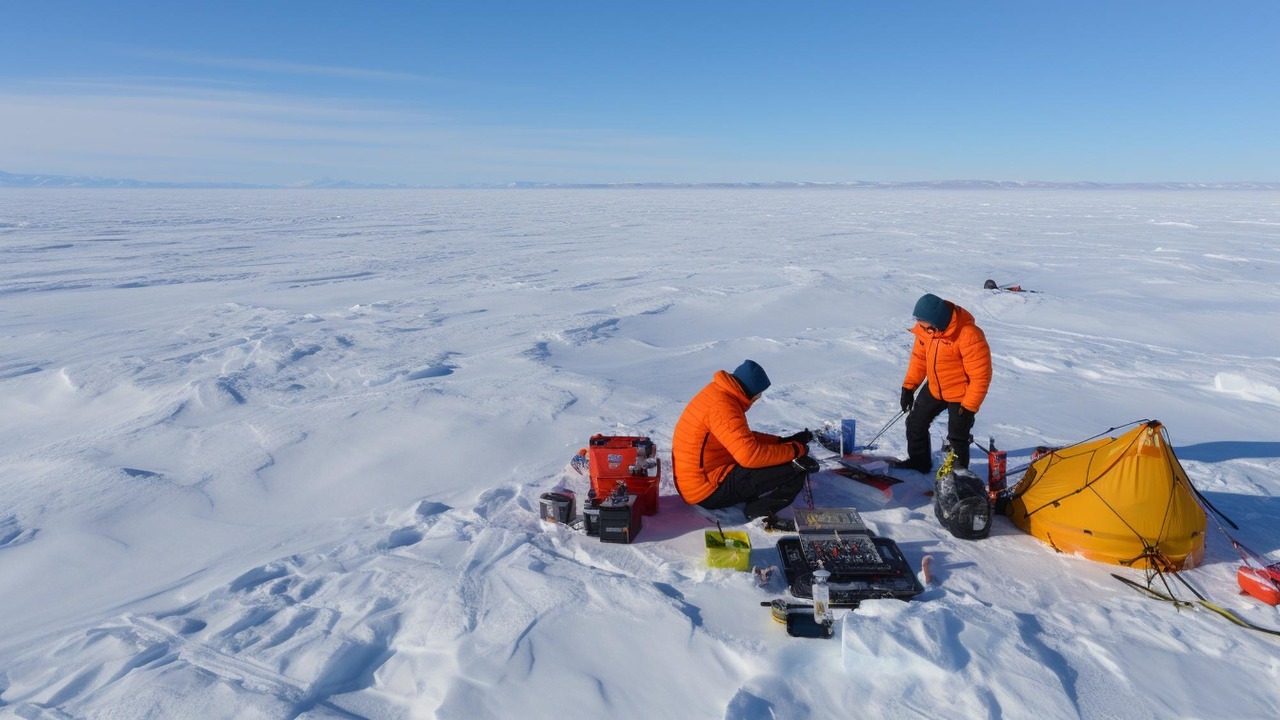
The exploration of Antarctica is far from over. Several research projects are currently underway, aiming to further delve into the continent’s hidden depths. These projects hold the promise of new discoveries that could answer some of the most pressing questions in earth science.
For instance, the ongoing BEDMAP project aims to create the most detailed map yet of Antarctica’s bedrock. This map could reveal more hidden structures and provide crucial information about the continent’s geological history. The future of Antarctic research is brimming with potential, promising exciting breakthroughs and a deeper understanding of our planet’s past.