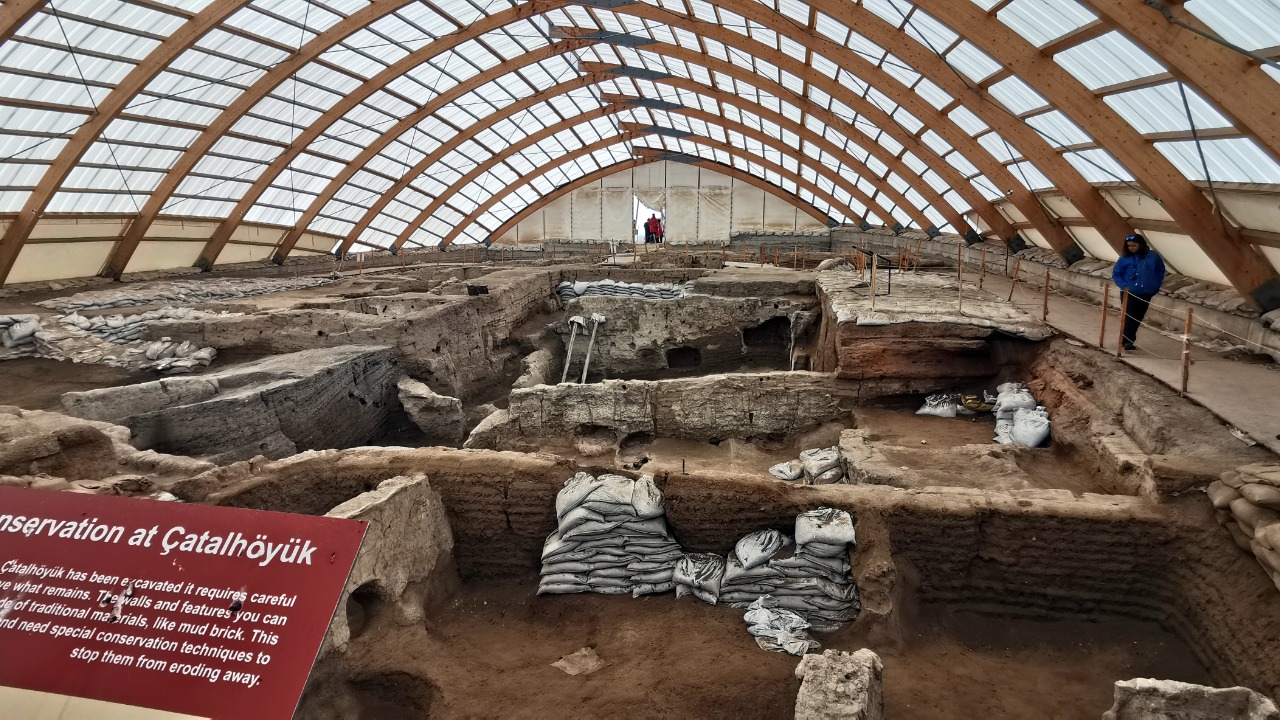

Unearthing an 8,500-year-old wooden ladder at the Neolithic site of Çatalhöyük, Turkey, has offered archaeologists and historians a fascinating glimpse into the past. This extraordinary find not only enriches our understanding of early human settlements, but also provides valuable insights into the lives of the people who once resided there.
Historical Context: The Significance of Çatalhöyük
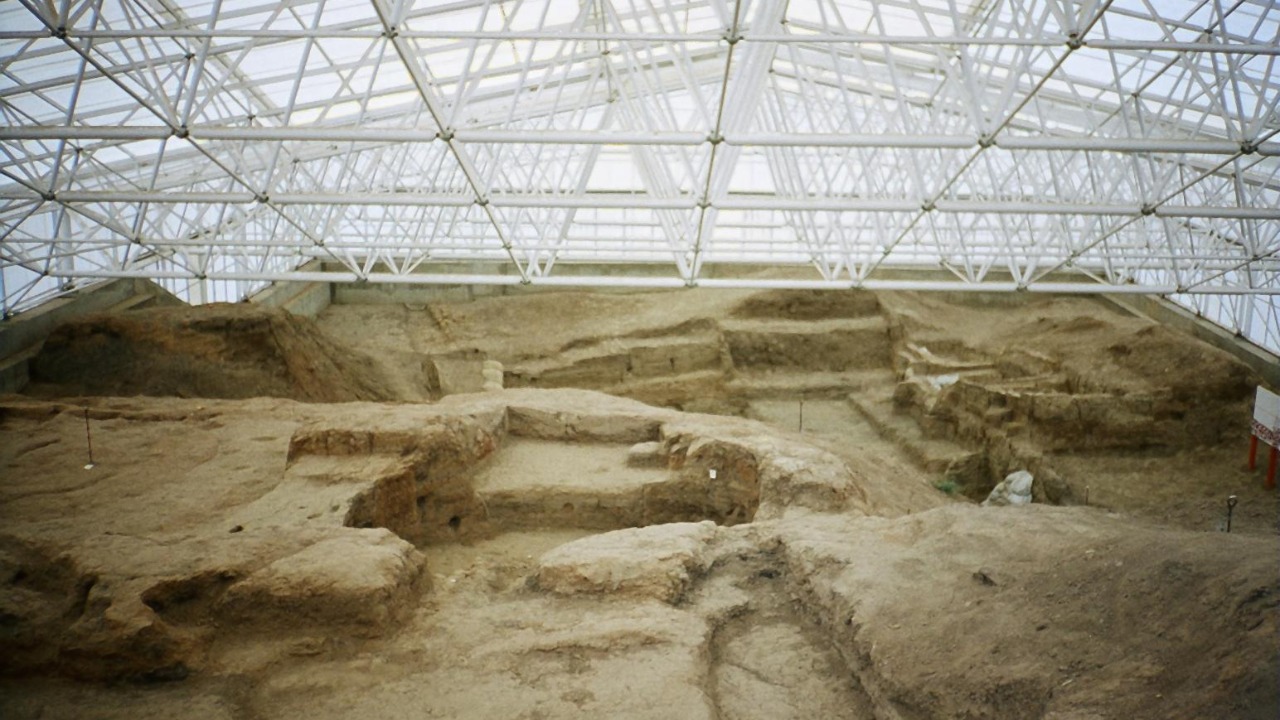
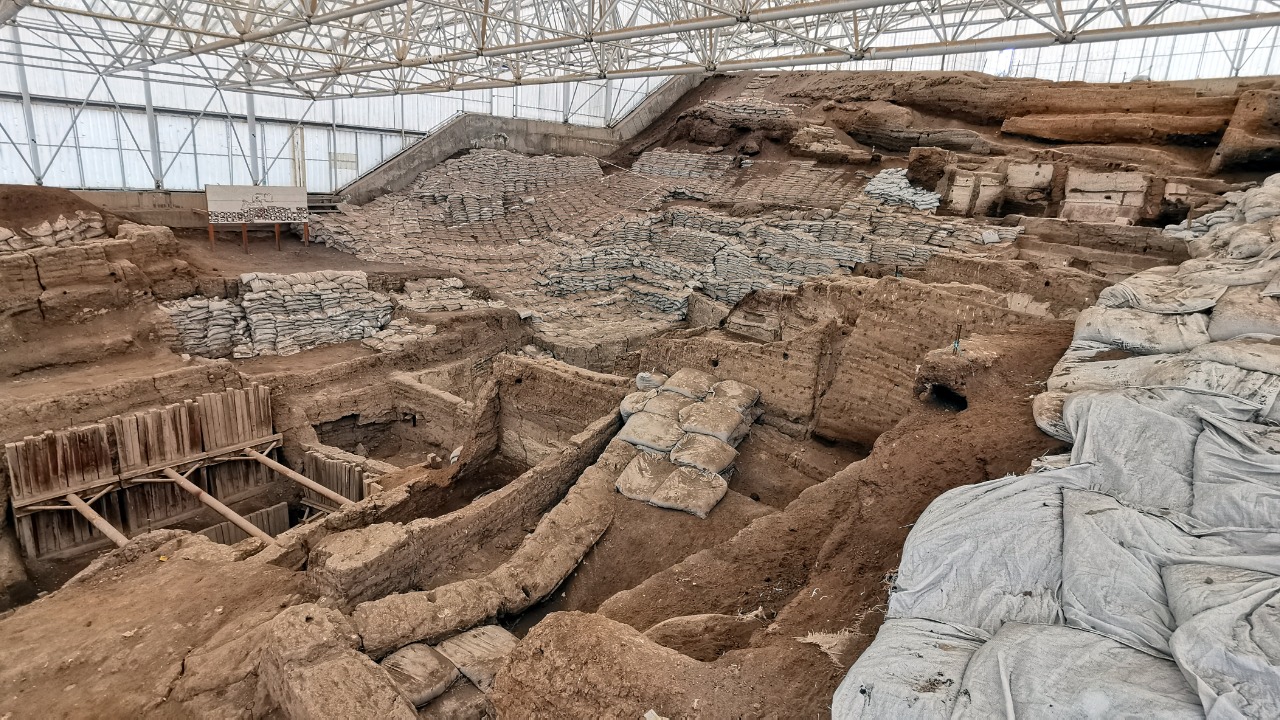
Recognised as a significant Neolithic site, Çatalhöyük offers an invaluable window into early human history. This settlement, located in the southern part of Anatolia, dates back to approximately 7500 BC and is considered an essential reference point for understanding the transition from nomadic to settled life. Çatalhöyük is particularly noted for its unique layout and social structures, which provide valuable insights into the evolution of human societies.
The excavations at Çatalhöyük have been ongoing since 1961, led initially by British archaeologist James Mellaart. The site has since revealed numerous artifacts and structures that have significantly contributed to our understanding of Neolithic life. Among these, the layout of Çatalhöyük is particularly fascinating. The houses were built in a tightly-knit fashion, with no spaces between them, suggesting a highly cooperative and interconnected society.
The Discovery of the Wooden Ladder
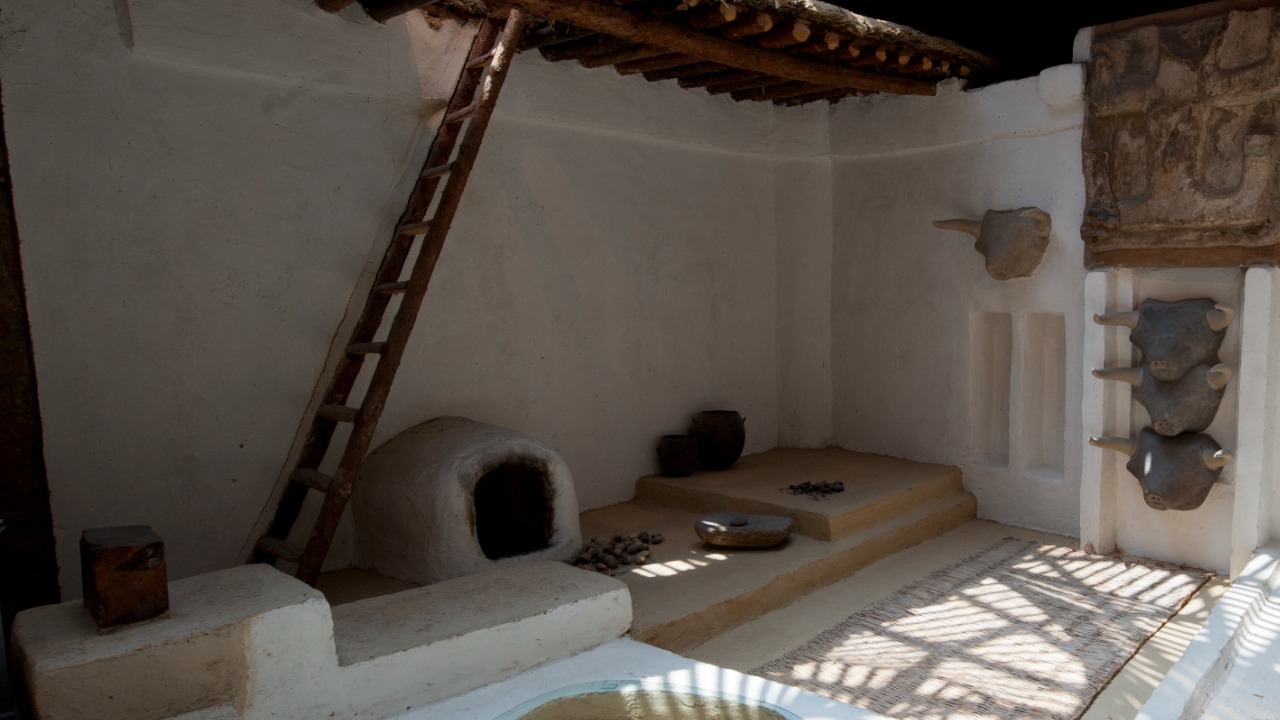
The 8,500-year-old wooden ladder was unearthed during one of the recent digs at Çatalhöyük. Despite its age, the ladder was found in a remarkably preserved state, offering an exceptional opportunity for study. The ladder’s construction reveals much about the materials and craftsmanship of the period. It was made from a local wood, shaped and notched by hand, indicative of the tools and techniques available to the Neolithic Çatalhöyük inhabitants.
The ladder’s functionality within the Çatalhöyük community is a source of intrigue. Given the unique architectural design of the settlement – with homes built wall-to-wall and entrances located on the roofs – ladders would have been an essential tool for daily life. This ladder could have been used for accessing homes, storerooms, or even for communal rituals or ceremonies.
Interpreting the Ladder: Archaeological Insights

The significance of the wooden ladder extends beyond its practical use. It offers a unique perspective on the daily life and activities of the Çatalhöyük inhabitants. For instance, the ladder’s construction and the skill required to make it indicate a certain level of technological capability and craftsmanship within the community.
Moreover, the ladder provides insights into the architectural practices of the Neolithic period. Considering the unique layout of Çatalhöyük, with houses clustered together and rooftop entrances, ladders would have been a necessity. This discovery, therefore, illuminates the innovation and adaptability of early human societies. The ladder might also hold clues about the social hierarchy and rituals of the Çatalhöyük community. For instance, it might have been used during specific ceremonies or by certain members of the community, indicating social stratification or ritual practices.
Comparative Analysis: Çatalhöyük’s Ladder in a Broader Context
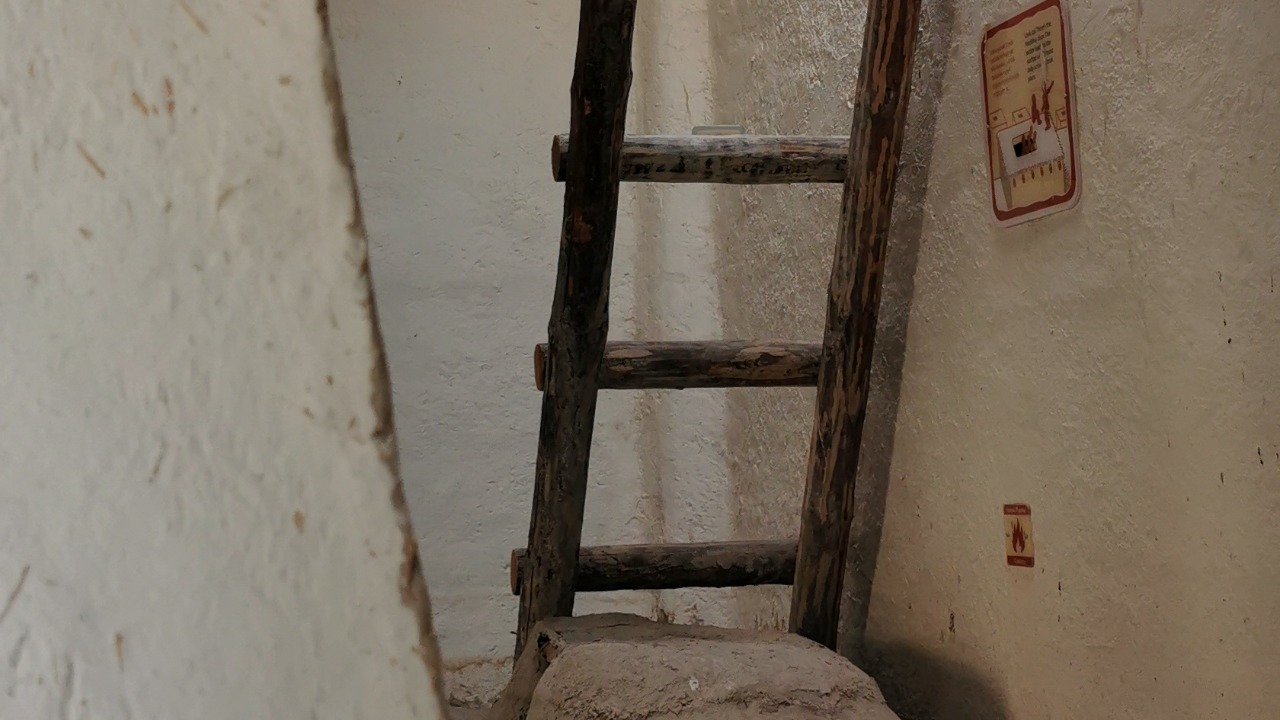
When examined in a broader context, the Çatalhöyük ladder offers intriguing comparative insights. Few similar artifacts have been found at other Neolithic sites, making this ladder a rare and valuable find. This ladder enables us to draw comparisons and identify similarities and differences in technological and societal development across different regions during the Neolithic period.
Furthermore, the ladder highlights the innovative spirit of our ancestors. Despite their limited resources, they were able to create functional and durable tools, demonstrating an understanding of materials and construction techniques. This ladder, therefore, has a significant place in the larger narrative of human history, standing as a testament to human ingenuity and adaptability.
Preservation and Display of the Ancient Ladder
Preserving such an ancient artifact is a challenging task. The ladder’s age and the materials from which it is made pose significant conservation issues. However, diligent efforts are being made to ensure that this unique piece of history is preserved for future generations. The ladder is currently being treated with special chemicals to prevent decay and is stored under controlled environmental conditions.
As an educational tool, the ladder offers invaluable insights into the past. It is a tangible link to our ancestors and their way of life, making history more accessible and engaging. The ladder is currently on display at the Museum of Anatolian Civilizations in Ankara, Turkey, where visitors can view this remarkable artifact in person. For those unable to visit in person, images and details about the ladder can be found in various online platforms such as Reddit’s Archaeology community and Google Books.