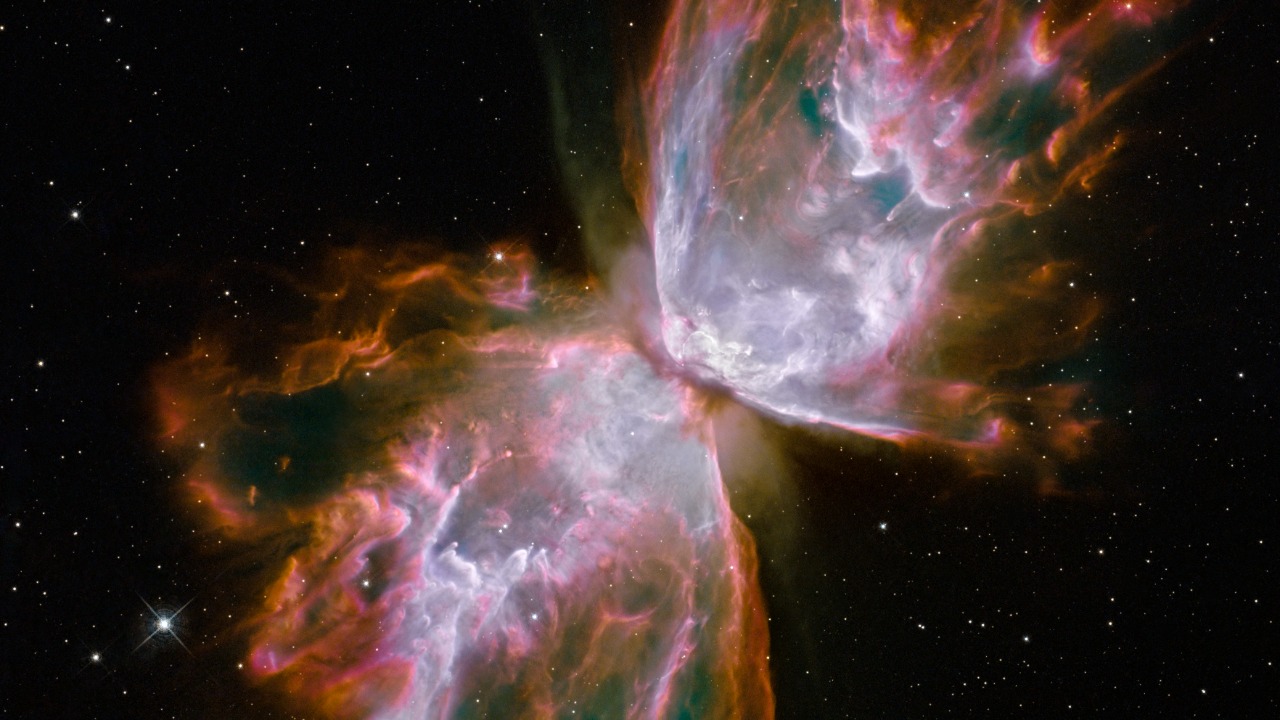

The James Webb Space Telescope has captured captivating images of the Space Butterfly, a nebula thousands of light-years away. The intricacies of this discovery and its implications in astronomical research paint a fascinating picture of our universe.
Understanding the James Webb Space Telescope

The James Webb Space Telescope (JWST), a joint project of NASA, the European Space Agency, and the Canadian Space Agency, is a marvel of modern technology. Launched in December 2021, it’s the successor to the Hubble Space Telescope and offers greater sensitivity and resolution.
Equipped with innovative technology, the JWST is capable of observing the universe in the infrared spectrum, allowing it to penetrate dust clouds and reveal hidden celestial bodies. The scientific objectives of the JWST include studying the formation of stars and planets, examining the evolution of galaxies, and testing theories about the early universe and dark matter.
The Discovery of the Space Butterfly
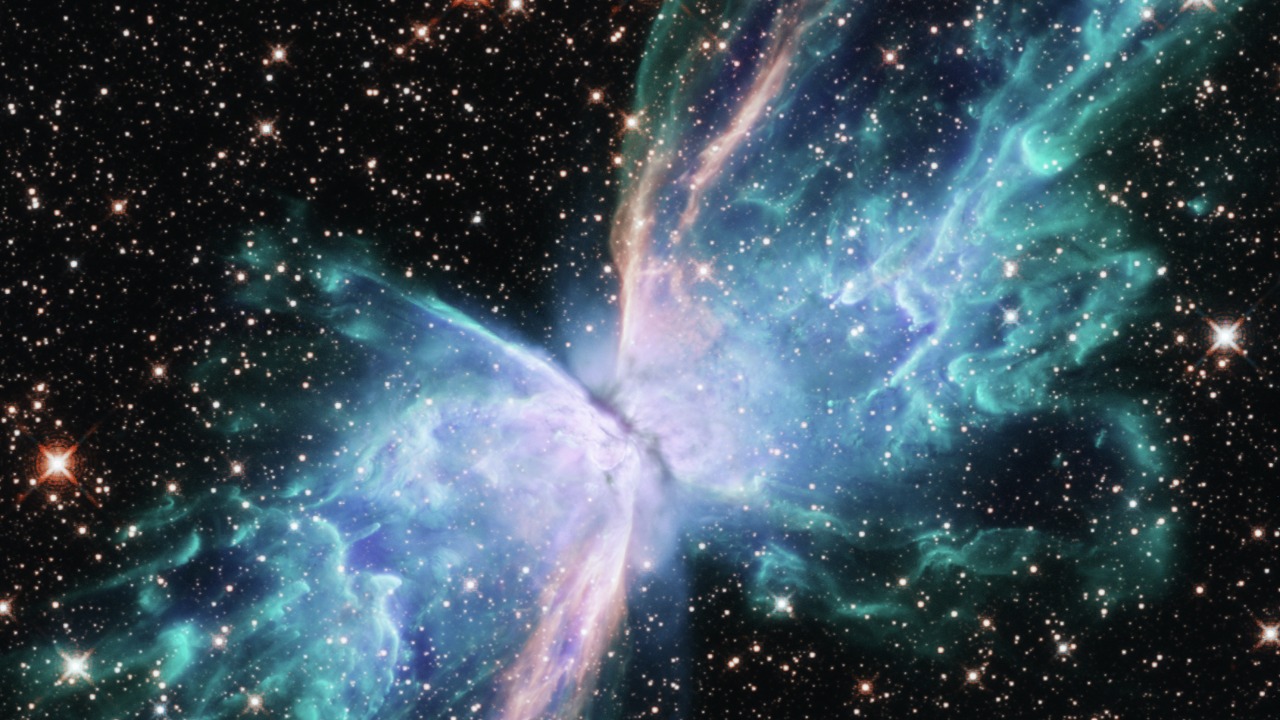
Located in the constellation Scorpius, the Space Butterfly, also known as NGC 6302, is an enchanting nebula. The JWST captured unprecedented images of this nebula, revealing its intricate structure and vibrant colors.
The Space Butterfly was discovered thanks to the telescope’s advanced infrared capabilities. This discovery is significant for the astronomy community as it provides a new perspective on nebulae and their role in the universe. The high-resolution images of the Space Butterfly will enable researchers to study nebulae in greater detail than ever before.
Delving into the Beauty of the Space Butterfly
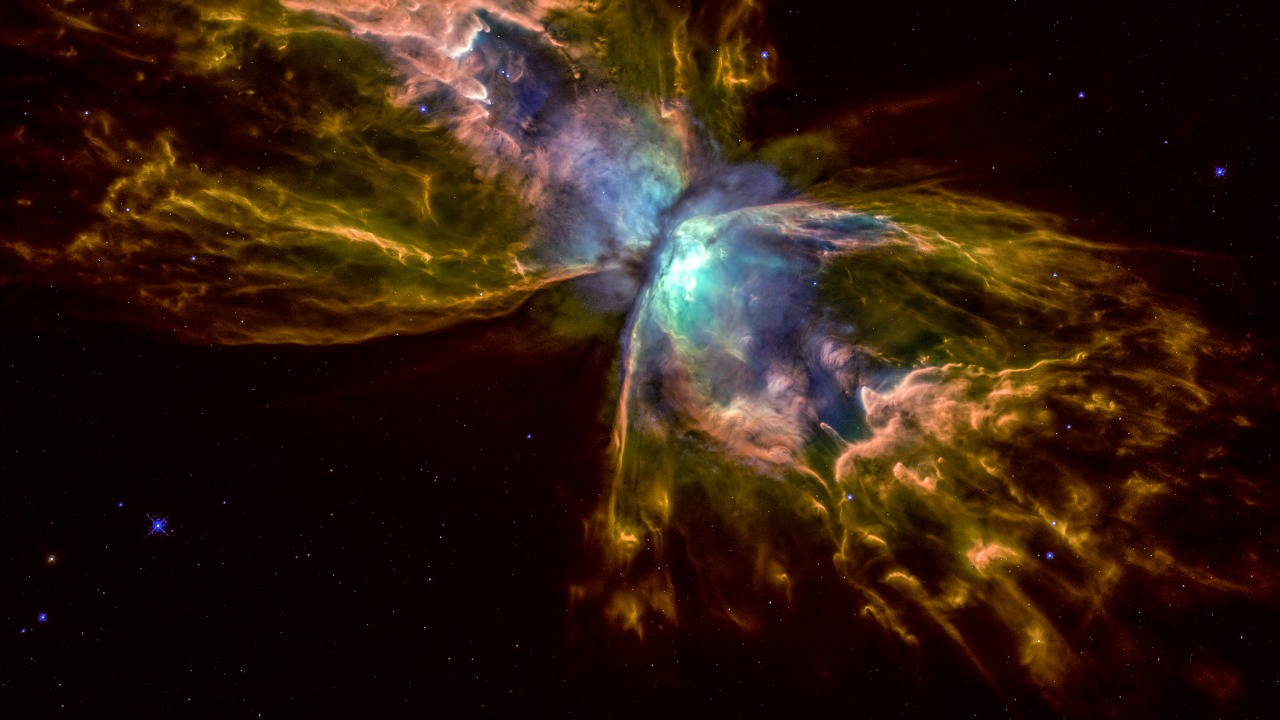
The Space Butterfly is renowned for its vibrant colors and unique shape. Its wings, filled with intricate patterns of gas and dust, glow in a multitude of colors due to the different elements present. The central star, a white dwarf, heats the surrounding gas to temperatures of over 20,000 degrees Celsius, causing it to shine brightly.
The visual attributes of the Space Butterfly are a result of its composition and the processes taking place within it. For instance, the green hue in the images is due to the presence of ionized oxygen, while the red areas indicate nitrogen and sulfur. When compared to other known nebulae, the Space Butterfly stands out due to its distinct shape and vibrant colors.
The Role of the Space Butterfly in Astronomy
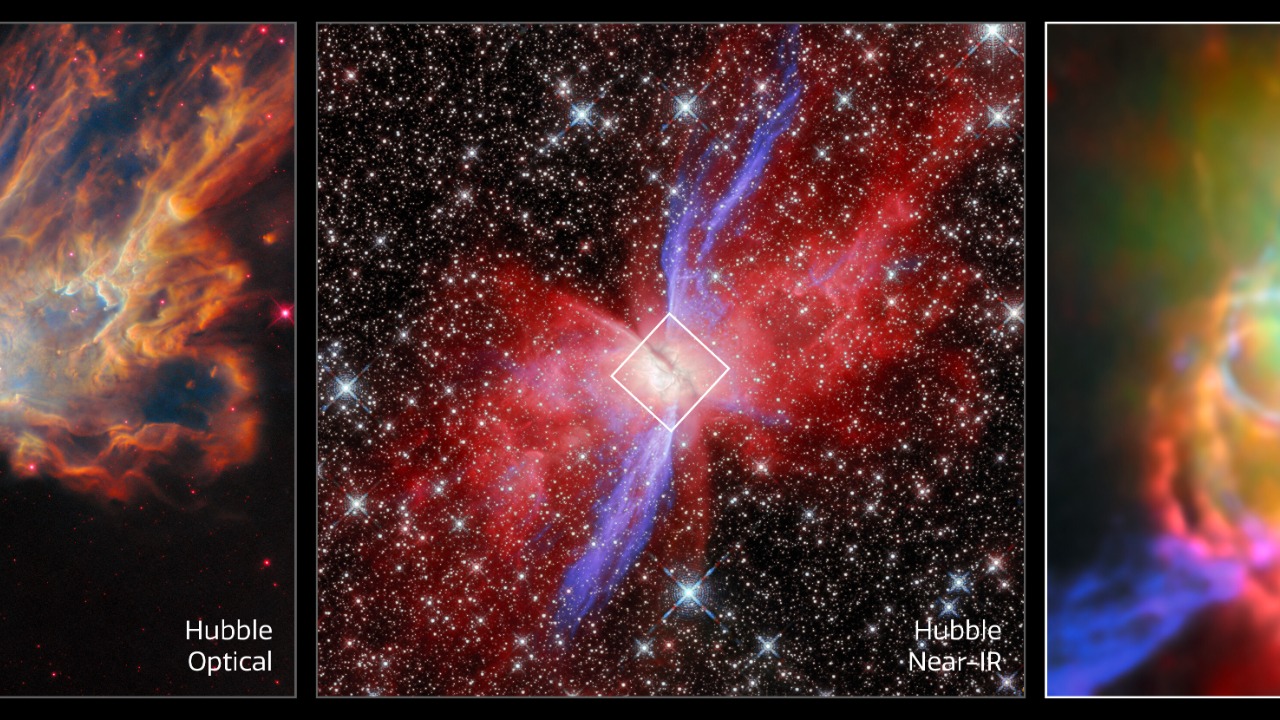
The Space Butterfly offers valuable insights into the life cycle of stars. It’s believed to be the remnants of a star that underwent a violent death, ejecting its outer layers into space. Studying the Space Butterfly can help astronomers understand the processes involved in star formation and death.
Interestingly, the Space Butterfly might also provide clues about the origins of Earth. The elements found in nebulae like the Space Butterfly are crucial for the formation of planets, and studying their distribution and properties could shed light on how our own planet came into existence. This makes the Space Butterfly a subject of ongoing and future research projects in astronomy.
Impacts and Implications of the Discovery
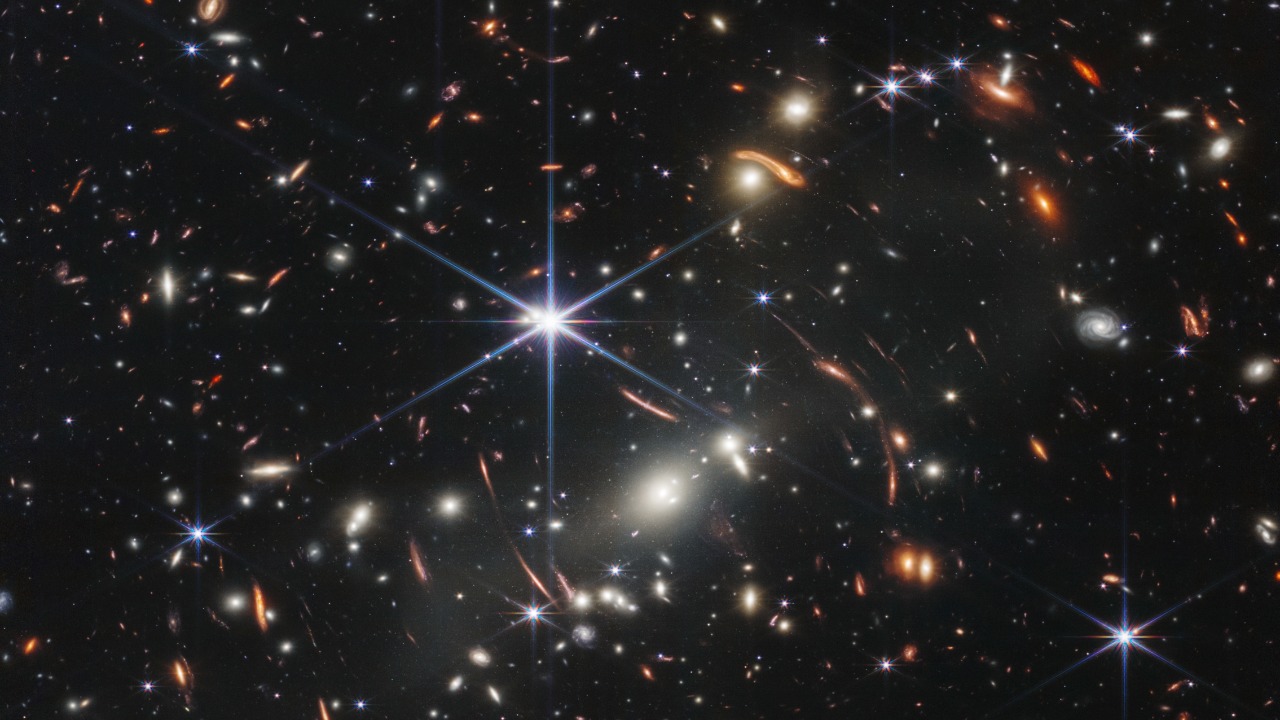
The discovery of the Space Butterfly has profound educational and scientific impacts. It showcases the capabilities of the JWST and paves the way for more detailed studies of nebulae. Moreover, it offers a tangible example of the life cycle of stars, making it a valuable tool for educational purposes.
Our understanding of the universe is also enriched by this discovery. Nebulae are crucial components of the universe, and having a detailed view of one helps us better understand the processes taking place within them. Additionally, the discovery holds potential implications for future space exploration and research, opening up new avenues for investigation.
James Webb Telescope’s Future Explorations

The JWST’s mission is far from over. With a number of planned observations and missions on the horizon, the telescope is set to continue its exploration of the cosmos.
The potential for further discoveries and breakthroughs is immense. By studying distant galaxies, exoplanets, and nebulae like the Space Butterfly, the JWST could reshape our understanding of the universe. The telescope’s legacy will undoubtedly be marked by its significant contributions to astronomy, as exemplified by its discovery of the Space Butterfly.