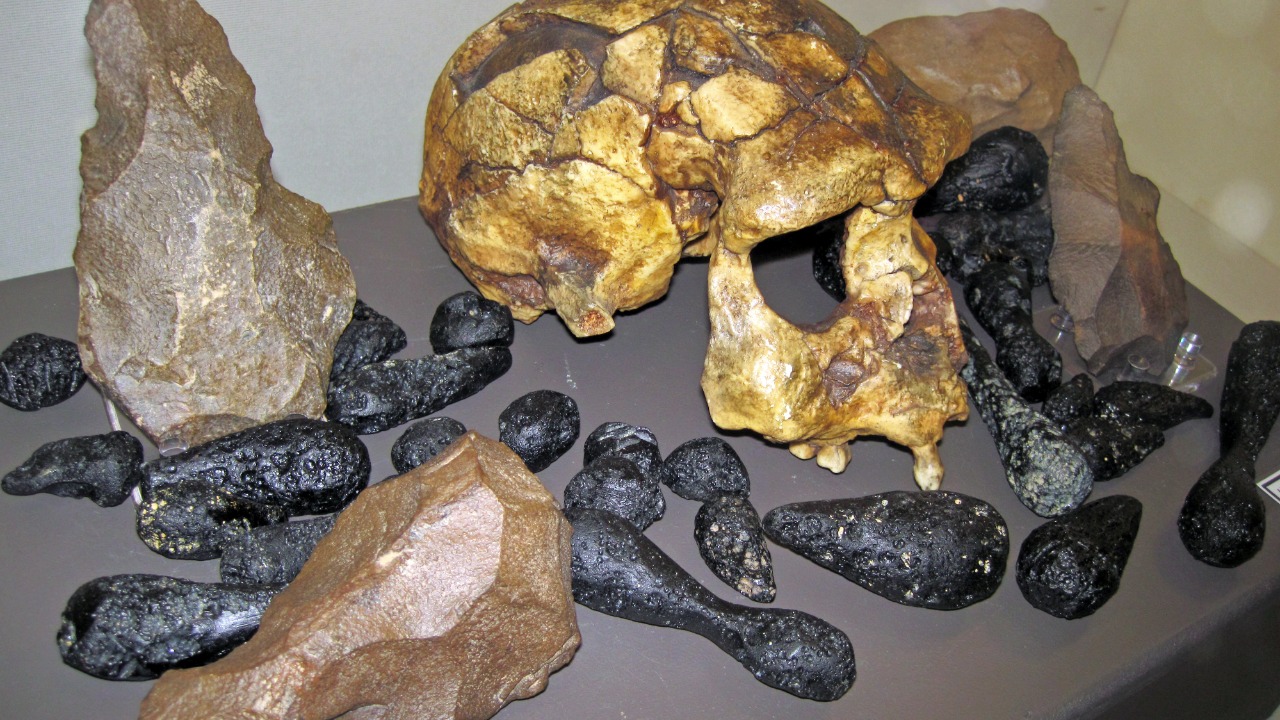

In a turn of events that has left the scientific community in a state of shock and intrigue, the oldest human remains ever discovered have been unearthed from the frosty expanses of Antarctica. This groundbreaking revelation has challenged long-standing beliefs about early human migration and survival in severe climates, prompting a re-evaluation of our understanding of human history.
The Discovery: Unearthing History
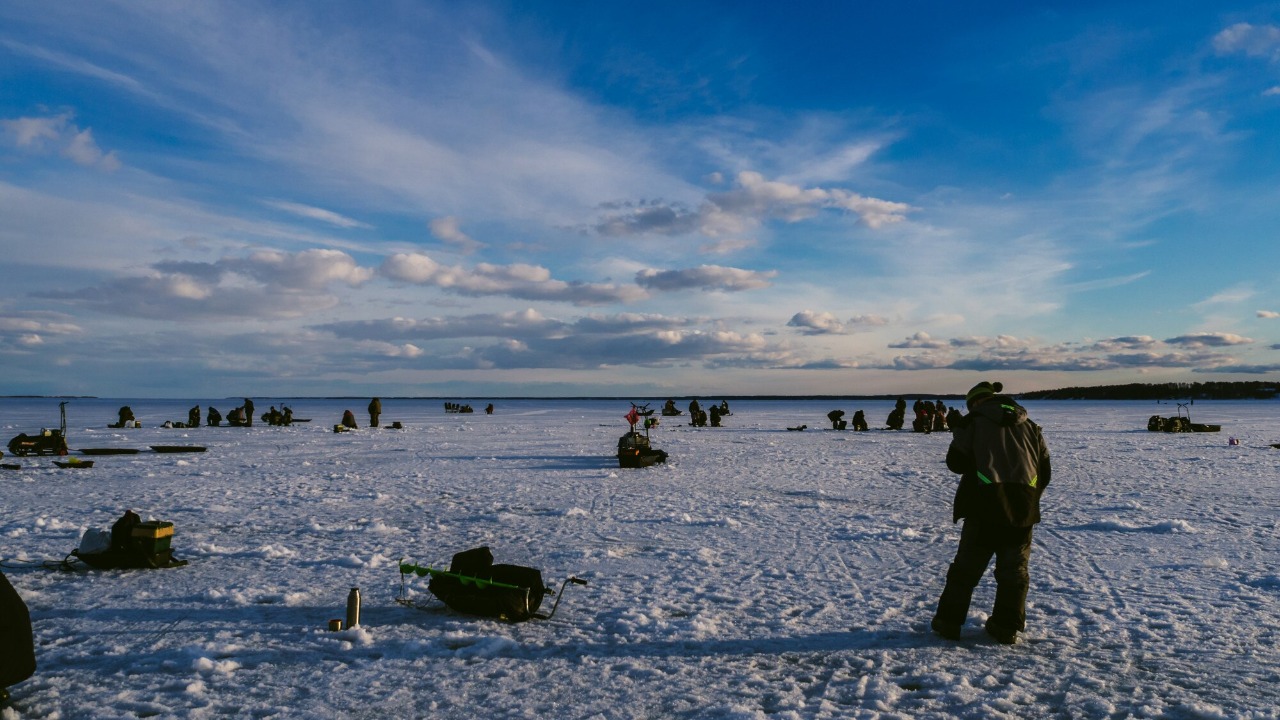
The process of discovering and excavating the ancient human remains was no small feat. Amidst the icy terrains of Antarctica, a team of dedicated researchers braved challenging conditions to bring to light this remarkable piece of human history. The location’s unique conditions, including its frigid temperatures and remote, untouched nature, have contributed to the remarkably preserved state of the remains, sparking further interest and curiosity.
Initial assessments of the remains indicate their astounding age, making them the oldest human remains ever found in Antarctica. In a landscape more commonly associated with unique ice formations and wildlife, this discovery opens up a new chapter in our understanding of human history.
The Significance: Revisiting Theories of Human Migration
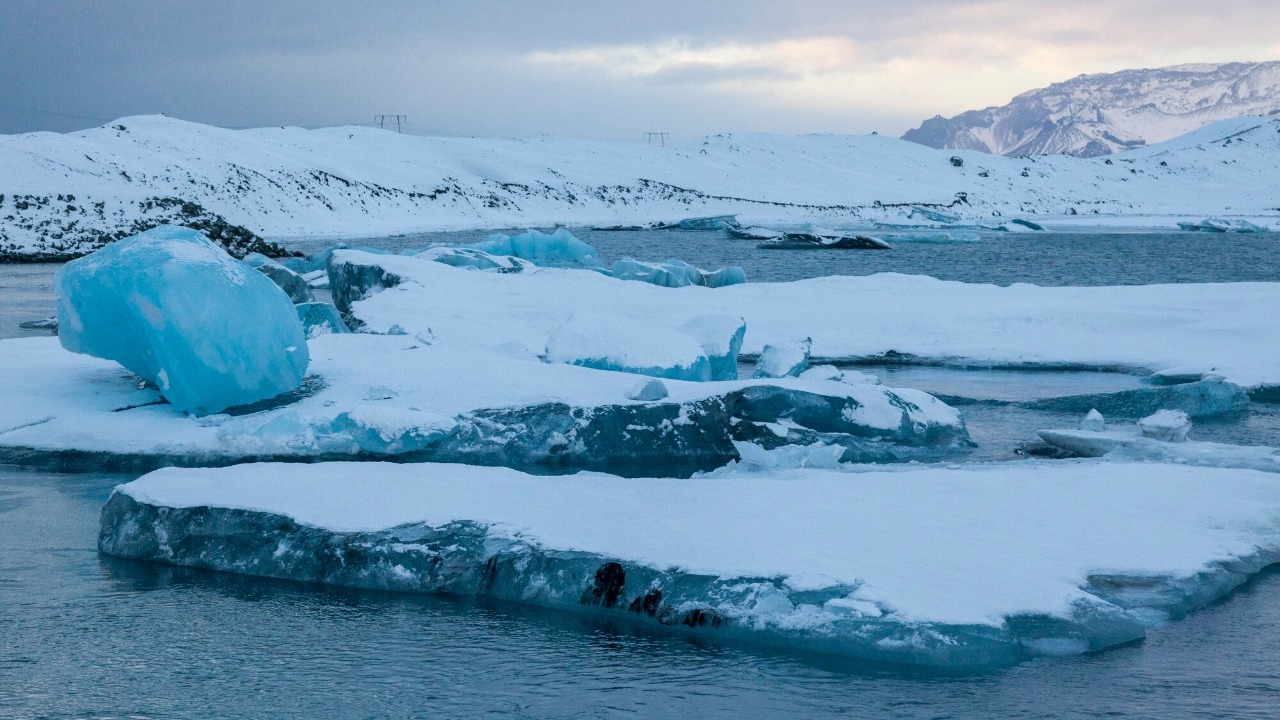
The discovery has profound implications for existing theories of early human migration. Traditional thought held that early humans had not ventured into the harsh climates of Antarctica. This finding not only challenges that belief but also invites us to reconsider our understanding of human survival and adaptability in extreme conditions.
Moreover, the discovery hints at the potential for further archaeological finds in Antarctica. If early humans could survive and possibly thrive in such an environment, what other evidence of their existence and lifestyle might lie beneath the ice? The potential for further exploration and discovery in this field is enormous.
The Skepticism: Challenging Established Scientific Thought

As with any scientific revelation that challenges established thought, this discovery has been met with skepticism and debate within the scientific community. Critics argue that the remains could be of more recent origin or even a result of modern human activities in the region. The counter-theories and critiques put forth by these experts are an essential part of the scientific process, ensuring rigorous examination and validation of the findings.
Building consensus in the scientific community is an arduous process that involves a rigorous examination of the evidence and testing of theories. This process is currently underway, with the remains subjected to a multitude of tests and analysis.
The Investigation: Analyzing the Remains

Several scientific methodologies are being employed to analyze the remains. These include carbon dating to ascertain the age of the remains and DNA analysis to understand their genetic makeup. The results of these tests are eagerly awaited by the scientific community and are expected to provide compelling insights into our prehistoric ancestors and their way of life.
Moreover, the remains are being studied for cultural, dietary, and lifestyle indications. These studies, using methods such as isotopic analysis, aim to provide a clearer picture of the life and times of these early humans. Such insights can help us understand how these humans adapted to and survived in the harsh Antarctic environment.
The Impact: Redefining Human History
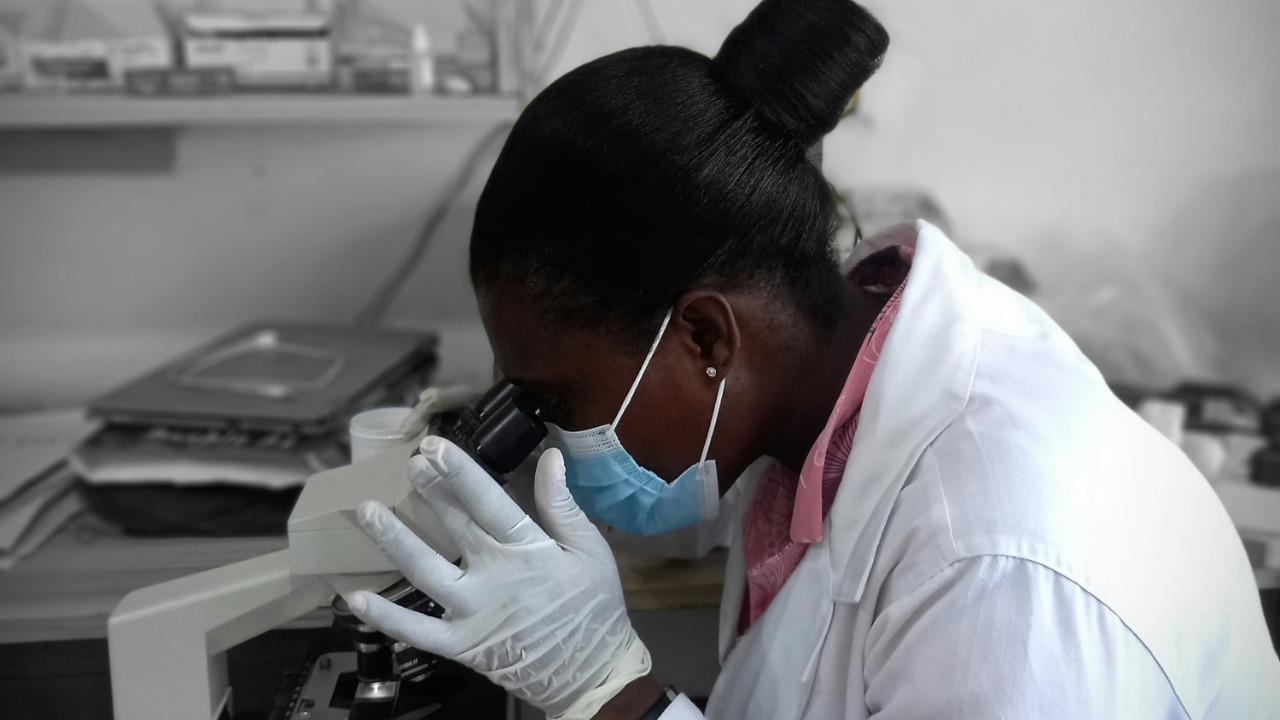
The discovery has far-reaching implications for our understanding of human history. If validated, it would necessitate a re-write of our prehistoric migratory patterns and survival strategies. This could lead to changes in anthropological and historical curricula, challenging and enriching our understanding of the human past.
The broader impact of the discovery extends beyond the academic world. The discovery has captured the public’s imagination, much like the recent discovery of Amelia Earhart’s plane, and has found its way into popular culture and media. The idea that our ancestors could have roamed the icy plains of Antarctica thousands of years ago is both fascinating and inspiring, reminding us of the incredible adaptability and resilience of the human species.