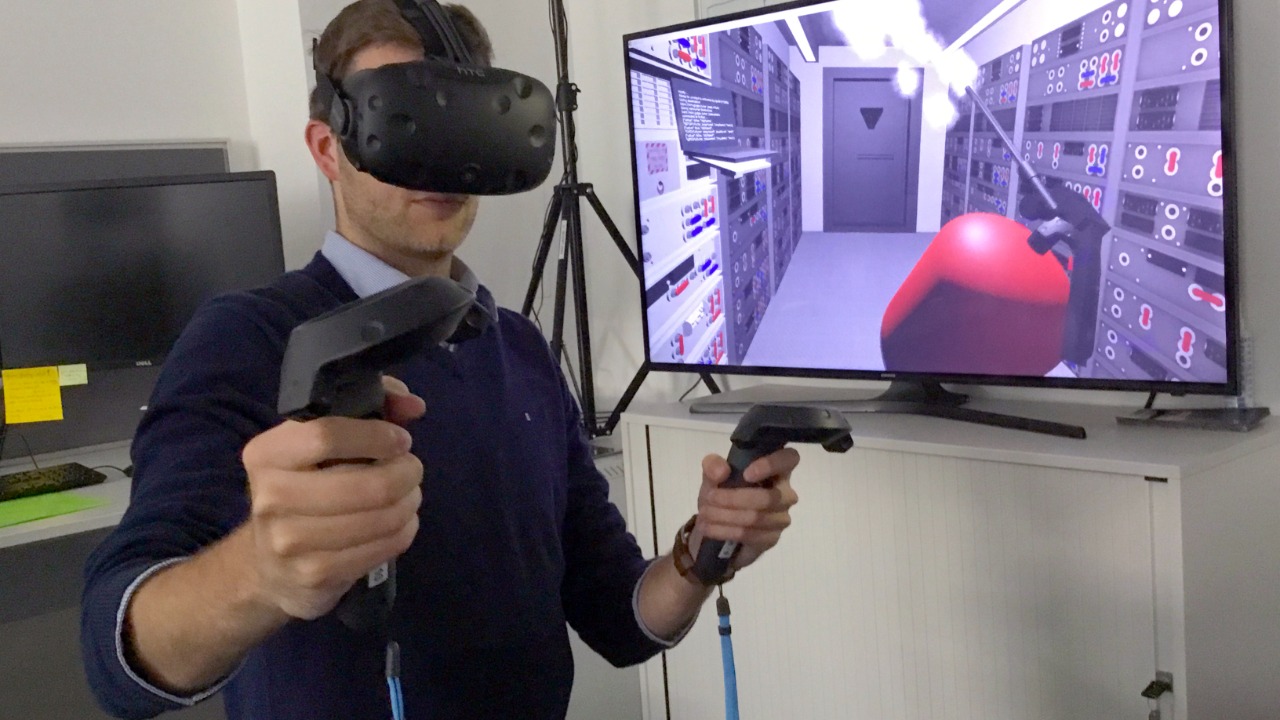

Imagine a world where your clothes could monitor your health, your glasses could provide you with real-time data about your environment, or your watch could predict potential health risks. This isn’t a distant reality, but rather the exciting field of wearable computing.
Understanding Wearable Computing

The term ‘wearable computing’ refers to electronic technologies or computers that are incorporated into items of clothing and accessories which can comfortably be worn on the body. These devices, often connected to the internet, enable data to be exchanged between a network and the device. The evolution of wearable devices traces back to the invention of portable transistor radios in the 1950s, which were small enough to clip onto a user’s clothing. In recent years, the growth in the wearable computing industry has been exponential.
According to a recent study, the global wearable devices market was valued at USD 32.63 billion in 2019 and is projected to reach USD 104.39 billion by 2027, growing at a significant CAGR of 15.5% from 2020 to 2027.
Emerging Wearable Computing Technologies
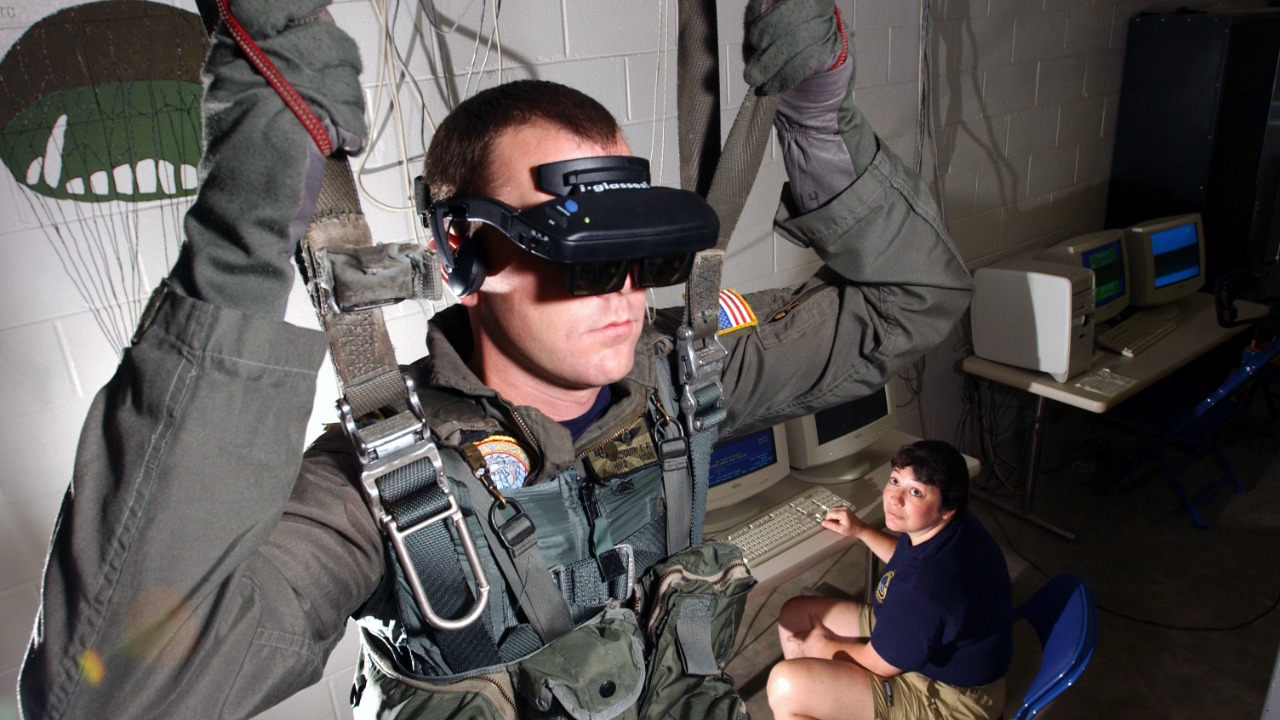
One of the most significant advancements in wearable computing is in the health-monitoring segment. Devices like smartwatches and fitness bands monitor vital statistics such as heart rate, sleep patterns, and physical activity, providing a wealth of data that can be used to improve individual health and wellness. These devices are not only changing how we monitor our health but also how we interact with healthcare providers and systems.
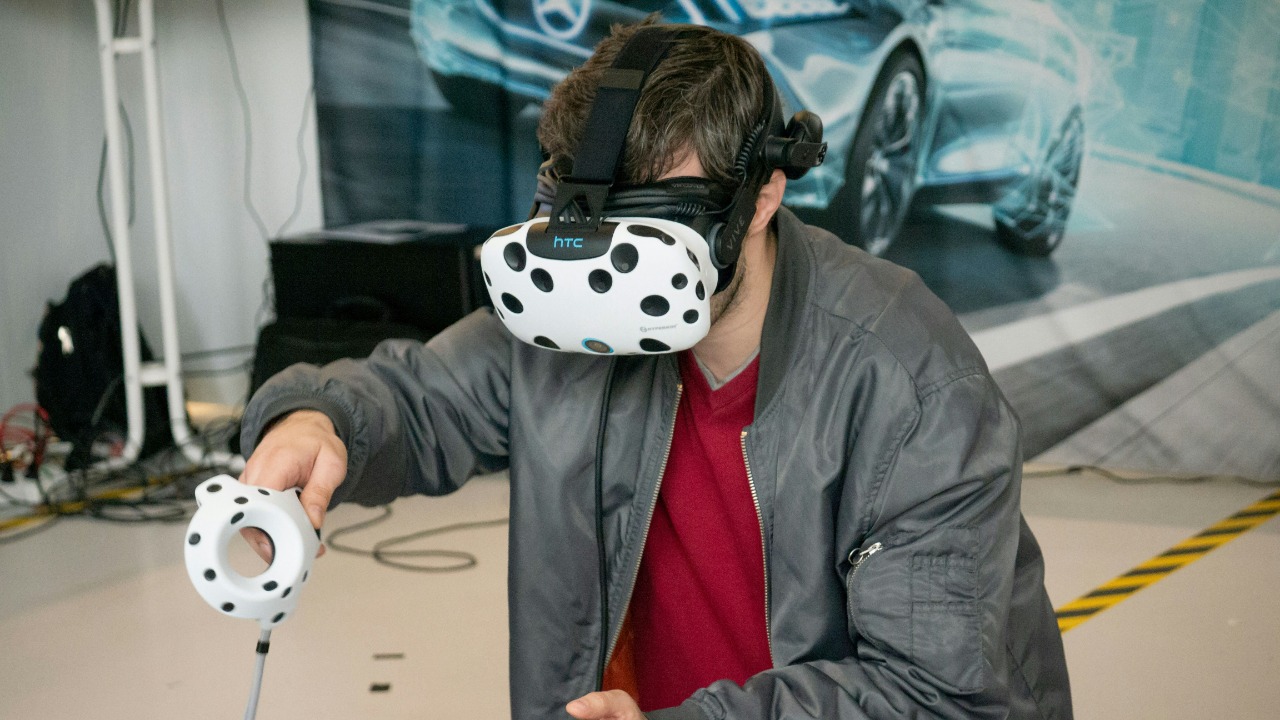
Augmented Reality (AR) and Virtual Reality (VR) wearables are also gaining popularity, especially in the entertainment and education sectors. These devices offer immersive experiences that can transport users to different realities. In the fashion industry, smart clothing and accessories are becoming increasingly popular. These items, like smart shoes and smart jackets, can measure biometric data and even adjust the temperature according to the wearer’s needs.
Role of AI and Machine Learning in Wearable Computing

Artificial Intelligence (AI) and Machine Learning are integral to the advancement of wearable computing. AI helps in analyzing and interpreting the vast amounts of data collected by health-monitoring wearables, enabling predictive analytics and personalized care. For instance, wearable devices can detect irregular heart patterns and alert users to potential health risks.
Machine Learning enhances the interaction and realism of AR/VR devices, making the virtual environment more responsive to the user’s actions. In the fashion industry, AI in smart clothing is used for automated climate control and fitness tracking. For example, smart jackets can adjust their temperature based on the wearer’s body temperature and external weather conditions.
Challenges and Opportunities in Wearable Computing

While wearable computing offers numerous benefits, it also presents some challenges. Data privacy is a significant concern, as these devices collect sensitive user information. Ensuring this data is protected is paramount. There are also technical challenges, such as power management and device miniaturization, as discussed in this article.
Despite these challenges, there are numerous opportunities in wearable computing. Personalization, improved user experience (UX), and the potential for new markets are just a few. The devices’ ability to collect and analyze personal data can help create customized user experiences, leading to increased user satisfaction and engagement.
Impact of Wearable Computing on Jobs and the Economy
The rise of wearable computing has led to the creation of new jobs, particularly in AI, Machine Learning, and wearable tech development. As wearable technology continues to evolve, there will be an increased demand for professionals with specialized skills in these areas. This report suggests that jobs in these sectors are among the most in-demand and highest paying in the tech industry.
The economic implications of wearable computing are also significant. The growth in the wearable tech sector can stimulate economic growth, creating new businesses and job opportunities. Additionally, wearable tech can have far-reaching effects on other industries such as healthcare, entertainment, and fashion, leading to further economic expansion.
Future of Wearable Computing

Looking ahead, wearable tech trends suggest that the next five to ten years will witness even more innovative devices that could significantly impact our daily lives. Developments in battery technology, data processing, and miniaturization will likely lead to wearables being even more integrated into our lives, offering personalized insights and experiences like never before.
Emerging research and innovations will also shape the future of wearable computing. For instance, a recent study discusses the potential of nanotechnology in wearable devices, which could lead to the development of even smaller, more powerful devices. With the rapid pace of technological advancement, the next generation of wearable devices promises to be more transformative than ever before.