

Today, the California Institute of Technology (Caltech) has made a significant stride in the field of space solar power. The institute has successfully demonstrated the ability to transmit power from space to Earth wirelessly, opening up a world of possibilities for renewable energy.
Understanding Space Solar Power
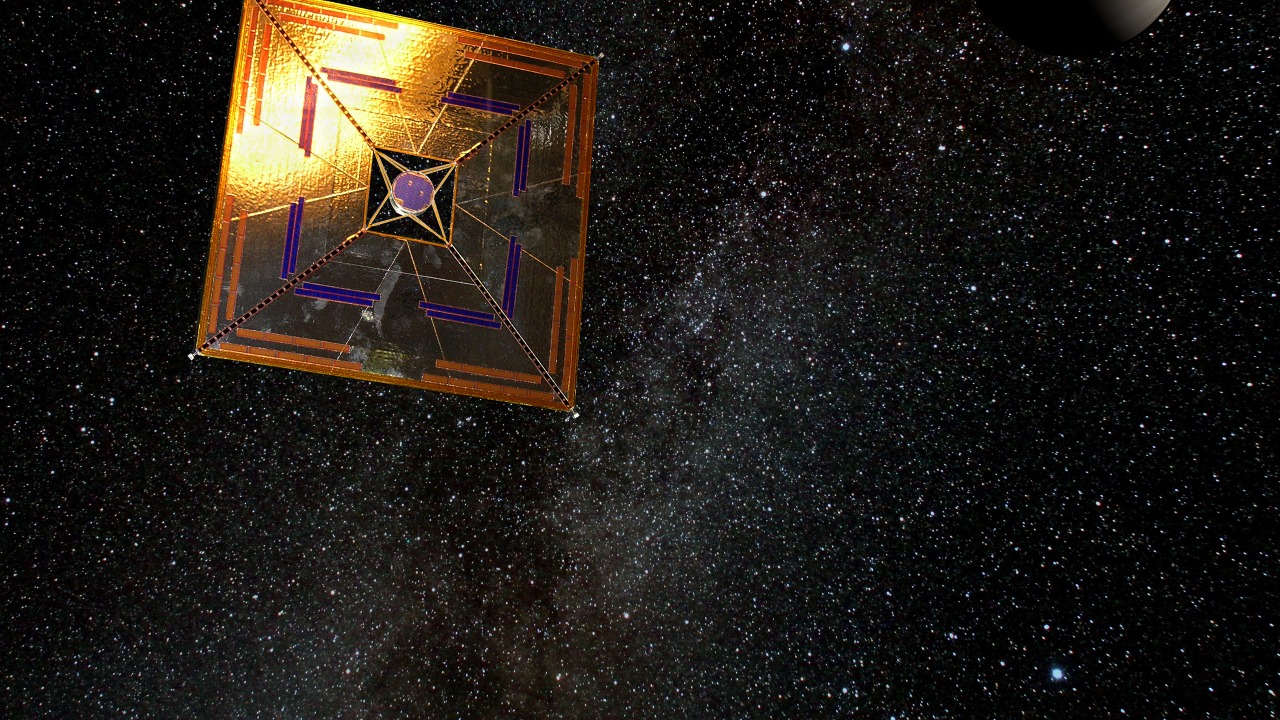
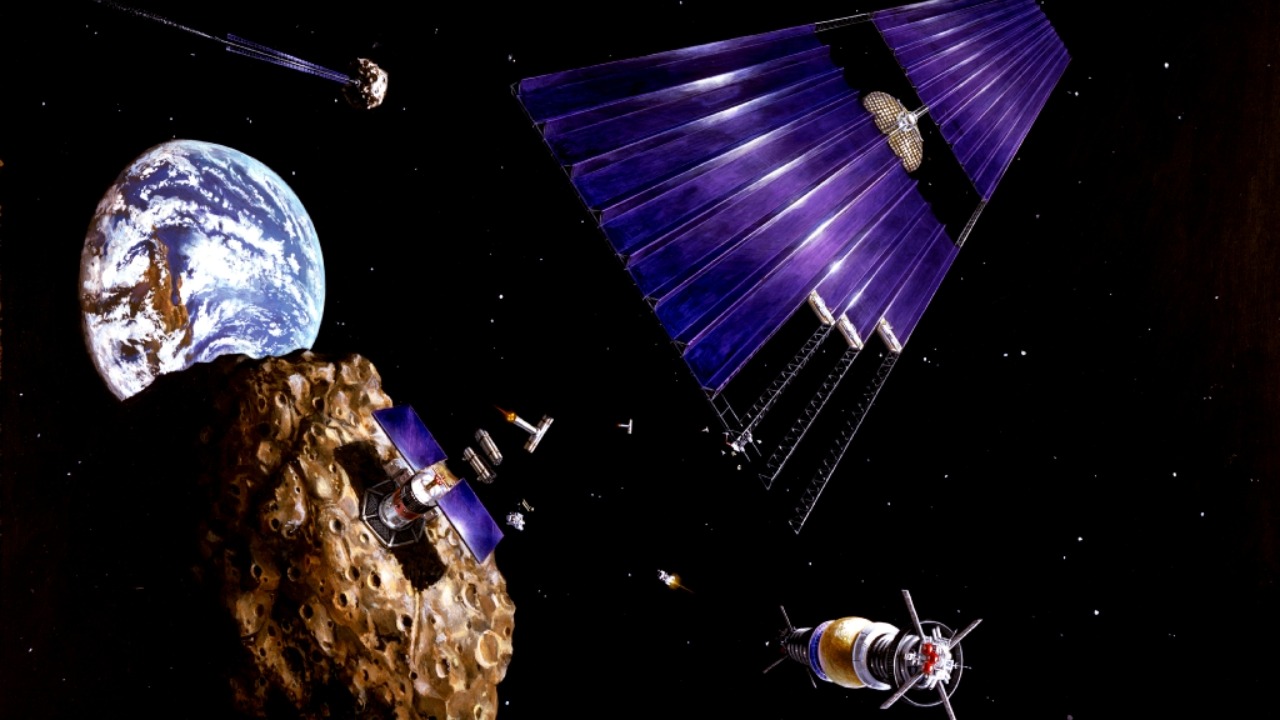
Space solar power, as the name suggests, involves harnessing solar energy directly from space. Unlike traditional solar power, space solar power is not limited by weather conditions or the day-night cycle. It taps into the continuous and intense sunlight in space using satellites equipped with solar panels. The collected energy is then transmitted wirelessly to Earth, typically in the form of microwaves or lasers. You can delve deeper into the science of space solar power here.
This form of energy has immense potential. It can provide a constant, reliable source of renewable energy, capable of powering entire cities or remote areas currently lacking access to the power grid. Moreover, it could play a pivotal role in offsetting our reliance on fossil fuels and mitigating the effects of climate change.
The Journey of Caltech’s Space Solar Power Project
The Space Solar Power Project at Caltech has been a work in progress for many years. The initial concept was born out of the need to find sustainable, scalable solutions to our growing energy demands. Over the years, the project has made significant advancements in design and technology, steadily pushing towards the goal of wireless power transmission.
One of the pivotal milestones in the project was developing a lightweight, deployable structure for the solar power satellite. The team also worked on improving the efficiency of wireless power transmission, a challenge that required innovative solutions in terms of both hardware and software. More information about the project’s journey can be found here.
Caltech’s Recent Breakthrough
Caltech’s recent demonstration of wireless power transmission marks a monumental step forward in the field. During the test, a small, lightweight module was deployed in space. This module successfully collected solar energy, converted it into microwaves, and beamed it wirelessly to a receiver on Earth.
This breakthrough has far-reaching implications. It validates the feasibility of space solar power and brings us a step closer to realizing its full potential. It also opens up new avenues for research and development in related areas, such as wireless energy transfer and power beaming technology. You can read more about the demonstration here.
The Role of Startup AetherFlux
Startup AetherFlux has played a significant role in the advancement of Caltech’s project. They’ve been instrumental in developing the technology for wireless power transmission and have also contributed to the design and deployment of the space module.
Recently, AetherFlux secured a funding of $50 million. This funding is expected to greatly accelerate the project’s progress, enabling further research and development, and possibly even the deployment of a full-scale power-beaming satellite in the near future. More details about AetherFlux’s involvement and the impact of the funding can be found in this article.
The Future of Space Solar Power
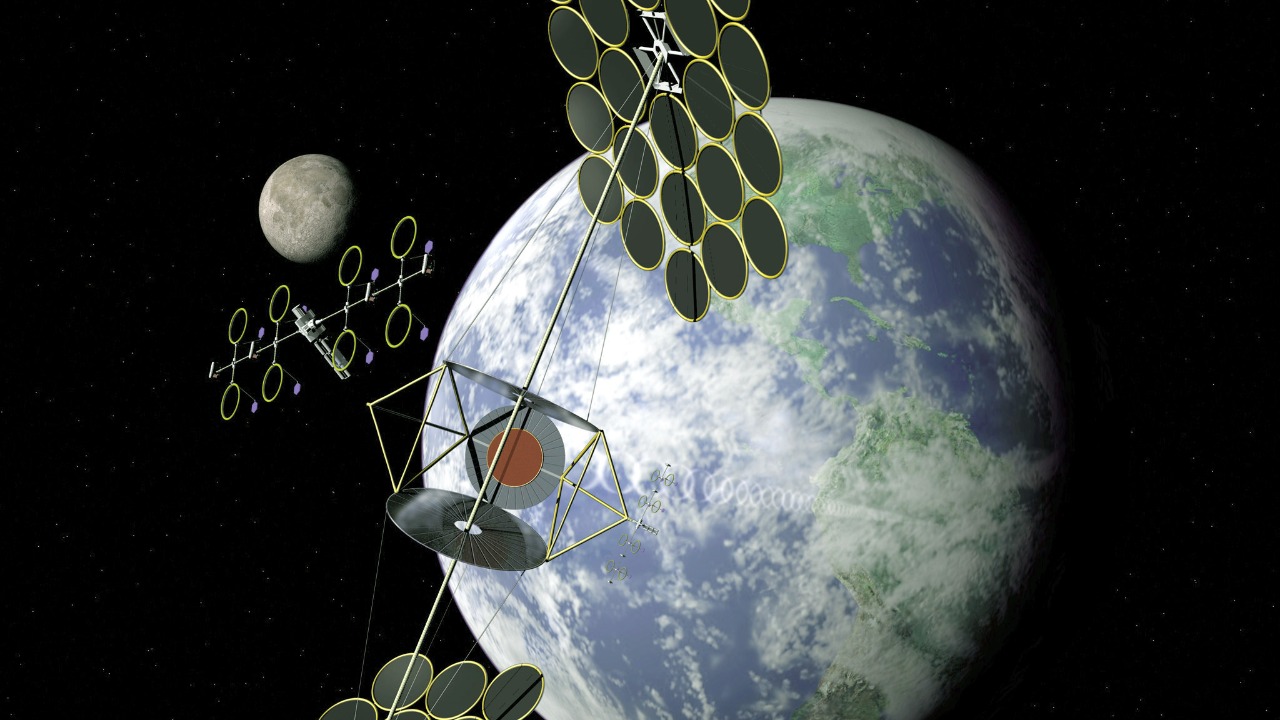
Given the current pace of advancements, the future of space solar power looks promising. The ultimate goal is to deploy a constellation of power-beaming satellites, capable of providing constant, renewable energy to anywhere on Earth. However, this vision also presents several challenges, such as the cost and logistics of launching such satellites, the safety of wireless power transmission, and the regulatory hurdles associated with space-based infrastructure.
Nevertheless, with continued research and development—and the backing of significant funding—these challenges can be overcome. Indeed, the demonstration by Caltech is a testament to the fact that with technological innovation, what once seemed like science fiction can become a reality.
Impact on Renewable Energy Sector
This breakthrough has the potential to dramatically reshape the landscape of the renewable energy sector. By offering a constant, reliable source of clean energy, space solar power could replace or supplement many existing power generation methods, reducing our dependence on fossil fuels and mitigating the impacts of climate change.
In addition, space solar power could address one of the major drawbacks of current renewable energy sources—their intermittency. With the sun shining 24/7 in space, power-beaming satellites could provide a continuous energy supply, making renewable energy more reliable and feasible on a large scale. For more insights into the potential impact of this technology, check out this article.