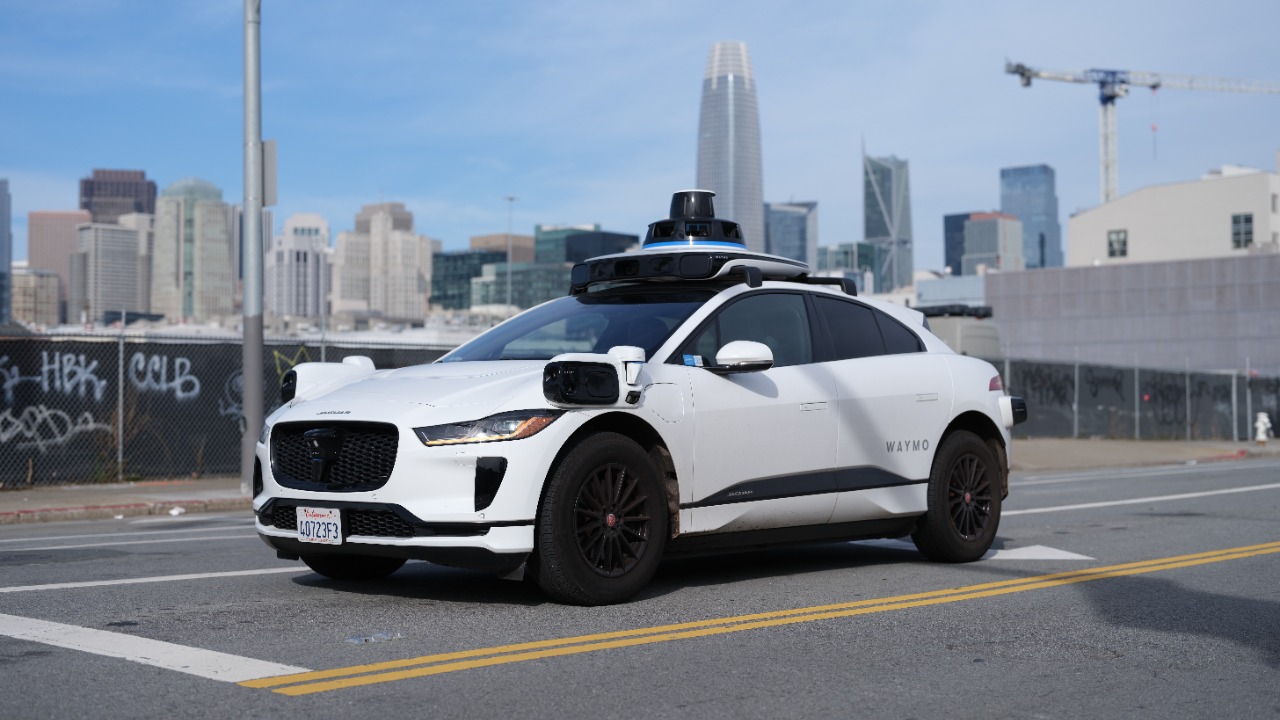

Waymo, the autonomous vehicle venture from Google, has taken a significant leap forward by officially launching its self-driving taxi service to the public in Arizona. This development marks a new chapter in the realm of autonomous vehicles, bringing us one step closer to a future where human drivers may become a thing of the past.
Understanding Waymo’s Autonomous Taxi Service
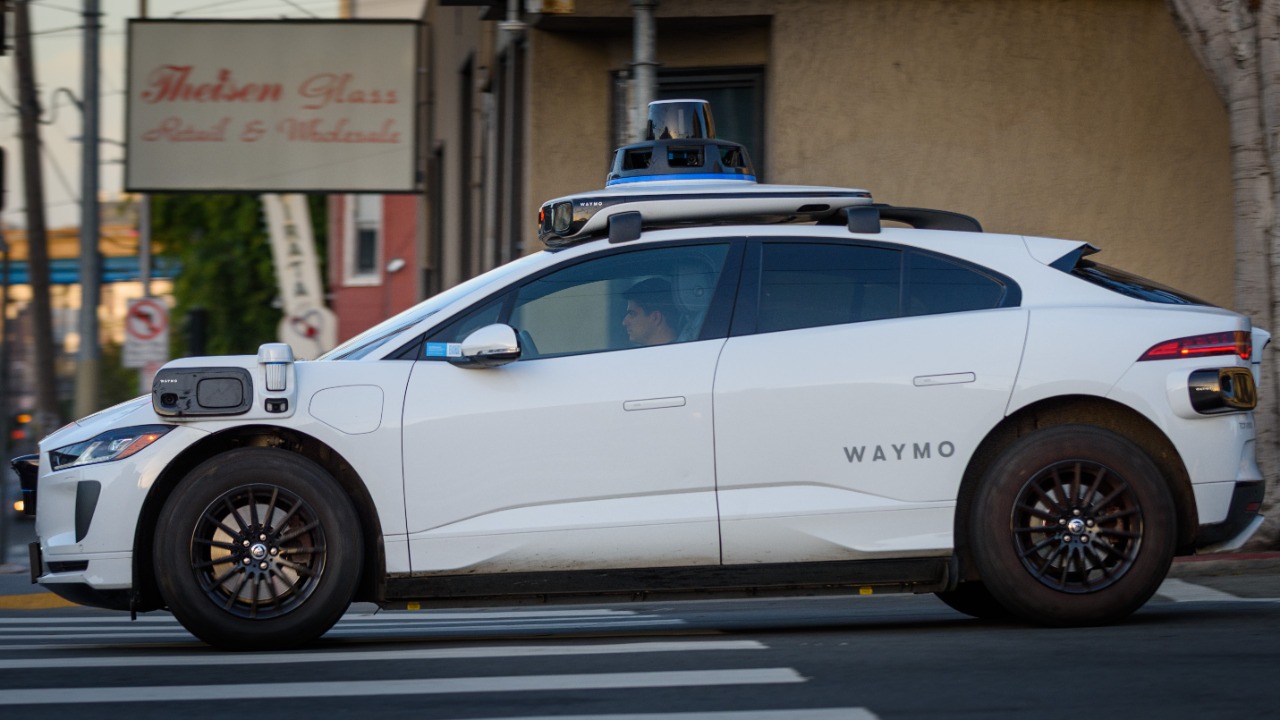
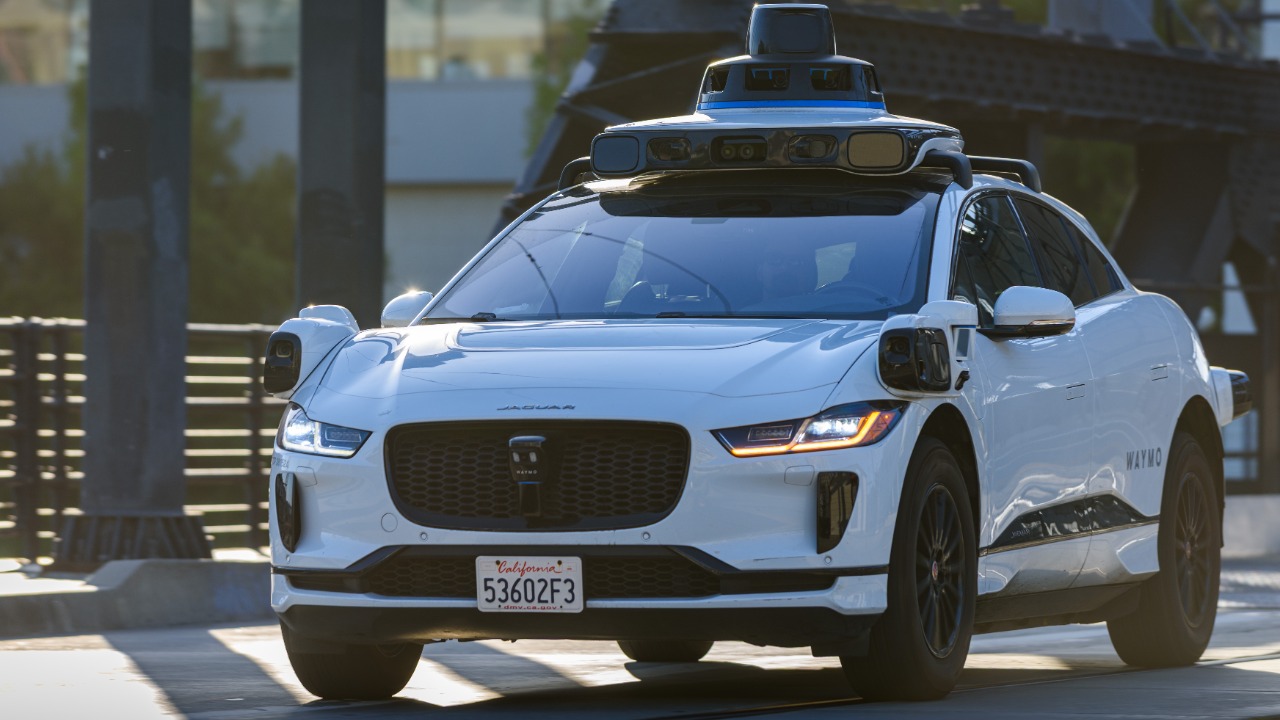
Waymo, a subsidiary of Alphabet Inc.—Google’s parent company—has been a pioneer in the development of autonomous vehicle technology. The company’s self-driving system, known as Waymo Driver, uses advanced sensors, high-resolution cameras, and machine learning algorithms to navigate roads, detect obstacles, and make split-second decisions. Unlike some semi-autonomous systems, Waymo’s taxis operate without a human safety driver at the wheel.
Each Waymo taxi is equipped with unique features like a touchscreen interface for passengers to start their ride and communicate with Waymo’s support team. The vehicles, which are modified Chrysler Pacifica minivans, also have redundant systems for key functions like steering and braking, ensuring safety even if one system fails. This commitment to safety and innovation is what sets Waymo apart in the rapidly evolving autonomous vehicle industry.
The Launch: Waymo Hits the Streets of Arizona
The public launch of Waymo’s service in Arizona covers a wide area, including parts of Phoenix, Mesa, and Chandler. While the service started with a limited number of vehicles and ride frequencies, it is expected to ramp up over time. According to a New York Times report, the launch was not without its challenges, including skepticism from local residents and occasional technological hiccups.
Despite these challenges, the public’s reaction to Waymo’s service has been generally positive. While some residents expressed initial apprehension about sharing roads with driverless cars, many have been won over by the novelty of the experience and the convenience of the service. The launch of Waymo’s autonomous taxi service in Arizona represents a significant step forward in the public acceptance of autonomous vehicles.
Implications for the Transport Industry
The successful launch of Waymo’s service in Arizona could have far-reaching implications for the transport industry. Traditional taxi services and ride-hailing companies like Uber may face competition from these driverless taxis, which promise cheaper and more efficient service. As discussed in this Reddit discussion, autonomous vehicles could potentially disrupt the entire transportation industry, leading to job displacement.
However, there are also arguments that the advent of autonomous taxis could create new jobs, such as maintaining and servicing these vehicles. Moreover, these vehicles could potentially alleviate traffic congestion and increase road safety by removing human error from the equation.
Legal and Regulatory Challenges

Launching an autonomous taxi service is not just a technological challenge but also a legal and regulatory one. Arizona has been one of the more receptive states to autonomous vehicles, with its governor signing an executive order in 2015 to support the testing and operation of self-driving cars. However, Waymo still had to navigate a complex web of rules and regulations to launch its service.
One of the key challenges was ensuring safety standards, not just in terms of the vehicle’s technology but also in terms of liability in the event of accidents. The legal landscape for autonomous vehicles is still evolving, and it will be interesting to see how Waymo and other companies navigate these challenges in the future.
The Future of Autonomous Vehicles
The launch of Waymo’s autonomous taxi service in Arizona is just the beginning. The company plans to expand its service to other states and eventually, other countries. According to Time magazine, Waymo is also working on other forms of autonomous vehicles, including trucks and delivery vehicles, signaling a future where autonomy extends beyond passenger cars.
As autonomous vehicle technology continues to advance, it’s expected to bring about profound changes in our cities and transportation systems. Reduced need for parking, decreased traffic congestion, and improved accessibility for those unable to drive are all potential benefits. However, it also raises important questions about job displacement, urban planning, and legal liability that will need to be addressed. As we move forward, it’s clear that the journey to full autonomy is just beginning.