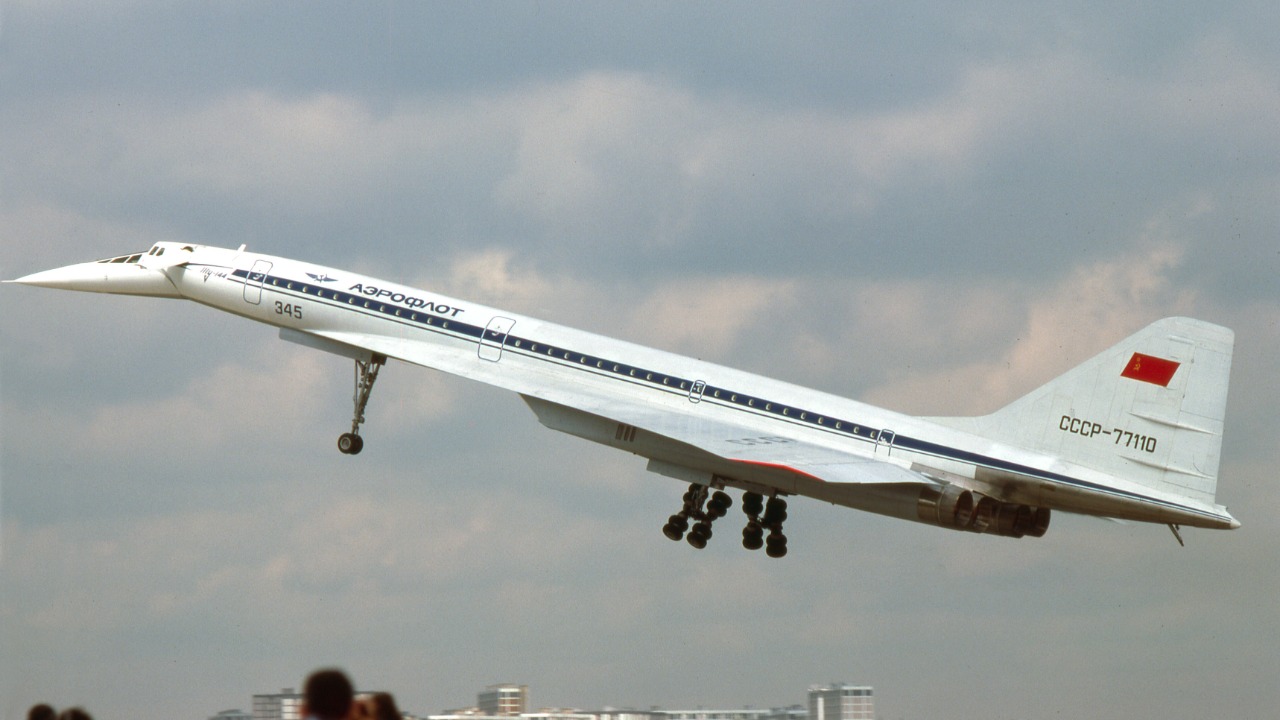

United Airlines has revealed its aim to reintroduce supersonic commercial flights by 2029, potentially triggering a revolution in the aviation industry. This endeavor, while ambitious, explores an intersection of technological advancements, potential hurdles, and environmental considerations.
The History and Revival of Supersonic Flights
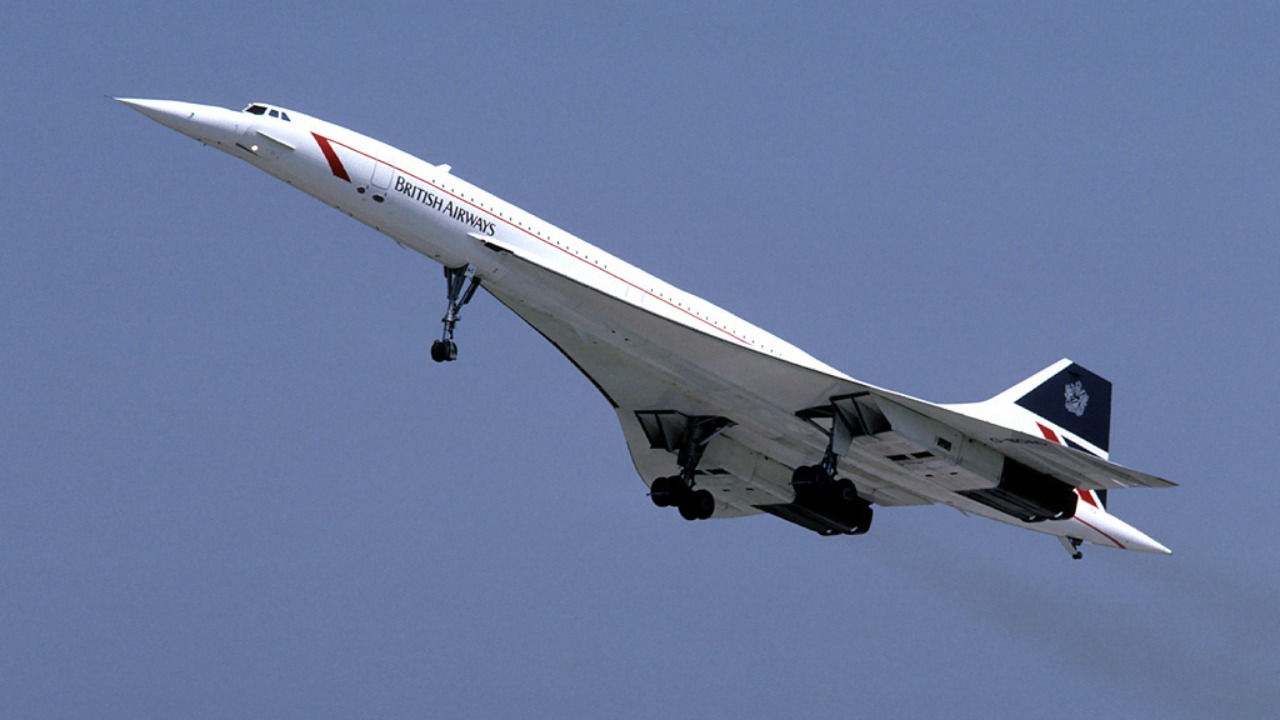
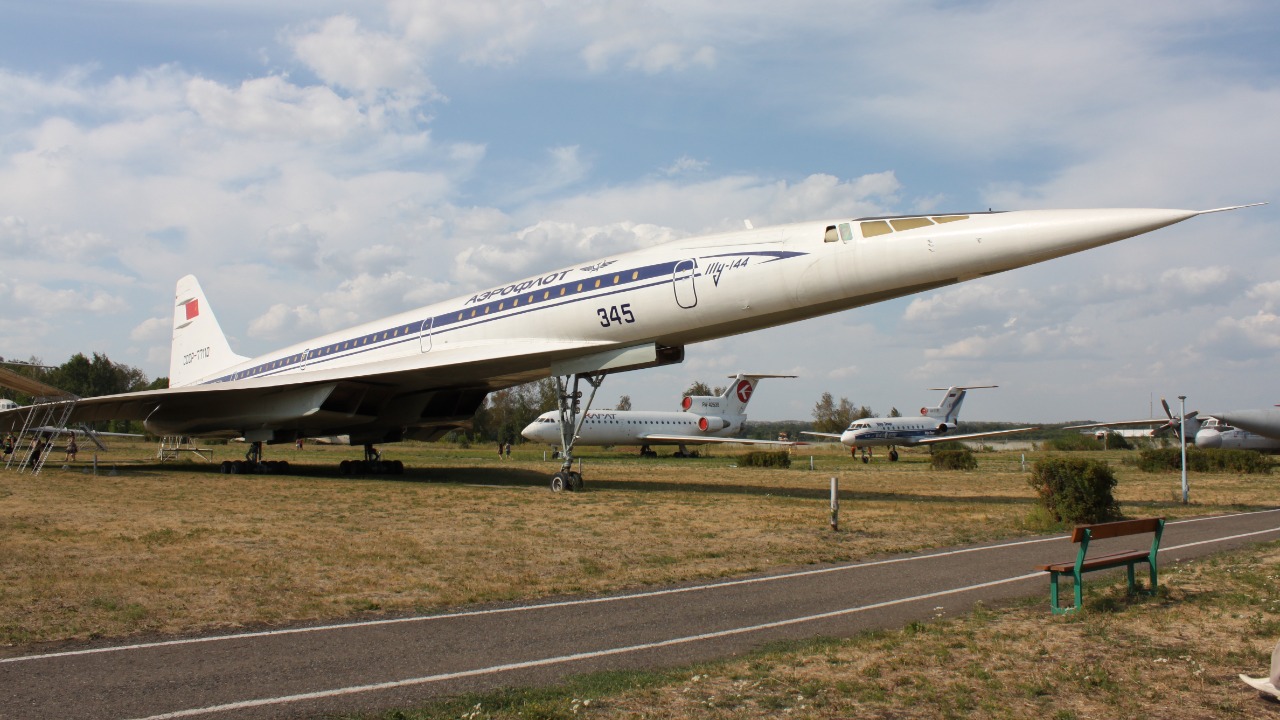
The Concorde, the first supersonic commercial aircraft, marked a significant milestone in aviation history. Its inauguration in 1969 promised a new era of high-speed travel, but various factors, including economic viability, noise pollution, and a devastating crash in 2000, led to its retirement in 2003. Despite this, the allure of speed has continued to fascinate the aviation industry, prompting fresh attempts to revive supersonic travel.
In this context, United Airlines has decided to bring back supersonic flights. The motivation behind this move is primarily to drastically reduce travel times and offer a unique service to customers. United has set high expectations for this initiative, anticipating that it will usher in a new era of high-speed travel and transform the aviation industry.
Technological Advances Enabling Supersonic Commercial Flights
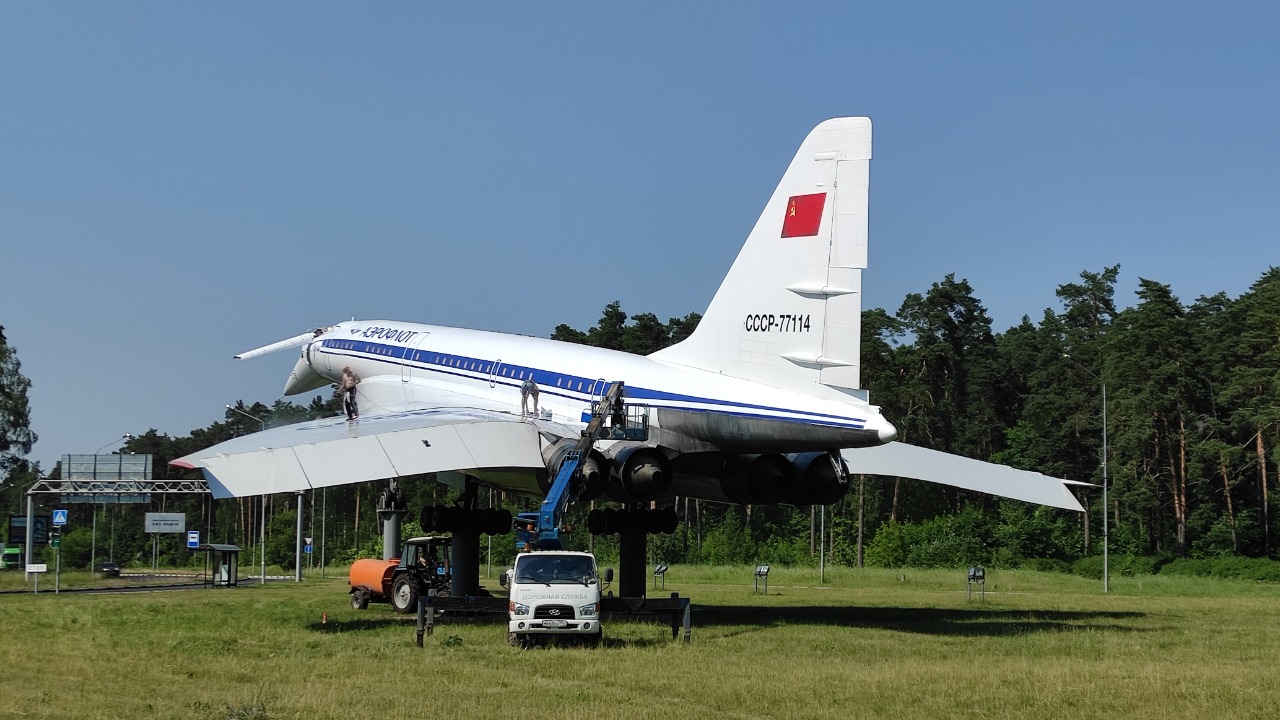
United’s vision of reintroducing supersonic travel is supported by significant technological advancements, particularly those accomplished by Boom Supersonic. Boom Supersonic has been a pioneer in developing next-generation supersonic aircraft, with an emphasis on reducing noise and enhancing fuel efficiency—two major challenges that plagued the Concorde.
The centerpiece of United’s supersonic comeback is the Overture, Boom’s flagship aircraft. The Overture promises to blend speed, safety, and sustainability, boasting features like a carbon-neutral operation, a Mach 1.7 cruising speed (over twice the speed of today’s fastest airliners), and the capability to accommodate 65 to 88 passengers.
Potential Challenges to Supersonic Commercial Flights
Despite the technological breakthroughs, supersonic commercial flights face various potential challenges. Regulatory obstacles, such as noise restrictions and overland flight regulations, could impede the progress of supersonic flights. For instance, current Federal Aviation Administration (FAA) regulations prohibit civil aircraft from creating sonic booms over land, which could limit the flight paths of supersonic aircraft.
Furthermore, economic hurdles could also pose significant challenges. The operation costs of supersonic flights are expected to be high, leading to high ticket prices that could limit the market to luxury travelers. Additionally, there are technological issues to consider. Specifically, ensuring passenger safety while maintaining high speeds is a complex challenge that needs to be addressed effectively.
Environmental Implications of Supersonic Flights
High-speed travel comes with an environmental cost. Supersonic flights typically consume more fuel than subsonic flights, leading to higher carbon emissions. Moreover, sonic booms, a side effect of supersonic travel, could lead to noise pollution, affecting the quality of life for communities living under flight paths.
However, United Airlines and Boom Supersonic are not ignoring these issues. They have pledged to operate the Overture on 100% sustainable aviation fuel to mitigate carbon emissions. Furthermore, they are investing in technology to reduce the impact of sonic booms, aiming to make supersonic travel more environmentally friendly. You can read more about these environmental impacts in this study.
The Future of Supersonic Travel

While the challenges are significant, the potential market for supersonic flights is equally substantial. By offering drastically reduced travel times, supersonic flights could appeal to business travelers and affluent individuals seeking to save time. However, United is not alone in its quest for supersonic travel. Other companies, such as Aerion and Spike Aerospace, are also developing their own supersonic aircraft.
Despite the competition, United’s decision to invest in supersonic travel is a bold step towards a future where long-haul flights could be completed in half the time. As technology advances and environmental concerns are addressed, supersonic flights could indeed change the future of travel. For a deeper understanding of this resurgence, you can read this article.