

Advancements in artificial intelligence (AI) are reshaping the landscape of modern medicine, particularly in the field of oncology. One of the most exciting developments is the acceleration of personalized cancer vaccines, a novel and promising approach to cancer treatment.
The Intersection of AI and Oncology
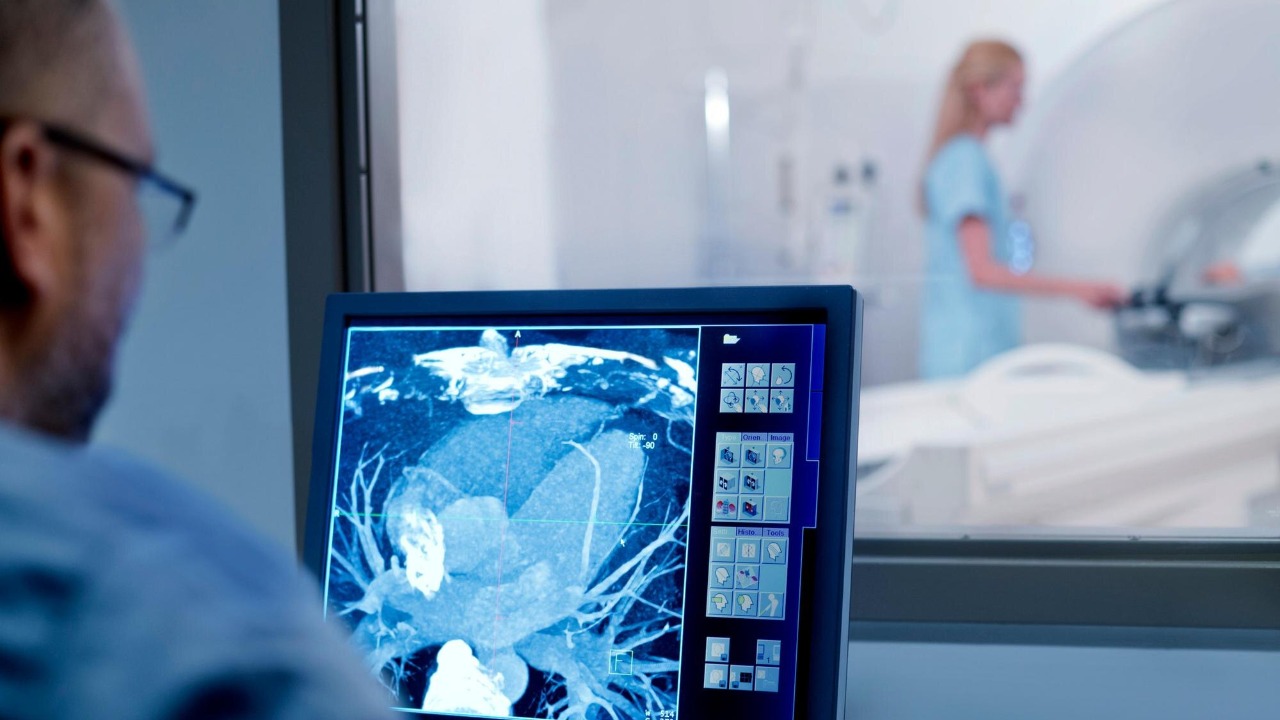
AI’s role in modern medicine is rapidly expanding, with oncology being one of the chief beneficiaries of this technological revolution. From improving diagnostic accuracy to predicting patient response to different treatments, AI is transforming how we approach cancer care. Specifically, AI’s potential to revolutionize oncology lies in its capacity for personalization. This personalization is particularly significant in cancer vaccine development, where AI can analyze a patient’s unique tumor profile to create a targeted vaccine.
By harnessing machine learning algorithms to process vast amounts of genetic and clinical data, AI can identify patterns and correlations that would be impossible for humans to discern. These insights are crucial in developing personalized vaccines, where the goal is to trigger an immune response against specific cancer cells. The result is a shift from a one-size-fits-all approach to a personalized strategy that could revolutionize cancer treatment.
Personalized Cancer Vaccines: A New Hope in Oncology
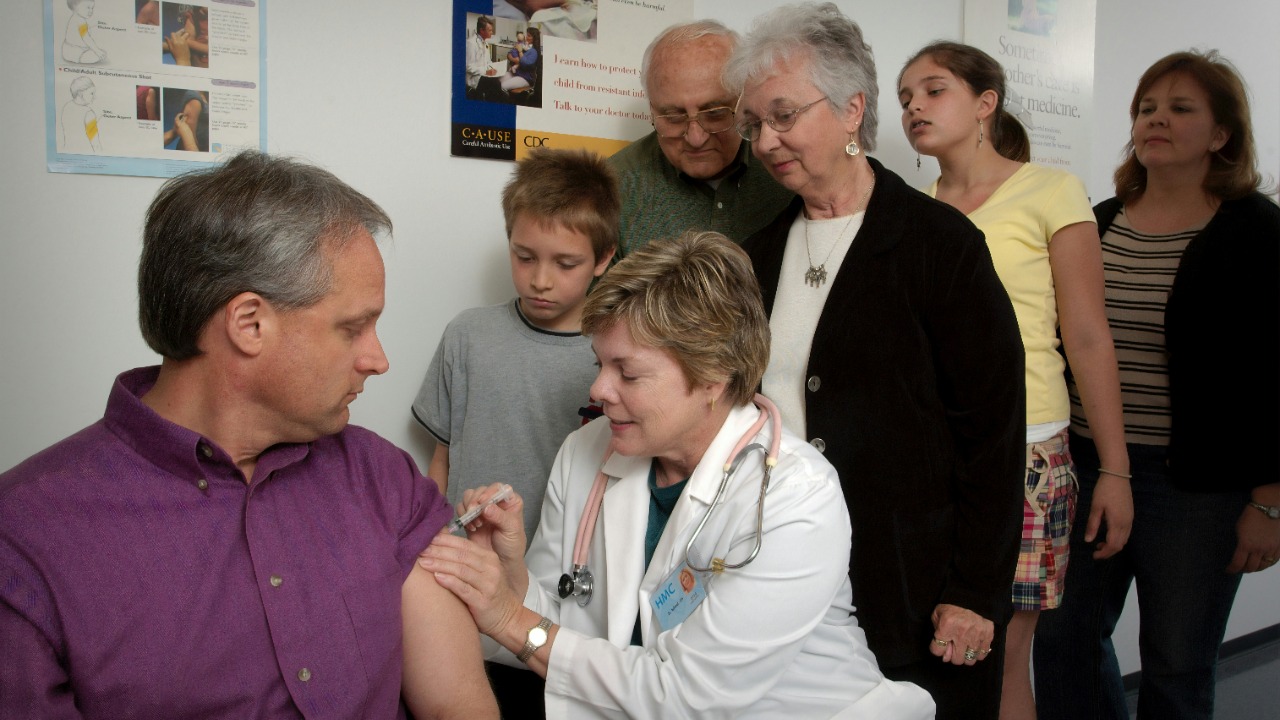
Personalized cancer vaccines are a new therapeutic approach designed to stimulate the patient’s immune system to target and destroy cancer cells. Unlike traditional cancer treatments, which often have a systemic effect and can harm healthy cells, personalized vaccines are designed to target only the cancerous cells, reducing side effects and potentially improving treatment efficacy.
However, developing these vaccines is not without challenges. Each patient’s cancer is unique, requiring a bespoke vaccine. This necessitates a deep understanding of the patient’s genetic makeup, the specific mutations in the cancer cells, and the body’s immune system’s response. AI can help overcome these challenges, by analyzing vast amounts of data to identify the most effective vaccine for each patient.
AI-Driven Clinical Trials: Early Results and Insights

Several clinical trials have been conducted to test the effectiveness of AI-driven personalized cancer vaccines. The results have been promising, with patients showing improved response rates and survival times. One such example is a clinical trial where AI was used to predict the most effective antigens for each patient’s vaccine, resulting in a significant increase in response rates compared to traditional treatments.
These trials also offer valuable insights into the potential of this approach to transform cancer treatment. For instance, they highlight the importance of integrating AI into the entire treatment process, from diagnosis to follow-up care. They also underscore the need for collaboration between AI experts and clinicians to ensure the best patient outcomes.
mRNA Vaccines and their Role in Cancer Treatment
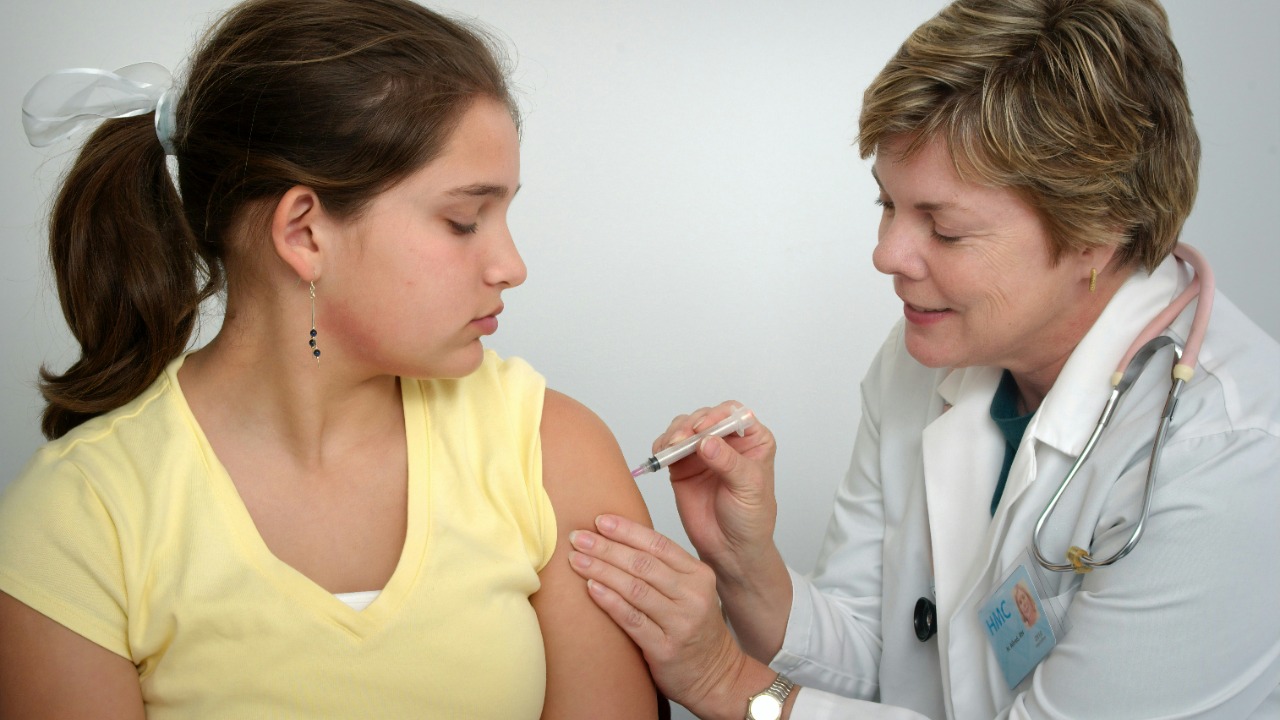
mRNA vaccines represent a promising avenue in cancer treatment. These vaccines work by delivering a small piece of genetic code (mRNA) to cells, instructing them to produce a protein that triggers an immune response. This approach has been particularly effective in treating pancreatic cancer, as outlined by the researchers at Memorial Sloan Kettering Cancer Center.
AI is enhancing the effectiveness of mRNA vaccines by predicting the most effective mRNA sequences for each patient. By analyzing the patient’s genetic profile and the specific mutations in the cancer cells, AI can identify the most effective targets for the mRNA vaccine, leading to a more personalized and potentially more effective treatment.
The Future of AI and Personalized Cancer Vaccines

The future of AI-driven personalized cancer vaccine development is full of potential. As AI algorithms become more sophisticated and our understanding of cancer genomics deepens, we can expect to see increasingly effective personalized vaccines. However, this field also presents challenges, such as data privacy concerns and the need for robust regulatory frameworks to ensure patient safety.
Despite these challenges, the implications of AI and personalized vaccines for the future of cancer treatment are immense. By enabling a more personalized approach to treatment, we can improve patient outcomes, reduce side effects, and potentially transform how we combat this disease. As we continue to explore the intersection of AI and oncology, the dream of a future where cancer can be effectively managed, or even cured, becomes increasingly attainable.