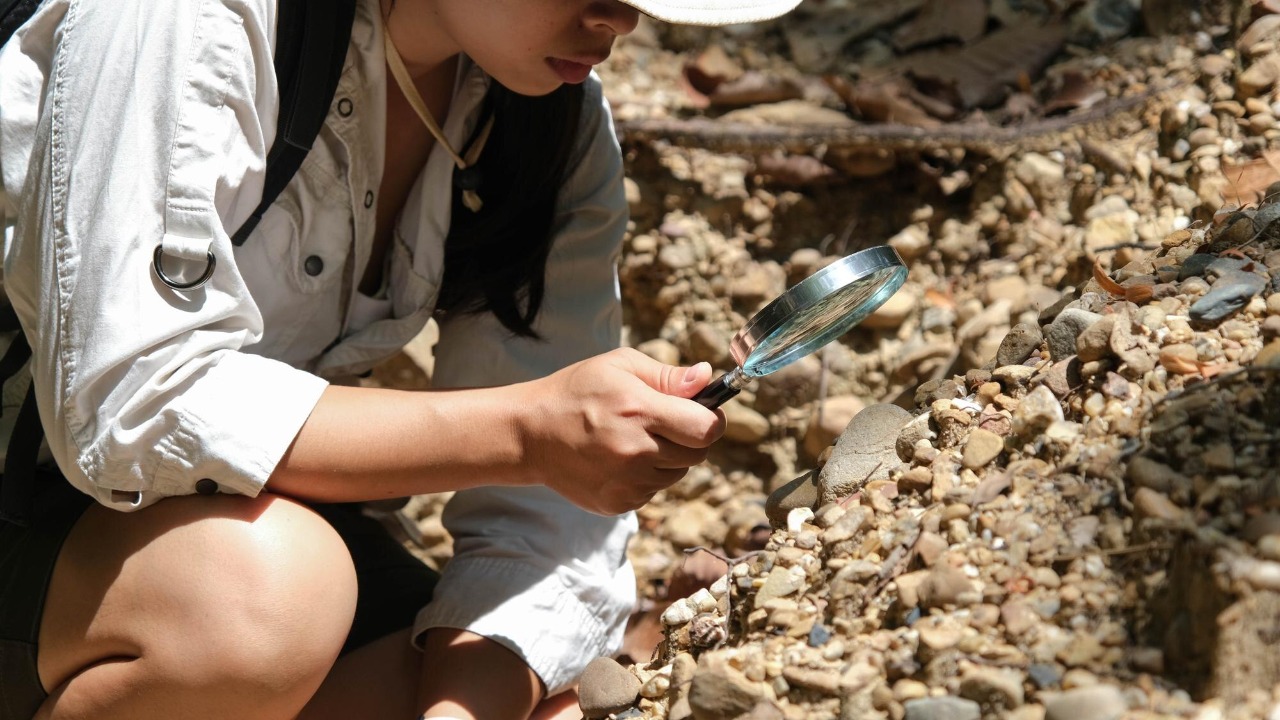

Recent discoveries in archaeology have unveiled a previously unknown civilization that could fundamentally alter our understanding of human history. This civilization’s unique characteristics and technological advancements challenge existing historical narratives and open new avenues for research and debate.
The Discovery: A New Chapter in Human History
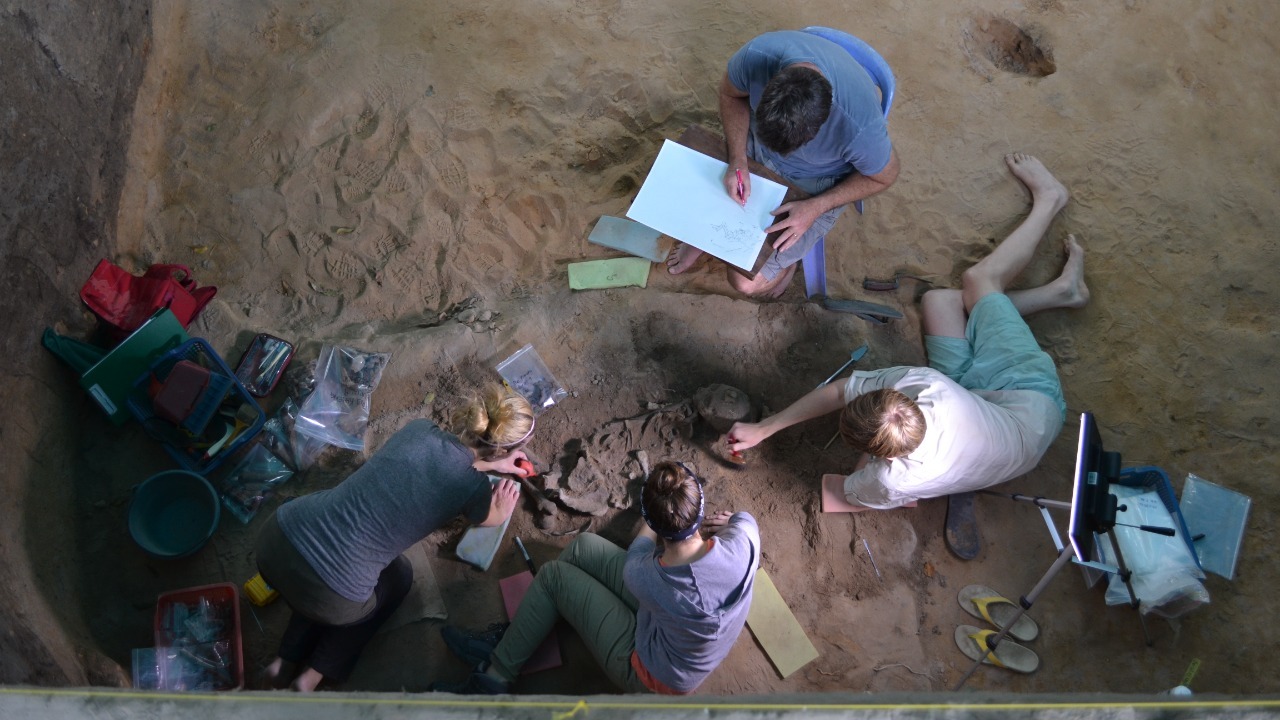
The discovery of this ancient civilization occurred during an ambitious excavation project in a remote region, previously thought to be uninhabited in ancient times. Archaeologists were stunned when they stumbled upon the remnants of a vast city, buried beneath layers of sediment and time. The site, located in a remote valley, revealed a sprawling urban center with sophisticated architectural features. Initial surveys suggest that the city was home to tens of thousands of inhabitants, challenging the notion that such large urban centers only emerged in well-documented regions like Mesopotamia and Egypt.
The initial findings at the site were nothing short of extraordinary. Among the artifacts unearthed, researchers found intricately carved tools and sophisticated pottery, adorned with symbols that suggest a complex system of writing or record-keeping. The structures themselves, including massive stone edifices and intricate road systems, point to a highly organized and technologically advanced society. These discoveries have prompted historians to reevaluate the historical context of human development, suggesting that this civilization may have thrived during a time when most of the world was still in the throes of early agricultural development.
Technological and Cultural Advancements

The tools and artifacts recovered from the excavation site offer a glimpse into the technological prowess of this lost civilization. Among the most remarkable finds are advanced metalworking tools, which suggest a level of metallurgical knowledge previously unattributed to such an early period. The presence of these tools has sparked new debates among historians and archaeologists about the timeline of technological advancement in human history. Furthermore, the discovery of sophisticated tools akin to those used by later civilizations underscores the ingenuity and resourcefulness of these ancient people.
Culturally, this civilization appears to have had rich and varied social practices, as evidenced by the ceremonial artifacts and religious iconography found at the site. These findings suggest a society with complex spiritual beliefs and social hierarchies, comparable to those of Ancient Egypt or the Mayan Empire. The art and symbols found on pottery and in carvings hint at a vibrant cultural life, possibly involving trade and interaction with neighboring regions. Such interactions might have facilitated the exchange of ideas and technologies, further influencing the cultural landscape of the era.
Rewriting Historical Narratives

The discovery of this civilization poses significant challenges to established historical theories. For decades, archaeologists have worked under the assumption that advanced societies emerged primarily in certain “cradles of civilization,” such as the Fertile Crescent. However, this new finding suggests that complex societies may have developed independently in other parts of the world, prompting a reevaluation of our understanding of human migration and societal development. The implications for evolutionary biology are equally profound, as this civilization may provide new insights into the interactions between different hominin species and the development of early human societies.
One of the most crucial impacts of this discovery is the potential need to redefine the chronology of human history. As researchers continue to analyze the site, they may uncover evidence that suggests this civilization predated or coincided with other known ancient societies, such as the Indus Valley Civilization or Ancient China. This could necessitate a significant adjustment to the timeline of human development, influencing how we understand the evolution of early human societies and their interactions.
The Global Significance of the Discovery
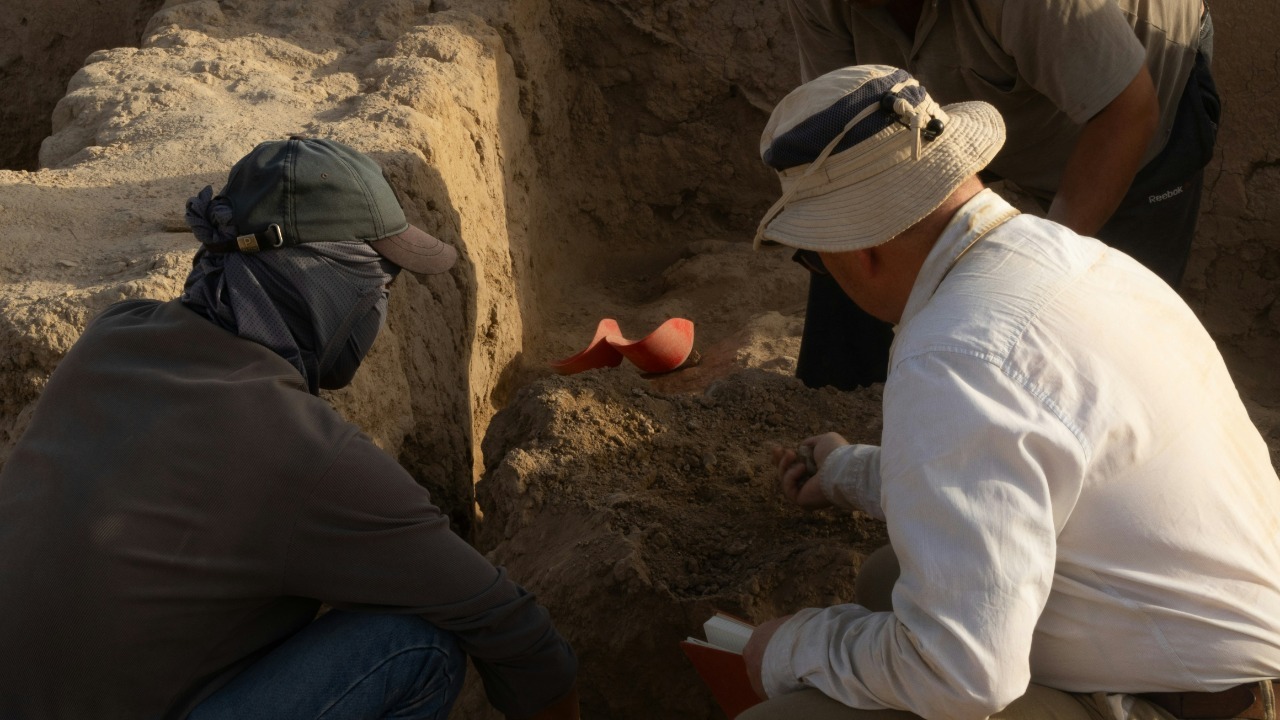
The excavation and analysis of this newfound civilization have been a collaborative effort, involving international teams of archaeologists, historians, and scientists. This highlights the essential role of global collaboration in the field of archaeology, as experts from diverse backgrounds bring unique perspectives and expertise to the project. The importance of international cooperation in uncovering and analyzing such groundbreaking discoveries cannot be overstated.
Preserving the site and respecting the cultural heritage of the discovered civilization pose significant ethical challenges. As researchers continue to uncover new artifacts and structures, they must balance the need for scientific exploration with the responsibility of preserving these invaluable historical treasures. This discovery presents an opportunity to develop new strategies for site preservation and cultural heritage management, ensuring that future generations can learn from this remarkable chapter in human history.
Public and Scholarly Reactions

The academic community has been abuzz with reactions to this groundbreaking discovery. Historians, archaeologists, and scientists have engaged in lively debates over the implications of the findings, challenging long-held beliefs and theories about ancient human societies. The discovery has prompted a reevaluation of existing narratives and opened up new avenues for scholarly research and inquiry. As more information emerges from the site, these debates are likely to intensify, providing fertile ground for further study and exploration.
Media coverage of the discovery has been extensive, capturing the public’s imagination and sparking widespread interest in archaeology and history. This newfound attention has the potential to inspire a new generation of historians and archaeologists, eager to explore the mysteries of the past.
By incorporating these discoveries into educational curricula, educators can foster a deeper understanding of human history and the complex tapestry of cultures that have shaped our world. The discovery also highlights the importance of preserving our shared cultural heritage, ensuring that the lessons of the past continue to inform and inspire future generations.