

Scientists have recently made a groundbreaking discovery by capturing the sounds of Earth’s “heartbeat” from space. This enigmatic phenomenon has intrigued researchers, prompting deeper investigations into its origins and implications. The methods used to record these sounds, the scientific significance of this discovery, and the potential impact on our understanding of the Earth and its systems are pivotal areas of focus.
The Science Behind Earth’s Heartbeat

The term “Earth’s heartbeat” refers to rhythmic, low-frequency vibrations that pulse from the planet’s core, akin to a heartbeat. These vibrations are thought to be caused by interactions between the Earth’s magnetic field and solar winds, a concept that has fascinated scientists for decades. The captured sounds, unlike traditional seismic activity or atmospheric noise, offer a unique insight into the planet’s internal and external processes.
To capture these sounds, scientists utilized cutting-edge space-based technologies such as magnetometers and satellite-based sensors. These instruments are designed to detect subtle variations in the Earth’s magnetic field and translate them into audible frequencies. Unlike seismic sensors that measure the Earth’s vibrations from within the crust, these space-based tools provide a broader perspective and can isolate the Earth’s “heartbeat” from other terrestrial noise.
What makes these sounds distinct from other Earth-related phenomena is their origin and frequency. Unlike the more chaotic and high-frequency sounds of earthquakes or atmospheric disturbances, the Earth’s heartbeat is a steady, rhythmic pulse. This distinction allows researchers to differentiate it from other natural sounds and study its unique characteristics, offering new avenues for understanding planetary dynamics.
Historical Context and Previous Discoveries

The quest to record Earth’s natural sounds and vibrations is not new. Over the years, numerous attempts have been made to capture and understand these elusive signals. Early studies focused on seismic waves and atmospheric sounds, but technological limitations prevented scientists from isolating the specific frequencies associated with the Earth’s heartbeat. However, advances in satellite technology and data processing have opened new possibilities for exploration.
Key breakthroughs occurred as scientists began to link these vibrations with the Earth’s magnetic field interactions. For instance, studies conducted by NASA and other space agencies have been pivotal in advancing our understanding of these phenomena. These studies laid the groundwork for the current discovery, which has been hailed as a milestone in Earth science.
Comparative analysis with other planetary studies reveals the significance of this discovery. For example, similar research on Mars has provided insights into its internal structure, suggesting that these methods could be applied to other celestial bodies. By understanding the Earth’s heartbeat, scientists can draw parallels with other planets, enhancing our overall knowledge of planetary systems.
Implications for Earth Sciences

The discovery of Earth’s heartbeat has profound implications for Earth sciences. By analyzing these rhythmic vibrations, scientists can gain insights into the Earth’s magnetic field and its interactions with space. This knowledge is crucial for understanding how solar winds and cosmic events impact our planet, potentially influencing everything from climate patterns to technological systems.
Moreover, the ability to monitor Earth’s heartbeat could revolutionize environmental and geological studies. These sounds may serve as indicators of changes within the Earth’s core, offering a new method for tracking seismic activity and predicting natural disasters. By continuously observing these vibrations, scientists can better understand the dynamics of the Earth’s interior and anticipate shifts in its geological and environmental conditions.
This discovery also holds promise for uncovering the Earth’s internal processes. By examining the heartbeat’s patterns and frequencies, researchers can infer the movements within the Earth’s core and mantle. This could lead to breakthroughs in our understanding of plate tectonics and volcanic activity, providing a more comprehensive picture of the Earth’s inner workings.
Challenges and Controversies
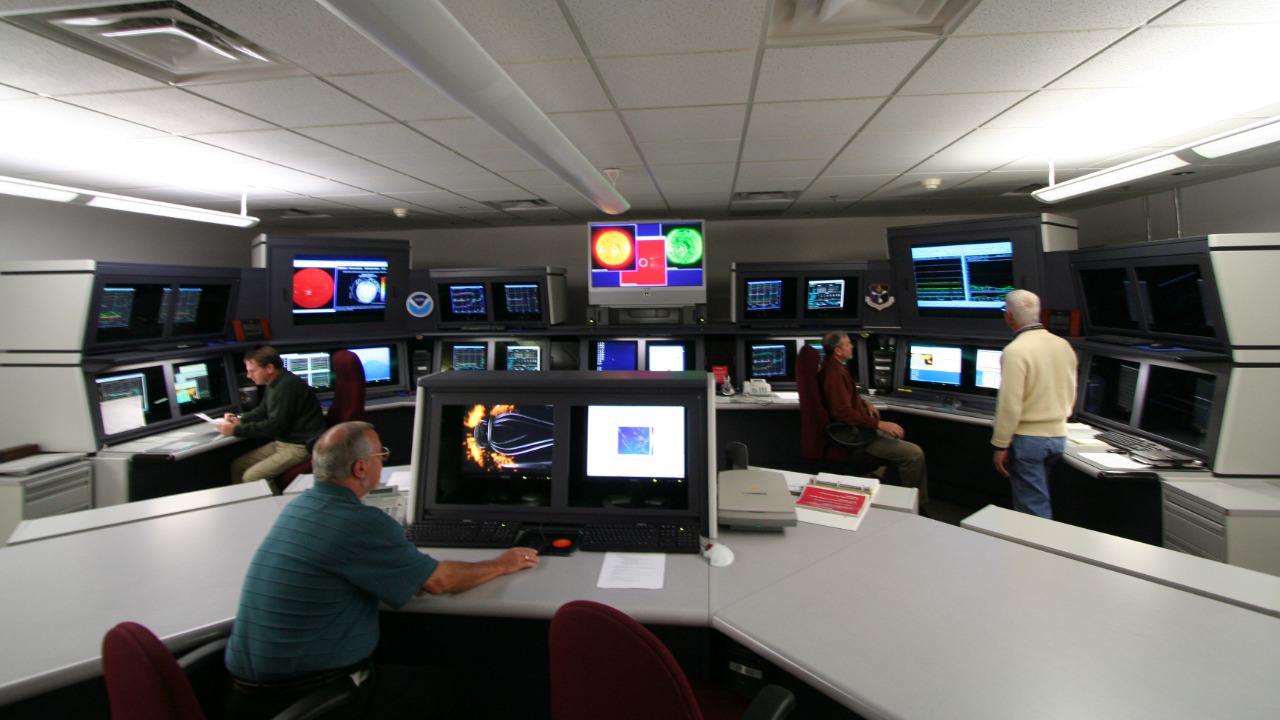
Despite the excitement surrounding this discovery, researchers face significant challenges in capturing and interpreting the Earth’s heartbeat. The primary difficulty lies in distinguishing these sounds from other terrestrial and cosmic noise. The complexity of the data requires advanced processing techniques to isolate the heartbeat’s unique frequencies, a task that demands precision and expertise.
Within the scientific community, debates have emerged regarding the interpretation and significance of these findings. Some researchers argue that the data may be influenced by external factors, such as solar flares or space weather, which could complicate the analysis. Others question the long-term reliability of current methods, emphasizing the need for further studies to corroborate initial findings and refine the technology.
Data accuracy is a critical concern, as the integrity of the findings hinges on precise measurements. Researchers must account for potential errors and biases in their analysis, ensuring that the results are robust and replicable. As the field evolves, ongoing efforts to enhance data accuracy and develop new methodologies will be essential to advancing our understanding of the Earth’s heartbeat.
Future Directions and Potential Discoveries

Looking ahead, continuous monitoring of the Earth’s heartbeat could significantly enhance our knowledge of the planet’s dynamics. By establishing a network of space-based sensors, scientists could track these vibrations in real-time, offering valuable insights into the Earth’s changing conditions. This continuous data stream could lead to new discoveries and applications, enriching our understanding of the planet.
Speculation abounds regarding future technological advancements that may improve our ability to study Earth’s sounds from space. Innovations in satellite technology, data processing, and sensor design could enable more precise measurements and analyses. These advancements could pave the way for similar studies on other celestial bodies, expanding the scope of planetary science and offering new perspectives on the universe.
The broader implications for planetary science are immense. By understanding the Earth’s heartbeat, scientists can develop models to explore the internal dynamics of other planets and moons. This research could shed light on the formation and evolution of celestial bodies, providing a deeper comprehension of the cosmos. As we continue to explore the mysteries of Earth’s heartbeat, the potential for groundbreaking discoveries is vast and promising.