

Recent discoveries have unveiled unusual radiation bursts occurring within the ancient pyramids of Egypt, sparking intrigue and speculation among scientists and historians alike. These findings, combining advanced technology with historical architecture, have opened new avenues to explore the mysteries of these enigmatic structures. The implications of these strange phenomena are vast, prompting an examination of potential causes and the historical significance of the radiation bursts.
Understanding the Phenomenon: Radiation Bursts in Pyramids
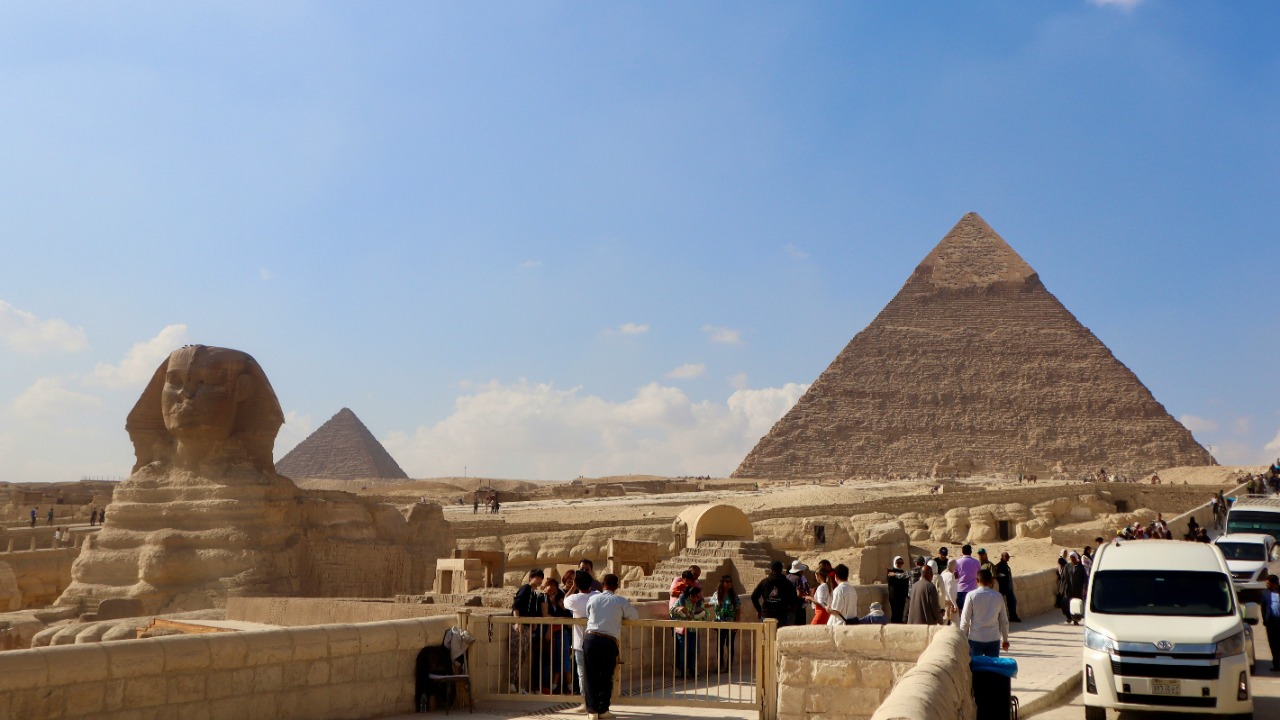
Radiation bursts are sudden releases of energy, characterized by their intensity and brief duration. These phenomena are typically detected using highly sensitive instruments capable of measuring low-frequency electromagnetic emissions. Within the context of the pyramids, the detection of these bursts involves advanced imaging technologies and radiation detectors, which are increasingly becoming integral tools in archaeological research. The presence of radiation bursts within these ancient structures is not entirely unexpected, given the intricate design and composition of the pyramids themselves.
Historically, the pyramids have been associated with a variety of unexplained phenomena. Ancient texts and modern accounts alike describe curious occurrences within these monumental edifices. From mysterious sounds to unusual temperature variations, the pyramids have long been a source of intrigue and speculation. The radiation bursts now detected add a new layer to the historical narrative, inviting fresh interpretations and hypotheses about their origin and purpose.
Scientific Investigations and Theories
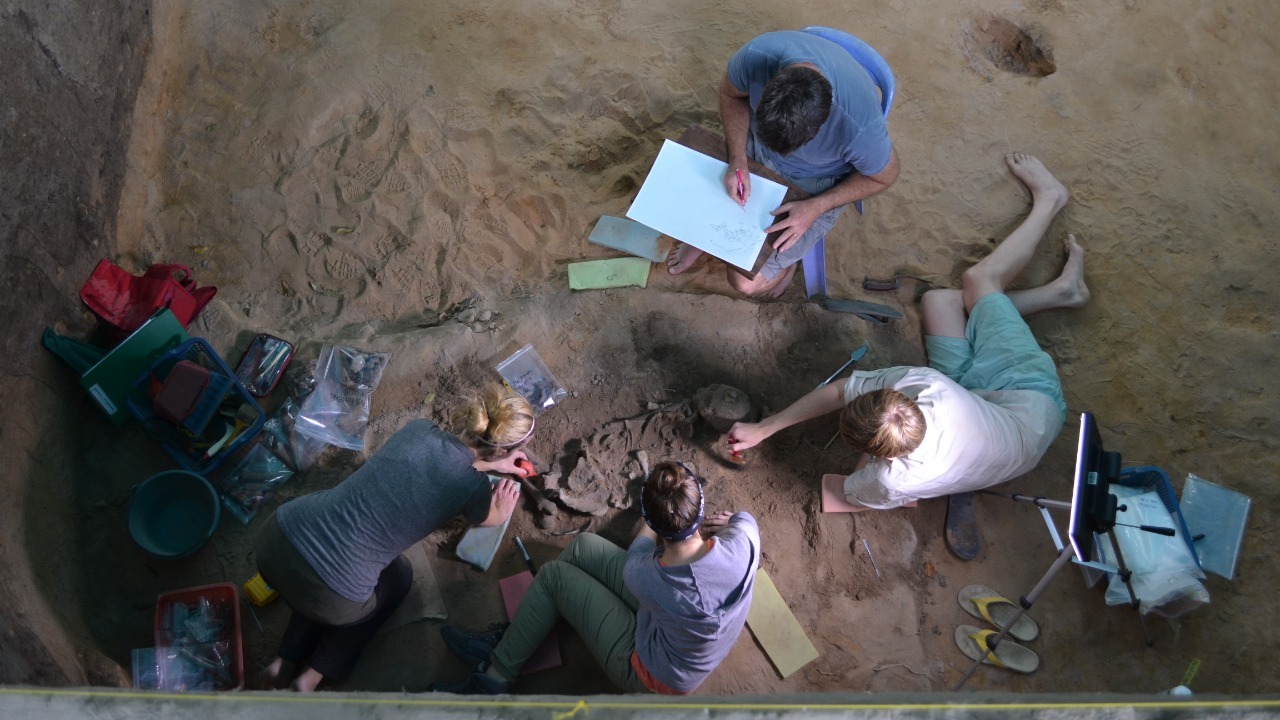
Recent studies have sought to understand the origin and implications of these radiation bursts. Researchers employing a variety of methodologies, including muon tomography and gamma-ray spectroscopy, have provided valuable insights into the phenomena. The findings suggest that the bursts may be linked to geological processes or cosmic interactions, influencing the structural dynamics of the pyramids.
Theories abound regarding the origins of these radiation bursts. Some scientists propose natural causes such as the interaction of cosmic rays with the earth’s atmosphere, while others suggest man-made origins, pointing to ancient technologies or architectural features designed to harness natural energies. The role of cosmic rays is particularly intriguing, as these high-energy particles could offer explanations for the periodic nature of the observed bursts, potentially linked to solar activity or planetary alignments.
The Role of Technology in Unveiling Pyramid Secrets
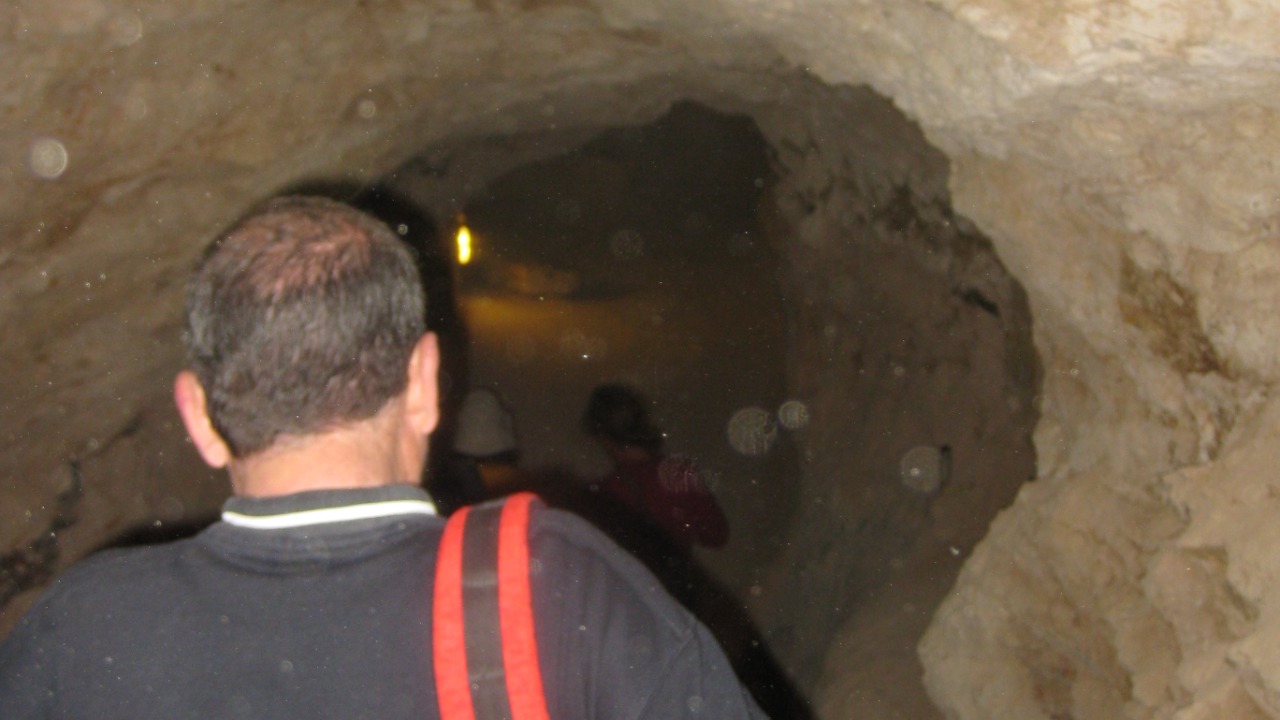
Muon tomography has emerged as a powerful tool in the exploration of pyramids. This technique, which utilizes cosmic ray muons to penetrate deep into the structures, offers unprecedented insights into their internal architecture. The advantages of muon tomography are evident in its ability to reveal hidden chambers and detect anomalies without causing damage, making it an ideal technique for archaeological research.
In addition to muon tomography, advancements in imaging and radiation detection technologies are revolutionizing the field. Innovations such as portable gamma-ray detectors and 3D imaging tools are enhancing our ability to study these ancient wonders. As technology continues to evolve, the potential for new discoveries and insights into the construction and purpose of the pyramids grows, promising exciting prospects for future research.
Implications for Archaeology and History
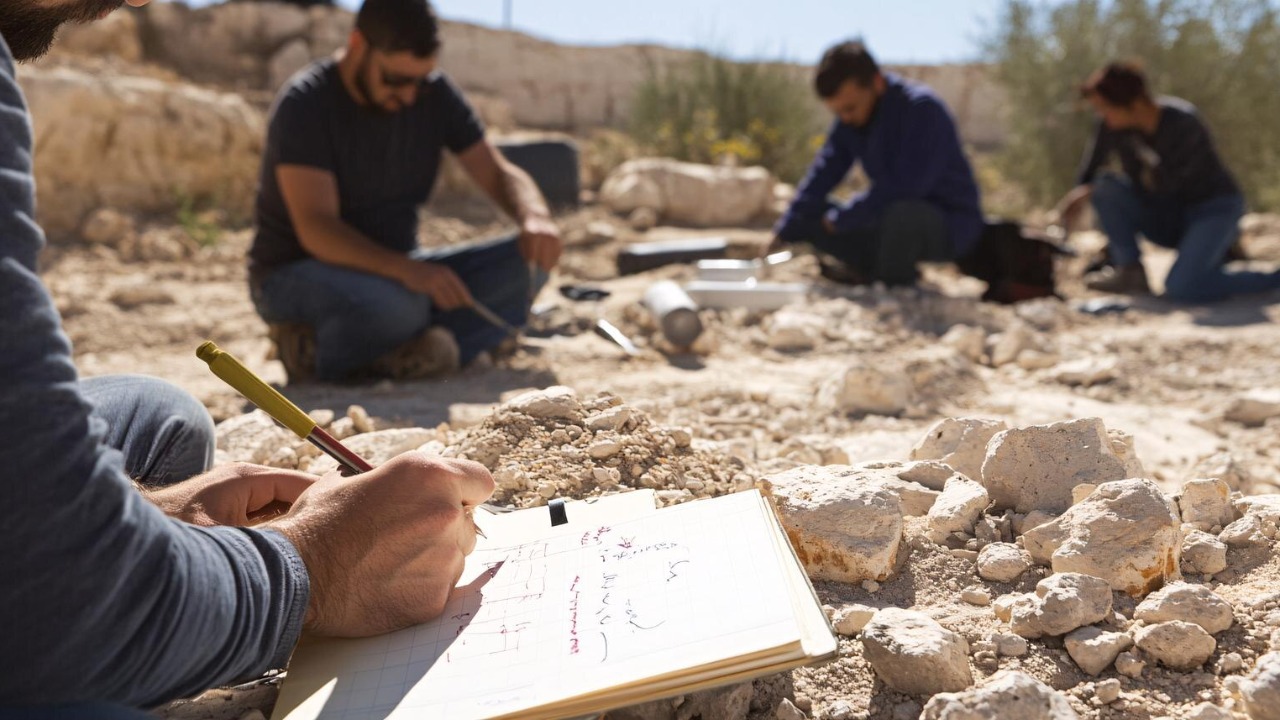
The detection of radiation bursts within the pyramids has profound implications for our understanding of ancient Egyptian engineering. These findings suggest that the builders of the pyramids may have possessed advanced knowledge of construction techniques and materials, enabling them to create structures that interact with natural forces in unique ways. This knowledge challenges existing historical narratives, prompting a reevaluation of the technological capabilities of ancient civilizations.
Beyond their impact on engineering understanding, these discoveries also influence the preservation and interpretation of historical sites. As researchers integrate new findings into broader historical contexts, they may necessitate shifts in educational approaches and conservation strategies. This evolving understanding underscores the importance of multidisciplinary collaboration in unearthing the secrets of the past and ensuring the preservation of these cultural treasures for future generations.
Future Research Directions and Questions
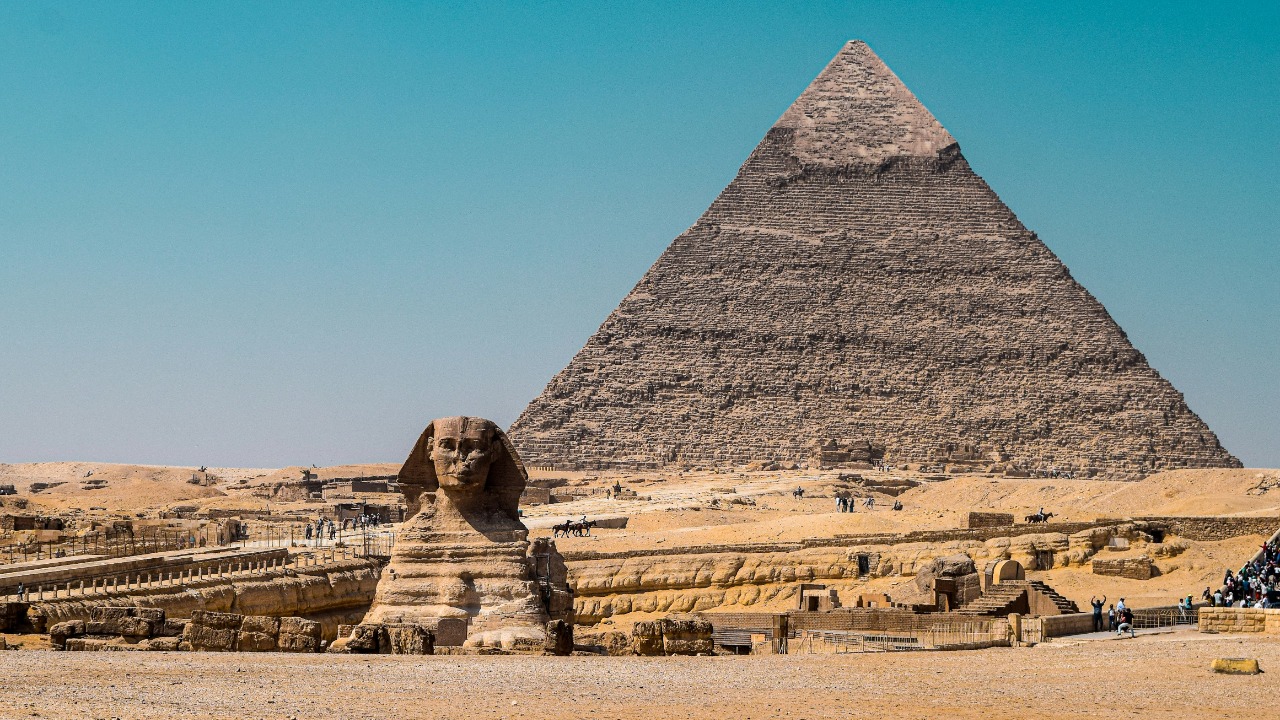
Despite recent advancements, many questions remain unanswered regarding the nature and implications of the radiation bursts within the pyramids. Identifying gaps in current knowledge is crucial for guiding future research efforts. Challenges include deciphering the precise mechanisms behind the bursts and understanding their relationship with the structural integrity of the pyramids.
The potential for interdisciplinary collaboration offers promising avenues for overcoming these challenges. Scientists, historians, and technologists can work together to develop comprehensive research strategies, leveraging their diverse expertise to explore the mysteries of the pyramids. Global research initiatives, such as those documented in academic publications, play a critical role in advancing pyramid studies, fostering collaboration across borders and disciplines.